If you run a functional tea or beverage brand, you probably hear “Chinese herbal tea bags” again and again. Buyers ask about it. Distributors ask for TCM style SKUs. Some partners want liver support, some want sleep, others want beauty from inside.
This topic can feel big. But it doesn’t have to be messy. In this essay we’ll look at what Chinese herbal tea bags really are, how they map to real usage scenes, and why a manufacturer like GuoCao can be the backend engine for this whole line.
Chinese Herbal Tea Bags Definition and TCM Background
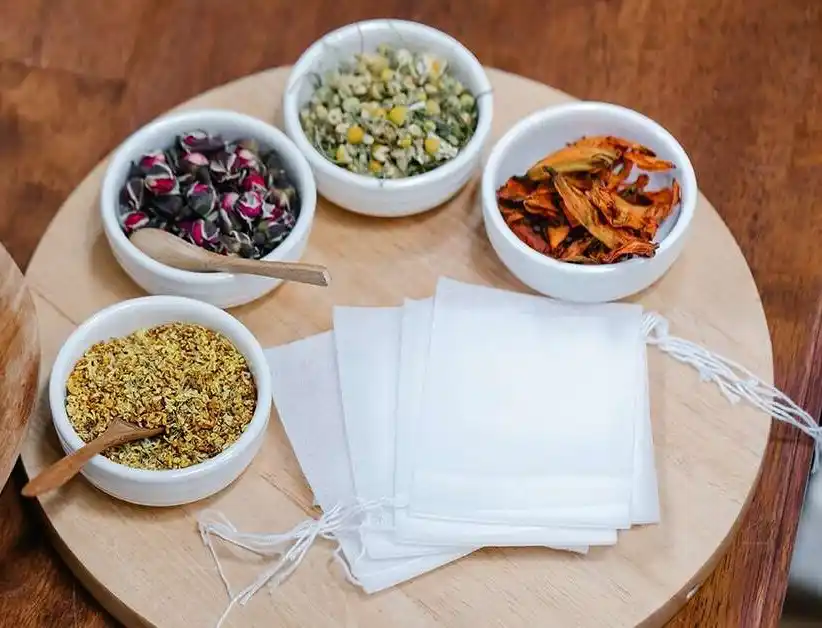
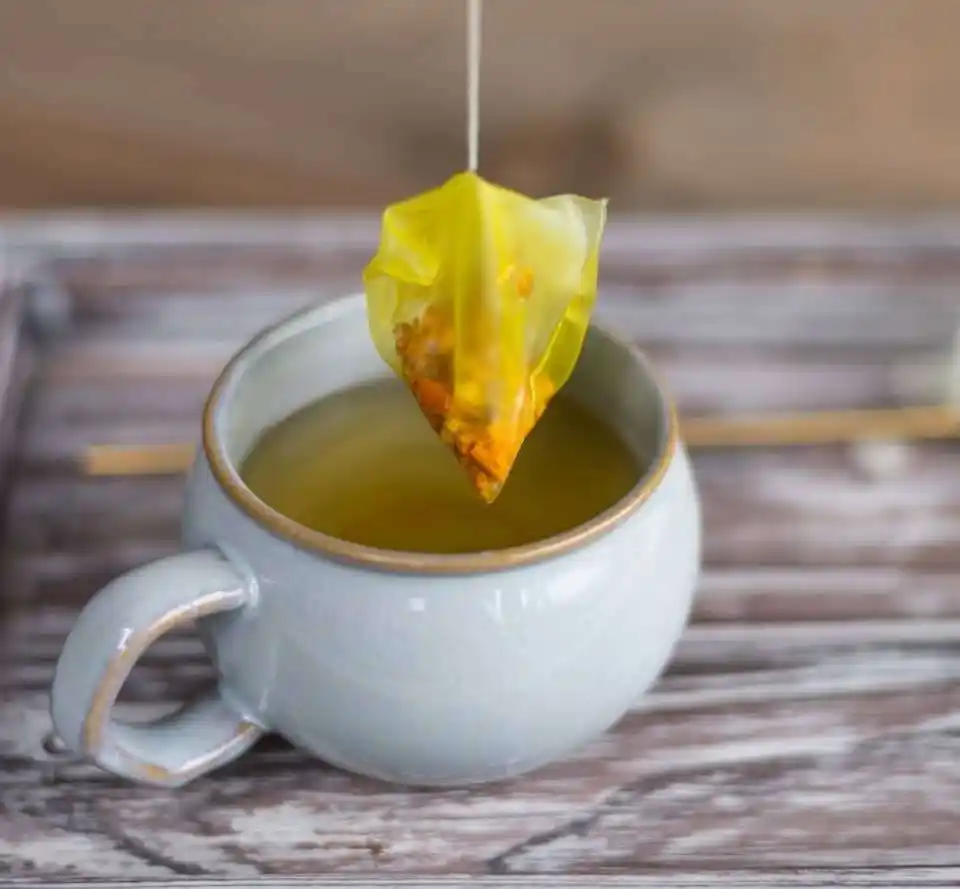
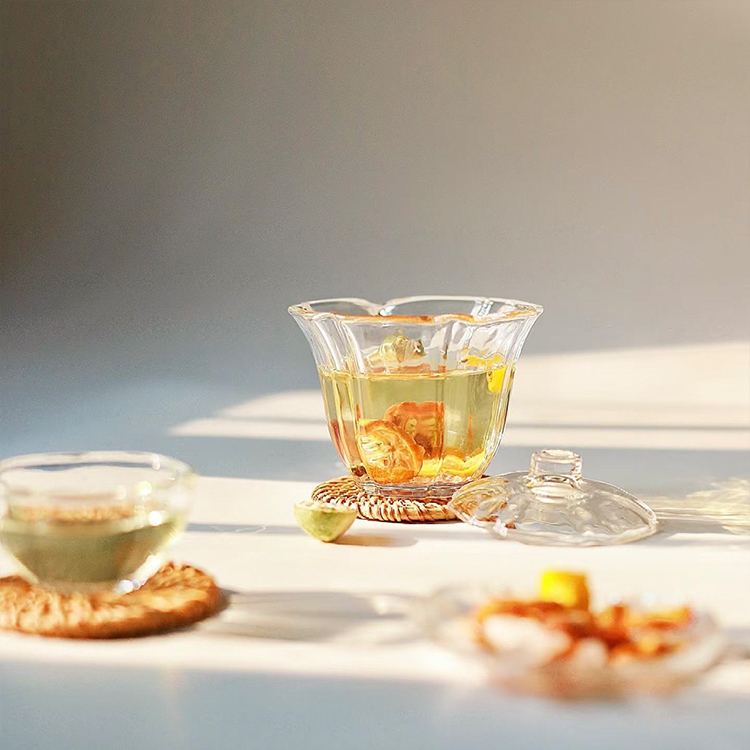
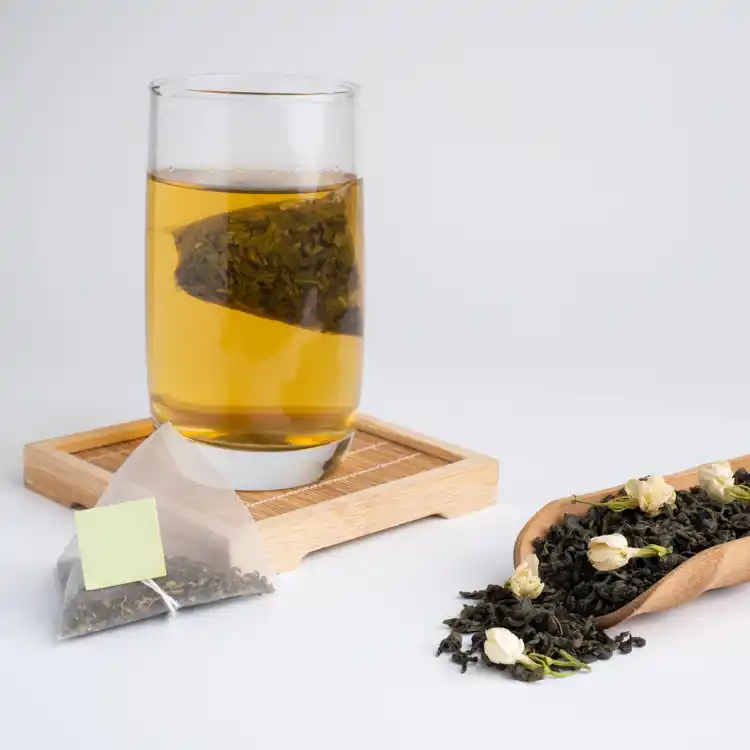
Chinese herbal tea bags are very simple at heart. They are TCM-based herbal slices and spices, packed into single-serve filter bags. Instead of cooking a full pot on the stove, your customer just drops one bag into hot water and waits a few minutes.
On the GuoCao site, the core raw material library is clear. The Chinese medicinal herbs and spices catalog covers roots, rhizomes, fruits, seeds, flowers, barks, animal and mineral items. All this sits on top of GMP TCM herbal slice lines, ISO 22000 food safety system, normal-temperature and cool storage, and third-party COA testing. GuoCao’s annual capacity reaches thousands of tons, so tea bag projects don’t easily hit supply walls.
From a TCM view, these tea bags still follow the classic idea:
balance Yin and Yang
move Qi and Blood
clear “heat” or “dampness”
support organs like liver, spleen, lung
From a modern product view, you’re building bagged infusions with a clear function: energy, digestion, sleep, stress, women’s daily care and so on.
A simple way to see the difference:
Type
Plant base
Main goal
Format
Black / green tea bags
Camellia sinensis leaves
Taste + mild caffeine
Small bags, fast brew
Western herbal tea bags
Single or simple mix herbs
Relax, light wellness
Bags or loose, often flavor first
Chinese herbal tea bags
TCM roots, flowers, fruits, spices
Concrete function + daily care
Single-serve bags with stronger formulas
Chinese herbal tea bags sit in the third line. Stronger story, deeper system, still easy for the user.
Key Chinese Medicinal Herbs for Functional Tea Bag Blends
GuoCao is a one-stop wholesale supplier. That matters. It means your tea bag formula can pull from all major TCM herb groups without jumping between ten vendors.
Fruit and Seed Chinese Medicines for Herbal Tea Bags
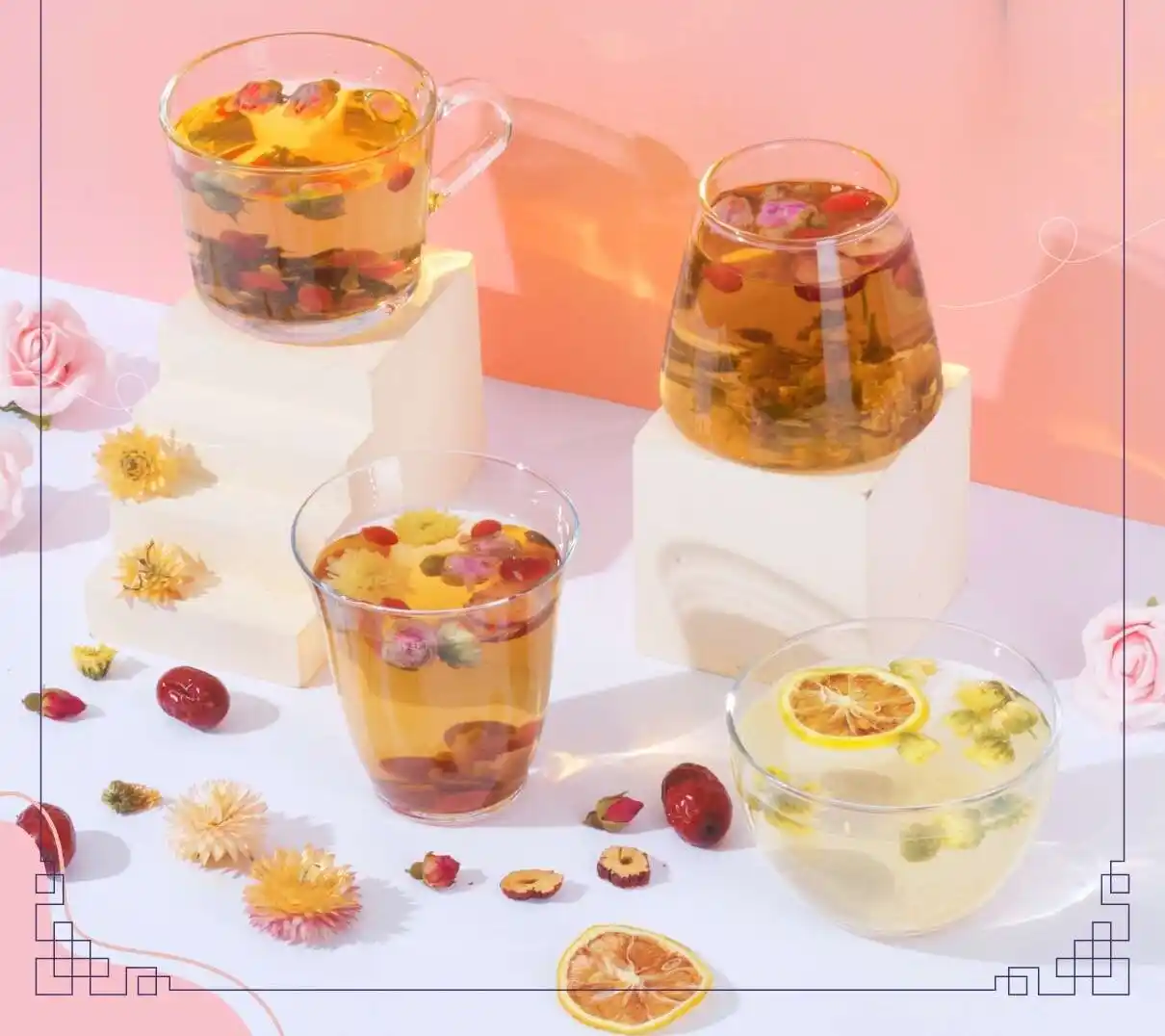
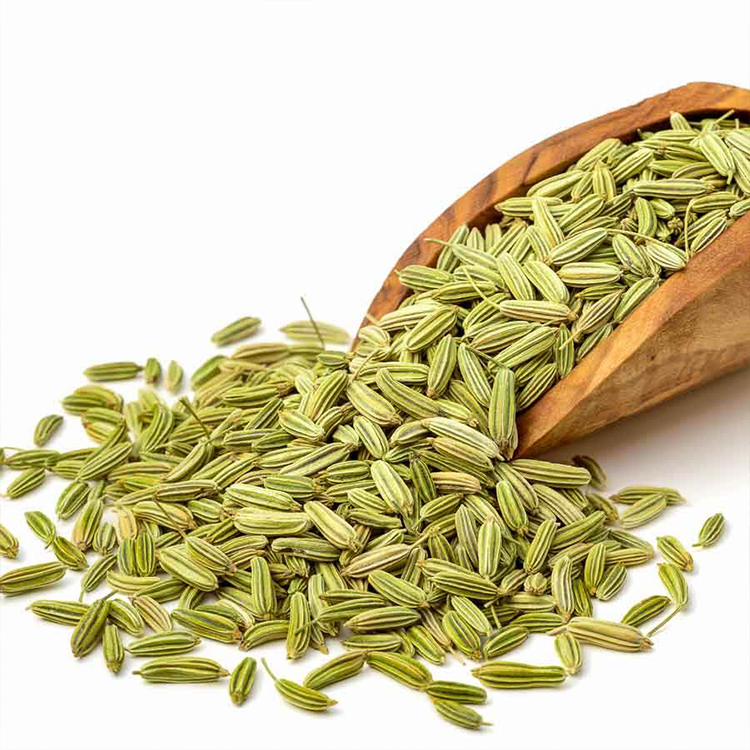
On the fruit and seed Chinese medicines page you’ll see items like goji berry, cassia seed, monk fruit, jujube and tangerine peel.
natural sweetness, rounder body, less harsh bitterness
Look and feeling
red goji or bright seeds in a see-through sachet make the product feel premium and alive
Because GuoCao already sells these to dietary supplement makers, functional drink brands and spice wholesalers, you stay close to “industry grade” supply, not hobby level stock.
So if your brand wants a summer cooling scene or a “screen time” eye comfort drink, this bucket is very handy.
Root and Rhizome Chinese Medicinal Herbs in Tea Bag Formulas
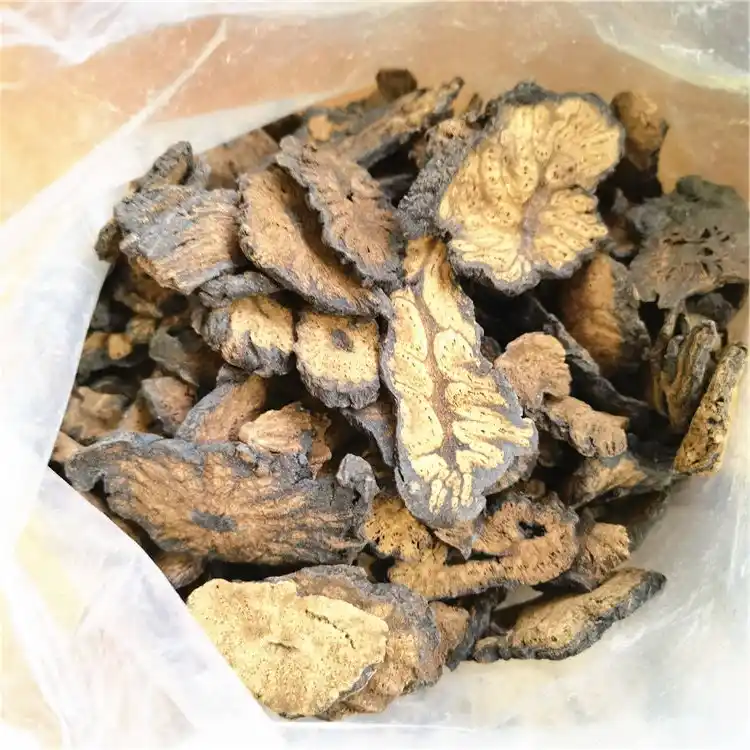
Then we come to the heavy hitters: ginseng, astragalus, dong quai, licorice, coptis, bupleurum, ginger and more. These sit in the root and rhizome Chinese medicines list.
On GuoCao’s GMP lines these roots get washed, sliced, dried, sometimes sulfur-free processed, and packed with full COA packs. This is where most functions live:
energy and endurance
immune support
liver and metabolic balance
women’s cycle comfort
gut harmony
When you design a functional tea bag, you usually stack herbs like this:
This table is not a strict rule. It’s a mental model. But once you think this way, the conversation with your OEM partner becomes faster and less painful.
Functional Tea Market Scenarios for Chinese Herbal Tea Bags
You dont need to chase every trend. Most successful Chinese herbal tea bag lines repeat a few classic scenes:
Energy and focus scene
office workers, drivers, long screen time
ginseng + astragalus + warming spices in bagged form
Sleep and relax scene
before bed, after late dinner
seeds, flowers, light sweetness, soft colour
Liver and metabolism scene
heavy food, alcohol pressure, night shift
bitter roots, citrus peel, some cooling flowers
Daily beauty and skin scene
young customers who want “glow from inside”
blood-moving and Qi-moving herbs, plus fruits
We can show it in a simple way (only example mapping, not real lab data):
Usage scene
Typical consumer goal
Example herb types
Tea bag angle
Energy & focus
Stay sharp but not over-caffeinated
Ginseng, astragalus, ginger
“Daytime stamina” infusions for work and study.
Sleep & calm
Fall asleep easier, relax body
Seeds, flowers, mild sweet fruit
“Night ritual” bags with soft taste and no caffeine.
Liver & metabolism
Feel lighter after rich meals or long nights
Bitter roots, citrus peel, cooling flowers
“After heavy day” sachets for busy adults.
Beauty & skin
Clearer look, less dullness
Blood and Qi support roots, red fruits
“Beauty drink” tea bags tied to daily skincare steps.
GuoCao’s Chinese herbal tea bags OEM page lists similar categories in plain words: energy boost, good night, women’s health, gout relief, night shift support and more. The point is simple: these are repeat orders scenes. Pharmacies, cross-border e-commerce and local retailers all understand them fast.
For a functional brand, this means you can design a line where each SKU solves a small but clear pain: tired, can’t sleep, heavy stomach, overworked liver, period discomfort. No fantasy story, just daily life.
OEM and ODM Chinese Herbal Tea Bags with GuoCao
GuoCao is not just a trader. It’s a global Chinese herbal manufacturer with GMP herbal slice lines, ISO 22000, temperature-controlled warehouses and third-party COA support. The company supplies pharmaceutical firms, health-food processors, hospitals, dietary supplement factories, functional beverage brands, cosmetic raw-material buyers and distributors worldwide.
From a functional tea brand view, that means:
one backend for bulk herbs, spices and tea bag blends
OEM / ODM support from raw material to finished bag
direct export to more than 30 regions including the US, Europe, Australia, Japan, Korea, Canada, Southeast Asia and others
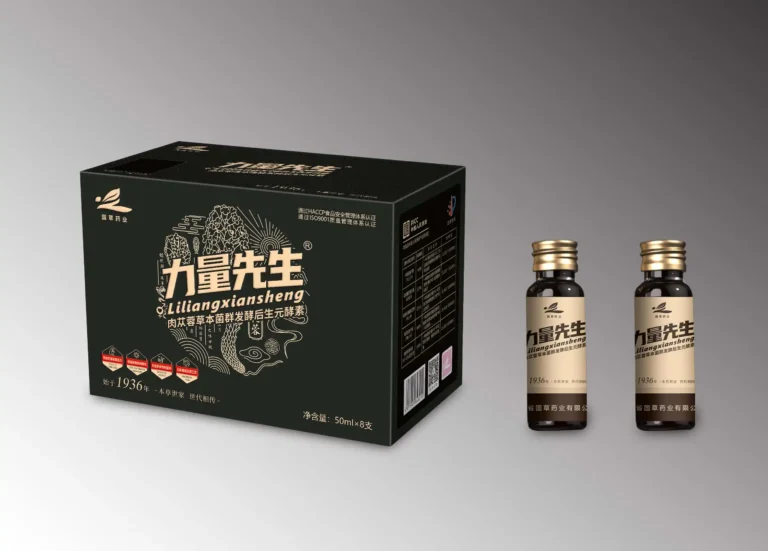
On top of herbs, GuoCao also runs herbal enzyme and fermentation products. So a single formula idea can live in both tea bag form and enzyme drink form, with shared sourcing and QC.
A typical project flow looks like:
You bring the benefit brief
e.g. “liver relief tea bag for night shift workers”, or “sleep tea for women in their 30s”.
adjust cut size, bag weight, brewing time, aroma; avoid too bitter or too bland.
QC package
COA, micro panel, heavy metal panel, sometimes pesticide check, depending on target country.
Final OEM / ODM output
bulk tea bag material or finished packed tea bags, ready for your label.
This is very “industry” style. Short path, clear steps, less guess work. Some labels will still tweak and iterate for a few rounds, that’s normal enviroment.
Quality Control, COA and Compliance for Chinese Herbal Tea Bags
Herbal tea bags look soft, but the backend is serious. Buyers and regulators now ask hard questions:
Is each batch traceable back to origin?
Do you have stable specs for moisture, ash, active markers where needed?
What about micro limits and heavy metals?
Does the COA set match the importing country?
GuoCao answers these with its GMP herbal slice lines, ISO 22000 system and third-party COA documents. The company runs normal and cool warehouses and gas-controlled storage, so sensitive herbs keep good quality. This is written right into their about us section.
For a functional tea brand this means you can:
hand over spec sheets and COA packs to your own QA team without shame
talk to regulators and big retail chains with real data, not wishful thinking
keep batch-to-batch consistency for flavour and function
When you do OEM or ODM work, you can also leverage GuoCao’s multi-category supply:
This full stack lets your QA and NPD team keep one language and one standard across many SKUs. It reduces vendor noise a lot, even if the word “noise” doesnt sound very romantic.
Commercial Value of Chinese Herbal Tea Bags for Functional Tea Brands
So, why should a functional beverage or dietary supplement brand even care about this format? Let’s boil it down.
Clear benefit stories
Chinese herbal tea bags connect TCM theory with modern health scenes. You can talk about sleep, liver balance, digestion, women’s comfort in a natural way.
Low-friction daily ritual
One bag, one mug. No cooking, no complex steps. This drives repeat purchase and fits office life, home, travel and even hotel room service.
Channel flexibility
Pharmacies, cross-border e-commerce, local tea shops, supermarkets, beauty stores, even clinics. All can carry a TCM-style tea bag line if backend docs are clean.
One backend, many front-end SKUs
With a partner like GuoCao, you rely on one herbal and spice supply chain, and roll out tea bags, enzyme drinks, maybe even raw-herb gift boxes. Same roots, different wrapping.
Brand authority
Working with a GMP, ISO 22000, COA-ready herbal manufacturer sends a strong signal to business buyers, hospitals, supplement factories and serious distributors. It says you respect standards, not only stories.
In short: Chinese herbal tea bags are not just cute little sachets. For functional tea brands, they are a structured way to enter the TCM world, test multiple health scenes, and scale globally with a real manufacturing partner.
GuoCao already supplies animal and mineral materials, roots and rhizomes, fruits and seeds, flowers, barks and spices to medical, health-food and cosmetic companies all over the world. With that base, building a strong Chinese herbal tea bag line is not a crazy leap. It’s simply the next logical step.
Our low MOQ of 1 kg (2.2 lb) makes it easy to order Chinese herbal slices or wholesale Chinese medicine herbs. Private-label and bilingual labeling are also available.
Delivery Cycle & Support
We have a fast 7-day lead time. We provide free samples, COA reports, and technical support to help you bring high-quality bulk Chinese herbs to market.
Quality & Certifications
Our products are manufactured in a GMP-certified facility and meet ISO22000 standards. All Chinese herbs are third-party tested for heavy metals, pesticides, and microorganisms.