You work with herbs. You need rules that won’t break on audit day. This piece stacks drug-path Chinese herbal products against U.S. dietary supplements—what you can claim, how you label, how you make, and what to prep when something goes wrong. I’ll keep it plain, short-winded, and practical. Tiny human-ish typos on purpose, so it doesn’t read like a bot wrote it.
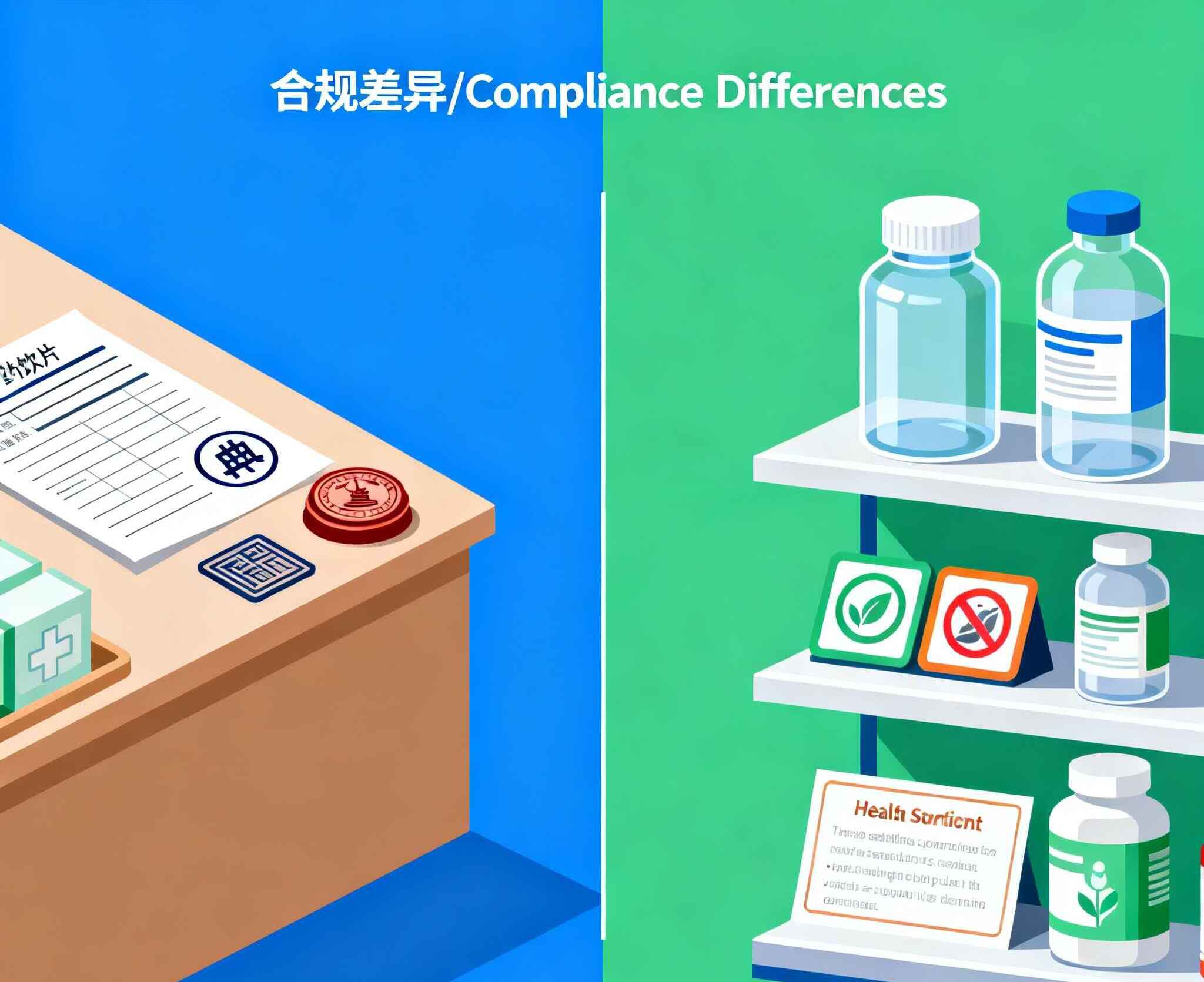
Regulatory Positioning: Drug (TCM) vs Food (Dietary Supplement)
Bottom line: legal status decides your burden.
TCM as Drug (China): You pursue registration and a package insert with approved indications, cautions, ADRs, dosage, and so on. It’s medicine; regulators expect pharmacopoeia standards and drug-level controls.
Botanicals as Supplement (U.S.): It’s a food category under DSHEA. You don’t ask FDA to pre-approve your finished product; you self-responsibly ensure safety, correct labeling, and cGMP. If your ingredient wasn’t marketed in the U.S. before 1994, you likely evaluate a New Dietary Ingredient (NDI) Notification.
Why you care: Drug path = indications allowed, drug GMP, controlled insert. Supplement path = no disease claims, 21 CFR 111 cGMP, structure/function claims (with a 30-day notice and a disclaimer).
21 CFR Part 111 cGMP vs Drug GMP (TCM)
Supplements (Part 111): You set specs for identity, purity, strength, composition, and contaminant limits. You keep Master Manufacturing Records (MMR), batch records, QC release, deviation/CAPA, complaint handling, returns, quarantine, the whole drill. TCM as drug: You operate to drug GMP and pharmacopeial monographs; your label and insert stick to the approval. Yes, you’ll run APQRs, stability, validated methods, change control. No, you can’t “wordsmith” benefits after approval.
GuoCao fit: Our lines run GMP herbal slices, ISO 22000 food safety, third-party CoA capability, and normal-temp/cool/controlled-atmosphere warehousing. Traceability is table stakes; we do that. We ship to 30+ countries and regions—so multi-jurisdiction docs aren’t scary. OEM/ODM? Yep.
Browse key categories to build your bill of materials:
(All links above stay on your site, no external jumps.)
Labeling & Claims: Structure/Function vs Indications
TCM Drug: The insert and outer pack carry the approved content—indications, contraindications, adverse reactions, cautions, dose, storage, MAH, batch/expiry. Post-market signals can force updates. It’s strict by design.
Dietary Supplement (U.S.):
Use Supplement Facts (not Drug Facts).
No disease claims. Stick to structure/function phrases like “supports immune function,” or to permitted health claims.
Keep your substantiation file ready (human data preferred), submit 30-day notification for structure/function claims after first marketing, and print the standard disclaimer.
Practical copy hack: Build a Claims Matrix sheet: exact wording, evidence folder path, 30-day notice date, labels where it appears, first-ship lot. When artwork changes, you won’t chase ghosts later.
Post-Market Safety: Pharmacovigilance vs MedWatch (AER)
TCM Drug: Drug-style pharmacovigilance. Signal detection, PSUR/APR, label changes if risks emerge.
Supplement: You must collect and report serious Adverse Event Reports (AERs) through MedWatch, keep records, and maintain a clean intake channel (email/phone/QR). If you don’t define it now, you’ll panic later. Not fun.
Recalls & Enforcement: FSMA Mandatory Recall vs Drug Measures
Supplements are foods. Under FSMA, FDA can push a mandatory recall if your product poses serious risk. You will usually be asked to do voluntary recall first, but the heavy tool exists. Have a Recall SOP with role matrix (QA lead, RA lead, PR), decision tree, lot scope rules (OOS/OOT logic), and templated comms for distributors and marketplaces.
China “Health Food” (SAMR Blue Hat) vs U.S. Supplement
These two look alike from far away, but they run different lanes.
China Health Food: catalog-driven functions, registration/filing, strict label placement rules for the blue hat mark.
U.S. Supplement: no label pre-approval; enforcement is post-market; claims live inside the structure/function or health-claim framework. If you sell the same herb in both markets, you’ll likely maintain two label sets and two evidence folders.
Comparison Table (tape this near your copy desk)
Dimension
Chinese Herbal Drugs (TCM—Drug Path)
U.S. Dietary Supplements (Food Path)
Legal status
Drug; approval required; insert/label fixed to approval
Food category; self-responsibility; NDIN when applicable
Manufacturing
Drug GMP; pharmacopeia methods; validated processes
File the 30-day notice after first marketing, store your substantiation (published studies, monographs, product tests).
Stand up AER intake (phone/email on label), train CS to triage serious vs non-serious.
Keep CoA for each lot. If an OOS hits, run CAPA that actually fixes root cause, not just “adjusted funnel.”
Where GuoCao helps: stable Chinese herbs & spices supply, third-party CoA, ISO 22000 process control, and OEM encapsulation/label art support via partners. You focus on brand and channel; we handle specs + consistency.
China scenario: Classic formula under drug path
You choose a classic TCM formula via drug route. You:
Prepare a registration package (formulation, pharmacopeia quality standard, safety/efficacy evidence including traditional use data where accepted).
Validate manufacturing; build process controls; set release specs mirroring the monograph.
Insert lists , contraindications, ADRs, warnings.
Operationalize PV (signal detection, literature monitoring).
Expect inspections against drug GMP.
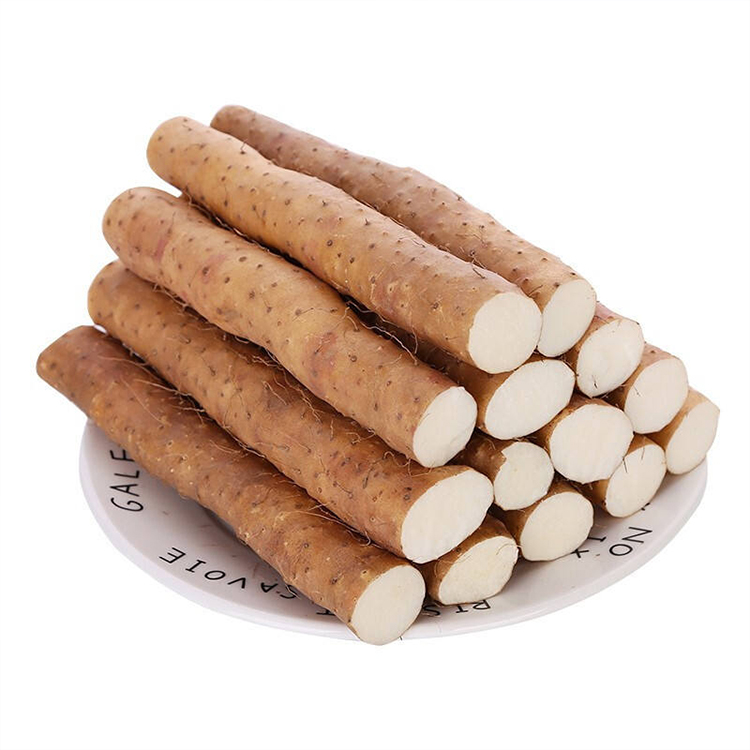
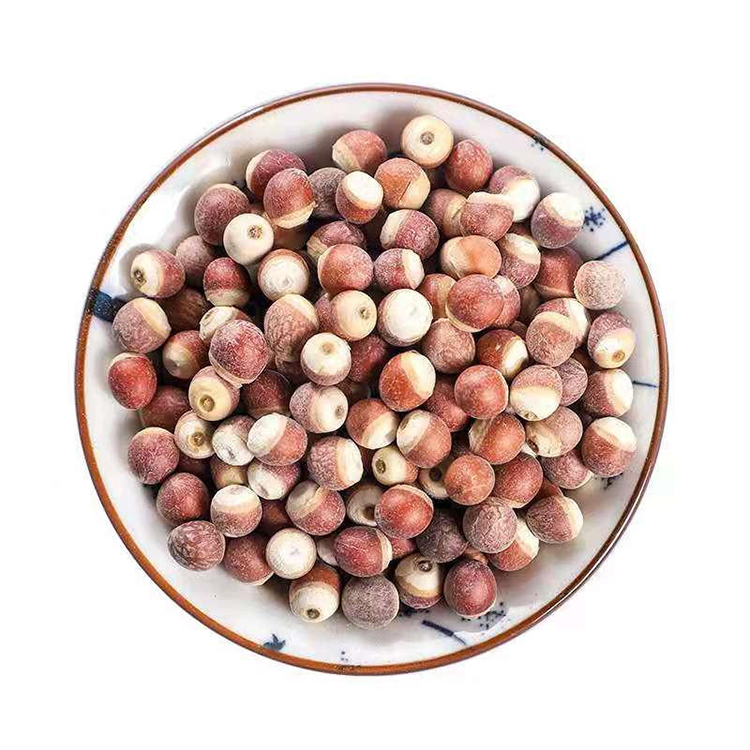
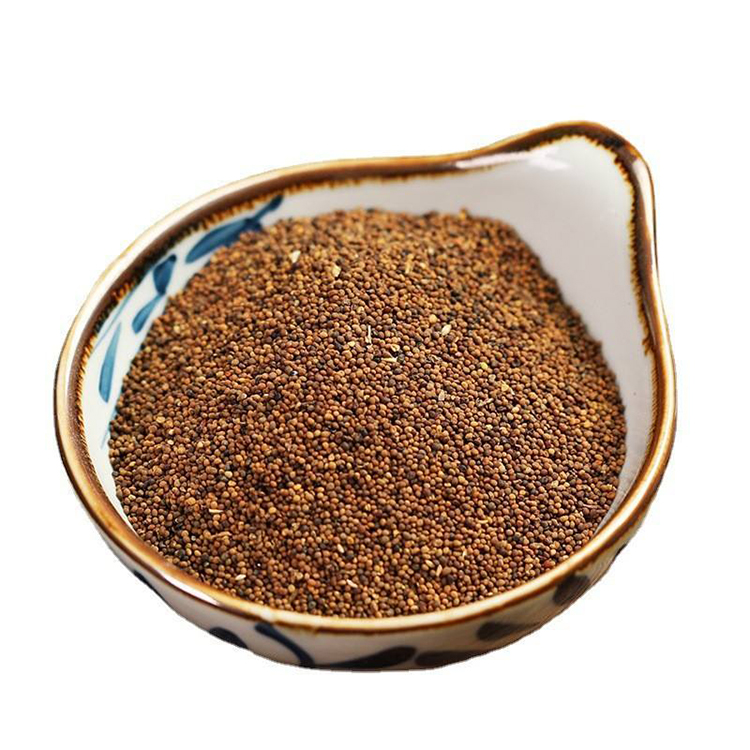
Where GuoCao helps:GMP herbal slice prep, flower & whole herbs and animal & mineral sourcing under GACP-style field controls, fruits & seeds selection, and validated cleaning to manage cross-contact. Need specific cut size or moisture window? OEM ready.
Recall playbook: decision tree, mock recall once a year (ya, do it), distributor contact cascade.
Content & SEO Alignment (so search engines get the point)
Your site positions as “Wholesale Chinese Medicinal Herbs and Spices Supplier – GuoCao.” The meta pitch is a one-stop wholesale hub for animal & mineral, roots & rhizome, fruits & seeds, flowers & whole herbs, and barks. Keep those phrases alive in H2/H3, body copy, and alt text. Keep internal links tidy:
Spices for beverage, functional food, and flavor houses.
Our low MOQ of 1 kg (2.2 lb) makes it easy to order Chinese herbal slices or wholesale Chinese medicine herbs. Private-label and bilingual labeling are also available.
Delivery Cycle & Support
We have a fast 7-day lead time. We provide free samples, COA reports, and technical support to help you bring high-quality bulk Chinese herbs to market.
Quality & Certifications
Our products are manufactured in a GMP-certified facility and meet ISO22000 standards. All Chinese herbs are third-party tested for heavy metals, pesticides, and microorganisms.