You want to sell herbal products in the U.S. without headaches. Fair. This guide walks you through the real rules that matter day one—DSHEA, labeling, claims, NDI, Part 111 cGMP, adverse events, plus advertising. I’ll keep it plain, practical, and rooted in how a plant-based SKU actually moves from sourcing to label to shelf. I’ll also show where GuoCao fits to lower friction on specs, documentation, and OEM/ODM scale-up.
Dietary Supplement Labeling Guide (FDA): Statement of Identity, Net Quantity, Supplement Facts, Ingredients, Firm Address
The five must-haves on label
Statement of identity (what it is).
Net quantity of contents.
Supplement Facts panel.
Ingredients list (other ingredients too).
Name and address of manufacturer/packer/distributor.
Put them on the retail container. Keep typography and placement compliant. No guesswork.
Identity and naming Use common name and Latin binomial when you can. Match your COA and spec. If the product uses an extract, disclose that in the panel, not buried in prose.
Supplement Facts Plant Part Requirement (botanical specificity)
Botanicals are special. In the Supplement Facts line item, show the part of plant: root, leaf, seed, bark, flower, whole herb, etc. Example:
Turmeric (Curcuma longa) — root extract … 500 mg Standardized to curcuminoids 95% Other ingredients: Hypromellose (capsule), rice flour.
Keep the serving size, amount per serving, any standardization, and %DV (if applicable) aligned to 21 CFR 101.36 formatting logic. If you list a proprietary blend, disclose total weight and the components in descending order.
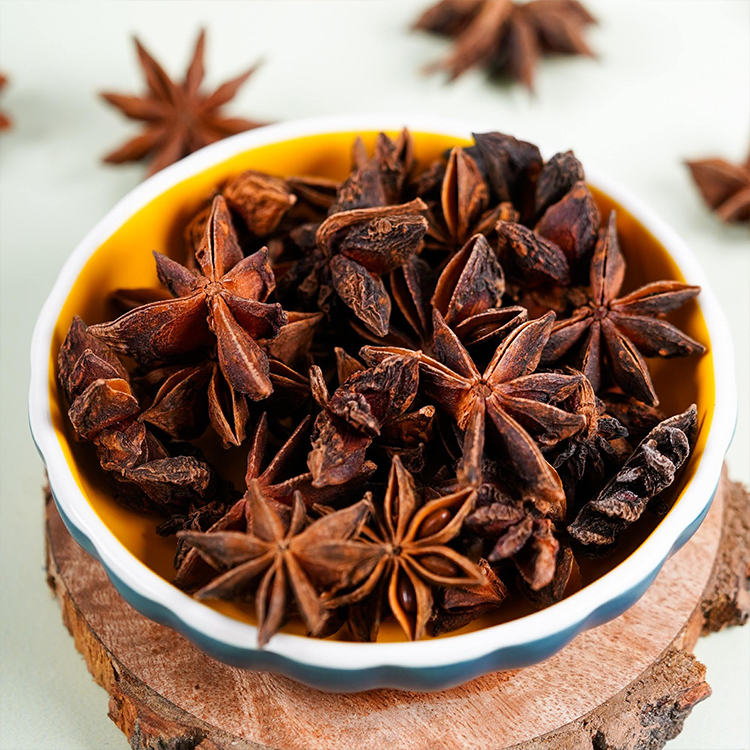
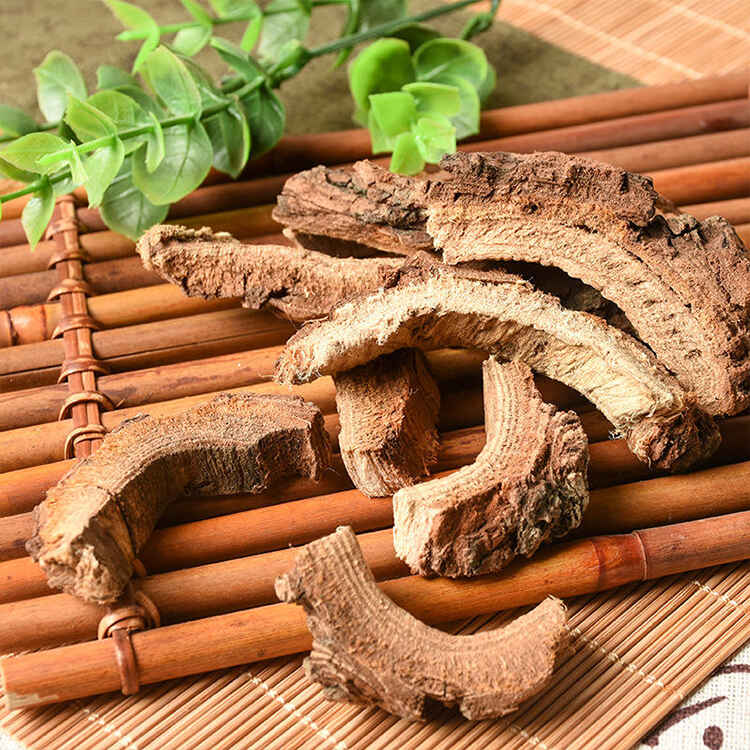
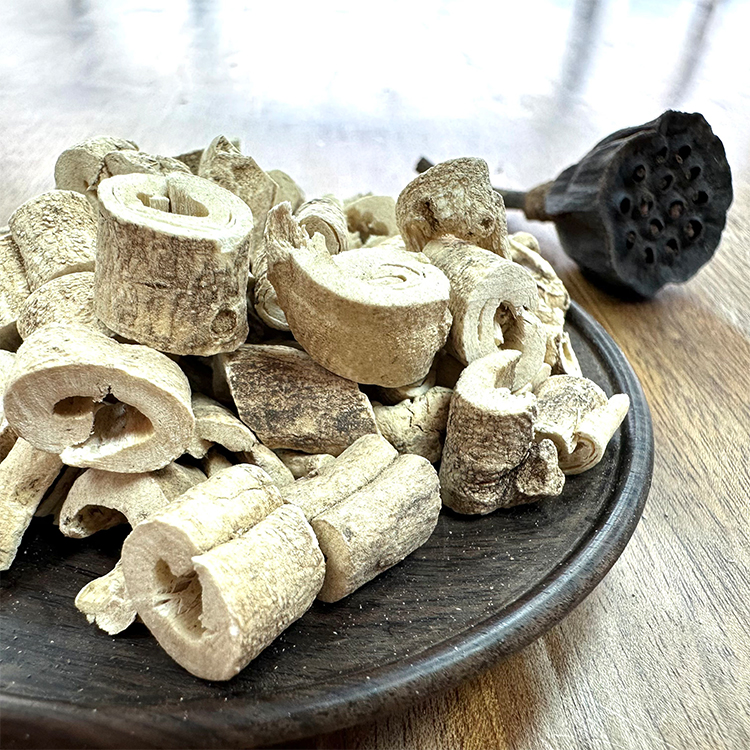
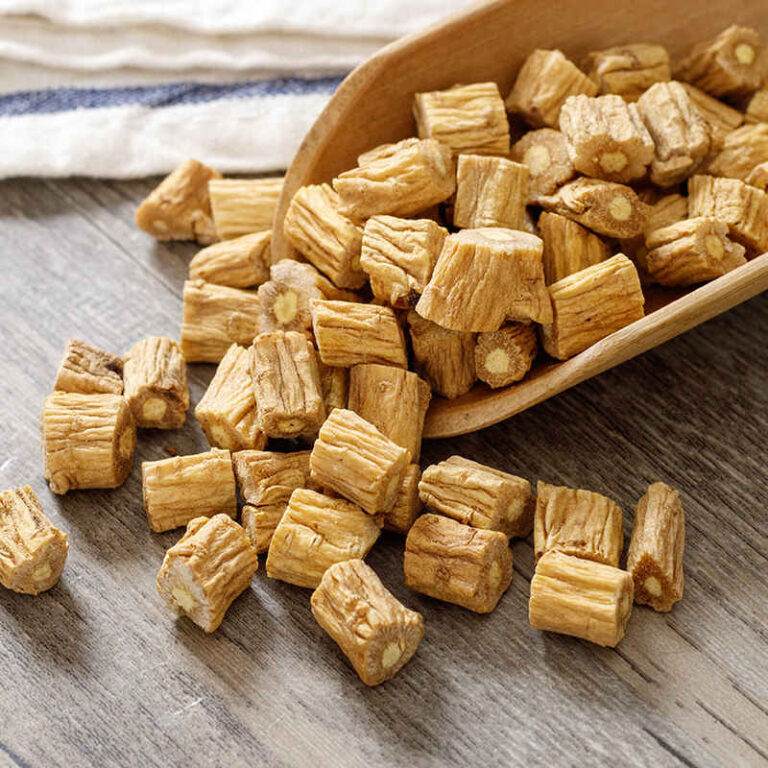
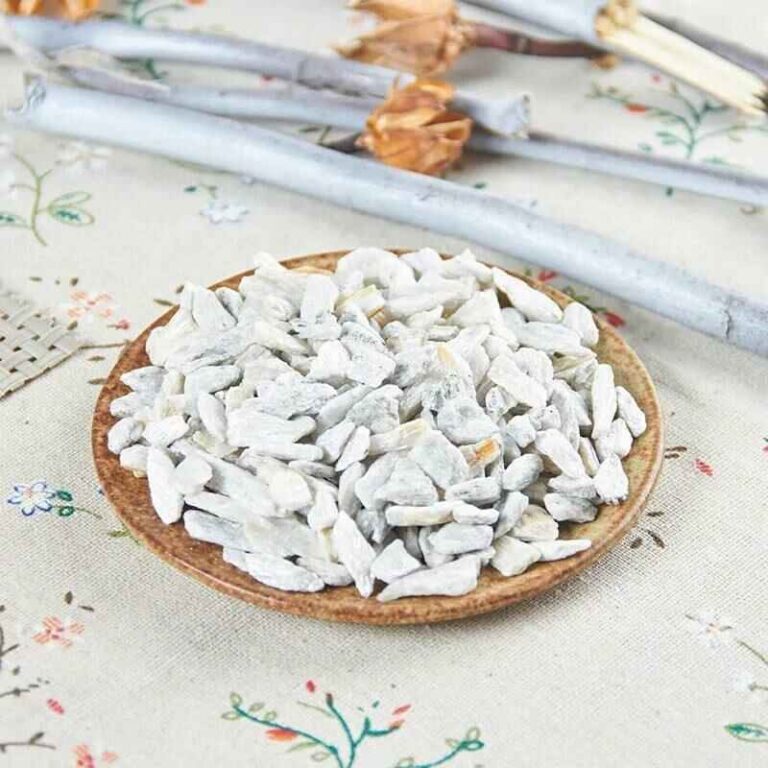
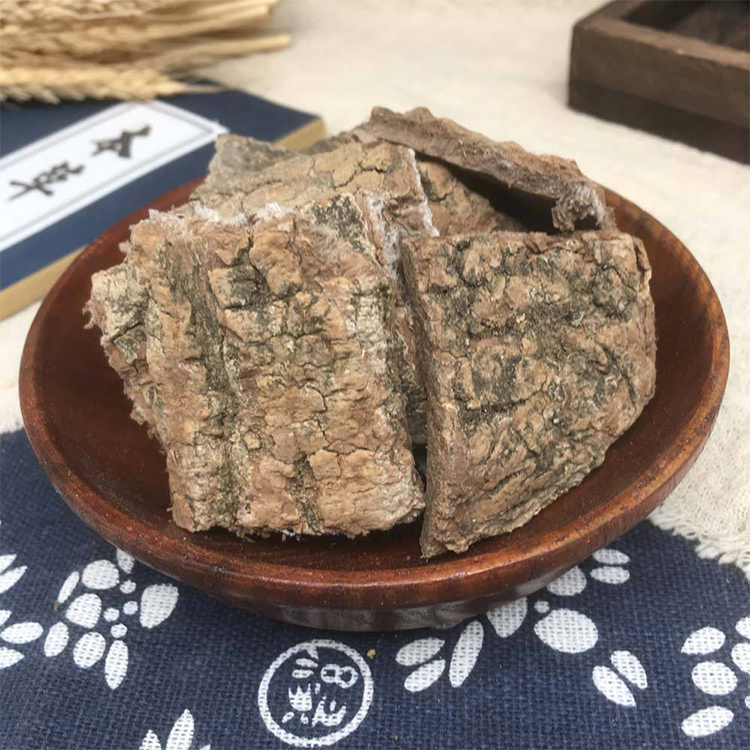
Traceability hack Make plant part obvious at sourcing. GuoCao’s categories already map by morphology, which simplifies label drafting and receiving checks:
(Internal links only. No external links in this piece.)
Structure/Function Claims 30-Day Notification and DSHEA Disclaimer
You can say “supports immune health” or “helps maintain joint comfort.” You can’t say “treats arthritis” or “prevents influenza.” Those are disease claims and push you into drug land.
Two actions for every structure/function claim:
Add the DSHEA disclaimer on the label: “This statement has not been evaluated by the Food and Drug Administration. This product is not intended to diagnose, treat, cure, or prevent any disease.”
Notify FDA within 30 days of first marketing the SKU with that claim.
Team workflow that actually works
Build a Claims Matrix per SKU: exact phrasing → evidence package → DSHEA disclaimer → date of first sale → 30-day notice sent (yes/no).
Keep a substantiation file with human data where possible; include dosage rationale tied to your labeled directions.
Train marketing on red-flag verbs (treat, cure, prevent, mitigate). Replace with support, maintain, promote, help.
New Dietary Ingredient (NDI) Notification — 75-Day Rule
If your botanical wasn’t on the market as a food or supplement before Oct 15, 1994, or it has been chemically altered (think novel solvent, atypical extract ratio, enriched fraction), you likely have a New Dietary Ingredient.
What that means You submit an NDI Notification to FDA at least 75 days before interstate marketing. The core of that file: identity, manufacturing, composition, specifications, proposed use, daily intake, and safety evidence (tox, human, history of use). No shortcuts here.
Fast triage for your portfolio
Pre-DSHEA plant, traditional prep → often no NDIN (still document identity and safety).
Blends with a new fraction → treat as NDI unless clearly exempt.
Why loop GuoCao in early We can support composition narratives and method details that make your dossier tighter. Our third-party COA capability (heavy metals, pesticide residues, micro), plus clear spec sheets and lot genealogy, helps your safety argument land clean.
21 CFR Part 111 cGMP for Dietary Supplements — MMR, BPR, QC Release
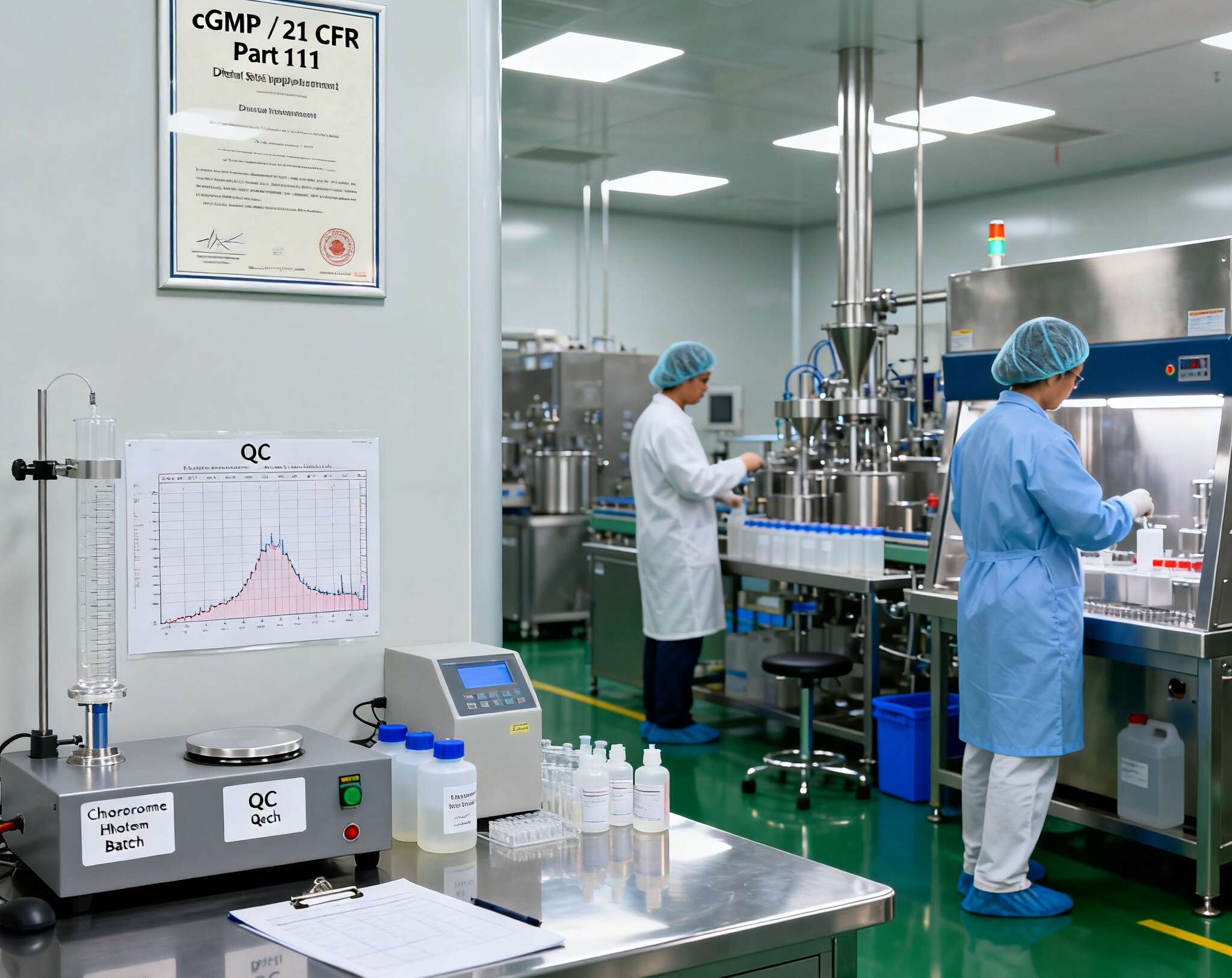
Part 111 is the operating system for your plant and your partners. It covers manufacturing, packaging, labeling, and holding of dietary supplements.
Core documents you need ready on day one
MMR (Master Manufacturing Record): the recipe and process, step by step.
BPR (Batch Production Record): proof you followed the MMR for a specific lot.
Specifications: components, in-process controls, finished product, and packaging.
Quality Unit: independent release/hold authority.
Retains and stability: keep retain samples and monitor intended shelf life.
Deviation/CAPA: close the loop, don’t just file it.
Botanical realities
Incoming ID testing: use macroscopic, microscopic, and chemical ID where needed. For complex extracts, add marker compounds or fingerprints (HPLC, TLC).
Supplier qualification: audit, questionnaire, COA trend review, certificates on allergens, irradiation, GM status, etc.
Line clearance and label reconciliation: stop mix-ups before they ship.
21 CFR Part 111 Subpart M — Holding and Distribution
Subpart M expects you to protect quality during storage and distribution. Document conditions (ambient, cool, moisture control), packaging integrity, and transportation practices. GuoCao runs ambient/cool/atmosphere-controlled warehouses, which line up with Subpart M expectations. That makes your downstream hold-and-release faster and calmer.
Serious Adverse Event Reporting — 15 Business Days
You must list a U.S. address or phone on the label for consumers to report adverse events. If a serious adverse event occurs and reaches your “responsible person,” submit to FDA no later than 15 business days. Keep records and send follow-ups as new information arrives.
Practical build
AER SOP with intake script, triage criteria, and escalation.
Link complaints to lots (genealogy) so you can assess scope in hours, not weeks.
MedWatch submission workflow, plus a one-year follow-up timer.
FTC Health Products Compliance Guidance — Advertising Substantiation
Labels are FDA. Advertising is FTC. Health-related claims in ads must be truthful, not misleading, and backed by competent and reliable scientific evidence. Human data wins. Qualify limitations clearly and conspicuously. No micro-font magic.
Daily habit
Keep a shared evidence library mapped to each claim.
Refresh creative reviews on a set cadence.
Train affiliates and retailers; their ads can still bite you.
Botanical Drug Development vs. Dietary Supplement — Disease Claims Trigger Drug Path
If your copy says the herb treats, prevents, or cures a disease, that’s a drug claim. Then you’re on the botanical drug path (IND/NDA). Most supplement brands don’t want that. So keep your language in the structure/function lane, and keep your evidence file tight for that scope.
Herbal Sourcing, Plant Part, and Specification Strategy — GuoCao Use Cases
Why sourcing structure matters The fastest way to blow a label is to lose the plant part or mismatch Latin binomial. Start at intake with materials labeled by part and origin. GuoCao’s catalog layout helps you do that without thinking:
Factory and QA backbone GuoCao operates GMP herbal slice production lines with ISO 22000 food safety management. We maintain ambient/cool/MAP warehousing, support third-party COA testing, and keep retain samples for traceability. Annual capacity reaches 2,500 tons. OEM/ODM and functional beverage fermentation are live. Products ship to 30+ countries and regions—U.S., EU, Australia, Japan, Korea, Canada, Southeast Asia—serving supplement brands, beverage formulators, hospitals, cosmetic raw buyers, and distributors.
What that means for your file room
Faster supplier qualification and less back-and-forth on specs.
Cleaner identity testing because the part-of-plant is unambiguous.
Smoother DSHEA claim substantiation since lot-to-lot quality is stable.
Better Part 111 audit readiness through complete SOPs, MMR/BPR, CAPA, and release logs.
Clear AER tracebacks thanks to lot genealogy and retains. Not perfect english here, but the operations and docs will feel tight.
Compliance Checklist (Herbal SKUs)
Step
What to include
Pass/Fail rule
Records
Product identity
“Dietary Supplement” on PDP; common + Latin name
No disease terms on PDP
Final artwork, legal sign-off
Supplement Facts
Plant part shown; serving size; extract info; %DV (if any)
Our low MOQ of 1 kg (2.2 lb) makes it easy to order Chinese herbal slices or wholesale Chinese medicine herbs. Private-label and bilingual labeling are also available.
Delivery Cycle & Support
We have a fast 7-day lead time. We provide free samples, COA reports, and technical support to help you bring high-quality bulk Chinese herbs to market.
Quality & Certifications
Our products are manufactured in a GMP-certified facility and meet ISO22000 standards. All Chinese herbs are third-party tested for heavy metals, pesticides, and microorganisms.