Just How to Prevent Odor Transfer in Bark Natural Herb Storage
Bark natural herbs do not fall short quietly. They soak up odors, shed volatile oils, pick up dampness, and subject weak storage self-control long prior to a COA informs the buyer anything. Here is the blunt storage system significant herbal providers must use.
I’ll state the peaceful part out loud: most herb storage space failures are not caused by unique chemistry, bad luck, or “seasonal variation.” They occur because somebody placed fragrant bark, sulfur-heavy products, sharp seasonings, damp cartons, and reused sacks right into the exact same airspace and claimed the cover would certainly conserve them.
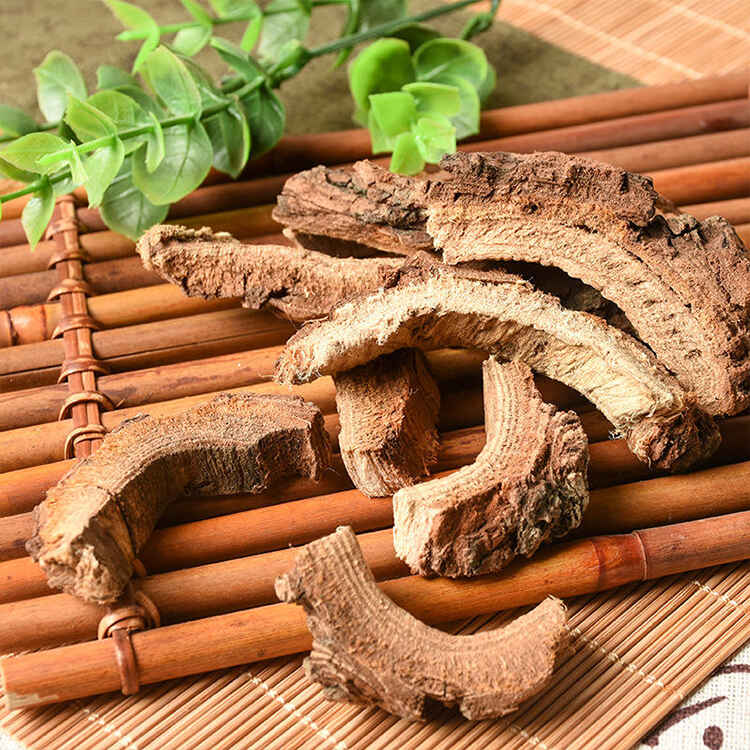
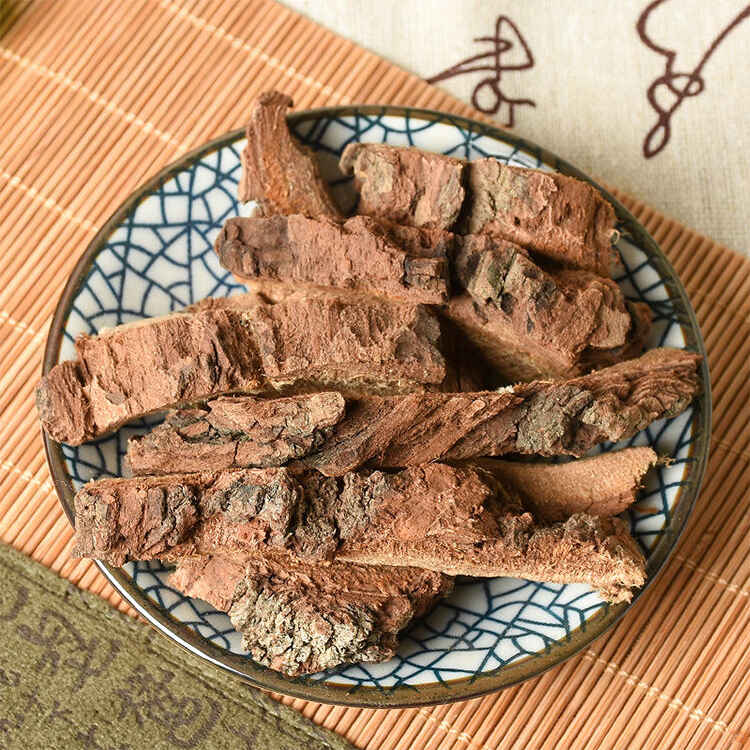
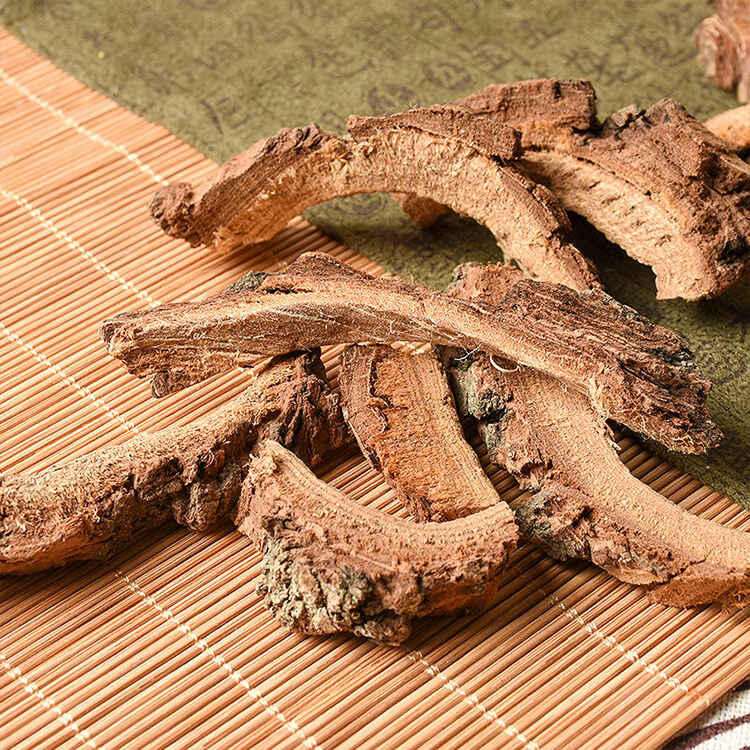
Bark herbs are not neutral blocks of plant material. They have volatile oils, tannins, alkaloids, lignin-rich fibers, and porous surface areas that act like little smell traps. Cinnamon Bark/ Rou Gui, Magnolia Bark/ Hou Po, Eucommia Bark/ Du Zhong, Phellodendron Bark/ Huang Bai, Mulberry Origin Bark/ Sang Bai Pi, and Eleutherococcus Bark/ Wu Jia Pi all rest inside the broader Barks Chinese Medicines category, where cut style, drying out, packaging, and warehouse partition make a decision whether the batch smells clean or like yesterday’s clove spill. GuoCao’s bark classification checklists Cinnamon, Eucommia, Magnolia Bark, Phellodendron, Mulberry Root Bark, and Eleutherococcus Bark among its bark materials.
So what actually transfers?
Not “smell” in an unclear lifestyle-blog sense. We are talking about volatile natural substances: cinnamaldehyde, C ₉ H EIGHT O, from cassia bark; eugenol, C ₁₀ H ₁₂ O TWO, from clove-like aromatics; menthol, C ₁₀ H ₂₀ O, from minty materials; sulfur notes from fumigated or badly segregated great deals; and stuffy geosmin-like warehouse odors from wet cartons, musty pallets, or severely dried agricultural supply.
The tough reality? A set can pass identity screening and still stop working the purchaser’s nose.
Table of Contents
The Market Mistake: Dealing With “Dry” as “Safe”
Dry does not suggest steady.
The FDA’s Risk Account on Pathogens and Dirt in Spices was created due to the fact that proof raised questions regarding whether existing controls sufficed to reduce health problem from infected seasonings; FDA lists microbial risks, dirt, mitigation choices, and information voids as component of that risk testimonial.
That matters for natural herb storage space since odor transfer rarely travels alone. If a storeroom scents wrong, I think three things up until tried and tested otherwise: air exchange is unchecked, packaging is under-specified, and moisture has had much more liberty than the SOP confesses.
Public Wellness Ontario’s spice study reported that between 1970 and 2003, 21 united state seasoning remembers involved 12 spice types, and Salmonella accounted for 95% of those documented recalls; it also noted European signals and Canadian remembers tied to dried herbs and spices. That is not “kitchen facts.” That is an advising regarding low-moisture products being in weak control systems.
And of course, odor transfer is a quality concern prior to it becomes a security concern. However specialist buyers know the pattern: when fragrance control is sloppy, set separation, bug control, moisture logging, and packaging validation are generally sloppy as well.
The Chemistry Behind Smell Transfer in Bark Herbs
Bark is woody, irregular, and persistent. That is exactly why buyers like it.
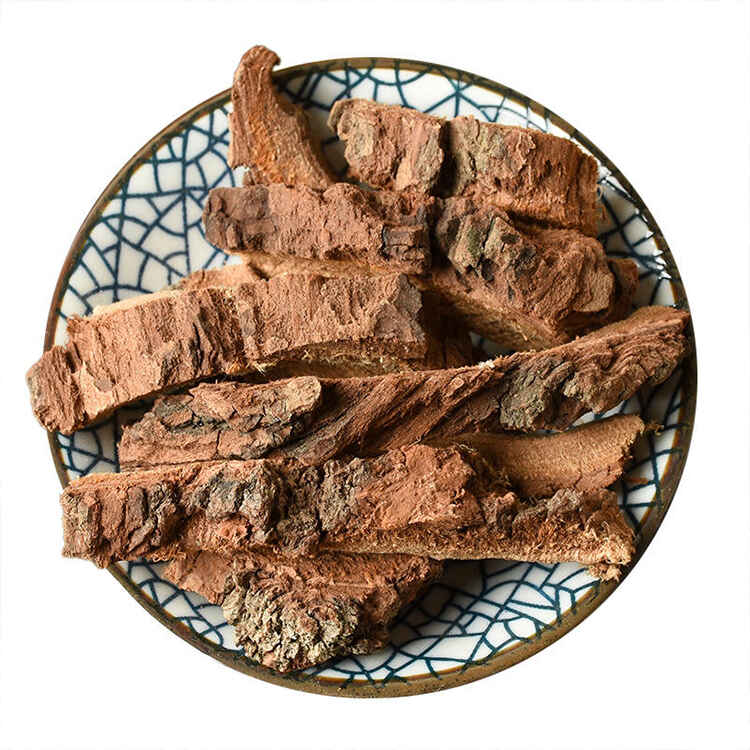
Yet that very same structure creates risk. Bark slices and strips have cracks, rolled sides, fibrous joints, and revealed interior surfaces. A thin slice has even more revealed surface than a piece. A strip can catch dirt. A crinkled quill can hold a pocket of foreign smell. And a damaged carton can transform one sharp-smelling whole lot into the informal perfume of the entire shelf.
GuoCao’s bark-format overview makes a useful difference: slices are much better for visual acknowledgment and moderate removal speed, strips often benefit tea blends, and portions can be better for toughness and bulk storage. That layout selection is not aesthetic; it influences dirt, damage, removal, and warehouse stability.
Ask on your own this: if a buyer opens up a 25 kg container of Magnolia Bark and scents cinnamon, who spends for the description?
The 4 Smell Transfer Routes I See
Airborne transfer: volatile substances relocate through shared stockroom air, particularly in warm rooms.
Product packaging permeation: weak plastic enables aroma molecules to move in or out.
Get in touch with transfer: sacks, pallets, linings, scoops, bins, and blending tables carry residual smell.
Moisture-assisted transfer: H ₂ O increases aroma flexibility, encourages clumping, and makes stale odors louder.
The Queensland DPI herb-packaging study is the kind of information storage groups should tattoo on their getting forms. After 6 months, lemon myrtle kept in standard LDPE packaging lost 87% of significant volatiles, compared to 58% in PVDC-coated PET/CPP and 23% in PET/PET/Foil/ LLDPE; GC-MS was used to keep track of the unstable substances.
That is not a little product packaging distinction. That is the distinction in between “fresh aromatic bark” and “why does this scent flat?”
Storage Space Threat Matrix: What Really Functions
Below is the blunt comparison I utilize when evaluating herb storage space systems.
Storage space Control
What It Stops
Best Usage Situation
Weak Point
My Professional Take
Glass containers with closed lids
Smell access, oxidation, wetness pick-up
Retention examples, lab requirements, small costs great deals
Heavy, breakable, inadequate for mass export
Excellent for examples, not reasonable for pallet-scale storage space
HDPE inner bags
Wetness direct exposure, dust, some odor contact
Bulk bark natural herbs, stockroom hosting
Not a complete scent obstacle
Excellent standard, but insufficient for solid aromatics
PET/PET/Foil/ LLDPE laminate
Unpredictable loss, odor transfer, light exposure, O two exposure
High-aroma bark, export whole lots, long storage
Greater packaging expense
Worth it for cinnamon, clove-adjacent, and premium bark products
Kraft bag just
Physical handling, inexpensive packing
Short regional motion, non-aromatic low-risk items
Poor odor obstacle, poor moisture confidence
Penalty for economical logistics; weak for severe natural herb storage
Vacuum cleaner bag
O two reduction, scent retention, dampness control
Small sets, private label, high-value samples
Can crush fragile pieces
Strong alternative when appearance damage serves
Set apart smell areas
Cross-aroma contamination
Cinnamon, clove, pepper, mint, sulfur-risk lots
Needs storage facility discipline
Non-negotiable for professional natural herb storage space
The SOP I Would Certainly Impose Before Accepting a Bark Natural Herb Shipment
First, I would quit creating purchase orders that say “clean smell.”
That expression is worthless. Tidy compared with what? A neutral control sample? A preserved pre-shipment sample? A buyer-approved aroma panel? A GC-MS account? A distributor who can not define odor approval will eventually ship a batch that scents like another client’s formula.
For Cinnamon Bark/ Rou Gui, the threat is noticeable because the product itself is strongly aromatic; GuoCao identifies it as Cinnamomum cassia, Rou Gui, cassia bark, and Chinese cinnamon, with dried bark type and a wonderful, cozy, spicy account.
Yet weak bark herbs require stricter defense, not looser defense. Why? Because a light-aroma bark reveals contamination faster. Magnolia Bark with pepper notes. Eucommia with cardboard smell. Phellodendron with camphor drift. These are not harmless peculiarities; they are industrial issues.
A Practical Bark Natural Herb Odor-Control SOP
Utilize this:
Classify every whole lot by odor intensity Grade A: solid aromatic bark and seasonings. Quality B: modest fragrant bark. Quality C: neutral or low-aroma bark. Quality D: suspect odor, sulfur-risk, damp-risk, or quarantine stock.
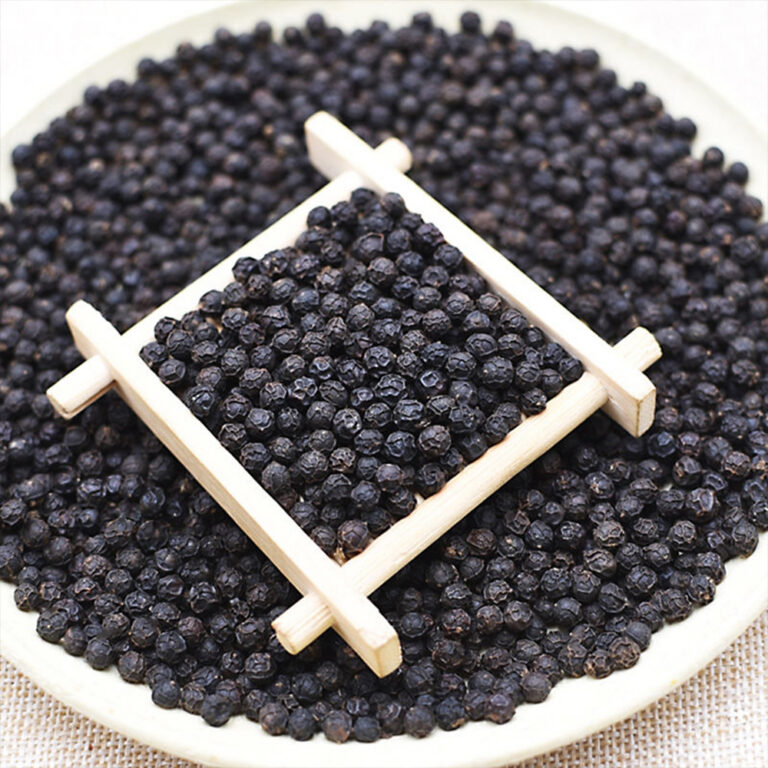
Never ever save Grade A with Quality C Cinnamon, clove, white pepper, black pepper, Tsaoko, bay leaf, and various other strong products belong in a different odor zone from low-aroma bark herbs. GuoCao’s Dried Spices group consists of high-aroma products such as clove, black pepper, white pepper, bay leaf, Tsaoko, and cinnamon bark, which should not delicately share airspace with neutral bark lots.
Control RH prior to arguing regarding packaging Maintain the storage zone dry, logged, and boring. A target of 45– 60% loved one moisture is a lot more defensible than vague “cool and dry” language, while high-risk export lots should cause a tighter interior limit and desiccant review.
Use dual containment for bark natural herbs Internal food-grade lining. Outer carton or drum. For high-aroma or long-transit goods, use foil laminate or vacuum-compatible barrier product packaging.
Decline recycled sacks and secret pallets Reused product packaging is where odor transfer hides. It saves cents and destroys trust.
Run a 24-hour closed-jar odor check Put a representative example in a clean glass container for 24 hours at area temperature. Open up and analyze against the maintained example. Quick. Affordable. Extremely useful.
Paper storage adjacency A storage facility map need to reveal what sits alongside what. If your team can not prove cinnamon did not sit close to Magnolia Bark, the buyer is not being tough. The purchaser is awake.
Regulative Stress Is Approaching Better Evidence
The legal requirement is not “we implied well.”
Under 21 CFR § 117.80, raw materials and ingredients have to be stored under conditions that secure versus irritant cross-contact, contamination, and damage; mass dry ingredients should also be held in a manner in which safeguards against contamination.
For nutritional supplement manufacturing, 21 CFR § 111.365 requires safety measures to prevent contamination, consisting of controls versus microbial development, humidity control, water task control, testing when needed, tidy get in touch with surface areas, and partition or identification of containers and batches.
This is where smell transfer becomes greater than a scent grievance. If a provider can disappoint partition, container identification, moisture records, and product packaging logic, the buyer’s top quality group will certainly read odor drift as a signs and symptom of weak holding controls.
Reuters reported in May 2024 that Indian seasoning manufacturer MDH had actually seen an average 14.5% of its united state shipments rejected since 2021 because of microorganisms, which 13 of 65 shipments, regarding 20%, were denied between October 2023 and May 3, 2024 after checks for Salmonella. The companies cited in the report claimed their items were risk-free.
That situation is not about bark natural herbs specifically. It has to do with the profession reality around organic active ingredients: regulatory authorities, importers, and merchants are much less patient currently.
Wetness, Mold, and Smell: The Triangular Nobody Intends To Discuss
Right here is the hideous series.
A bark herb leaves the clothes dryer slightly uneven. The external surface area feels completely dry. The inner fiber still holds moisture. The whole lot goes into a weak liner, after that into a container, then right into a mixed-aroma stockroom. Three weeks later, the carton smells flat, sour, or чужой– foreign, not belonging.
A 2023 research study on flavors saved under 25 ° C and 65%, 75%, and 85% family member humidity discovered that product packaging and moisture affected Aspergillus matter, fungal count, dampness, phenolics, and aflatoxin end results; the highest aflatoxin number cited in the research was 3.33 ppb in red chilies saved in hemp product packaging at 85% moisture, while HDPE at 65% RH executed much better.
So yes, smell transfer avoidance is additionally moisture administration.
And I do not rely on any supplier that speaks about “impermeable herb storage containers” however can disappoint dampness requirements, finished-product water task logic, or post-drying hold time.
For customers sourcing wider Standard Chinese Medicine herbs and spices, the storage space question need to be category-specific. GuoCao’s complete item variety covers over 100 selections throughout barks, roots, rhizomes, fruits, seeds, blossoms, whole natural herbs, pet and mineral medicinals, and fragrant seasonings; that selection makes storehouse zoning more vital, not much less.
The Purchaser Checklist for Odor-Proof Herb Storage
Utilize this before you accept a vendor.
Request the Packaging Specification
Do not accept “bag” as a response. Request material framework: HDPE, LDPE, PET/AL/PE, PET/PET/Foil/ LLDPE, paper-poly laminate, vacuum pouch, kraft plus liner, or drum plus inner liner.
Request the Storage Map
Where are bark natural herbs kept? What sits beside them? Are seasonings in the very same storage facility? Are fumigated or sulfur-risk materials isolated? Are turned down whole lots literally separated?
Request the Retained Example Policy
A severe provider maintains maintained samples by set, secured and classified. The example should match the delivered lot in smell, color, reduced size, and moisture actions.
Inquire About Cut Layout
Pieces, strips, and pieces are not interchangeable. For bark herbs, pieces, strips, or chunks must be selected based on extraction speed, dust degree, visual acknowledgment, damage tolerance, and storage durability.
Request COA Plus Sound Judgment
COA reports issue. However a COA can not scent the carton after 45 days in a warm container. For bulk sourcing, pair COA evaluation with packaging review, storage images, sealed sample comparison, and odor-adjacency documents. GuoCao states that its items are made in a GMP-certified center, meet ISO 22000 criteria, and are third-party tested for hefty metals, chemicals, and microbes.
My Hard Policy: Separate by Fragrance Before You Separate by SKU
Most warehouses different by item code.
I prefer separating by odor actions first. Cinnamon bark need to not share open air with pale, low-aroma bark. Clove needs to not sit close to fragile tea-cut product. Pepper must not sit alongside anything that will certainly be judged by tidy agricultural odor. Sulfur-risk or fumigation-suspect product should go right to quarantine.
The CDC’s 2024 fresh basil Salmonella outbreak is a pointer that natural herb risk is not theoretical: 36 individuals in 14 states were reported contaminated, 4 were hospitalized, and epidemiologic plus traceback information indicated Infinite Herbs brand name organic basil.
Fresh basil is not dried bark. Real.
However the professional lesson is the same: botanical supply chains need evidence, not charming vendor language.
FAQs
Exactly how do you prevent odor transfer in bark natural herb storage?
Avoiding odor transfer in bark natural herb storage space means dividing fragrant materials, utilizing high-barrier packaging, managing humidity, staying clear of reused sacks, and validating each set against preserved examples before delivery or production. The objective is to quit volatile compounds from moving with shared air, weak packaging, call surface areas, or moisture-heavy storage space problems.
In practice, store cinnamon bark, clove, pepper, bay fallen leave, Tsaoko, and other strong aromatics far from mild bark herbs such as Eucommia or Mulberry Origin Bark. Usage secured internal linings, closed cartons, humidity logs, and a 24-hour jar smell check.
What containers are best for dried bark herbs?
The best containers for dried bark natural herbs are closed, food-grade, low-odor containers with obstacle residential properties matched to the natural herb’s aroma toughness, shipment time, and dampness level of sensitivity. For costs bark natural herbs, foil laminate bags, vacuum-compatible bags, secured drums with linings, or glass retained-sample containers exceed plain kraft or slim LDPE bags.
For small examples, glass jars are superb. For mass export, I prefer food-grade linings inside cartons or drums, with foil laminate for strong aromatics and long transportation. Inexpensive packaging is not low-cost when the purchaser denies the odor.
Can bark herbs take in smells from seasonings?
Bark herbs can soak up smells from spices because their porous structure, cut surface areas, splits, fibers, and subjected inner cells can hold unpredictable aroma substances from nearby products. Strong flavors such as cinnamon, clove, pepper, Tsaoko, and bay fallen leave can transfer odor with shared air, packaging weakness, or polluted handling tools.
This is why keeping fragrant herbs individually is not overkill. It is fundamental commercial health. If a light bark smells like cinnamon, pepper, smoke, must, or sulfur, the storage system has actually currently stopped working.
Why do dried out herbs scent stuffy in storage?
Dried out herbs smell stuffy in storage space when moisture, inadequate air movement, weak packaging, mold-prone containers, moist pallets, or incomplete drying allow stagnant microbial or stockroom odors to accumulate. A stuffy note can also show up when unpredictable oils break down and the original agricultural scent fades under warm, humidity, oxygen, or long storage space.
Do not perfume the trouble. Reconsider moisture, water activity logic, storage RH, container condition, pallet health, and odor adjacency. If the kept sample smells clean but the delivered carton scents mildewy, storage or transit transformed the material.
Is smell move a safety and security issue or simply a top quality concern?
Odor transfer is usually very first detected as a quality concern, but it can signify much deeper security and conformity issues when linked to inadequate partition, dampness direct exposure, infected packaging, recycled sacks, or weak warehouse controls. An unusual odor does not instantly show contamination, but it should set off investigation prior to release.
In professional herb storage space, odor is a very early caution device. I prefer to quarantine one suspicious whole lot than discuss to a buyer why their bark herb scents like somebody else’s spice mix.
Last Thoughts: Build an Odor-Control System Before the Buyer Forces One
If you offer, store, or resource bark herbs, stop treating odor transfer as a small problem.
Create the storage space zones. Define the product packaging. Separate the aromatics. Need preserved samples. Record humidity. Reject mystery odors. And when you require bark herbs, spices, or customized organic materials with recorded sourcing and packaging assistance, start with a distributor discussion with GuoCao Call or evaluate the business’s bulk herbs and spices frequently asked question prior to positioning a severe order.
Your next action is easy: investigate your current bark natural herb storeroom this week, checklist every strong-smelling product within 5 meters of your bark inventory, and relocate the highest-risk aromatic lots right into secured, set apart storage before the following delivery leaves.
Our low MOQ of 1 kg (2.2 lb) makes it easy to order Chinese herbal slices or wholesale Chinese medicine herbs. Private-label and bilingual labeling are also available.
Delivery Cycle & Support
We have a fast 7-day lead time. We provide free samples, COA reports, and technical support to help you bring high-quality bulk Chinese herbs to market.
Quality & Certifications
Our products are manufactured in a GMP-certified facility and meet ISO22000 standards. All Chinese herbs are third-party tested for heavy metals, pesticides, and microorganisms.