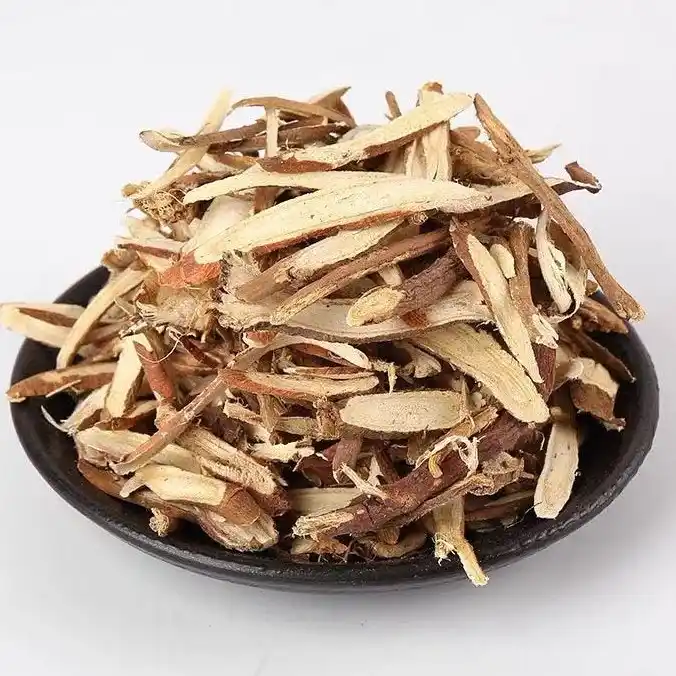
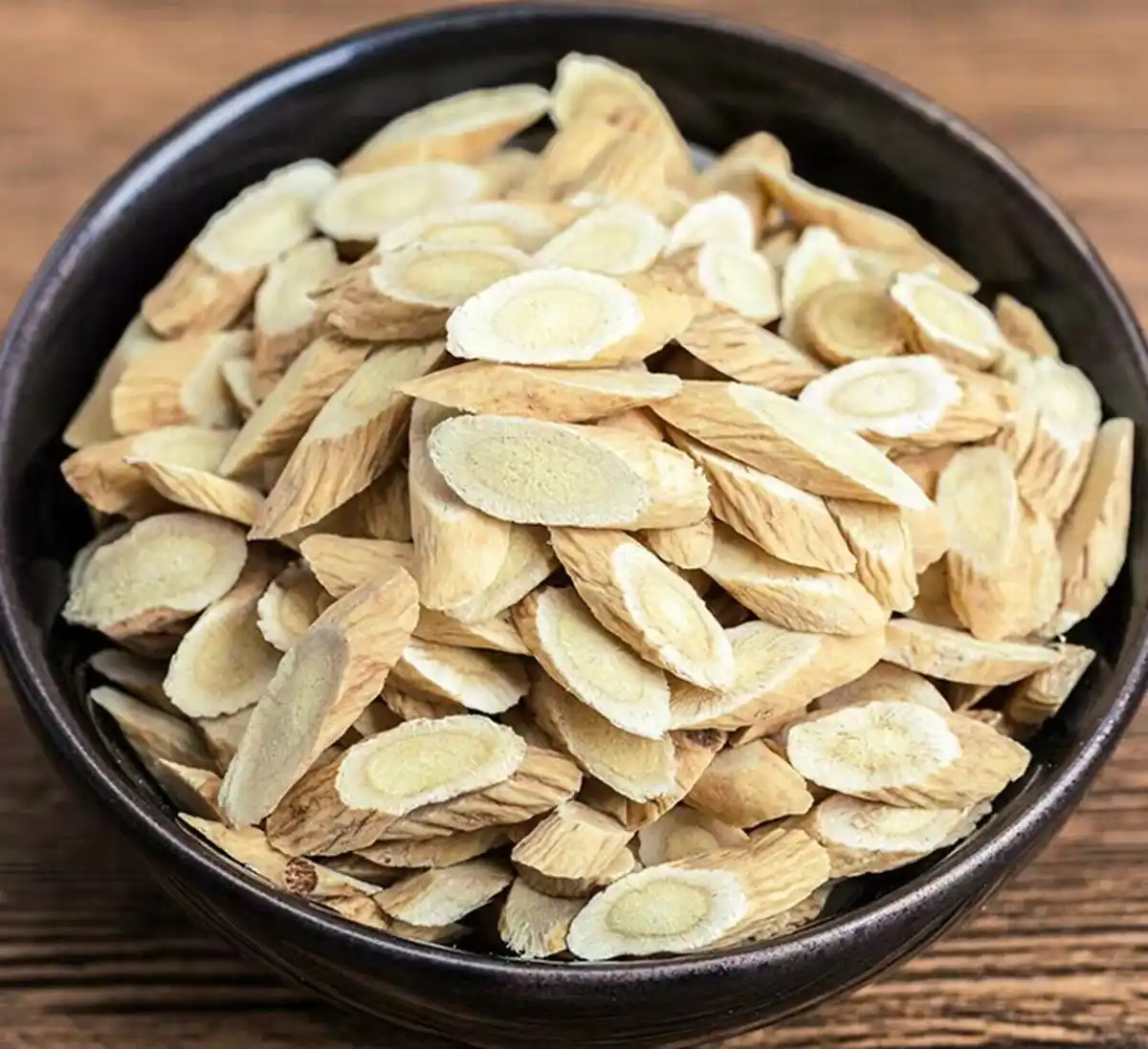
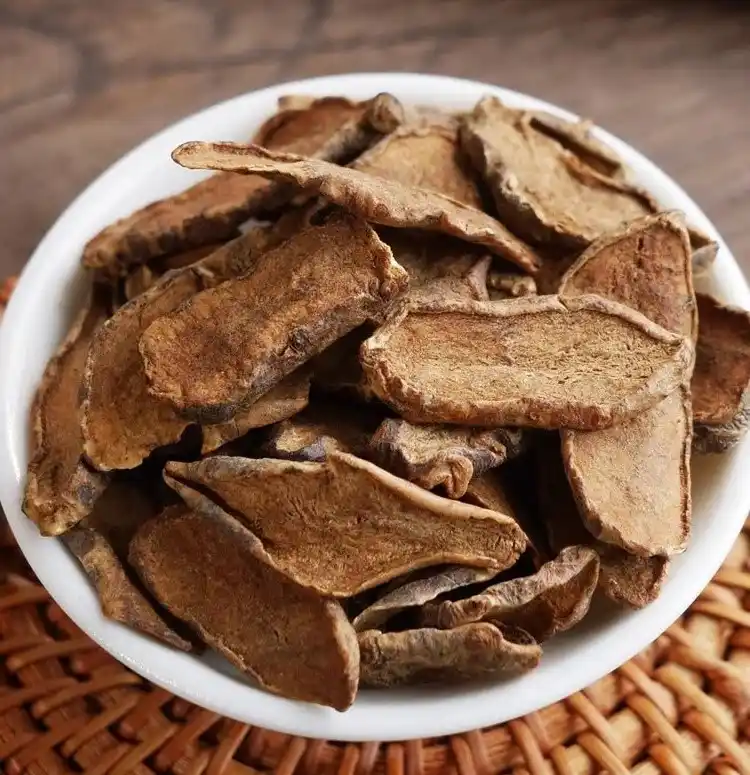
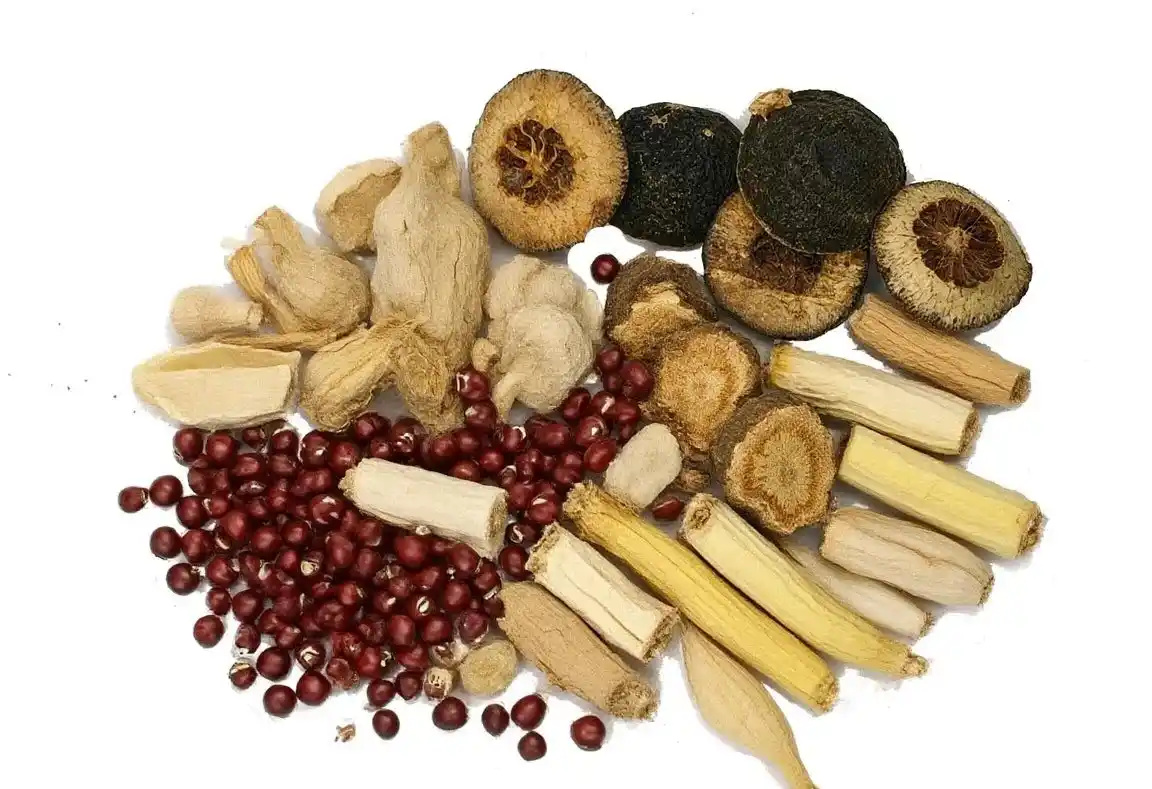
You don’t need a giant plant or a dozen buyers to launch a clean, reliable line of Chinese herbal slices. You need traceable raw herbs, a tight shop-floor process, and a factory that actually runs TCM every day. That’s what GuoCao does: GMP herbal-slice lines, ISO 22000 food-safety system, third-party COA, ambient/cool/modified-atmosphere warehouses, and real capacity (2,500 tons per year). We ship to the US, EU, Australia, Japan, Korea, Canada, Malaysia, the Philippines—30+ regions. We support OEM/ODM plus private label, and yes, our enzyme beverage line is already in production.
If you sell into pharma distributors, hospitals, supplement brands, functional beverage makers, spice wholesalers, or local retailers, this guide is for you. I’ll keep it plain, shortish, and super practical.
OEM/ODM Chinese Herbal Slices — Process Overview
Four stages. Each stage has a decision you own and a paper trail you should get from the factory. Keep it simple and keep it on-spec.
Inquiry & Consultation (OEM/ODM Chinese Herbs)
You share your channel (supplement / tea / culinary), target markets, planned SKUs, cut thickness (e.g., 1–2 mm slice vs. cut-and-sift), and packaging format. We return feasibility quick—what works, what to avoid, potential risks (sulfur-free requirement, pesticide hotspots, allergen notes). Dont overthink; send your brief and we’ll sanity-check.
R&D prepares a small batch under SOP. You check organoleptic (color, aroma), brewing yield, mesh curve, and moisture. We then lock your Master Spec and the golden sample. That sample sheet becomes the release reference later. If something feels off, say it now. Fixes are cheap here and messy later, so we dont wait.
Pilot Production & Quality Control (GMP, ISO 22000, COA)
We run a pilot under GMP and ISO 22000. IPC checkpoints track moisture window, sieve curve, foreign matter, and label artwork control. Independent labs handle micro, heavy metals, and pesticide residue screens; when relevant we do markers (HPLC). Anything off-trend triggers CAPA. You see the pilot COA before scale-up—always.
After your go-ahead, we schedule on our 2,500-ton capacity lines, package in pouches/jars/sachets/cartons, add bilingual labels with lot/batch codes, and release only once QC signs off. We support low MOQ to help you pilot SKUs, then ramp without drama. Global docs roll with the shipment (see checklists below).
Chinese Herbal Slices Manufacturing — GMP & ISO 22000 Quality Control
GMP is not a poster—it’s how we slice, dry, and (when the pharmacopeia calls it) process by frying or honey/ginger-prepare, then we pack. The ISO 22000 system wraps the food-safety hazards, CCPs, and verification. The point: consistent batches that behave the same in brewing, extraction, or culinary use.
In-Process Controls (IPC), Batch Records (BPR), AQL
IPC: moisture checks at critical steps; cut-size verification; visual for stones, twigs, stray fibers; sieve analysis.
BPR: who did what, when, and on which lot; deviations and corrective actions recorded.
AQL: practical incoming inspection, so non-conforming raw lots get quarantined before slicing.
Release vs. Hold: finished goods sit “HOLD” until COA passes. Then “RELEASE.” No shortcuts.
Third-Party Testing & COA
Expect micro counts, heavy metal panel, and a pesticide multi-residue screen. For some herbs, we add marker compounds to verify identity/potency. Clients in pharma/hospital channels usually request the complete COA set. We’re used to that.
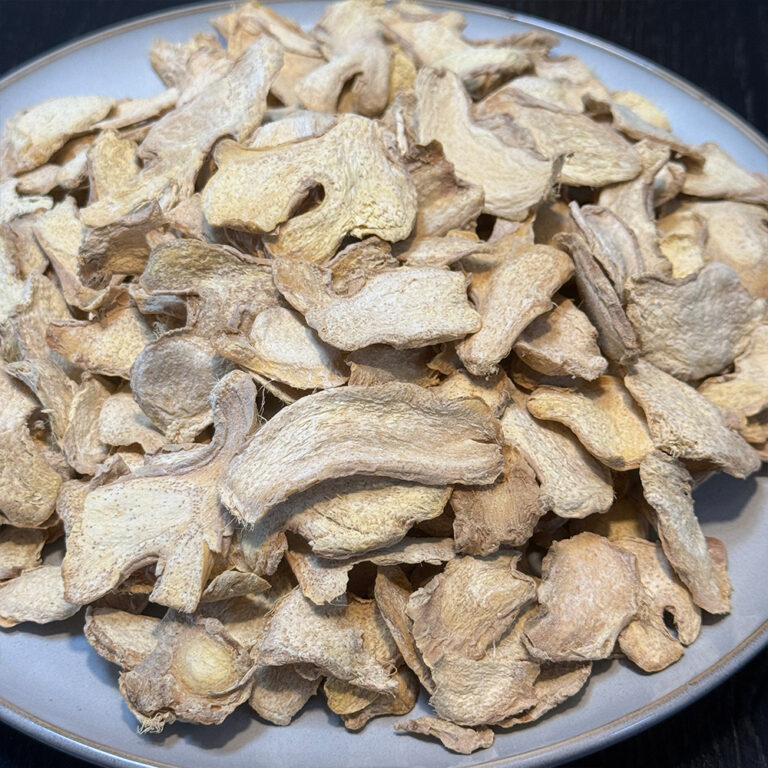
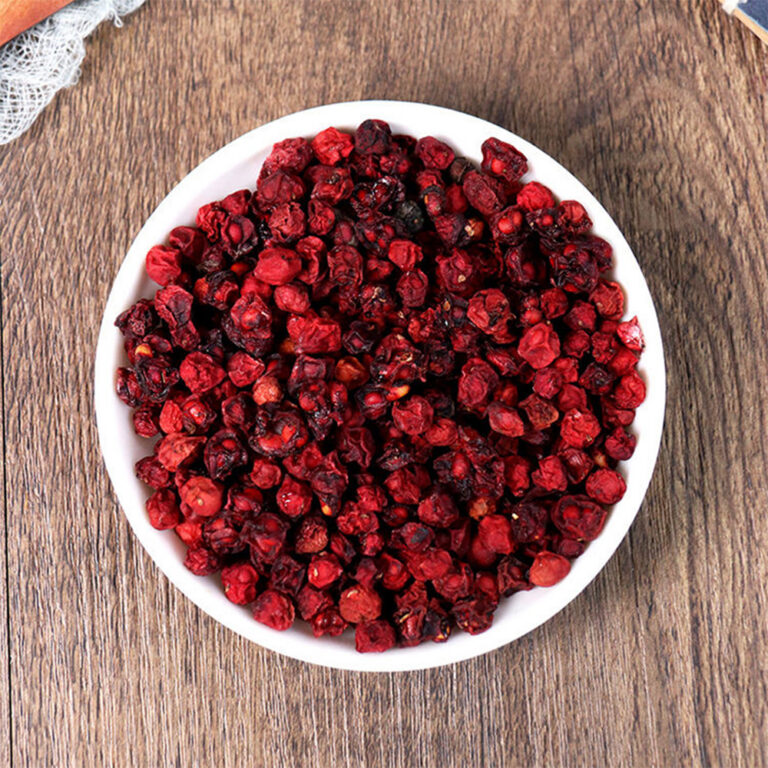
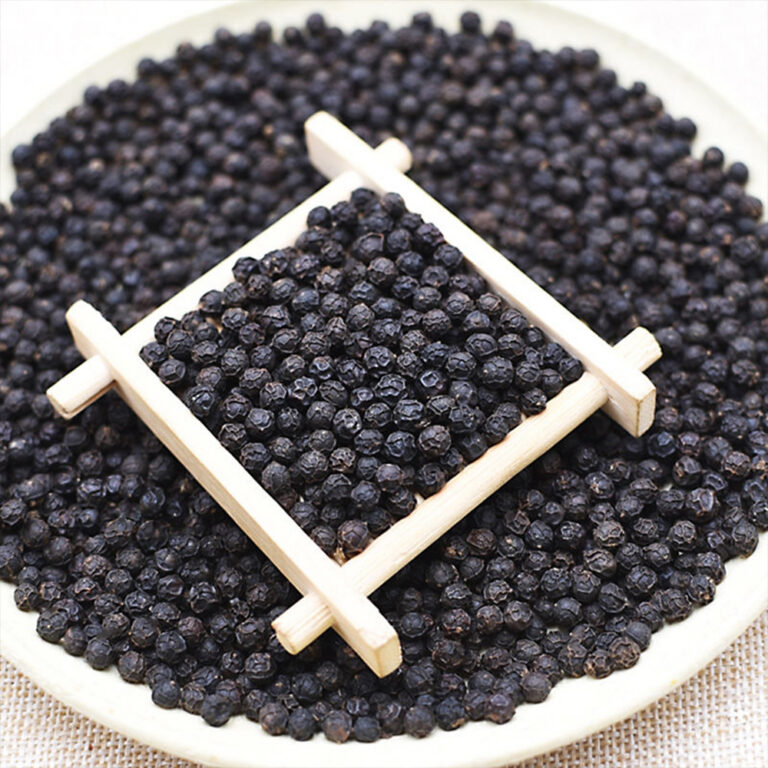
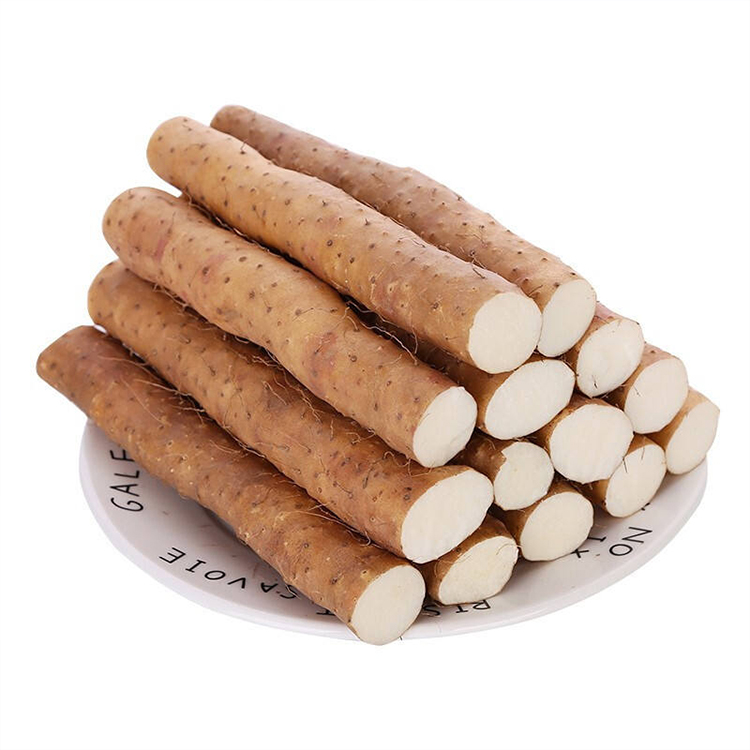
Product Categories and Use Cases (TCM Herbs & Spices)
Pick your range by scenario (用途), not just alphabet. Start broad, then refine.
We run pouches, jars, sachets, cartons, belly-bands—whatever fits shelf and e-commerce. You get bilingual labels, barcodes, and batch coding. Claims stay conservative unless you own the registrations in a given market. Keep Latin binomials and part-used (radix, cortex, flos, semen) accurate. It prevents hold-ups at the border.
Export Compliance & Traceability — Documents That Move Shipments
Herbs travel when paperwork travels. For wholesale, retail, and hospital supply, you’ll typically see this set.
Warehousing options. Ambient, cool, and MAP (modified-atmosphere) to protect aroma and color.
Speed. Pilot fast, then book production windows so you dont miss a season.
Who We Serve — Pharma, Supplement, Beverage, Spice, Hospitals
Pharma distributors & hospitals: emphasize COA depth, BPR traceability, and strict lot control.
Supplement & functional drink brands: focus on brewing yield, flavor profile, label compliance, and stability.
Spice wholesalers & local retailers: consistent cut grade, clean sort, and steady supply.
Your buyers may use different jargon; we can mirror it. If your team needs “mesh 8–20 cut & sift with moisture ≤X% and sulfur-free declare,” say it upfront and we’ll lock it.
Buying Tips — Factory Audit Checklist (Keep It Short)
Credentials: GMP for herbal slices, ISO 22000 for food-safety.
Testing: third-party COA every batch; ability to add markers (HPLC) on request.
Warehousing: ambient/cool/MAP; look for odor cross-contamination controls.
Our low MOQ of 1 kg (2.2 lb) makes it easy to order Chinese herbal slices or wholesale Chinese medicine herbs. Private-label and bilingual labeling are also available.
Delivery Cycle & Support
We have a fast 7-day lead time. We provide free samples, COA reports, and technical support to help you bring high-quality bulk Chinese herbs to market.
Quality & Certifications
Our products are manufactured in a GMP-certified facility and meet ISO22000 standards. All Chinese herbs are third-party tested for heavy metals, pesticides, and microorganisms.