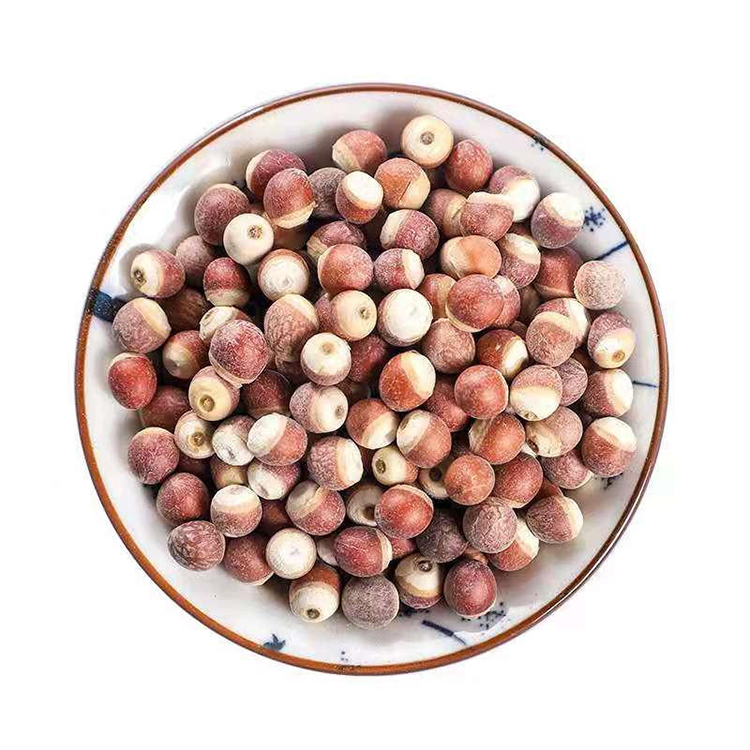
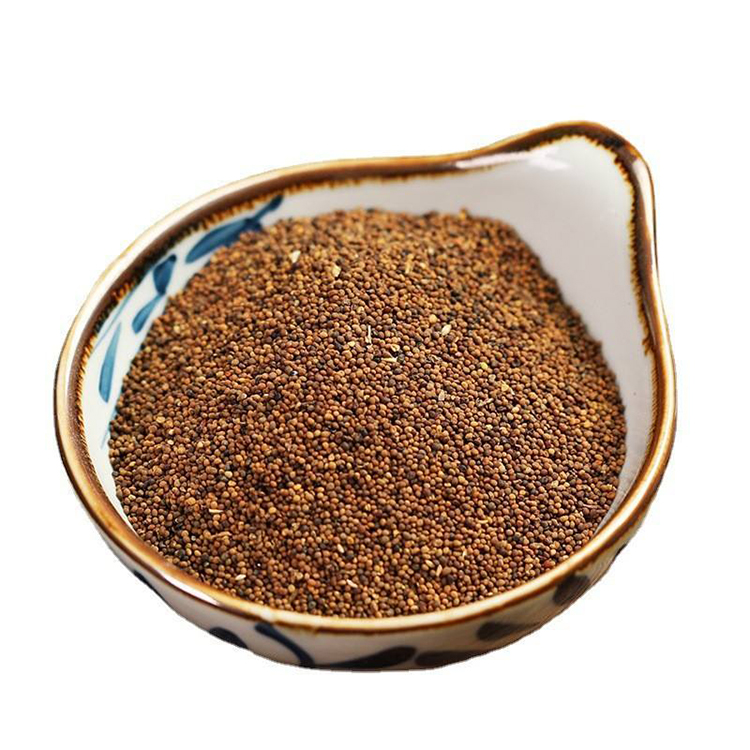
Short, plain, practical. No fluff—just what buyers, QA leads, and regulators look for. If you source, blend, or bottle herbs, this is your checklist and your why.
Pesticide Residues Testing (USP <561>, EU MRLs)
You don’t guess with residues. You test, then you release. USP <561> lays out pesticide panels and limits for botanicals. EU markets lean on MRLs and confirmatory methods. If you sell in multiple regions, map both and keep a living “limits book” in your QMS.
What it means in practice
Build a core multi-residue screen (QuEChERS → GC-MS/MS + LC-MS/MS).
Set LOQs at or below the tightest target market limit.
Confirm positives with ion ratio + retention time + matrix-matched calibration.
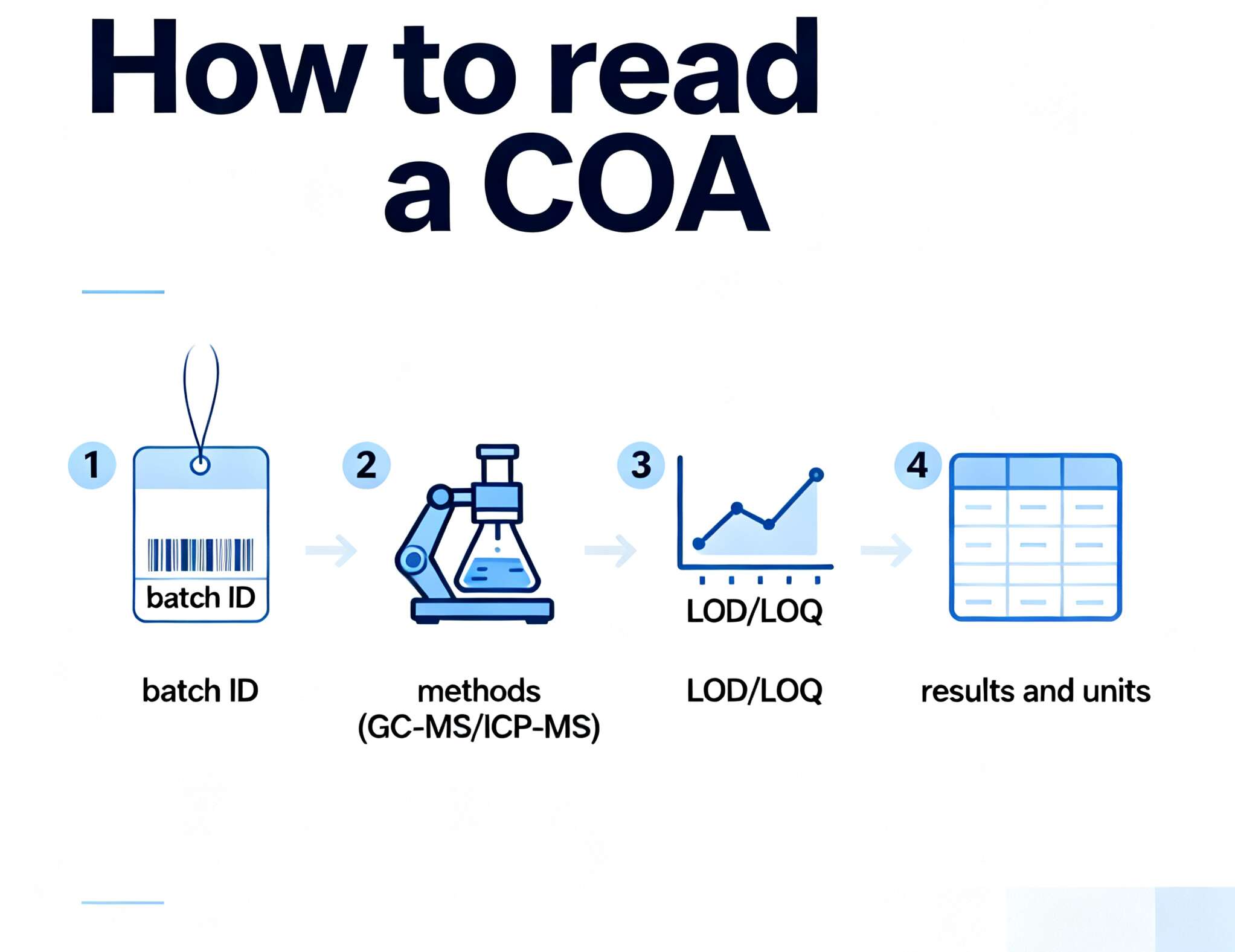
Lock a release rule: no COA, no ship.
Pain points we solve
Matrix effect in spicy or oily roots? Use d-SPE cleanup (PSA/C18/GCB), do spike/recovery by batch.
Different markets, different limits? Keep a dual table (USP vs. EU MRL) and release to the stricter value.
Import holds happen when a single active (e.g., chlorpyrifos) pings above local MRL. Don’t gamble; trend results by origin lot.
Metals are about daily exposure, not just per-kg numbers. USP <2232> sets per-day permitted exposure (PDE) for dietary supplements and allows “sum of components,” single-component, or finished-product routes. In practice, most brands test raw materials with ICP-MS and verify dose math at formulation.
WHO Herbal Materials QC Basics (Sampling, Storage, Handling)
WHO guidance is plain: good sampling + good storage beats a thousand excuses.
Take representative composite samples; don’t cherry-pick pretty roots.
Keep samples cool, dry, and dark; volatile pesticides do vanish (and that’s not a pass).
Use clean, inert containers; watch for metal contamination from tools.
Log chain of custody. Customs care. Hospitals too.
AOAC Herbs & Spices Method Standardization (What Buyers Should Ask)
AOAC is standardizing herbs/spices methods—great for cross-lab consistency.
Ask suppliers and labs:
Which SMPR or guidance do you follow?
What’s your reporting limit and confirmation rule?
Do you run matrix spikes each lot?
Show me two past proficiency test results (blind samples).
These are normal asks. If someone balks, that’s a signal.
Risk Evidence (JAMA 2004; Frontiers 2020)
Reality check: published surveys have found metal positives in a slice of herbal products and country-to-country variability in compliance. Takeaway isn’t panic—it’s program design. You build a screening net, then you tighten where risk shows up (origin, species, processing).
What buyers can do today
Rank species by risk (e.g., high-soil contact roots at the top).
Tag higher-risk origins for 100% lot testing.
Rotate suppliers if trend lines drift up.
Keep batch genealogy—so you can surgically recall if you ever must. You probably wont, but still.
Reference Limits & Data (Quick Table)
These are widely used regulatory and scientific anchors buyers expect to see on COAs and specs.
Topic
Data / Thresholds (typical reference)
How You Use It
Source Anchor (no external link)
Pesticide panels
USP <561> botanical pesticide list; EU MRLs for target actives
Build target list; set LOQs below tightest market limit
USP <561>, EU MRL compendium
Per-day metals (PDE)
Pb, Cd, As (inorganic), Hg daily exposure limits used in USP <2232>
You need a release-ready path. Here’s a lean one that works for pharma buyers, supplement brands, and hospitals.
Spec & panel design
Target markets: US, EU, AU, JP, KR (etc.).
Build pesticide list (USP <561> + local MRLs).
Define metals route (USP <2232> dose-based).
Set LOQs and decision rules in the spec, not in emails.
Supplier qualification
Facility audit (GMP behaviors), water & air controls.
Past 12 months COA pack; prove consistency.
Contract test plan: frequency, scope, OOS handling, CAPA.
Incoming QC
ID test (macroscopy + TLC/HPTLC or DNA where fit).
Pesticide screen (multi-residue).
ICP-MS elementals.
Micro & mycotoxins if the monograph says so.
Release
QA signs COA; batch status flips to RELEASED in ERP/LIMS.
If one analyte pings close to limit, set heightened surveillance next 3 lots.
Keep trend charts. You cant manage what you dont see.
Post-market
Stability checks on long-hold SKUs.
Annual method re-verification; instruments drift.
Mock recall—one hour drill, trace one batch from field to client.
GuoCao runs GMP production lines, ISO 22000 food safety, cool/dry/MA warehouses, and third-party COA capability, with OEM/ODM at scale. See: GuoCao—global supplier.
Real-World Use Cases (No made-up stories)
Case 1: Mixed-origin root, pesticide variability A blender sources the same herb from two regions. One shows steady low residues; the other swings. They split specs by origin, tighten LOQs for the “swingy” source, and add a confirm-on-detect rule. Import holds stop. Lead time shrinks because fewer re-tests. That’s boring, which is good.
Case 2: Metal trending up with weather A drought year shows rising Cd in a leaf product. Team adds high-risk origin tagging, moves to a different upstream farm, and keeps same SKU live without relabel. They document a deviation and CAPA. Next season returns to baseline.
Case 3: Dose-based pass A concentrated extract shows 1 ppm Pb raw. Finished dose is tiny. They do the math per day against USP <2232> and pass comfortably. QA adds a guardrail to re-check if dose ever increases. No drama, just math and compliance.
Buyer’s FAQ (Short, straight answers)
Do I need speciation for arsenic or mercury? If numbers are close to the trigger, yes. Inorganic As and methyl-Hg matter more.
Can I rely on supplier COAs only? Do initial qualification + periodic verify. Trust, but sample.
What if my LOQ is higher than a market limit? Fix the method or pick another lab. You can’t release against a limit you can’t measure.
What about “clean label”? Put limits + methods on your vendor spec. “Clean” without numbers is marketing, not quality.
GuoCao Capabilities (GMP, ISO 22000, OEM/ODM)
GuoCao is a global manufacturer of Chinese herbal slices with GMP lines, ISO 22000, and third-party COA capacity. Annual output hits 2,500 tons. We support OEM/ODM, and our enzyme drink line is live. Products ship across the US, EU, Australia, Japan, Korea, Canada, Malaysia, Philippines, and many more—serving pharma companies, supplement makers, hospitals, beverage brands, cosmetics ingredient buyers, plus regional wholesalers and retailers.
What you get working with us:
A single partner for roots & rhizomes, flowers & whole herbs, barks, fruits & seeds, animal & mineral class—see GuoCao catalog.
COA-first release. If it’s not on the COA, it’s not real.
Faster customs clearance with complete docs (specs, test methods, COAs, traceability).
OEM/ODM for private label, with dose-based metals review from day one.
After-sales QA—trend reports, method refresh, and continuous improvement.
Decision: Reject if any target > limit; Hold & investigate if at LOQ but trend ↑.
Metals scope & decision rule
Method: USP <233> digestion + ICP-MS.
Report: mg/kg and per-day exposure against USP <2232>.
Decision: Pass if per-day dose ≤ PDE; Conditional if reformulation reduces dose to meet PDE (document change control).
Sampling & handling
Composite sampling across bags/bales.
Low-light, dry, cool; inert containers.
Keep chain of custody and ERP trace.
Why This Matters (Business Value, not slogans)
Lower import risk: aligned panels and LOQs prevent border-retest delays.
Faster time-to-release: clean COAs move product now, not next week.
Market agility: dose-based metals logic lets you launch concentrates without re-spec everything.
Reputation: hospitals and big retailers audit. You pass—quietly.
Margin protection: fewer holds, fewer reruns, happier ops. Also good for sleep.
And yes, we keep it simple. You get GMP manufacturing, ISO 22000, COA, and global shipping in one place—GuoCao. If you want to talk panels, LOQs, or batch genealogy (nerdy but useful), ping us at chineseherbalslices.com. We’ll keep the jargon short and the testing tight.
Our low MOQ of 1 kg (2.2 lb) makes it easy to order Chinese herbal slices or wholesale Chinese medicine herbs. Private-label and bilingual labeling are also available.
Delivery Cycle & Support
We have a fast 7-day lead time. We provide free samples, COA reports, and technical support to help you bring high-quality bulk Chinese herbs to market.
Quality & Certifications
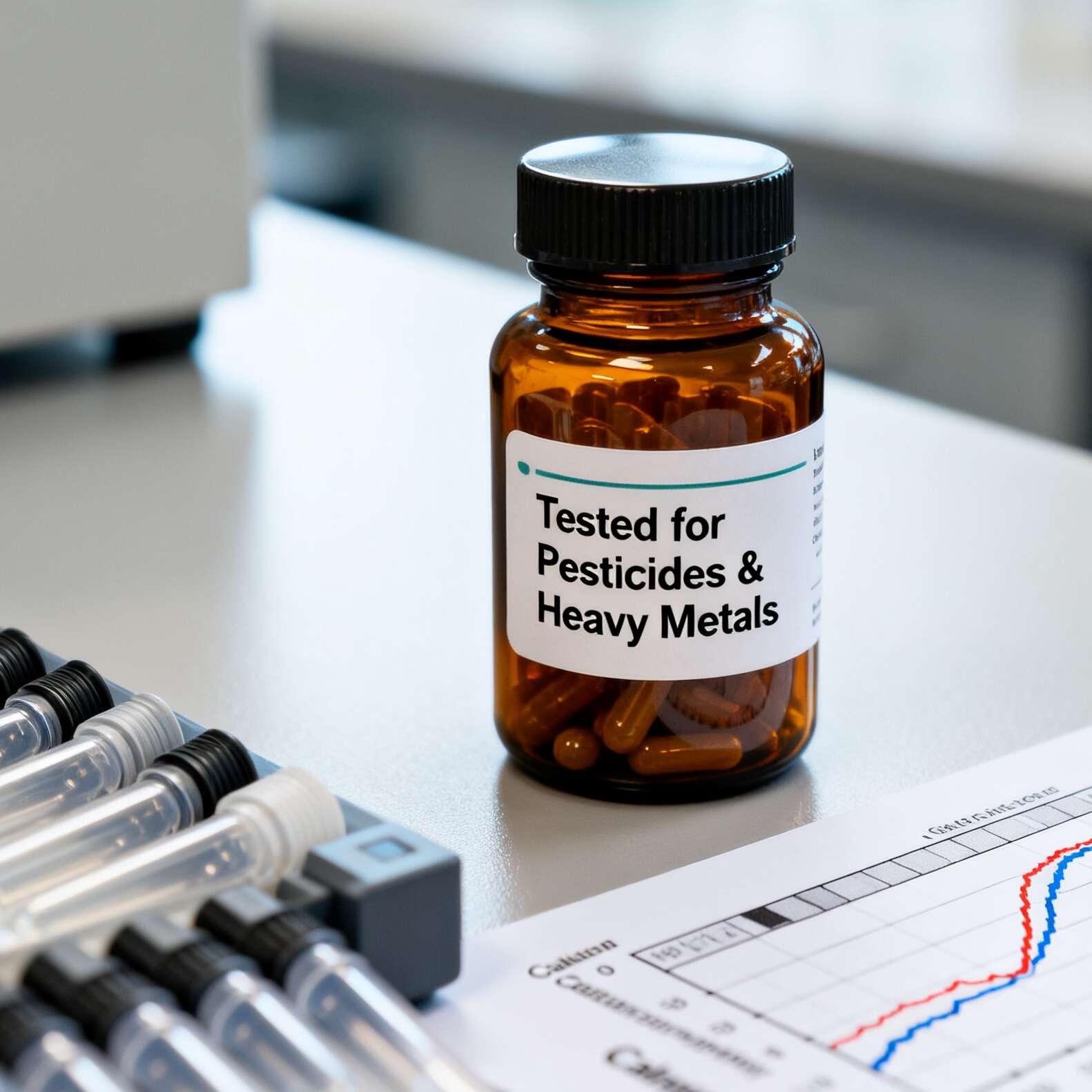
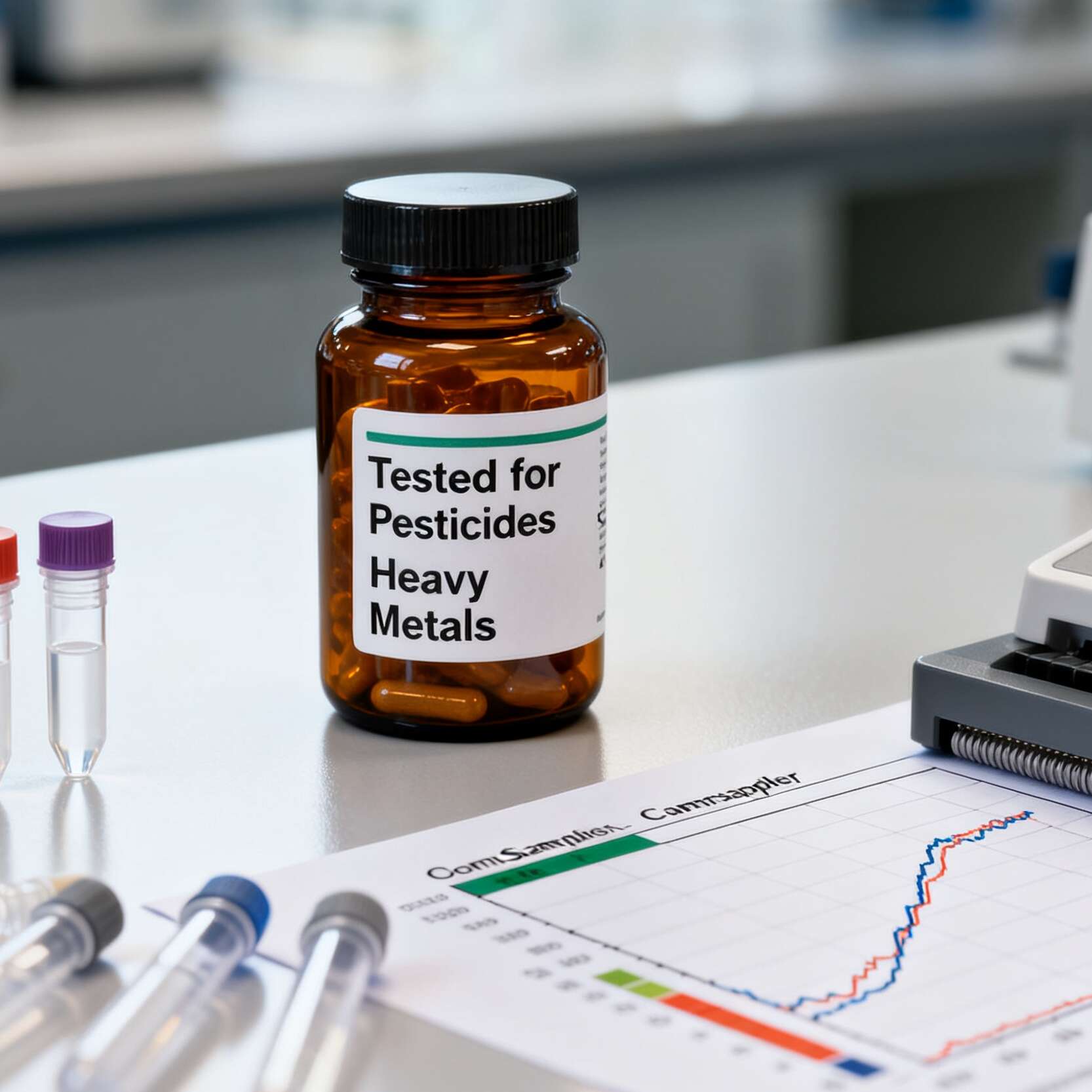
Our products are manufactured in a GMP-certified facility and meet ISO22000 standards. All Chinese herbs are third-party tested for heavy metals, pesticides, and microorganisms.