If you’re building a functional drink in 2026, you already know the trap: you cut sugar, then the flavor falls apart. So you add “natural” aromas, then it starts tasting thin. You bump acids, now it’s sharp. You add sweetener, boom—aftertaste.
That’s why bitter roots and rhizomes keep showing up in modern beverage SKUs. They give you structure. They make low-sugar taste more “complete.” But they also bring real process pain: filtration load, fines, weird separation, and that lingering bitterness that makes people quit after two sips.
This article stays practical. I’ll use factory language, drink format logic, and what GuoCao already builds and ships globally as a wholesale supplier and OEM/ODM partner.
Here’s the core idea: bitterness isn’t always a defect. In the right drink lane, it signals “adult taste,” “botanical,” “serious.” That signal helps you sell low sugar without apologizing for it.
But you need to place bitterness in the right format:
Sippers (330ml, 500ml): bitterness must be smooth, short, and layered.
Shots (30–50ml): you can go stronger because the “job” is quick use, not casual sipping.
Mixer style (tonic / sparkling): bitterness can sit on top if carbonation and citrus carry it.
And yes, you still need to manage the operational side. Roots and rhizomes bring fiber and fines. If you ignore cut size, you’ll fight your filters all day. Your yield drops, your line hates you, and shelf stability gets messy.
Coptis (Coptidis Rhizoma) in functional drink scenarios
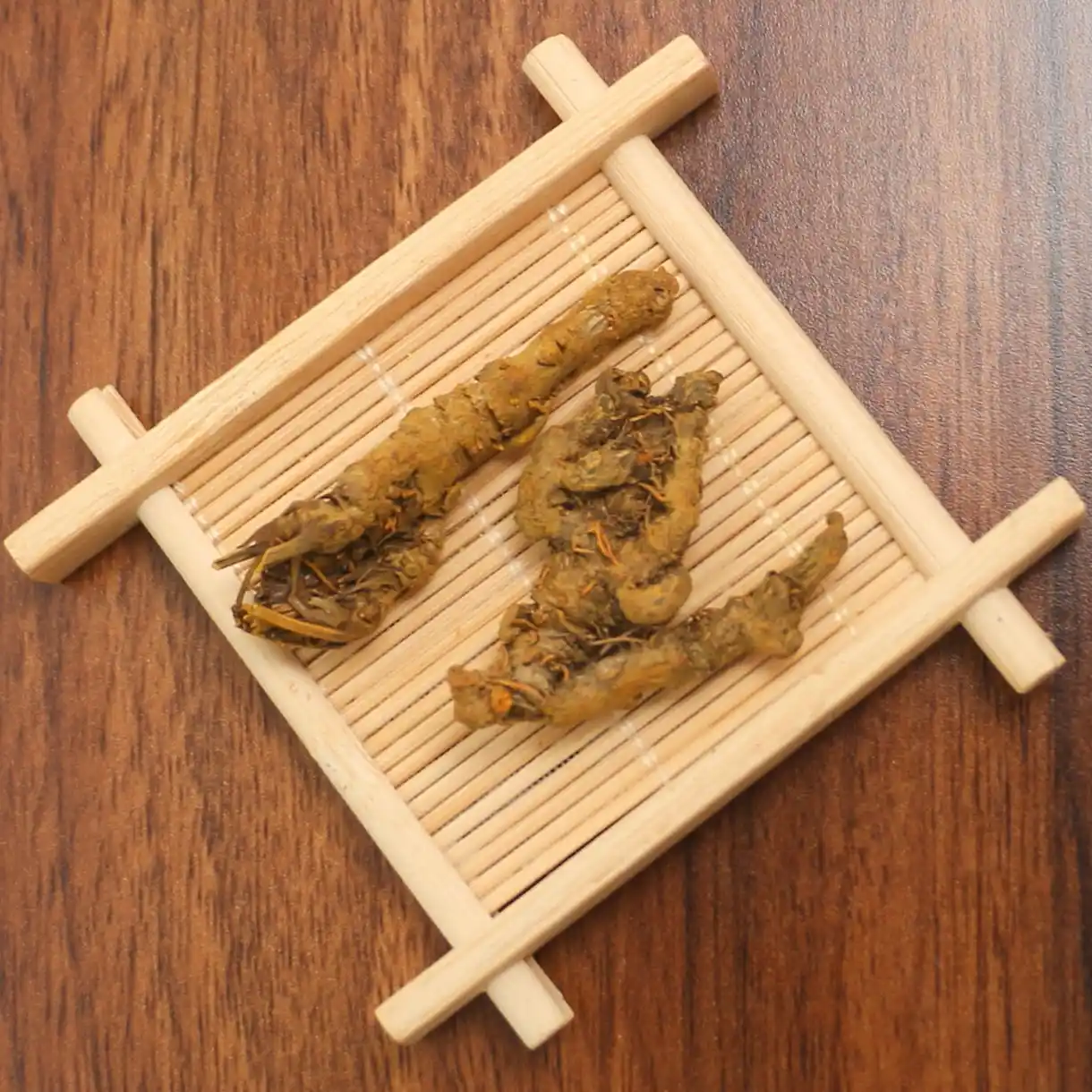
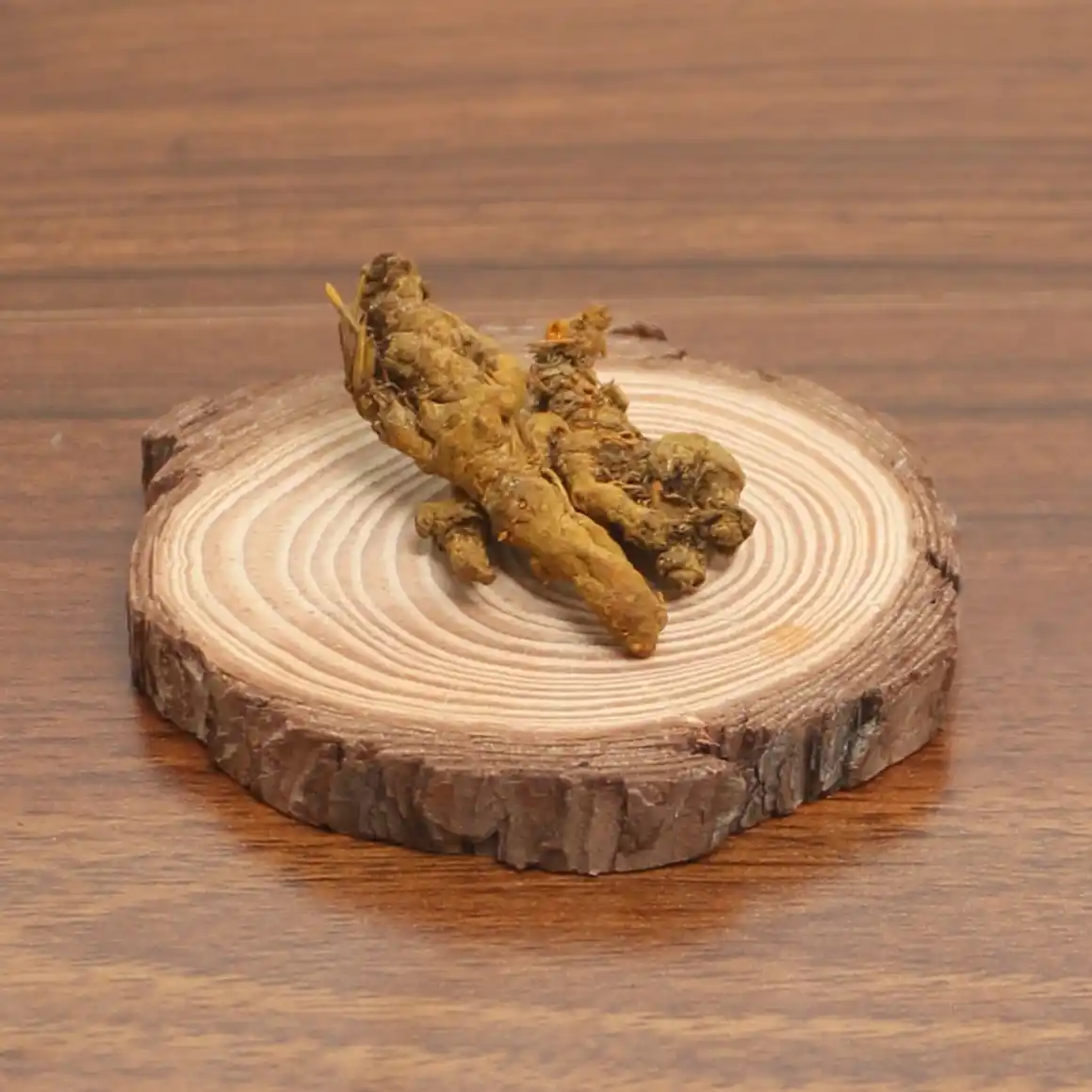
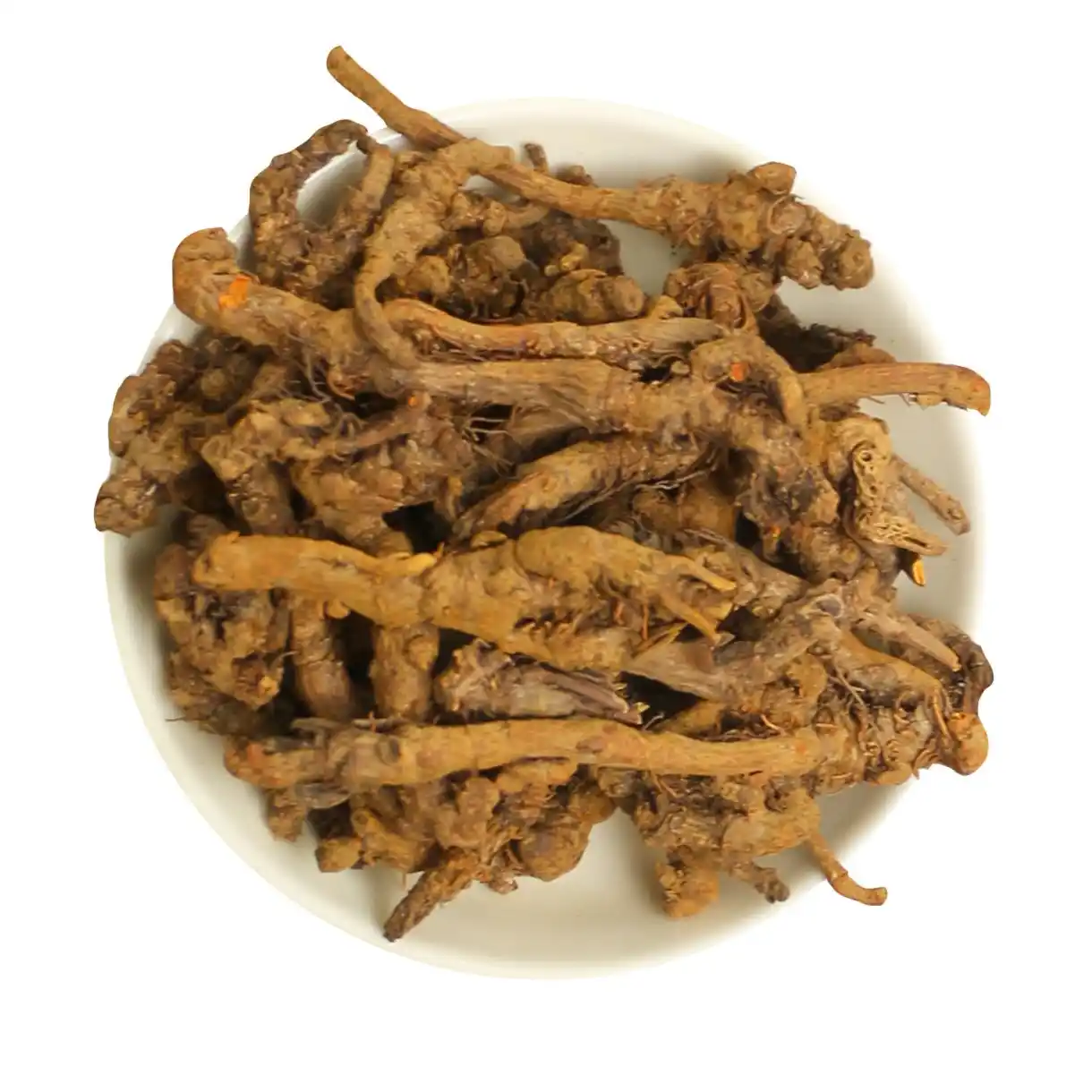
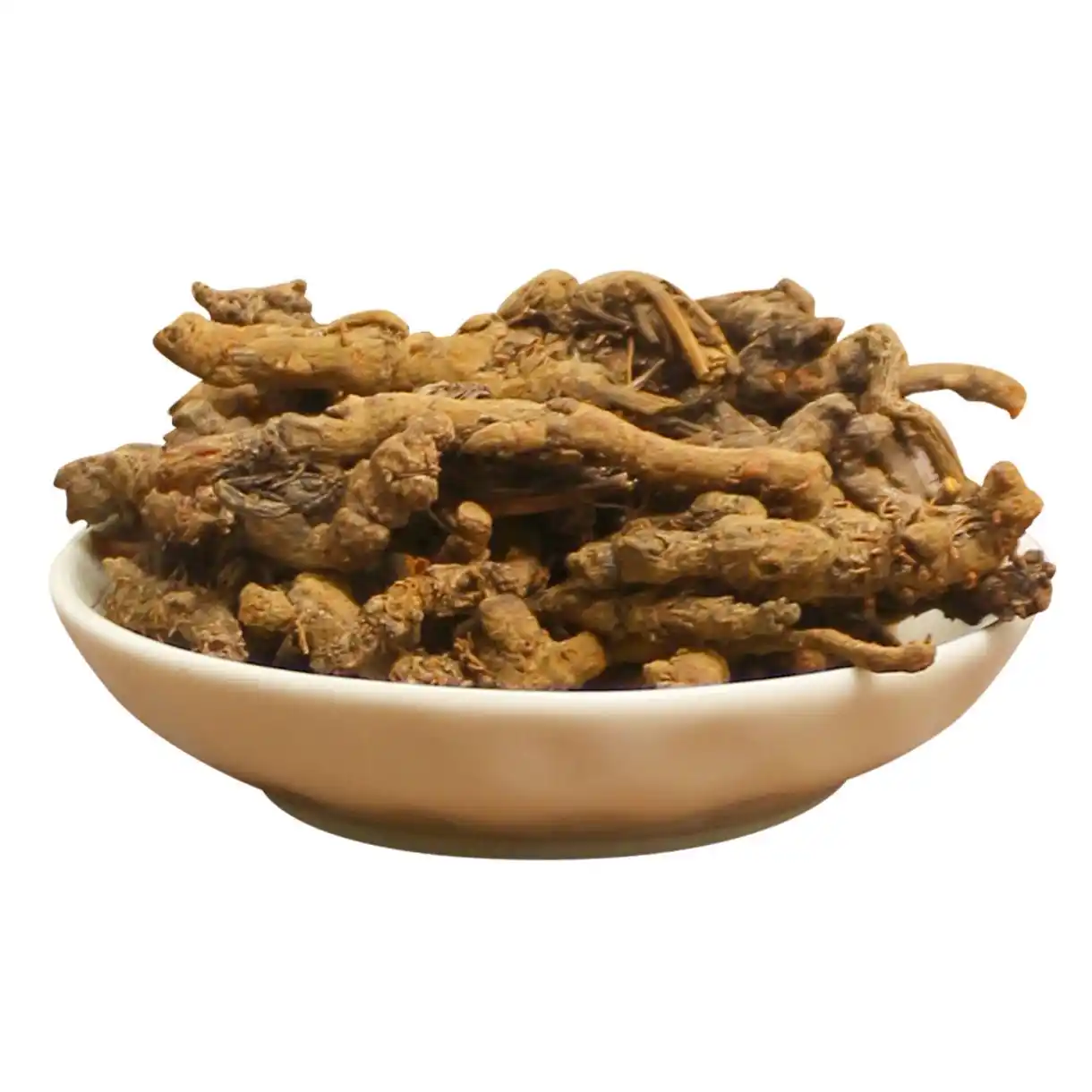
Coptis (Huang Lian) is a classic “bitter rhizome” choice. It shows up in digestive-support blends and cleansing-style tonics, and it’s famously intense. GuoCao sells it as Coptis Rhizome Slices under the Root & Rhizome category, with the exact names buyers actually use: Latin, pinyin, common name, and Western aliases.
The key modern move is this: don’t treat Coptis like a headline flavor. Treat it like a backbone. Let it do its work in the background while other notes make the drink friendly.
Bitter finish control
Coptis bitterness tends to linger. That lingering finish can feel “premium”… or it can feel like punishment. The difference is your flavor architecture:
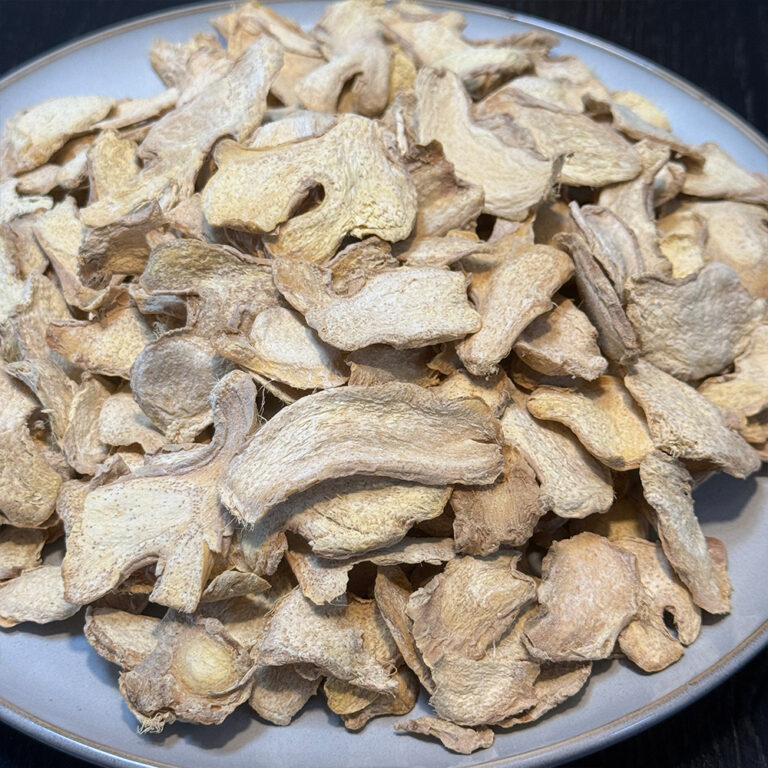
Use warm notes to round the mid-palate (ginger lane).
Use cool top notes to lift aroma (mint lane).
Use citrus peel or similar bridges so bitter doesn’t feel flat.
On the GuoCao Coptis page, they even call out pairing logic like ginger, fennel, and peppermint. That’s not random. That’s flavor math.
Format choice: shot vs RTD
If you want to go heavier on Coptis, don’t force it into a big bottle first. Start with a shot format. It’s easier to position, easier to dose consistently, and easier to get repeat purchase even when flavor is bold.
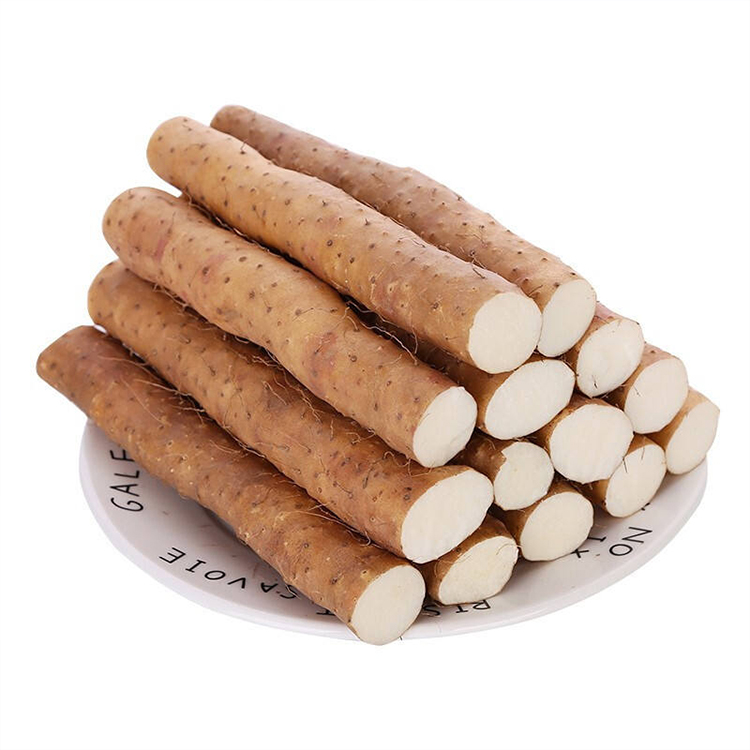
You can see that logic in GuoCao’s fermented line too—especially their 50ML postbiotic drink SKUs like Kudzu Root Postbiotic Fermented Drink 50ML. Strong flavor works better when the sip count is low. Simple.
Bitter taste as a flavor signal, not a defect
Let’s be honest: a lot of “functional” drinks taste like flavored water with a job title.
Bitters fix that. They give you:
depth (so the drink doesn’t feel hollow)
length (so flavor doesn’t disappear after the first sip)
structure (so low sugar still feels finished)
But you can’t just dump bitter in and hope. You need a plan for three moments:
first sip
mid-palate
aftertaste
Most failed bitter drinks die in the aftertaste. The fix isn’t “more sweet.” The fix is better stacking: citrus + spice + fermentation acids + a clean bitter base.
Taste masking for bitter alkaloids: cyclodextrin and microencapsulation
Now the hard part. You want the function, but you don’t want the “licking a battery” finish.
When teams talk taste masking, they usually mean one of these plays:
No one technique saves you every time. In beverages, you often combine two: one physical, one sensory. That combo is what keeps bitterness from taking over.
And quick note: if you’re planning “clinical” style claims, talk to your regulatory people early. This article is about drink design and supply chain, not medical promise. Dont skip that step.
Herbal enzyme drinks (postbiotic fermented drinks): definition and process
Fermented herbal drinks make bitterness easier to live with because fermentation already brings:
organic acids
a complex aroma profile
a “grown-up” expectation
GuoCao frames this category clearly: herbal enzyme drinks are herbal-based fermented beverages, built with starter cultures and controlled fermentation, ending with postbiotic compounds. That’s a modern format that can carry bitter roots without feeling weird.
And this is where industry ops talk actually matters.
°Brix, TA, pH, ABV control
If you’ve ever seen returns on a fermented drink, you know why this section exists.
In GuoCao’s buyer FAQ content, they talk about controlling:
ABV drift (happens in warm chains if you don’t manage it)
That’s the point: fermentation isn’t “vibes.” It’s spec windows and stability holds. If you want a scalable SKU, you track these like a grown-up company.
Root and Rhizome processing pain: cut thickness and fines
This is the part most marketing teams never see, but production teams never forget.
Roots and rhizomes aren’t “just herbs.” Cut thickness, moisture, and storage change extraction behavior. If your cut is inconsistent, your batch-to-batch taste swings. Your filtration slows. Your QC starts holding lots. Everyone gets cranky.
So you lock CTQs (critical-to-quality) early. GuoCao even uses that CTQ language directly in their OEM thinking, because it prevents the classic mess: sample #1 was nice, shipment #2 looks different, buyer rejects, and now you’re in a pointless argument.
Spec lock and CTQs for OEM: what to lock before you scale
CTQ you should lock
Why it matters in drink production
What “good” looks like
Common failure mode
Cut thickness / cut form
Controls extraction speed + filtration load
defined slice range + controlled fines
“same herb, different extraction”
Moisture target
Impacts mold risk + storage stability
moisture window + storage spec
damp lots, odor shift
Identity method
Prevents substitution risk
method stated in COA pack
buyer lab fails ID
Micro limits panel
Protects shelf-life and safety
market-specific micro panel
surprise holds at receiving
Residues panel
Protects compliance
pesticide/heavy metal limits documented
blocked shipments / delist
Packaging rules
Prevents transit damage + odor uptake
pack spec + labeling spec
crushed slices, odor pickup
If you want OEM/ODM to run smooth, align your process model early. GuoCao spells out the difference in their OEM vs ODM breakdown: OEM gives control (spec lock), ODM gives speed (catalog leverage). Many teams do a hybrid: ODM to test demand, OEM to lock repeatability. That’s not fancy, it’s just smart.
Proof map: thesis points, source type, and what you can show buyers
You don’t need to sound like a textbook. Just show that you control the basics and you can document them.
Where GuoCao fits: GMP Chinese herbal slices, ISO 22000, third-party COA
If you’re sourcing for pharma, supplements, functional beverages, hospitals, or distribution, you care about three things:
can they make it consistently
can they prove it
can they ship it worldwide without drama
GuoCao positions itself as a global supplier with GMP Chinese herbal slices production lines, ISO 22000 food safety system, and third-party COA testing capability. They also run warehousing that supports different storage needs (ambient, cool, MAP). That matters for roots/rhizomes and fermented products because storage swings can change aroma and stability. It’s annoying, but real.
They also support OEM/ODM customization and herbal strain enzyme beverage production. If you’re trying to launch a bitter-root drink line, that’s a big deal because you can develop the raw material spec and the finished drink direction in one supply lane, less handoffs.
A practical launch playbook for Coptis functional drinks
If you want the short version, do this:
Pick your format first. Shot (fast win) or RTD (harder but bigger volume). Don’t mix the two too early.
Build bitterness with a stack. Coptis + citrus bridge + spice + acid curve. Keep the finish clean.
Choose a masking route early. Cyclodextrin/encapsulation style + sensory stacking. Test stability, not just day-one taste.
Lock CTQs before you scale. Cut form, moisture, micro/residue panel, COA pack. Don’t “freestyle” this part.
Make the commercial story easy. “Low sugar, adult taste, controlled specs, export-ready docs.” That’s what buyers want to hear, really.
Bitters can make your functional drink feel premium and real. Coptis can be part of that—if you treat it like a serious ingredient with serious control, not a magic sprinkle.
Our low MOQ of 1 kg (2.2 lb) makes it easy to order Chinese herbal slices or wholesale Chinese medicine herbs. Private-label and bilingual labeling are also available.
Delivery Cycle & Support
We have a fast 7-day lead time. We provide free samples, COA reports, and technical support to help you bring high-quality bulk Chinese herbs to market.
Quality & Certifications
Our products are manufactured in a GMP-certified facility and meet ISO22000 standards. All Chinese herbs are third-party tested for heavy metals, pesticides, and microorganisms.