Bupleurum Root (Chai Hu): how to avoid mixed lots and ID failures
Bupleurum root looks simple on paper: Chai Hu, Bupleuri Radix, bulk blocks, standard COA. In practice, that is where buyers get fooled. This guide shows where mixed lots are born, why ID failures keep happening, and what a real buyer spec must force a supplier to prove.
I have sat through too many herbal sourcing calls where everyone sounds confident, the paperwork looks tidy, the cartons are neat, and yet nobody in the room can answer the only question that matters: can you prove this lot is one botanical identity, one plant part, one traceable batch, with one release decision backed by real data rather than supplier theater?
And if you cannot prove that, what exactly did you buy?
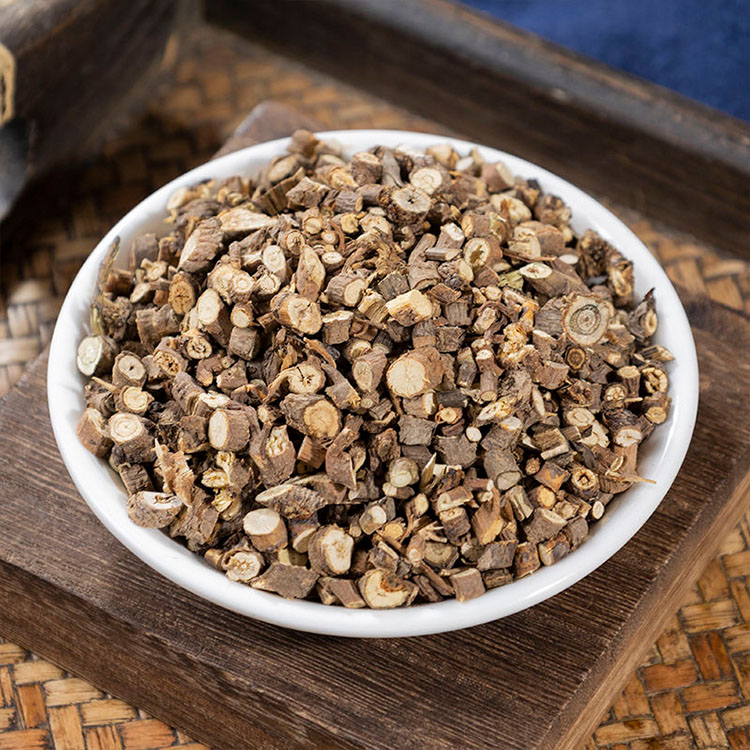
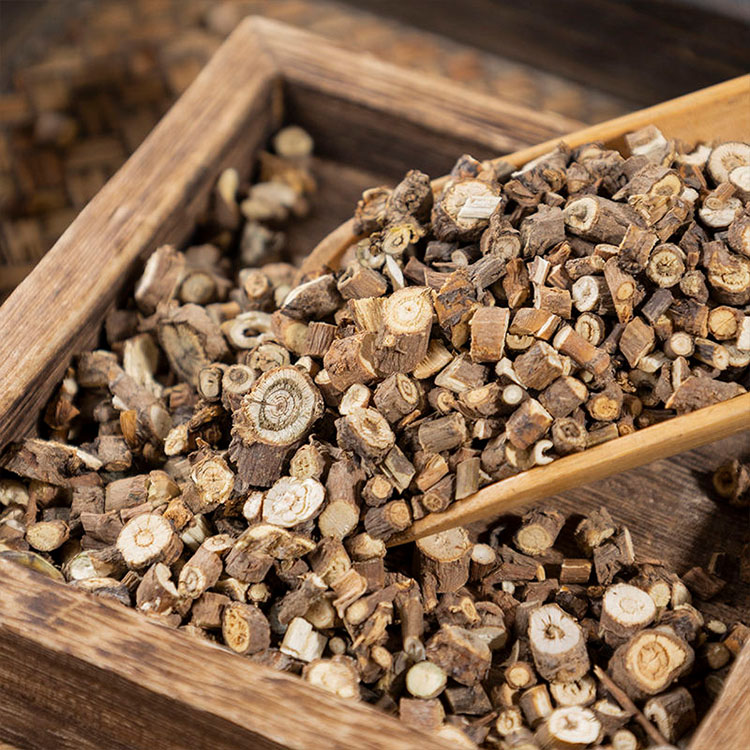
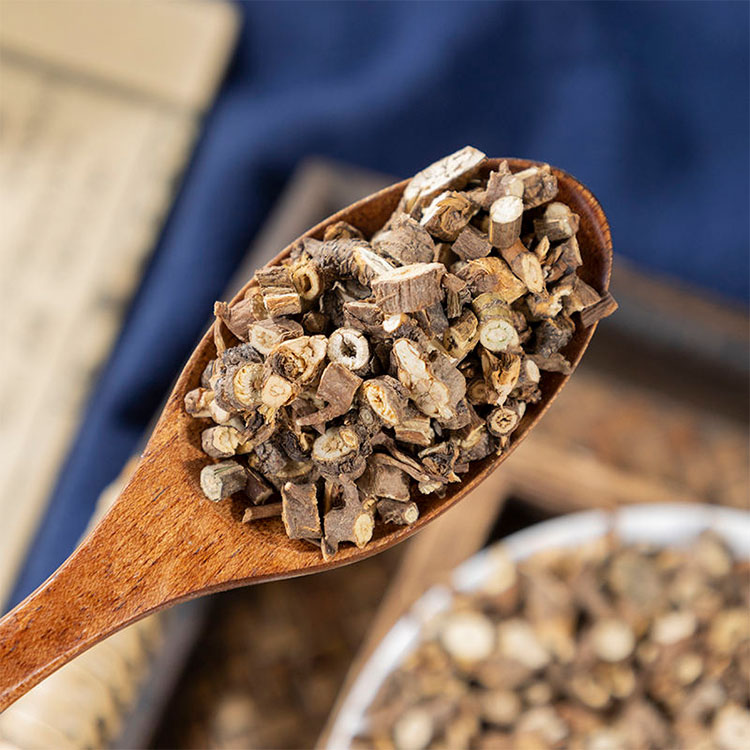
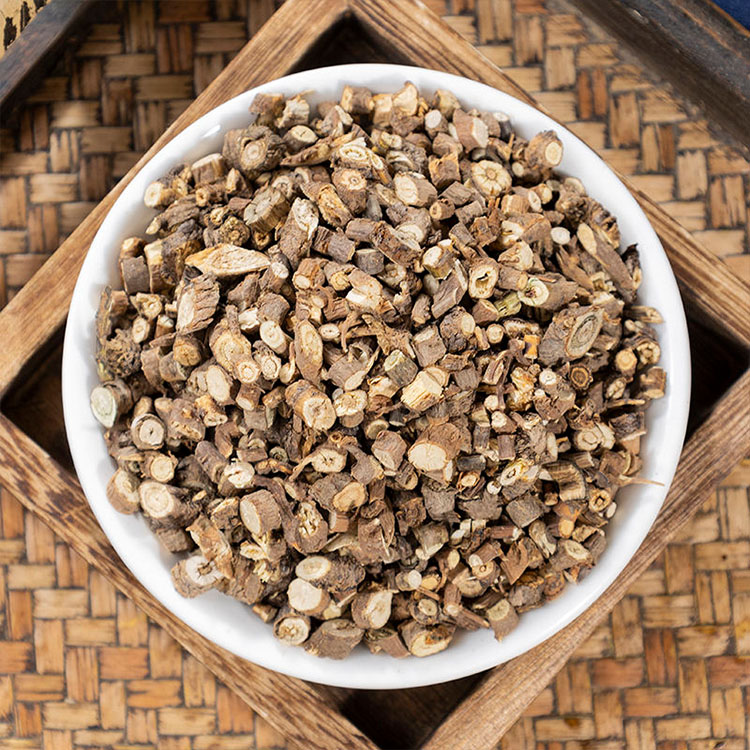
On the face of it, GuoCao’s own Bupleurum Root (Chai Hu) bulk page does a few things right: it names the material as Bupleuri Radix / Chai Hu, presents the form as dried root, and lists Bupleurum chinense on the product page. That is a decent commercial starting point. It is not, by itself, an identity system. A product title is marketing; a release file is evidence.
Table of Contents
Why Chai Hu gets buyers in trouble faster than they expect
Here is the hard truth.
Bupleurum root is a high-sales herb, and recent analytical work did not describe adulteration as some fringe possibility; one 2024 study on Radix Bupleuri flatly said it is “often adulterated,” then used UHPLC-LTQ-Orbitrap-MS plus a MATLAB-assisted workflow across two authentic species and four major adulterants, reporting a 50% improvement in targeted saikosaponin characterization and identifying 707 saikosaponins. That is not the profile of a low-risk ingredient.
Looks similar. Fails differently.
A separate 2024 study from researchers at Nanjing University of Chinese Medicine and Southeast University used Micro-CT plus a ResNeXt model for Radix Bupleuri authentication, because normal visual observation was not enough, and reported 75% classification accuracy while showing internal microstructural differences between Chai Hu and adulterants. So when a supplier tells me a warehouse manager can “tell by color and smell,” I do not call that experience. I call that exposure.
And the wider botanical trade is not exactly inspiring. A 2024 Natural Product Reports review examined 2,995 samples across five popular botanicals and found 818 adulterated or mislabeled, with adulteration rates ranging from 16.5% for turmeric root/rhizome to 56.7% for ginkgo leaf; the authors also noted that licensed or registered herbal medicines had lower risk than products sold as dietary or food supplements. I would be reckless to pretend Bupleurum sits outside that pattern just because the carton looks clean.
Mixed lots are usually made by process sloppiness, not by evil geniuses
Fraud gets headlines.
But most mixed lots I worry about are born in much duller places: receiving, pre-clean, hopper changeovers, rework, relabeling, and warehouse relots. Nobody wakes up saying, “Let’s corrupt the Chai Hu.” They just tolerate vague controls until vague controls become a bad batch.
Receiving is where the lie starts
If the supplier cannot maintain a lot code from inbound receiving through slicing, drying, grading, packaging, palletizing, and dispatch, then “single lot” is just a sentence on a COA. GuoCao’s own traceability and batch control guide gets this point mostly right: it treats the batch as the unit that must survive every hop, requires backward and forward traceability, and warns against casual lot blending during changeovers. That is exactly where mixed Chai Hu gets born in real factories.
Clean breaks matter more than pretty paperwork
I pay obsessive attention to changeovers because that is where “just a little carryover” becomes a commercial dispute three months later. The same GuoCao traceability page tells buyers not to “just blend a little” between hoppers, and it lays out equipment, drying, grading, sub-lot, and packaging reconciliation controls that should exist if the plant is serious. If your Chai Hu supplier cannot show TLC-in/TLC-out records, sub-lot logic, and label reconciliation, you are not buying controlled material. You are buying hope.
Rework is where honest systems either survive or collapse
Good operators document rework with a new sub-lot and keep the genealogy intact. Bad operators throw it back into the stream and tell sales nothing changed. The GuoCao traceability guide explicitly says rework needs a new sub-lot and that label counts must match output counts before shipment; that is not bureaucracy, that is how you stop a mixed lot from becoming your problem on arrival.
Why identity testing fails even when suppliers swear it passed
This part is ugly.
In 2023, the FDA’s warning letter to American Chinese Natural Herbs cited failures involving “Thorough Wax Extract,” which is directly relevant to Bupleurum buyers because “thorough wax” is a common English rendering in trade. FDA said the firm failed to establish identity specifications for components and that organoleptic attributes plus microscopic powder photos were not enough to confirm finished-product identity or distinguish one powder blend from another. That is not a minor paperwork quibble. That is the agency saying the seller could not prove what it made.
Then came 2024.
In the FDA’s warning letter to Restorative Botanicals, the agency again rejected soft identification logic, noting that physical characteristics such as color, smell, and taste were not appropriate when ingredients had overlapping appearances, and that the firm lacked adequate identity and contaminant specifications for finished botanical products. Different company. Same disease.
So when I hear “visual passed,” I do not relax.
I ask whether “visual passed” means macro ID by a trained botanist, cross-checked against a validated reference, followed by HPTLC, DNA barcoding for risk items, and a chemistry method capable of catching the wrong species or a commingled lot. If the answer is no, what passed was not identity. What passed was somebody’s mood.
The buyer spec that actually prevents Bupleurum root surprises
I dislike vague specs.
A vague spec is how buyers end up arguing over a rejected lot with three boxes of photos, one generic COA, and zero shared definition of what “Chai Hu” was supposed to mean in the first place. GuoCao’s Chinese herbal procurement guide is useful here because it openly recommends macro/micro ID, HPTLC, DNA barcoding for high-risk roots and rhizomes, and a release rule that blocks a lot if identity fails; it also pushes pesticide, heavy-metal, microbiology, sulfur, packaging, and document controls into the same release matrix. That is the right shape of system, even if buyers still need to make the spec tougher for Bupleurum.
Here is the version I would actually send to a supplier.
Spec field
Weak wording buyers should stop accepting
Enforceable wording buyers should require
Claimed identity
“Chai Hu”
“Bupleuri Radix; declared species; declared plant part = root; declared form = blocks/slices/powder; declared origin and harvest season”
Lot integrity
“Mixed batches okay if same quality”
“Single commercial lot only; no commingling across harvests/suppliers; changeover and clean-break records required”
Authentication stack
“Visual inspection”
“Macro/micro ID + HPTLC on every lot; DNA barcoding for new suppliers, disputes, or high-risk lots”
Chemistry
“Standard assay”
“Fingerprint or targeted saikosaponin profile tied to authenticated reference material; raw chromatograms retained”
Contaminants
“COA available”
“Per-lot ICP-MS for Pb/Cd/As/Hg, pesticide panel, TAMC/TYMC/pathogens, plus SO₂ where risk exists”
Sampling
“Sample retained”
“Written receiving sampling plan with bag-count logic, composite rules, and quarantine before release”
Traceability
“Batch number on label”
“Full genealogy from inbound lot to finished shipment, including rework and sub-lot mapping”
Release rule
“Ship if acceptable”
“Any identity mismatch, broken genealogy, or document inconsistency = block, investigate, CAPA, retest if justified”
If you want category context while writing that spec, GuoCao’s Root and Rhizome catalog is the right internal cluster to review, because Bupleurum sits in the same commercial neighborhood as other roots where look-alikes, cut profile drift, and cross-run carryover are common headaches. And if you are buying for private label or OEM work, the custom Chinese herbal and spice solutions page matters because private-label complexity multiplies labeling, mapping, and release risk fast.
What I would demand from any Chai Hu supplier before first payment
Three things. Fast.
First, I want the claimed identity written the adult way: Bupleuri Radix, declared species, plant part, form, origin, and lot code. Second, I want raw evidence, not brochure language: photos, HPTLC plate images, chromatograms, and the exact release decision tied to that lot. Third, I want process proof that mixed lots are physically prevented, not merely discouraged, with clean-break records, rework rules, and packaging reconciliation. Why would I pay for certainty and accept storytelling instead?
And yes, I check the commercial claims too. On GuoCao’s site, the home page and product pages say the business runs GMP-certified production, ISO 22000 food-safety controls, third-party COA testing, 1 kg MOQ, and a 7-day lead time. Fine. Use those promises as leverage. Ask them to show the Bupleurum lot file that matches the promise. Brochure claims are easy; matched batch evidence is the real interview.
FAQs
What is Bupleurum root identification?
Bupleurum root identification is the documented process of proving that a lot sold as Chai Hu is the correct botanical material, correct plant part, correct processing form, and correct batch, using layered evidence such as morphology, HPTLC, DNA barcoding, and chemical fingerprinting before the lot is released. That first sentence matters because no single shortcut reliably catches all failure modes. Visual checks are fast, but recent Bupleuri research shows why deeper tools are often needed when adulterants or look-alikes enter the trade.
How do mixed lots happen in herbal ingredient buying?
Mixed lots happen when material from different suppliers, harvests, sub-lots, rework streams, or packaging runs is commingled without a clean, auditable genealogy that preserves lot identity from receiving through shipment and allows buyers to trace both backward to source and forward to customers. In practice, the danger points are hopper changeovers, relabeling, rework, and weak warehouse discipline. That is why traceability systems live or die on clean breaks, sub-lot logic, and label reconciliation.
Is DNA barcoding enough to authenticate Chai Hu?
DNA barcoding is a high-value identity tool for Chai Hu, but it is not a complete release system because buyers still need plant-part confirmation, chemistry data, contamination results, and batch genealogy to catch problems that DNA alone will not resolve in processed commercial material. I would treat DNA as one layer, not the whole wall. The best systems combine macro/micro review, HPTLC, DNA on risk lots, and chemistry or metabolite fingerprinting.
What should a Bupleurum root COA include?
A Bupleurum root COA should include the declared identity, lot code, sampling reference, test methods, chemistry results, contaminant limits, and a clear release decision, while the supporting file behind it should also retain raw plates, chromatograms, photos, and traceability records for the exact lot shipped. I do not trust one-page COAs that float free from the rest of the batch dossier. A real COA should connect to origin records, release criteria, and shipment documents without any gaps.
Your next step if you buy Chai Hu for real
Stop leading with price.
Start with a document request that forces the supplier to show whether they run a system or just run sales. Ask for the exact Bupleurum lot file, the identity stack, the clean-break/changeover records, and the traceability map. Then compare what they send against the procurement guide, the traceability framework, and the live Bupleurum Root (Chai Hu) product page. If the supplier can match those claims with raw evidence, keep talking. If not, walk. That is how you avoid mixed lots and ID failures before they become your customs hold, your failed assay, or your customer complaint.
Our low MOQ of 1 kg (2.2 lb) makes it easy to order Chinese herbal slices or wholesale Chinese medicine herbs. Private-label and bilingual labeling are also available.
Delivery Cycle & Support
We have a fast 7-day lead time. We provide free samples, COA reports, and technical support to help you bring high-quality bulk Chinese herbs to market.
Quality & Certifications
Our products are manufactured in a GMP-certified facility and meet ISO22000 standards. All Chinese herbs are third-party tested for heavy metals, pesticides, and microorganisms.