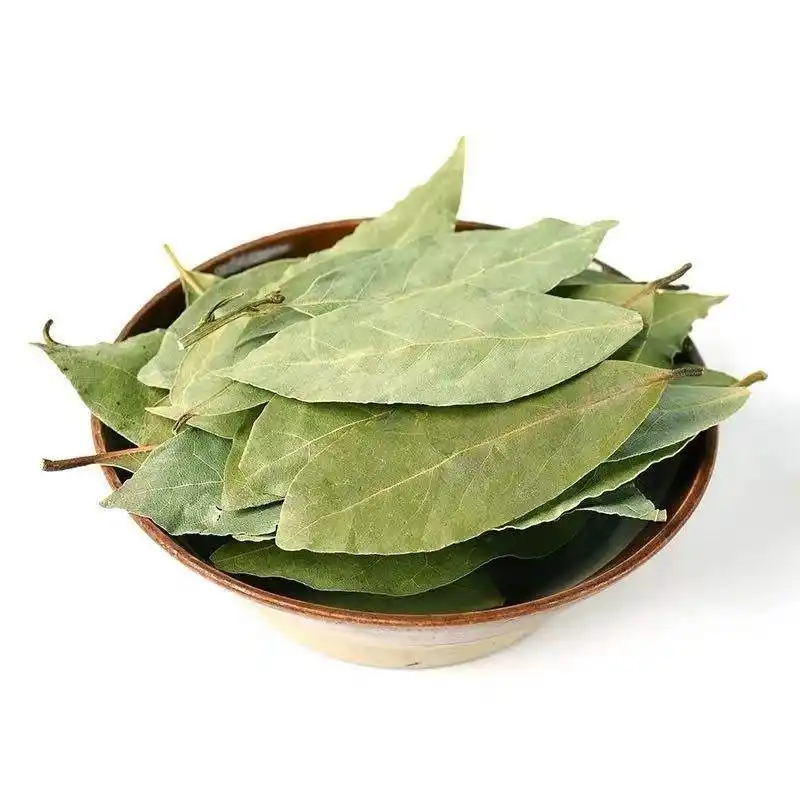
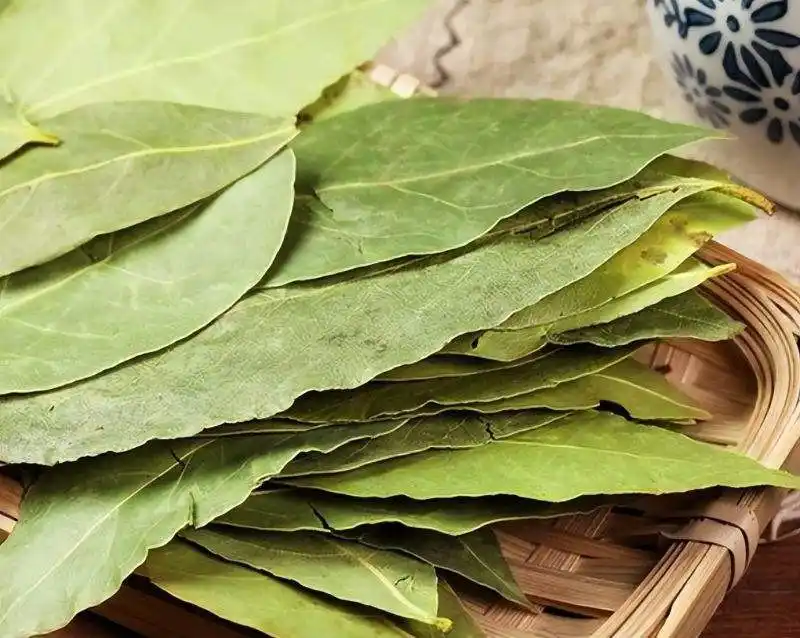
When you buy Bay Leaf (Xiang Ye) in bulk, you’re not really buying “a spice.” You’re buying a spec. And if you don’t lock that spec, you’ll get a mixed bag: nice whole leaves on top, broken bits at the bottom, and your IQC team looking at you like… bro, what did we order.
This article argues one simple thing: wholesale grading must start with whole leaf ratio and broken control, then back it up with packing, humidity, and foreign matter limits. That’s how you stop arguments, chargebacks, and endless “same grade” emails.
If you’re sourcing through GuoCao, you can start here:
Whole leaf ratio is the fastest way to grade bay leaves at wholesale. It’s visible. It’s measurable. It maps to real downstream pain.
Why whole leaves matter in different sales channels
Foodservice / culinary retail: Whole leaves are easy to count, toss in, and pull out. Broken leaf turns into “leaf dust” and ruins the look.
Tea bag / sachet packing: Too many fragments = messy line, inconsistent fill, more rework.
Industrial grinding / extraction: You can accept more broken, but you still need clean material and stable moisture. Otherwise you’ll fight mold, smell, and yield swings.
So don’t write “premium quality” on a PO. Write numbers.
Broken leaves control
Broken control isn’t only “sorting better.” It’s a supply chain problem.
You can start with two rules:
Define broken. (Example: pieces under a set length like 1.5 cm. Pick your own line and stick to it.)
Put a max % in the PO. If you don’t, you’ll be stuck arguing about photos.
What causes breakage (the ugly truth)
Over-compression during packing
Rough handling (vibration, over-stow, bad pallet edges)
Bad humidity exposure (soft → brittle → crack)
Most disputes happen because buyers only test the final carton, then blame “factory QC.” But breakage happens after packing too. That’s why you need control points, not only sorting promises.
Pressed bales
Pressed bales ship dense. They also crush leaves. Both can be true.
If you want a high whole leaf ratio, pressed bales are a risk. You might still use them for industrial scenarios, but then the grade must reflect that.
Cartons vs bales (how buyers decide)
Cartons: better leaf integrity, cleaner sampling, easier resale. Great for “Hand Selected” style grades.
Pressed bales: good for volume moves, but higher breakage. Better for grinding/extraction grades.
Put it straight in your contract language:
“Packing: cartons only” for high whole leaf ratio SKUs.
“Bales allowed” only when you’ve already accepted higher broken tolerance.
No drama, no surprises.
Relative humidity 60–70%
Humidity is where “looks fine” becomes “smells wrong.”
Bay leaves are dry botanicals. If humidity goes too high, you invite musty odor and mold risk. If it swings a lot, leaves can go soft and then brittle, and breakage climbs during handling.
So treat humidity like a spec item, not a warehouse detail:
Ask about warehouse type (normal / cool / controlled atmosphere).
Ask for moisture stability and how they protect during ocean shipping (liners, pallet wrap, container loading discipline).
GuoCao already talks about controlled storage setups and export readiness. If your main headache is quality drift in transit, that matters.
Moisture is tricky because people argue with one number like it’s magic.
Here’s the practical buyer view:
Moisture too high = mold risk, musty smell, shorter shelf life.
Moisture too low = brittle leaves, higher breakage.
So don’t just say “dry.” Put a moisture max in your spec, and align it with your storage plan and shipping lane.
If you’re selling into food and supplement channels, you’ll likely want a tighter target than a generic baseline. And yeah, you should test it. Not once. Every lot.
That’s where third-party COA helps, because it stops the “trust me bro” loop. GuoCao positions COA capability as part of its export workflow.
If you only grade by whole leaf ratio, you can still buy a pretty-looking lot with trash inside. Happens all the time.
So add extraneous matter and foreign material limits:
Stems, twigs, stones, fibers, dust
Any “hard stuff” that breaks grinders and makes customers angry
This is where the real industry black talk shows up:
IQC fail
NC report
CAPA
hold & release
chargeback
You don’t want that. Your buyer also don’t want that. (see, little bad grammar, but you get it)
FDA “moldy pieces” and “insect-infested pieces”
If you sell into the U.S., your spec must respect compliance reality. Mold and insect damage aren’t “appearance issues.” They can trigger customs headaches and rejection risk.
So write defect limits in plain terms:
moldy pieces max %
insect-damaged pieces max %
odor must be normal (no musty)
This is boring stuff, but boring is good. Boring clears customs.
Hand Selected / Semi Selected / FAQ / Grade 2 Standard
Grade names are messy. Different sellers use the same label for different numbers. That’s why you should treat these as market reference words, then always attach your own numeric spec.
Here’s a simple way to translate “grade talk” into PO language:
Market label (common)
Whole leaf ratio (min)
Broken leaves (max)
Recommended packing
Best-fit scenario
Hand Selected
95%
1%
cartons
culinary retail, premium foodservice, resale
Grade 2 Standard
80%
10%
cartons
mainstream spice trade, distributors
Semi Selected
45%
5%
cartons/bales (case-by-case)
value buyers, mixed channels
FAQ (Fair Average Quality)
30%
40%
pressed bales
grinding, extraction, industrial
Use the table as a negotiation map. If a supplier says “Hand Selected,” but wants bale packing, that’s a mismatch. Fix it before you pay.
IQC sampling plan
Don’t overcomplicate it. You just need a repeatable method.
A clean incoming workflow
Take samples from top/middle/bottom of cartons (or bales).
Separate whole vs broken using your written broken definition.
If you’re a big buyer, add an AQL-style sampling rule so your QC team doesn’t argue about sample size every time. Keep it simple.
A PO-ready grading spec template (copy/paste)
Below is a spec frame you can drop into a purchase order. Change numbers based on your channel.
Spec item
Grade A (whole leaf)
Grade B (standard)
Grade C (industrial)
Whole leaf ratio
≥ 95%
≥ 80%
≥ 30%
Broken leaves
≤ 1%
≤ 10%
≤ 40%
Broken definition
pieces under ___ cm
pieces under ___ cm
pieces under ___ cm
Moisture content
≤ ___%
≤ ___%
≤ ___%
Extraneous matter
≤ ___%
≤ ___%
≤ ___%
Moldy pieces
≤ ___%
≤ ___%
≤ ___%
Insect-damaged pieces
≤ ___%
≤ ___%
≤ ___%
Packing
cartons only
cartons preferred
bales ok
COA
required each lot
required each lot
required each lot
This is the “spec lock.” Once you lock it, sourcing becomes calm. You’ll still negotiate, but you won’t fight about definitions.
Where GuoCao fits (and why it’s not just marketing)
If you’re buying Xiang Ye as part of a wider herb + spice basket, you want a supplier who can handle:
lot traceability (so you can track what went where)
stable storage (so quality doesn’t drift)
third-party testing (so QA has proof, not opinions)
OEM/ODM packaging options (so you can match grade to channel)
GuoCao positions itself as a one-stop wholesale supplier for Chinese medicinal herbs and spices, with GMP production, ISO 22000 food safety system, warehouses, and COA testing support. That’s exactly the setup buyers ask for when they’re tired of inconsistent lots. Browse the broader catalog here: Dried Spices category If you need packaging/spec customization: Custom Chinese herbal & spice solutions
And if your pipeline includes functional drink projects, GuoCao also covers enzyme-based products, which matters if you’re building a “herb + beverage” portfolio.
Our low MOQ of 1 kg (2.2 lb) makes it easy to order Chinese herbal slices or wholesale Chinese medicine herbs. Private-label and bilingual labeling are also available.
Delivery Cycle & Support
We have a fast 7-day lead time. We provide free samples, COA reports, and technical support to help you bring high-quality bulk Chinese herbs to market.
Quality & Certifications
Our products are manufactured in a GMP-certified facility and meet ISO22000 standards. All Chinese herbs are third-party tested for heavy metals, pesticides, and microorganisms.