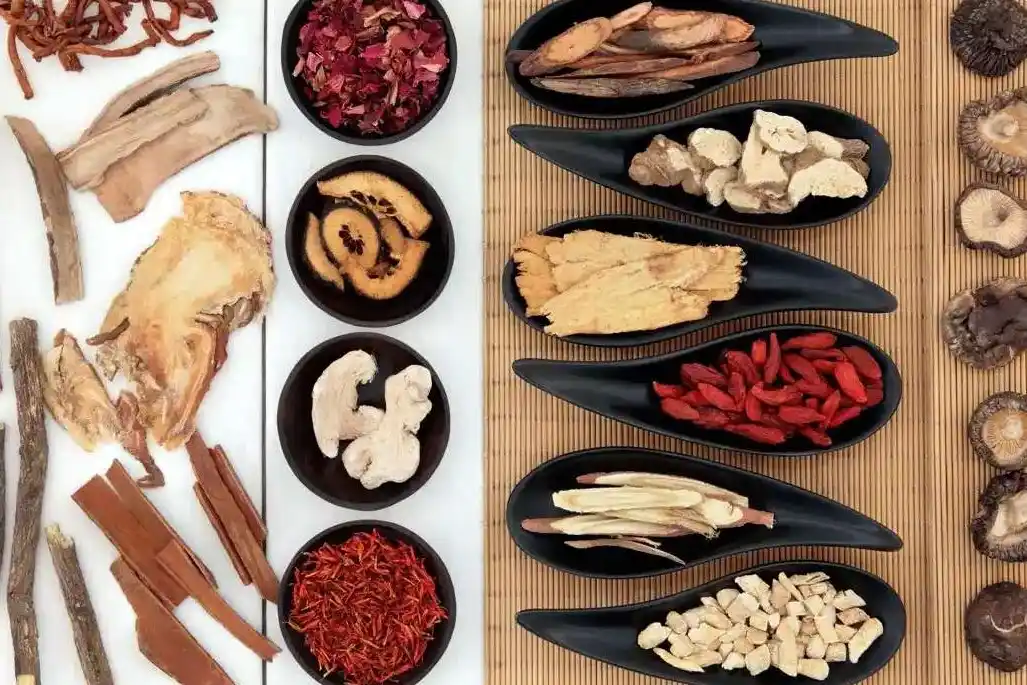
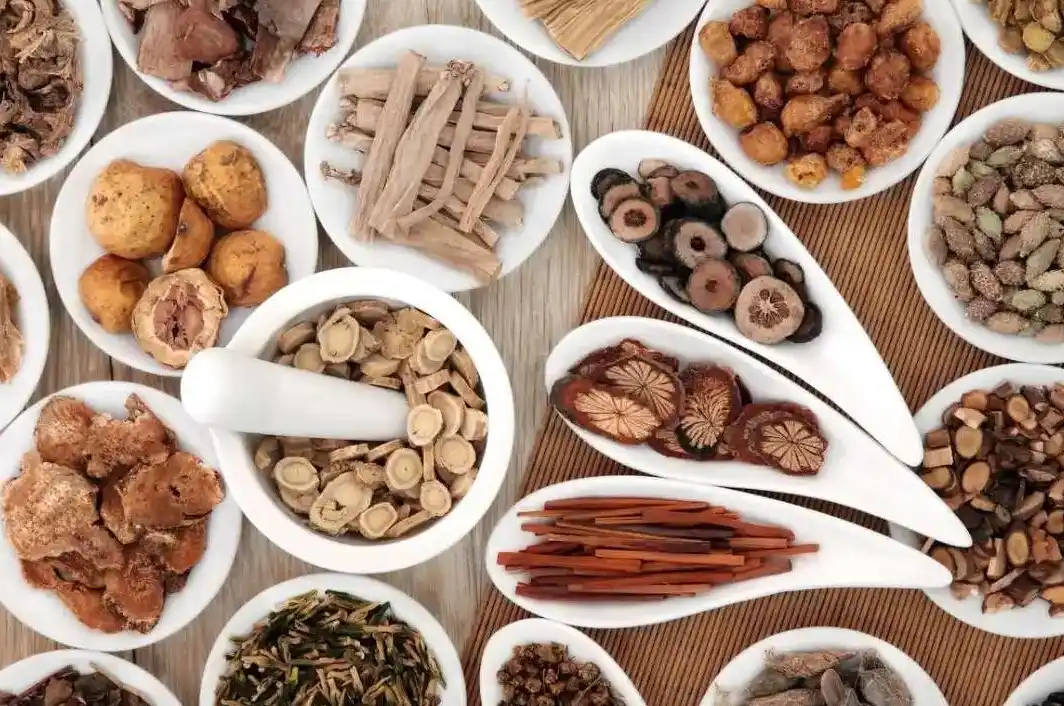
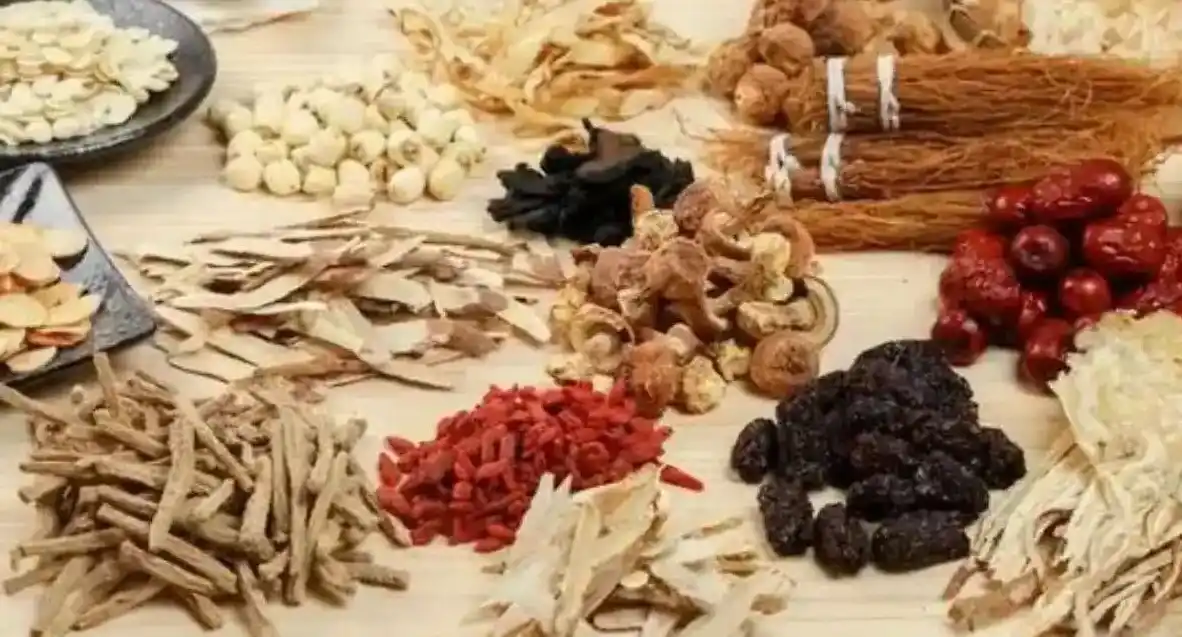
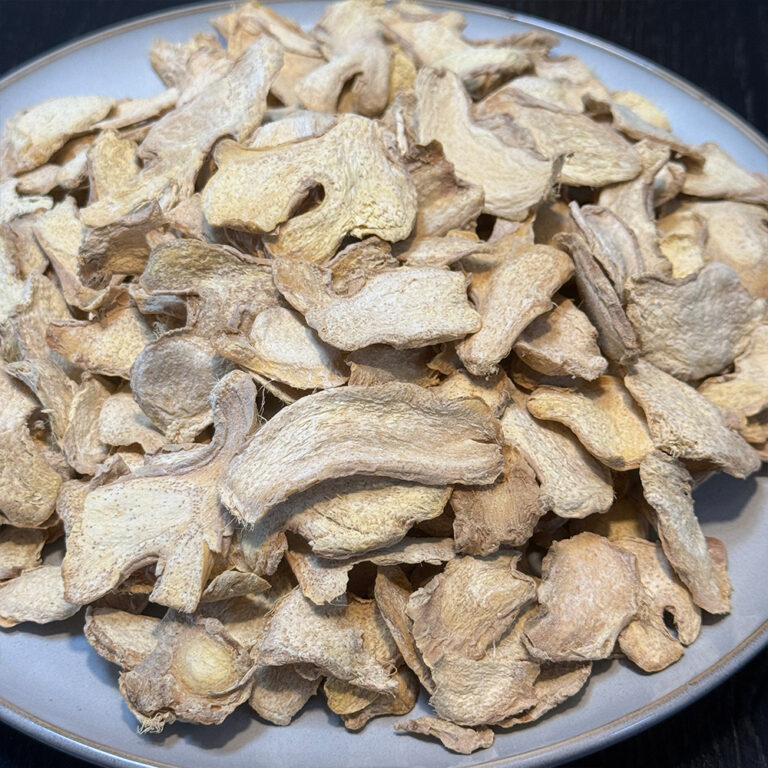
Buyers don’t usually ask for “more herbs.” They ask for more SKUs. What they really want is coverage: more use-cases, more pack sizes, more formats, more compliance-ready paperwork. They want it without random quality swings, mixed batches, or a warehouse that feels like a puzzle you can’t solve.
So here’s the approach that actually scales: pick one base set of Chinese herbs you can keep stable, then build a multi-SKU product matrix on top of it. Same foundation. More sellable outputs.
GuoCao already runs this way. They sit in the “one-stop” lane for wholesale Chinese medicinal herbs & spices, plus OEM/ODM. They also have GMP production, ISO 22000 food safety, multiple storage zones (normal temp / cool / modified atmosphere), and third-party COA testing. That combo matters when you start multiplying SKUs fast. Start here if you want the full catalog entry: Wholesale Chinese Medicinal Herbs and Spices Supplier – GuoCao
One Base Set: Chinese Herbal Slices Core Lineup
A base set isn’t a “wishlist.” It’s the group of items you can reorder all year with the same look, smell, moisture behavior, and test profile. You want herbs that can survive global transit, pass IQC, and stay consistent lot-to-lot. If the base set wobbles, your SKU matrix will wobble too. Then you’re stuck chasing complaints instead of shipping.
When you pick the base set, use these filters:
Stable supply + repeat demand (the “always moving” items)
You’re not just choosing herbs. You’re choosing standards:
one internal naming system (no alias chaos)
one lot coding logic
one acceptance checklist (appearance, odor, cut, moisture feel)
one test panel baseline (then buyer-specific add-ons)
Do this once, and your future SKUs feel like Lego. Skip it, and every new SKU becomes a custom project. That’s where margin goes to die, honestly.
SKU Matrix Design: Cut Size, Format, Pack Size, and Use-Case
A product matrix isn’t “adding random items.” It’s turning the same base set into different sellable lanes.
Think of it like four levers:
Cut size / processing
Format
Pack size
Use-case positioning (without crossing into medical claims)
Cut Size and Processing for Chinese Herbal Slices
This is the simplest multiplier, and it’s underrated. One herb can become multiple SKUs just by changing:
decoction cut vs tea-cut
slice thickness windows
sorting grades (visual spec)
Cut control sounds small, but it’s a huge buyer pain. Factories hate when fill weights drift because cut size drifts. Clinics hate when decoction behavior changes. Retail hates when the jar looks inconsistent.
Format: Chinese Herbal Slices, Tea Bags, and Fermented Functional Drinks
This is where you open new channels while keeping the same base set.
Bulk slices are your “B2B core.”
Tea bags hit daily routine and retail channels.
Fermented / enzyme-style herbal drinks hit the functional beverage lane.
Pack Size: Sample Packs, Pilot Packs, Channel Packs
Pack size is a quiet money-maker. It solves different buyer problems:
sample packs reduce RFQ friction
pilot packs support first PO without fear
channel packs fit retail, distributors, clinics, factories
And yep, the pack size plan should match your picking plan. Otherwise your warehouse team will hate you.
Multi-SKU Product Matrix Table: One Base Set → Many SKUs
Here’s a matrix you can use as a blueprint. It’s built to reduce chaos at IQC and in the warehouse, not just look nice on a slide.
Matrix Lever
What You Lock First (Non-Negotiable)
SKU Outputs You Can Build
Typical Buyer Use-Case
Ops Notes (Real Painkillers)
Base set herb
identity, cut window, moisture behavior
single-herb slices, blend kits
factories, clinics, distributors
“spec lock” early, keep a golden sample
Cut size
thickness, particle range, sorting grade
decoction cut, tea-cut, premium grade
clinics vs tea brands
prevents fill drift, reduces IQC rejects
Format
process flow, line clearance rules
bulk slices, tea bags, drink inputs
supplements, functional beverage brands
change control matters, dont “quiet tweak”
Pack size
label rules, lot code rules
1kg sample, retail pack, bulk carton
global buyers
picking accuracy + traceability saves you
Storage lane
zoning + FEFO rules
aroma-sensitive SKUs, moisture-sensitive SKUs
anyone shipping long distance
odor migration is real, so separate lanes
Documentation pack
COA template + test scope
export-ready SKUs
US/EU/AU buyers
paperwork is part of product, no joke
GMP Chinese Herbal Slices and ISO 22000 Food Safety
Once you go multi-SKU, you’re not just scaling “products.” You’re scaling process control. That’s why GMP and ISO 22000 aren’t marketing fluff. They’re the systems that keep SKU expansion from turning into a quality spiral.
GuoCao positions this clearly: GMP production lines for herbal slices, plus ISO 22000 food safety management, plus third-party COA testing capability. They also state annual capacity reaches 2,500 tons, which matters when you move from pilot to real volume. If you want the structured overview: The Complete OEM/Private Label Guide for Chinese Herbal Slices (GMP/ISO 22000/COA)
What GMP/ISO control looks like day-to-day
In plain terms, these systems help you do three things:
stop undocumented changes (change control, CAPA when needed)
It’s boring, but it keeps your matrix alive.
COA Testing: Pesticide, Heavy Metals, Micro, and Batch Traceability
If you sell globally, you already know this: customs and buyers don’t care about your brand story. They care about the COA pack and whether it matches the lot code on the carton.
For US and EU buyers, the usual stress points are:
pesticide residue expectations
heavy metals panel expectations
microbiological limits
lot traceability (where did this batch go, exactly)
Here’s the key idea: your documentation should scale with your SKUs. If every SKU needs a brand-new document system, you’ll move slow forever.
Storage Zoning: Normal Temperature, Cool, and Modified Atmosphere
SKU growth usually breaks in the warehouse first, not in production. Because more SKUs means:
more pick faces
more look-alike items
more partial cartons
more “oops wrong lot” moments
The fix is zoning plus traceability discipline. GuoCao spells out storage zoning and SKU control in a very ops-focused way, including normal-temperature storage, cool storage, and modified-atmosphere storage. That’s a strong setup when you ship across climates. Read: Managing Dozens of Chinese Herb SKUs: Storage, Batch Traceability, and Shelf Life Control
Moisture control and odor control
Two common failure modes:
moisture creep (then you get clumping, off-odor, or worse)
odor migration (strong aromatics “perfume” the neighbors)
So you build lanes:
aroma-heavy separated
moisture-sensitive separated
quarantine area for holds
FEFO picking rules (first-expire-first-out)
It’s not sexy. It’s profit.
OEM/ODM Chinese Herbal Slices: How to Scale Without Losing Control
If you’re building a matrix, OEM/ODM is how you move fast. But you need a clean process. Otherwise it turns into never-ending “special requests.”
Spec lock: define acceptance criteria, test scope, label rules.
Golden sample: one reference that everybody uses.
Pilot run: small batch with full doc pack, like a dress rehearsal.
Scale run: same spec, same doc logic, same warehouse lane.
Do that, and adding SKUs feels like a controlled rollout, not chaos.
Business Value: Why This Matrix Strategy Sells
A clean SKU matrix does three commercial things:
It shortens the sales cycle. Buyers approve faster when your doc pack and quality behavior are consistent.
It expands channels. Same base set can serve factories, clinics, tea brands, beverage brands, and distributors.
It reduces hidden costs. Not “cost” on paper. I mean the real pain: rework, relabeling, quarantine holds, and customer claims.
GuoCao’s value is that they can support the whole chain—manufacturing, storage zoning, export readiness, OEM/ODM, and even fermented functional drink production—while shipping to 30+ countries and regions. That global coverage matters when you want to build one matrix and sell it everywhere, not rebuild per market.
If you’re exploring channels, these two format lanes often unlock new buyers fast:
Quick Checklist: Build Your Product Matrix in 4 Moves
Pick the base set (start with stable categories like roots/rhizomes).
Lock specs + doc templates (COA, lot rules, acceptance checks).
Choose 2–3 matrix levers (cut size + pack size is the easiest start).
Design warehouse lanes early (zoning, FEFO, quarantine, traceability).
This is not fancy strategy. It’s just the stuff that keeps you scaling without breaking.
And if you want a supplier that’s already built for this model—GMP herbal slice production, ISO 22000, multiple storage conditions, third-party COA testing, OEM/ODM, and global export—then it’s worth talking with GuoCao through the main site: GuoCao Wholesale Chinese Medicinal Herbs & Spices
Our low MOQ of 1 kg (2.2 lb) makes it easy to order Chinese herbal slices or wholesale Chinese medicine herbs. Private-label and bilingual labeling are also available.
Delivery Cycle & Support
We have a fast 7-day lead time. We provide free samples, COA reports, and technical support to help you bring high-quality bulk Chinese herbs to market.
Quality & Certifications
Our products are manufactured in a GMP-certified facility and meet ISO22000 standards. All Chinese herbs are third-party tested for heavy metals, pesticides, and microorganisms.