You want greener packs that still protect aroma, pass customs, and look good on shelf. Let’s keep it practical. I’ll walk you through real packaging routes, QA checkpoints, and how to plug them into GuoCao’s export workflow. No fluff—just what actually ships.
GuoCao runs GMP herbal slicing with ISO 22000, third-party COA, ambient/cool/modified-atmosphere warehouses, and ~2,500-ton annual capacity. We support OEM/ODM and ship to 30+ countries. That backbone matters when you scale eco packaging for herbs.
Recyclable Mono-Material Packaging (PE/PP) for Dried Herbs
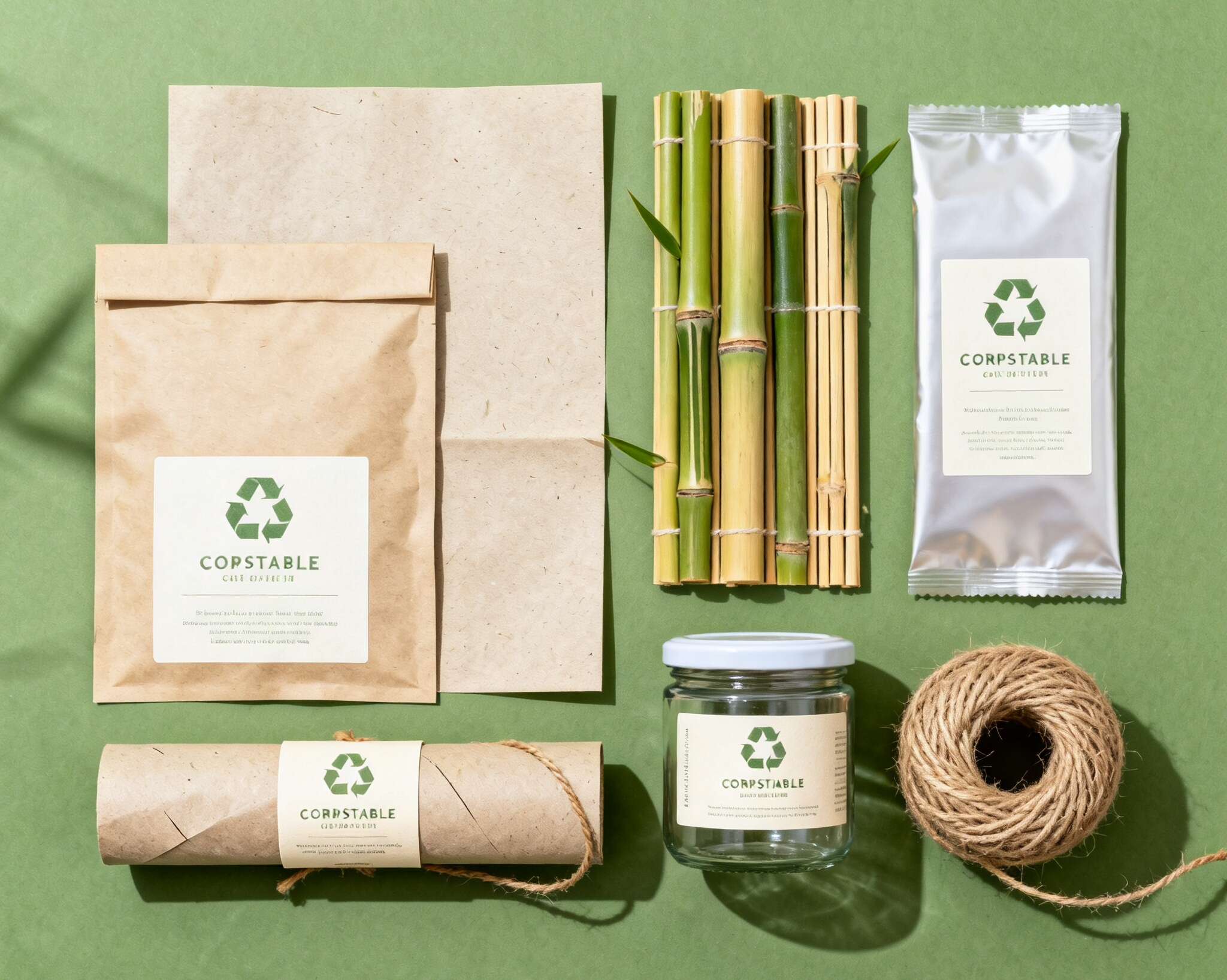
If you export low-moisture botanicals, mono-material pouches (PE or PP) are your go-to for recycling-ready design. Keep the structure simple (film + printable layer), use solvent-free lamination, and lock the sealing window. You get clean conversion, strong seams, and easier post-consumer sorting.
Scenarios: bulk herbs, spice refills, most roots & rhizomes. Why it works: good moisture control, decent oxygen with the right coating, fast line speed. Heads-up: humidity spikes can lift OTR—pair with nitrogen flush when needed.
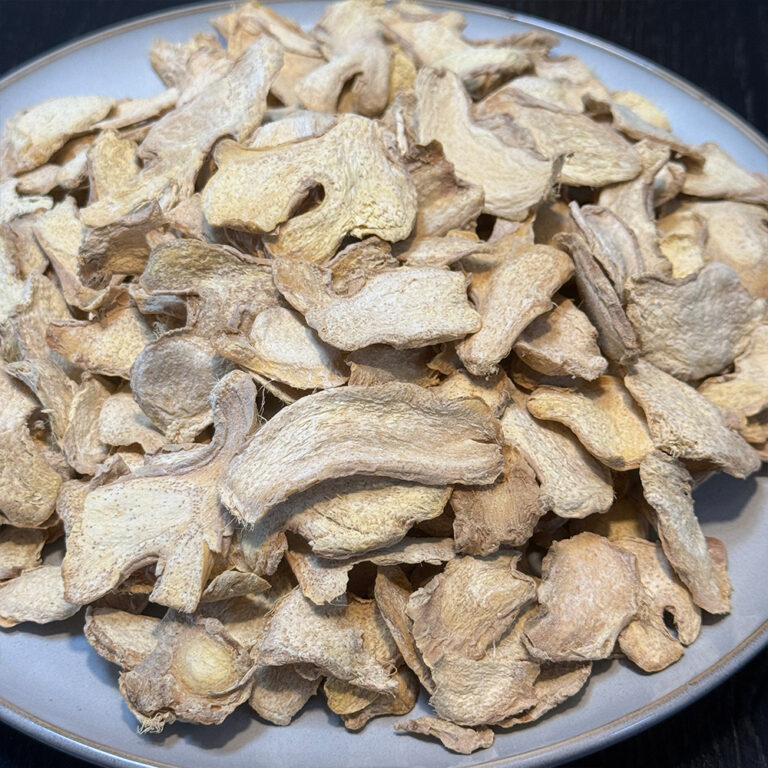
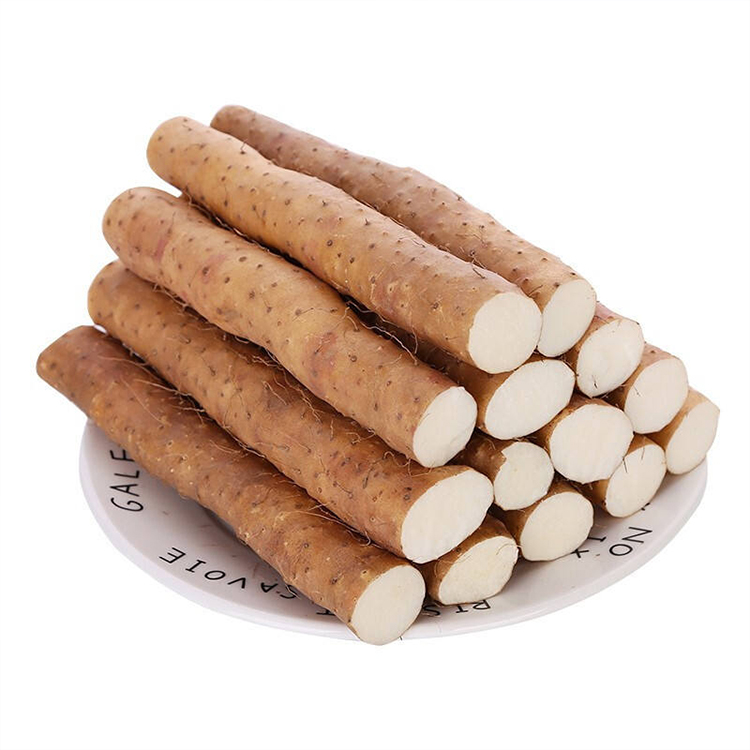
GuoCao tie-in: if you’re sourcing roots & rhizomes or wholesale spice cuts, we can spec mono pouches for refill SKUs, with bilingual labels and batch coding baked in.
Compostable Cellulose/PLA Films for Herbal Tea & Botanicals
Compostable films—cellulose or PLA—shine for sachets and retail pouches. They look premium, print crisp, and feel eco in hand. For high-aroma herbs, add a barrier coating so oxygen stays out and terpenes stay in.
Scenarios: specialty teas, single-dose sachets, gift boxes, D2C pouches. Why it works: strong sustainability story, tactile shelf appeal. Heads-up: moisture management is the boss; add a paper overwrap or inner bio-barrier in humid lanes. Always label disposal path honestly (industrial vs. home compost) for the destination market.
GuoCao tie-in: perfect with fragrant flowers & whole-herb profiles (chrysanthemum, osmanthus, mint blends). We set sachet count per box, batch codes, and brew guides.
Refill Pouches + Reusable Jar Strategy (Retail)
Want lower footprint without hurting shelf life? Use a sturdy jar for first purchase, then push refill pouches (light, barrier-smart) for repeat buys. It’s a simple two-step loop that cuts shipping mass and keeps your brand sitting on the consumer’s counter.
Scenarios: health stores, tea bars, upscale grocers. Why it works: jar anchors the brand; refill stays light and efficient. Heads-up: mind cap-liner spec to avoid aroma leakage; add a mini desiccant where humidity’s nasty.
GuoCao tie-in: launch fast via OEM/ODM—jar + label kit + refill SKU. MOQ stays friendly for pilots.
ISPM 15 Wood Packaging (Pallets & Crates) for Export Herbs
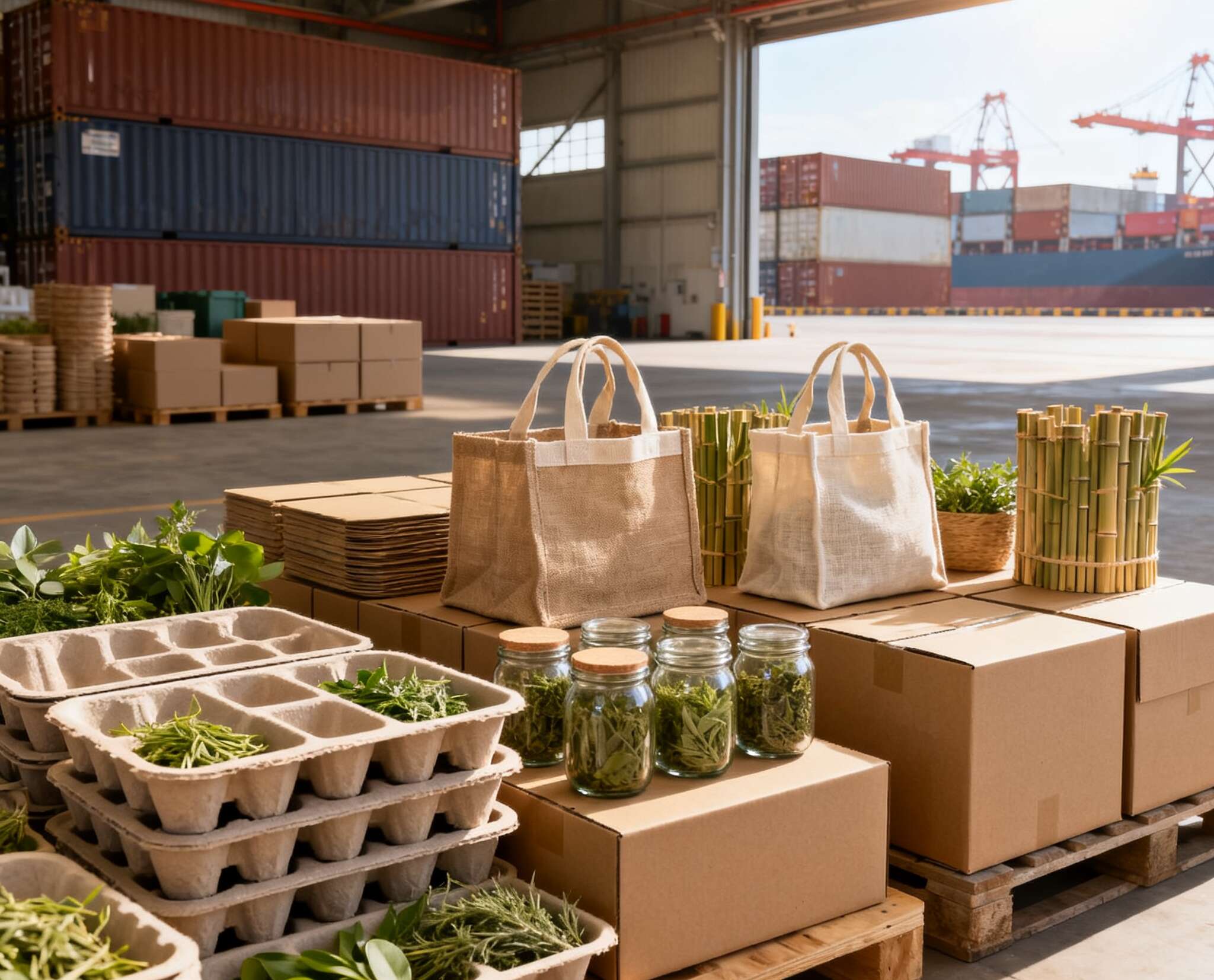
Herbs ride pallets and sometimes wood crates. They must be ISPM 15 heat-treated and stamped. No stamp, big chance of hold at the border.
Quick checklist:
“HT” mark on pallets/crates.
Treatment record on file with your 3PL.
Stretch + corner boards to prevent carton crush; humidity-resistant cartons for sea freight.
GuoCao tie-in: we ship globally with the paperwork aligned, so you focus on sell-through, not customs drama.
Water Activity (aw) Control and Shelf-Life Guardrails
Shelf life starts with aw control, not the pouch alone. For dried botanicals, keep aw low enough to choke mold and lock volatiles, then choose barrier to hold that aw across the route.
How we run it:
Set a target aw per SKU (herb-specific).
Pick films with WVTR/OTR that hold target aw in your lanes (air vs. sea; humid vs. arid).
Validate with accelerated + real-time pulls.
Add desiccants only where the product truly needs it—don’t hide process issues.
Pro tip: high-oil spices (clove, cinnamon) need tighter oxygen control than woody roots. Don’t over-engineer every SKU the same.
OTR/WVTR Barrier Specs: Choosing Pouches and Sachets
You’ll hear these two all the time:
OTR (Oxygen Transmission Rate): lower keeps aroma and color.
Simple rule: volatile-rich flowers and spices want low OTR; hygroscopic slices want low WVTR. Pick film first for function, then printing, then windows (if any). In that order.
Line-trial talk: “We’ll run a 2-web laminate with bio-barrier on web-2, keep seal temp gentle to protect coating, and pull a nitrogen TPO check at outfeed.” That’s Tuesday, not theory.
Eco film alone won’t save a product if storage is sloppy. We combine ambient, cool, and modified-atmosphere rooms to match product needs, then stage dispatch by lane conditions.
Cool chain where needed. Some flowers stay brighter when you limit heat spikes.
MA storage for sensitive lots. Lower oxygen buys you time pre-packing.
Humidity discipline. Pre-pack conditioning avoids painful moisture swings on the dock.
If you’re mixing air and sea freight, we set different pack specs so both arrive right. No “one-size” here, it don’t hold.
Voice, Keywords, and Buyer Pain—All in One Place
Tone: plain English, direct, a little gritty. We cut filler, we show steps.
Keywords that belong here: recyclable mono-material, compostable packaging, ISPM 15 pallets, oxygen transmission rate (OTR), water vapor transmission (WVTR), water activity (aw), nitrogen flush, OEM/ODM, ISO 22000, GMP, COA, refill pouch, jar reuse.
Jargon (useful, not fluff): seal window, line trial, barrier stack, HT stamp, EPR alignment, transit-fit, batch trace, desiccant program.
Pain we solve: customs holds, aroma fade, caking, label errors, heavy first-ship weight, slow dev cycles.
Peppery bark vs. leaf petals: the bark tolerates mono-material pouches with strong seals; the petals love sachets with low OTR and a paper carton to block light.
Sea freight in humid months: swap in a moisture-smarter laminate, add carton liners, and tighten seal windows. Nitrogen flush helps, but don’t let it hide bad aw.
D2C subscription kit: jar on first order, compostable refills after, plus brew cards. Customers get less waste, you get repeatables.
Our low MOQ of 1 kg (2.2 lb) makes it easy to order Chinese herbal slices or wholesale Chinese medicine herbs. Private-label and bilingual labeling are also available.
Delivery Cycle & Support
We have a fast 7-day lead time. We provide free samples, COA reports, and technical support to help you bring high-quality bulk Chinese herbs to market.
Quality & Certifications
Our products are manufactured in a GMP-certified facility and meet ISO22000 standards. All Chinese herbs are third-party tested for heavy metals, pesticides, and microorganisms.