If you run a big catalog of Chinese herbs, you don’t really manage “SKUs.” You manage risk. Moisture risk. Mix-up risk. Near-expiry risk. And the worst one: “Where did this batch go?” risk.
When things go wrong, it’s usually not some dramatic factory disaster. It’s small ops stuff. A carton gets opened and not resealed. Two lots land on the same pallet. Someone samples a bag and forgets to relabel it. Then a buyer asks for the COA that matches their lot, and your team starts digging like it’s an archeology project.
So let’s keep it practical. Below is a clean playbook for storage zoning, FEFO shelf life control, and batch traceability—built for high-SKU operations, and naturally aligned with how GuoCao runs production and warehousing as a wholesale supplier.
Chinese Medicinal Herbs and Spices SKU Segmentation
Don’t treat “herbs” like one inventory lane. Segment your catalog into lanes that behave differently in storage and picking. This is the fastest way to cut mistakes without turning your SOP into a 200-page novel.
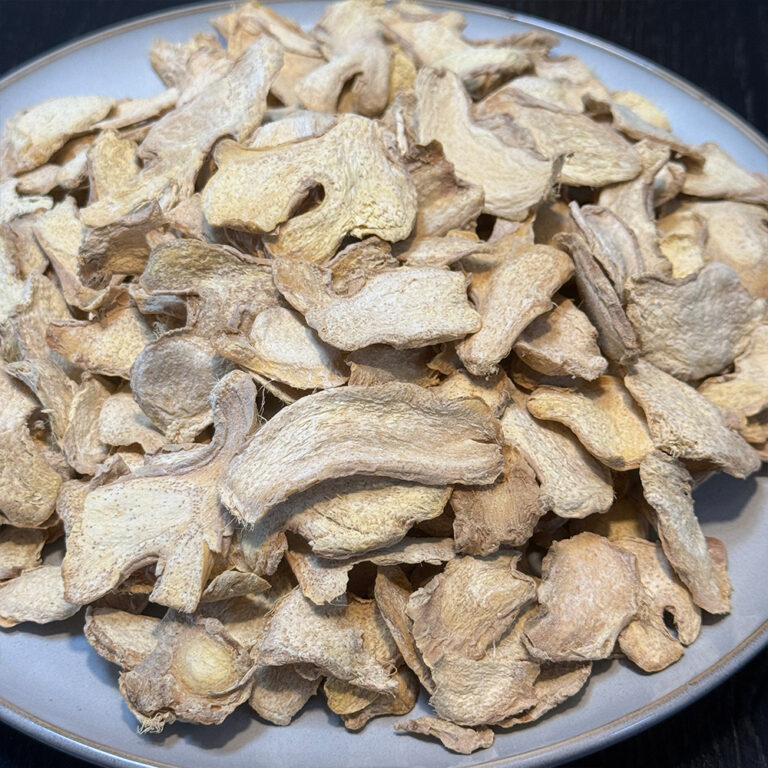
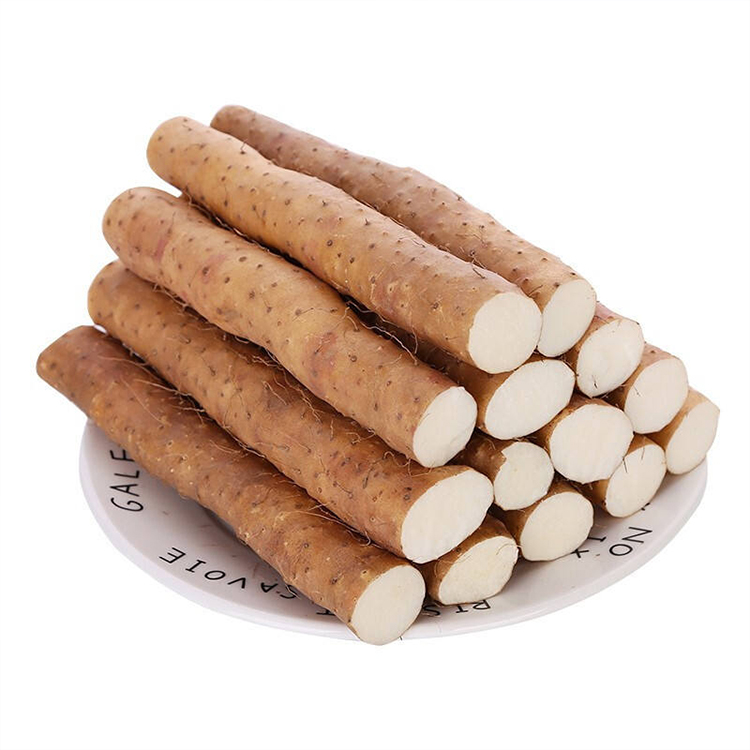
Root and Rhizome
This lane is your volume backbone. It’s stable when dry, but it hates humidity spikes and sloppy bag seals. Roots also drive your pick-face design because they usually move steady across seasons.
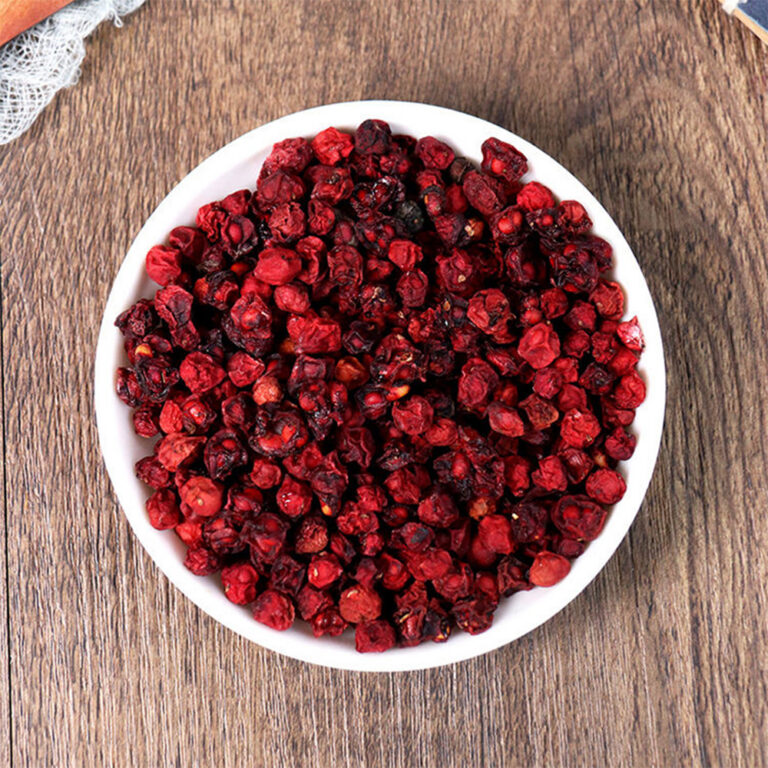
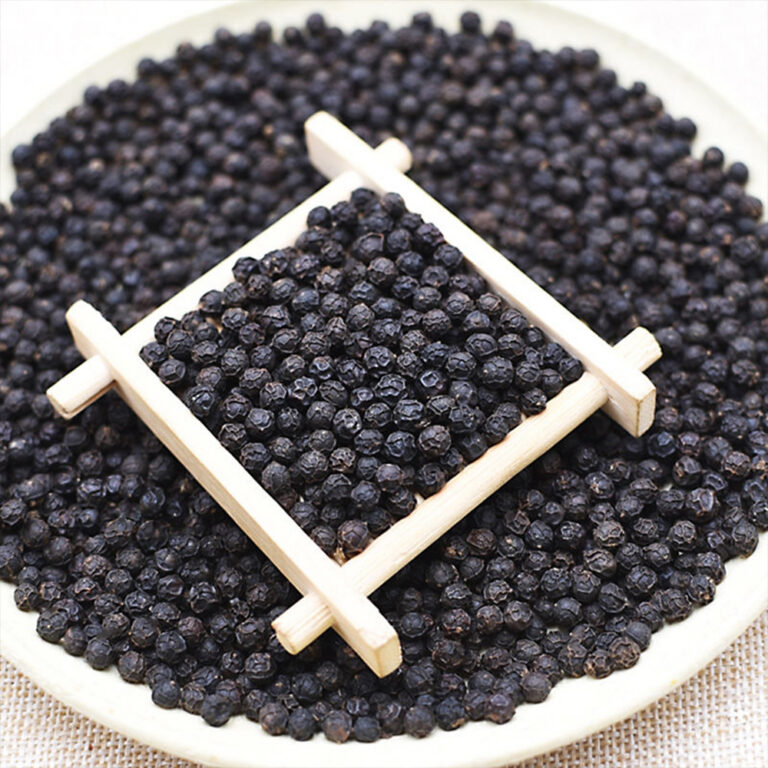
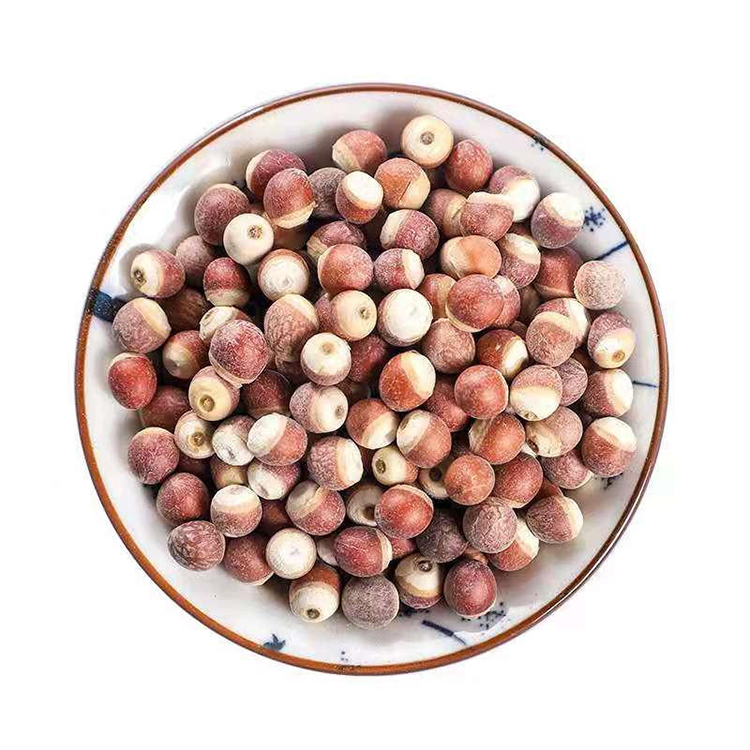
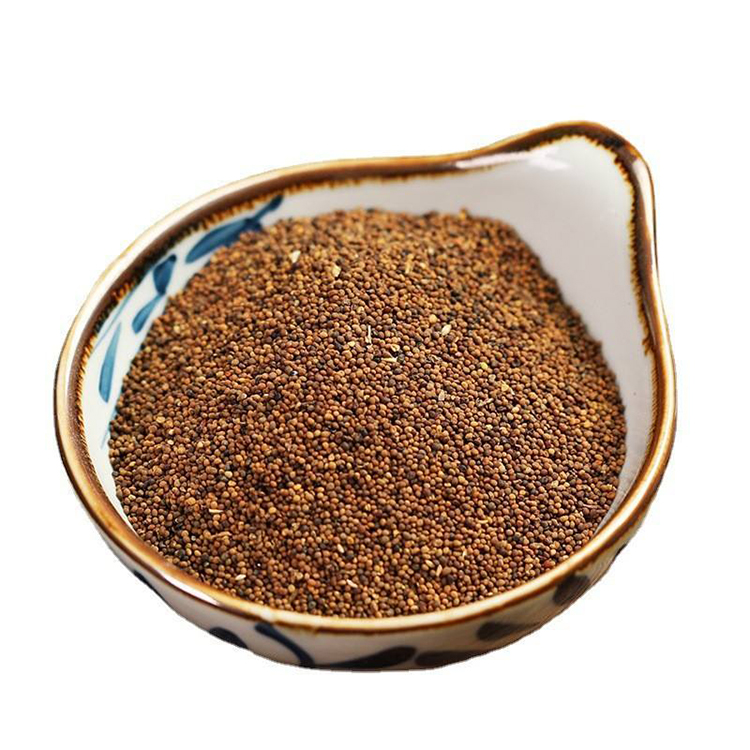
Fruits and seeds can be high sugar, high oil, or super aromatic. Translation: they clump, oxidize, and absorb odors fast. Put them next to strong spices and they’ll smell like the wrong thing. Put them in humid staging and they’ll go “meh” quicker.
Flowers and whole herbs are appearance-and-aroma SKUs. They don’t always “spoil” early, but they lose color, lose nose, and buyers notice. If you’re selling to functional beverage brands or supplement factories, consistency matters or you’ll get rework requests.
This lane benefits from seasonal buying logic and better odor isolation: Flower and Whole Herbs
Animal and Mineral
This is the documentation-heavy lane. Buyers ask more questions. Customs can ask more questions too. You can’t “wing it” on lot genealogy here. You need controlled release rules and tight traceability.
Storage Zoning for Chinese Herbal Slices: Normal Temperature, Cool, Modified Atmosphere
High-SKU operations win by zoning. Not by vibes.
GuoCao’s setup matters here because they run normal-temperature storage, cool storage, and modified-atmosphere storage in-house, plus GMP herbal slice production and an ISO 22000 food safety system. That combination lines up with what importers, nutraceutical brands, and hospitals care about: stable quality and clean paperwork.
Moisture Control and Odor Control
Two truths:
Moisture drift turns “fine inventory” into mold risk or clumping risk.
Odor migration makes your premium herbs smell like the aisle next door.
So your zones should separate:
neutral botanicals vs strong aromatics
higher moisture sensitivity vs stable dry items
open-case picking vs sealed-case reserve
And yes, you need housekeeping. Not as a slogan, but as a daily checklist. Dust, crumbs, and open cartons are basically a pest invite.
Packaging Seal Discipline and Repack Rules
Most mix-ups start during repack, sampling, or partial picks. That’s where you need simple rules:
If a bag gets opened, it gets resealed right now, not “later.”
Partial cases go into a clearly labeled overpack.
Every open unit keeps the lot label visible.
Sampling must leave a trace: who sampled, how much, when, and where it went.
This sounds strict. It’s actually freeing. Your team stops guessing.
Shelf Life Control: Best-By Dates, Near-Expiry, FEFO
Shelf life isn’t a date field. It’s a warehouse habit.
FEFO (First-Expired, First-Out)
FEFO beats FIFO when expiry dates vary across lots. Period.
If your pick rule is “whatever pallet is closer,” you’ll accumulate near-expiry stock in the back like a silent tax. Then you’ll suddenly find it… after it’s too late.
FEFO needs three things:
expiry (or best-by) captured at receiving
locations tied to lot IDs
pick confirmation so no one bypasses the rule
Near-Expiry Management and Hold Status
Here’s a simple near-expiry workflow that actually works on busy days:
System flags near-expiry lots (or your team runs a weekly report).
You move them to a “hold” location. Physical and system status must match.
You choose an action lane: re-test, re-label (if allowed), discount lane, internal use, or scrap.
Don’t let near-expiry lots sit in pick-face. That’s how “oops shipments” happen.
Flowers & Whole Herbs Buying Seasons and Inventory Turns
For flowers and whole herbs, quality drift can show before hard spoilage. That’s why purchasing timing matters. If you buy close to harvest and ship faster, you keep the bright look and strong aroma customers want.
That’s also why a supplier with broad category coverage helps. If one flower is seasonal tight, you can balance your SKU mix without going out-of-stock all month.
Batch Traceability: Batch Record, COA by Batch, Mock Recall
If a buyer asks, “Which batch did this come from?” your answer should be fast. Not heroic.
Batch Record and Lot Genealogy
Your batch record should map:
incoming raw lot
processing lot (slicing/drying if applicable)
packing lot
outbound shipment lots
When that chain is clean, you can do targeted holds and targeted recalls. When it’s messy, you end up quarantining too much inventory “just to be safe.” That kills service levels, and customers feel it.
COA by Batch and Third-Party Testing
In B2B herbal supply, buyers don’t want a generic COA from last year. They want the COA that matches the lot they recieved.
GuoCao supports third-party COA testing capability and runs the kind of factory-direct documentation that commercial companies, hospitals, supplement factories, and beverage brands tend to require.
Mock Recall Drill
Run a mock recall quarterly. It’s boring. It’s also how you sleep better.
Pick one shipped lot and answer these in one sitting:
Which inbound lots fed it?
Where else did those lots go?
Which customers received them?
Can you produce the COA packet and batch trail without chaos?
If it takes hours, your traceability isn’t ready yet. It’s ok. Fix the weak link and run the drill again.
You can’t scale traceability on spreadsheets forever. You’ll try. You’ll suffer.
Location Control and Scan-to-Confirm
This is basic warehouse black-speak, but it works:
No scan, no move.
Locations must be real (not “somewhere in aisle 3”).
Pickers confirm lot at pick, not after packing.
It feels strict for a week. Then errors drop, and your team stops doing rework all day.
Slotting and ABC Cycle Count
Slotting isn’t just “put fast movers in front.” For herbs, slot by risk too.
Aroma-sensitive lane stays away from strong spices.
Controlled lane gets controlled access.
High-velocity SKUs get stable pick-faces so replenishment doesn’t become a daily mess.
Then do ABC cycle counts. Not once a year. Regular. Inventory drift happens in high SKU catalogs, it just do.
Control Matrix for High-SKU Chinese Herb Warehousing
Customer Pain Point
Control You Put in Place
Evidence You Can Show
Commercial Value
“Lots got mixed”
Quarantine / Released / Hold + scan moves
Lot movement log + pick confirm
Fewer claims, smoother audits
“Color/aroma not consistent”
Storage zoning + odor isolation + sealed liners
Storage logs + packaging spec
Better repeat orders
“Near-expiry surprise”
FEFO + near-expiry flag + hold workflow
FEFO rule + near-expiry report
Less write-offs, cleaner stock
“COA doesn’t match”
COA tied to shipment lot
COA packet per shipment
Faster customer release
“Need custom formats”
Spec control + pilot-to-bulk change control
Approved spec + sample trail
Higher-value OEM/ODM deals
GuoCao Capabilities: GMP, ISO 22000, OEM/ODM, Global Wholesale Supply
If you source globally, your supplier’s operations become part of your brand story. So it helps when the supplier is already built for compliance and scale.
GuoCao positions as a one-stop wholesale Chinese medicinal herbs & spices supplier, covering animal & mineral, roots & rhizome, fruits & seeds, flowers & whole herbs, and more: Wholesale Chinese Herbal and Spices Raw Materials Supplier
GMP Chinese Herbal Slices Production Line
GMP matters when you sell to regulated buyers. It’s the difference between “nice product” and “audit-ready product.” GuoCao runs GMP herbal slice production lines and supports bulk and wholesale lanes, plus OEM/ODM customization.
ISO 22000 Food Safety Management System
If your customers are functional beverage makers, supplement processors, or food-adjacent brands, ISO 22000 gives them a familiar safety framework. It makes internal approvals less painful.
OEM/ODM Customization: Chinese Herbal Tea Bags and Herbal Enzymes
A lot of customers don’t want raw slices only. They want formats that sell:
Our low MOQ of 1 kg (2.2 lb) makes it easy to order Chinese herbal slices or wholesale Chinese medicine herbs. Private-label and bilingual labeling are also available.
Delivery Cycle & Support
We have a fast 7-day lead time. We provide free samples, COA reports, and technical support to help you bring high-quality bulk Chinese herbs to market.
Quality & Certifications
Our products are manufactured in a GMP-certified facility and meet ISO22000 standards. All Chinese herbs are third-party tested for heavy metals, pesticides, and microorganisms.