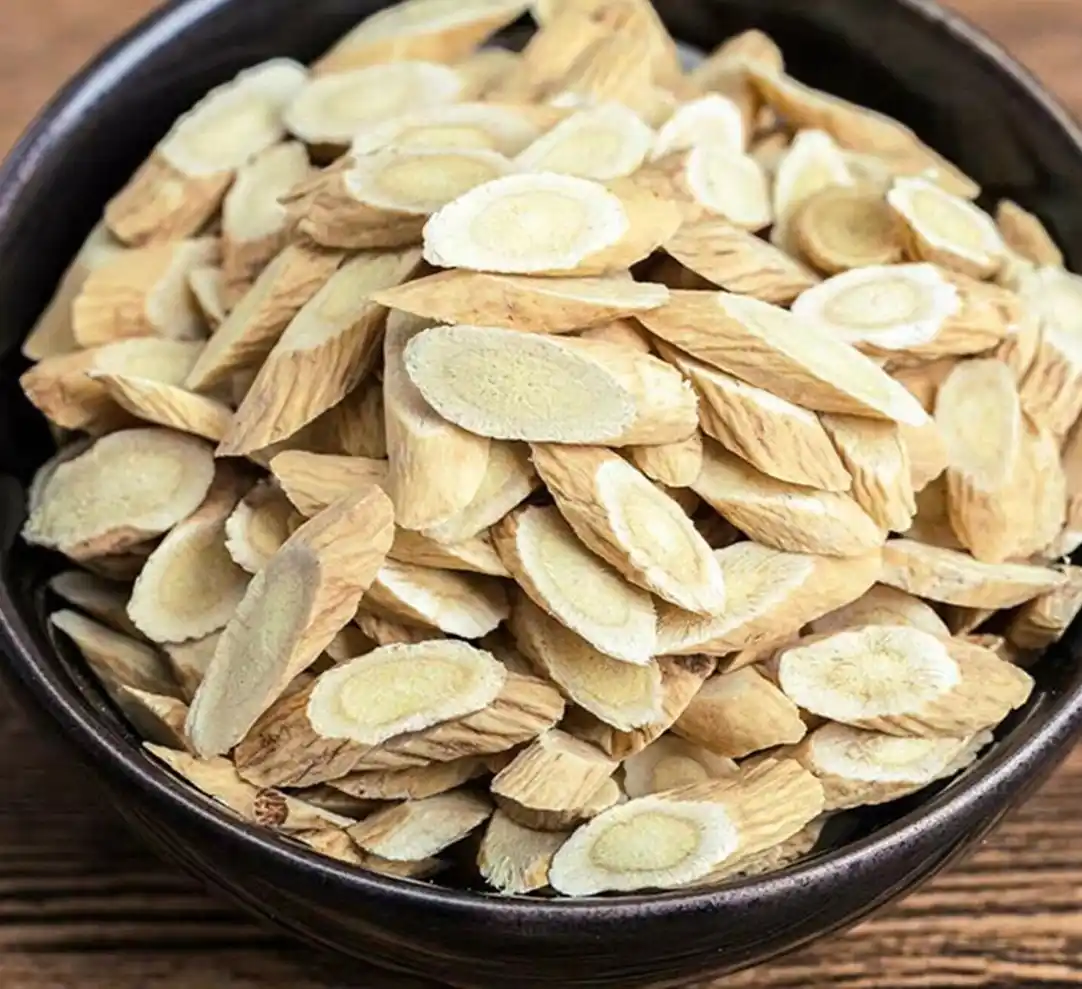
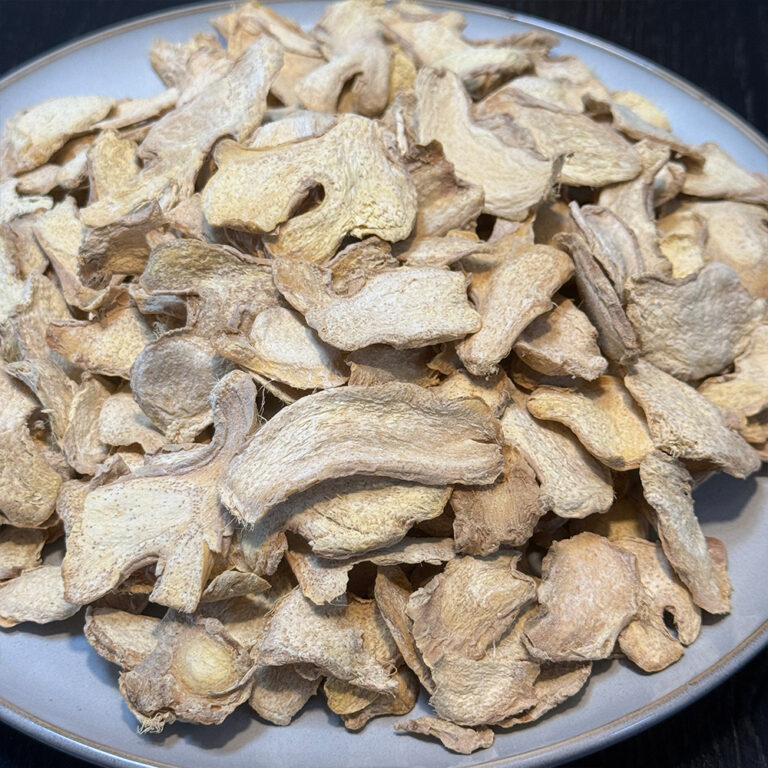
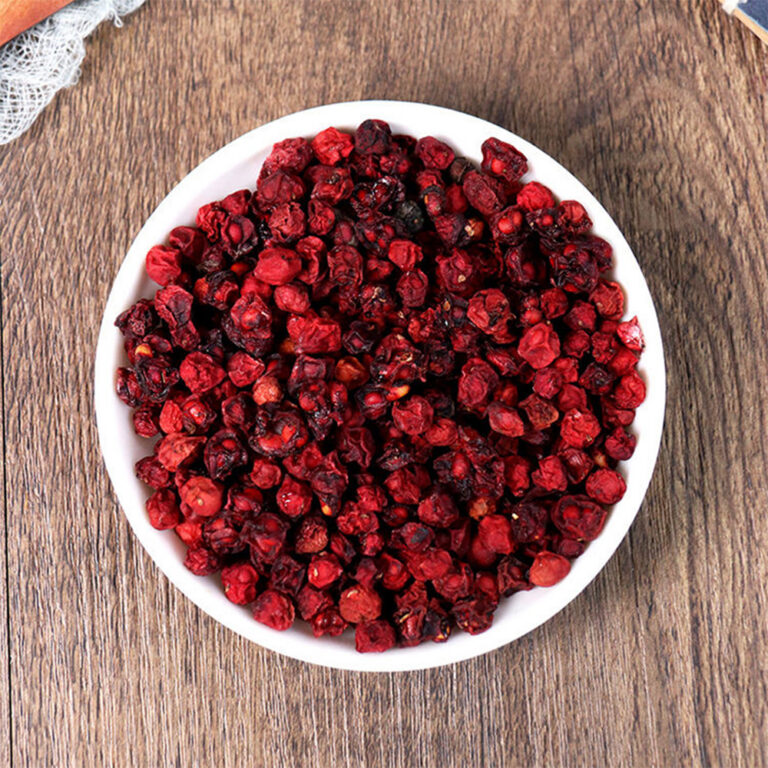
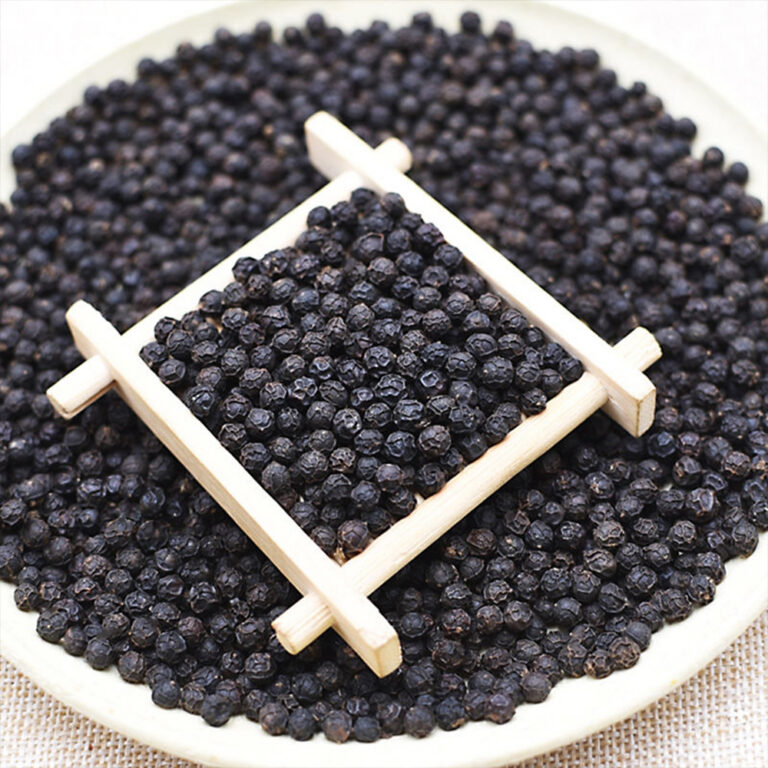
If you’re a global distributor, a hospital system, or a brand launching a new line of supplements, you need to talk about quality. Specifically, you need to talk about the quality of your OEM or private-label Chinese Herbal Slices (Yinpian).
Choosing an OEM partner isn’t like buying paperclips. You are transferring the entire risk of manufacturing, compliance, and product safety to them. When we look at the market, we see smart companies make the same mistakes: they chase the lowest price and ignore the massive hidden costs of poor quality control. That can be a business killer.
You deserve a partner who understands the high stakes. A leading supplier like GuoCao, a premier Chinese Medicinal Herbs and Spices Supplier, handles the complex manufacturing, but you still need to know where the pitfalls are.
Let’s break down the four critical challenges and the exact solutions you must demand.
The Integrity Crisis: Raw Material Authenticity and Adulteration
This is the foundation of your product. If the raw herb is wrong, everything else fails. The market for bulk medicinal materials is huge, complex, and, frankly, sometimes sketchy. You’re not only dealing with intentional fraud—where cheap or inert herbs are substituted for high-value ones—you’re also dealing with accidental misidentification.
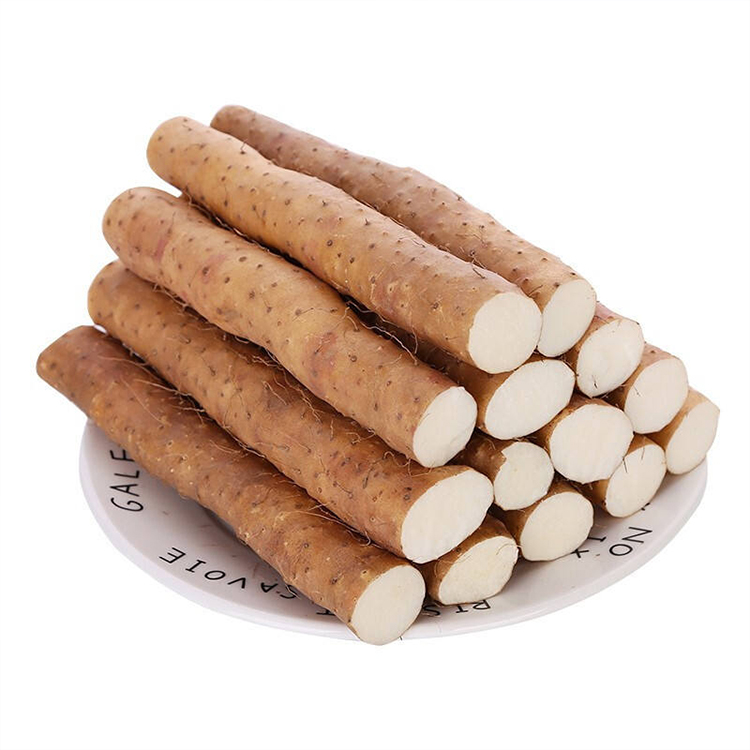
Think about a major bulk category like Roots & Rhizome Wholesale. Many roots look incredibly similar. If you end up with the wrong species, you haven’t just wasted money; you’ve sold a product that doesn’t work and might be harmful. This variability destroys brand loyalty and is a massive compliance pain point in every Western market.
The Solution: DNA Barcoding is Your Best Defense
You need a quality control system that moves past just looking at the herb. You need science.
We insist that top-tier OEMs must implement a three-step Herb ID protocol. This is how you guarantee integrity:
Expert Visual Inspection: This is the first line of defense.
Chemical Fingerprinting (HPLC): This tests for the specific active compounds. It proves the herb is potent.
DNA Identification: This is the ultimate proof. It uses gene sequencing to confirm the species is exactly what the label says. It’s a huge step above what many low-cost suppliers offer.
For specialized or expensive materials, like those in the Animal and Mineral Chinese Herbs Wholesale category, this level of verification is non-negotiable. It’s the only way to eliminate the risk of adulteration, securing the commercial value of your final product.
Safety First: Contamination and Residues
Herbal slices come from plants, and plants grow in soil. That soil, unfortunately, can carry contaminants. For any buyer of Bulk Chinese Medicinal Herbs and Spices, contamination is the most immediate risk to customer health and your corporate reputation.
You’re facing three major safety hurdles:
Heavy Metals: Lead, Cadmium, Arsenic. They’re tough to control and highly regulated.
Pesticide Residues: A result of common farming practices.
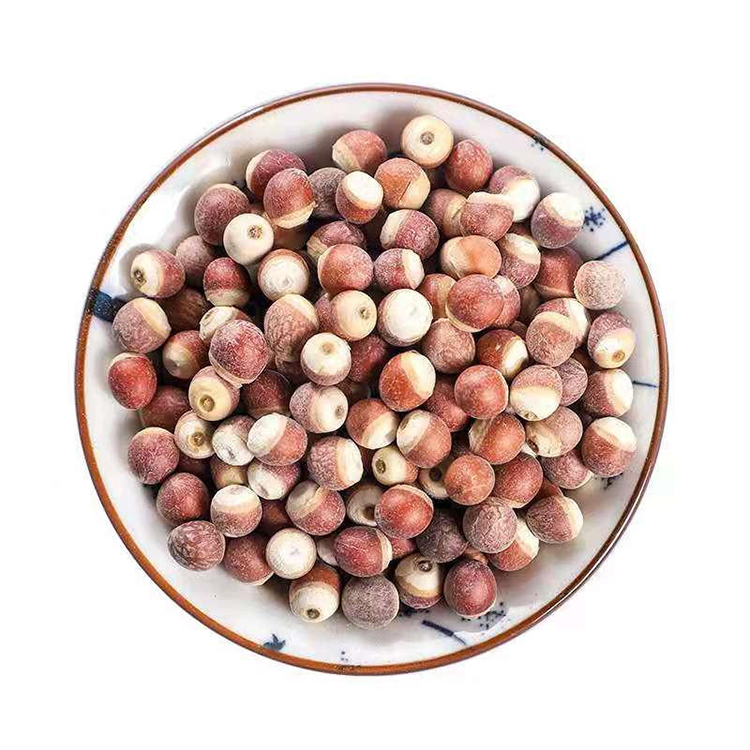
Microbial Load: Mold, yeast, and bacteria, especially concerning for materials like Chinese Herbs Fruits & Seeds Bulk which require careful drying.
A failure here means your product gets seized at customs. That is a total loss.
The Solution: A System-Wide Food Safety Commitment
You need a system that controls risk from the farm all the way to the package. You must choose an OEM who treats this as a core function, not an afterthought.
You should look for a manufacturer who holds ISO 22000 Food Safety System certification, not just basic GMP. This shows a commitment to preventing hazards, not just reacting to them.
GuoCao, for instance, doesn’t just follow this rule; we live by it. We back up every single batch with Certificate of Analysis (COA) testing. This means third-party labs verify the absence of harmful contaminants. We know that our ability to provide this documentation is why we can confidently ship to the strict markets of the US, Europe, and Japan. We are selling safety first, then the herb.
The Efficacy Dilemma: Batch-to-Batch Variability
Your customers buy herbs because they work. When they make a product—a tea, a supplement, or a raw ingredient—the active components must be consistent. If you’re selling a high-volume product, you can’t have customers complaining that this month’s batch is weaker than last month’s.
Variability comes from inconsistencies in harvesting time and, crucially, in processing. The way a bark is sliced or a flower is dried changes its chemical makeup.
The Solution: Standardization Through GMP-Certified Production
The only fix for variability is standardized control. You need an OEM with a modern, high-tech operation, not a small, unmonitored workshop.
Controlled Processing: Specific temperatures and times are used for Pao Zhi (preparation methods) to maximize potency.
Storage Integrity:You also need proper storage. GuoCao uses specialized constant temperature, cool, and atmosphere-controlled warehouses. This keeps the product stable until it gets to your customer.
By controlling every step, you ensure that every time your customer opens a bag of Wholesale Whole Chinese Herbs, the quality is exactly what they expect. This predictability is the foundation of yourcommercial value and loyalty.
Market Access: Regulatory and Compliance Hurdles
For your global success, regulatory compliance is the price of entry. You are selling to pharmaceutical companies, large commercial companies, and distributors who require flawless documentation. If you can’t provide a clean audit trail, you can’t make the sale.
The regulatory hurdles for categories like Chinese Herbs Flowers Bulk—which often face stricter microbial limits—are tough. A single documentation error, a missing import permit, or a quality discrepancy will result in customs holding your product. That’s a business crisis.
The Solution: Partnering with an Experienced Global Manufacturer
You need a partner who has already paid the cost of entry into the world’s most difficult markets. You must look for an OEM that operates to global pharmaceutical standards, like TGA PIC/S and FDA GMP benchmarks.
This means GuoCao provides all the documents you need—from Certificate of Origin to Phytosanitary Certificates—with every shipment. We have the experience shipping to over 30 countries, so we know the specific customs requirements for each one. You get to leverage our expertise.
We are not just a supplier; we are your global logistics and compliance partner. We support large Bulk Chinese Medicinal Herbs and Spices buyers and small specialty distributors alike. We make sure the path from our facility to your customer is smooth and fully compliant.
Summary of Key Arguments and Solutions
We put all this information together for you to make the decision clearer. This table shows why focusing on certified quality is the best application of your capital.
Main Argument
Specific Issue
Practical Solution
Source & Credibility
Raw Material Authenticity and Adulteration
Manufacturers sometimes misidentify or mislabel raw herbs, or even intentionally substitute cheaper/toxic herbs for financial gain.
You must require DNA Identification and Morphological Verification of all raw materials before processing. Chemical Profiling (like HPLC) identifies specific markers to ensure potency.
Reputable OEM partners (like GuoCao) detail intensive species verification as a core service. Research indicates that a percentage of raw materials for TCM manufacturing were incorrectly labeled in one study.
Contamination and Safety
Chinese Herbal Slices often show harmful contaminants, including heavy metals, pesticide residues, or microbial pathogens.
Demand third-party lab testing for contaminants and request a Certificate of Analysis (CoA) for every single batch. Implement stringent GMP and GACP.
Industry guidelines emphasize that contaminant testing is a “critical aspect” of quality control. Only suppliers with current, verifiable certifications (e.g., ISO 22000) should be considered.
Variability in Efficacy
Natural products vary widely. Differences in growing conditions, harvesting time, and processing methods directly affect the concentration of active ingredients, making consistent dosing a major problem.
Standardize processing protocols, strictly controlling factors like extraction temperature and timing. Use advanced analytical techniques to ensure consistency in the concentration of active ingredients.
Consistency in active ingredient concentration is “essential for the therapeutic efficacy” of the product. A reliable OEM must apply these controls to your private-label products.
Regulatory and Compliance Risks
Poor quality control regulations and a lack of internationally accepted quality standards in some regions create safety issues for global brands.
Choose an OEM that complies with the world’s most stringent pharmaceutical standards, such as TGA PIC/S and FDA GMP certifications. You need a partner who can produce to certified Organic, Kosher, or Halal guidelines if required.
Compliance protects your brand’s reputation and prevents regulatory non-compliance, which can lead to product seizures or recalls in markets worldwide.
You see, the choice is simple. You can choose a low-cost vendor and worry about every shipment, or you can choose a certified partner like GuoCao and focus on building your global market. We think the strategic choice is clear. Don’t let the small stuff become your big problem.
Our low MOQ of 1 kg (2.2 lb) makes it easy to order Chinese herbal slices or wholesale Chinese medicine herbs. Private-label and bilingual labeling are also available.
Delivery Cycle & Support
We have a fast 7-day lead time. We provide free samples, COA reports, and technical support to help you bring high-quality bulk Chinese herbs to market.
Quality & Certifications
Our products are manufactured in a GMP-certified facility and meet ISO22000 standards. All Chinese herbs are third-party tested for heavy metals, pesticides, and microorganisms.