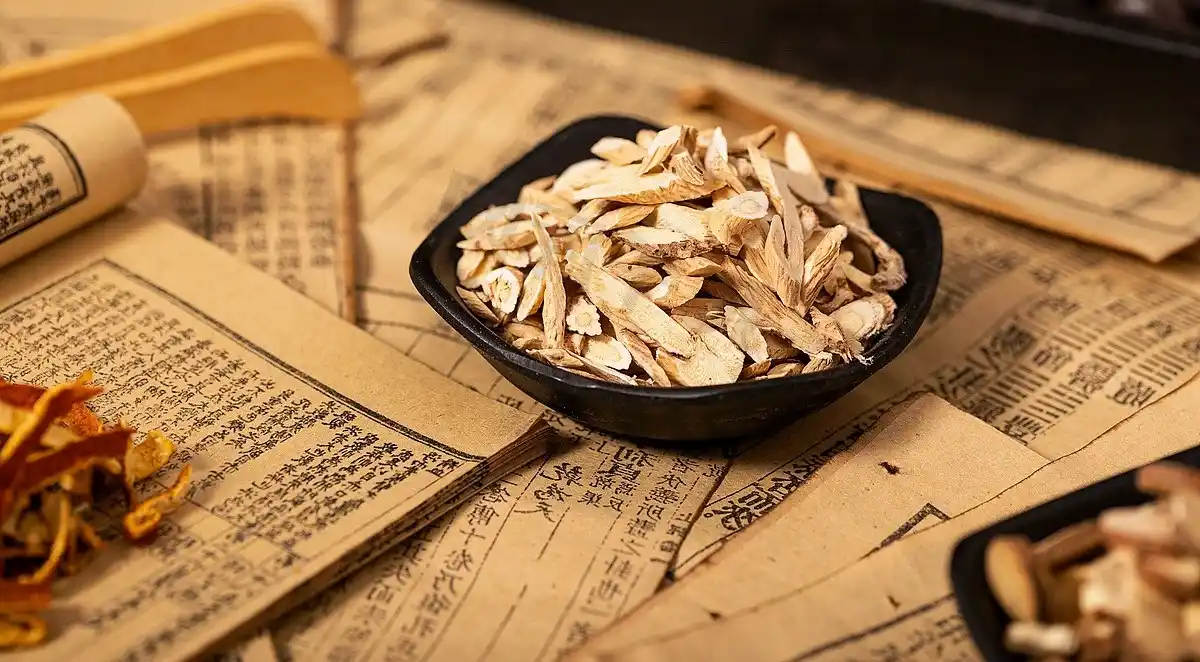
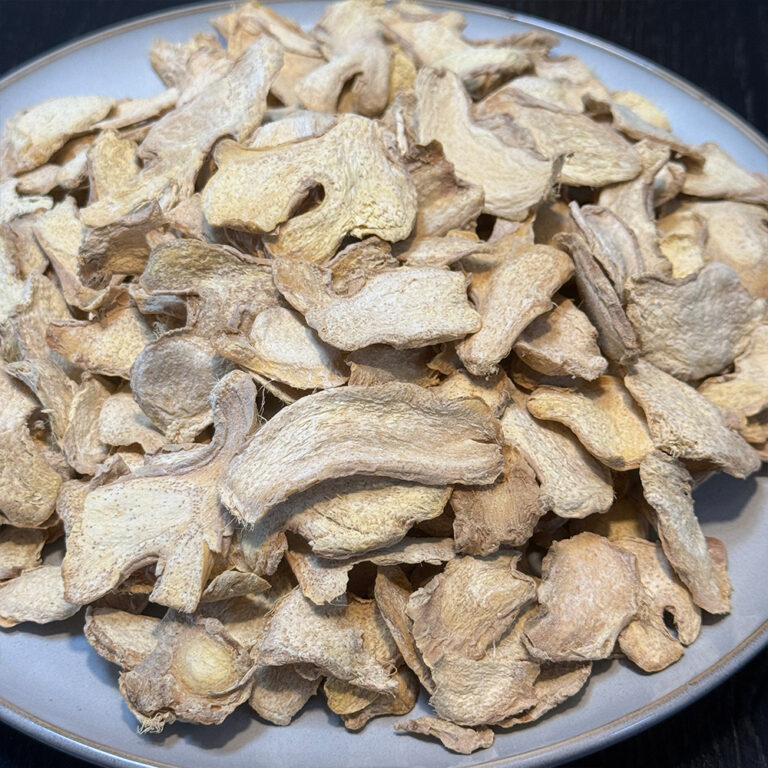
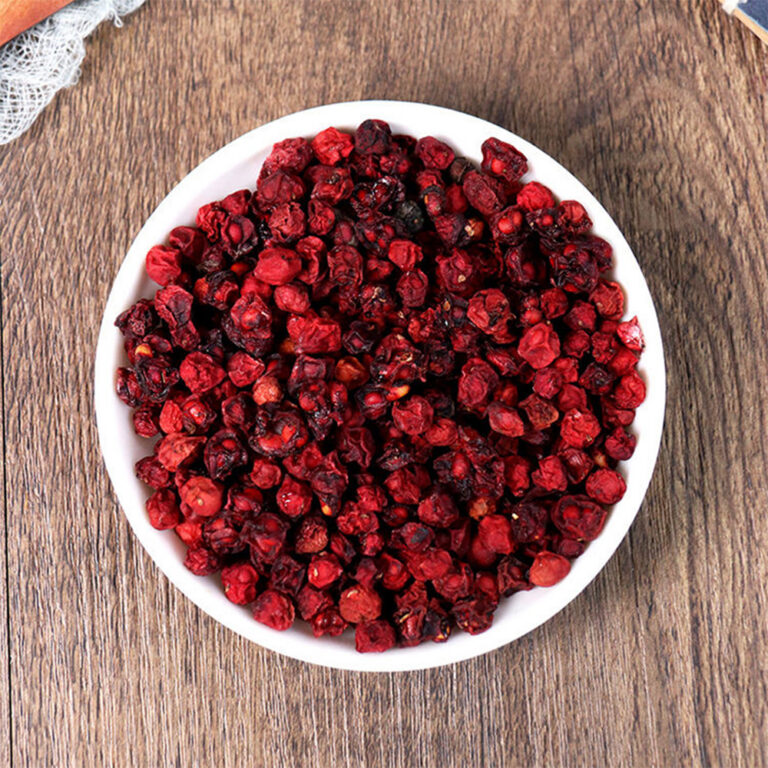
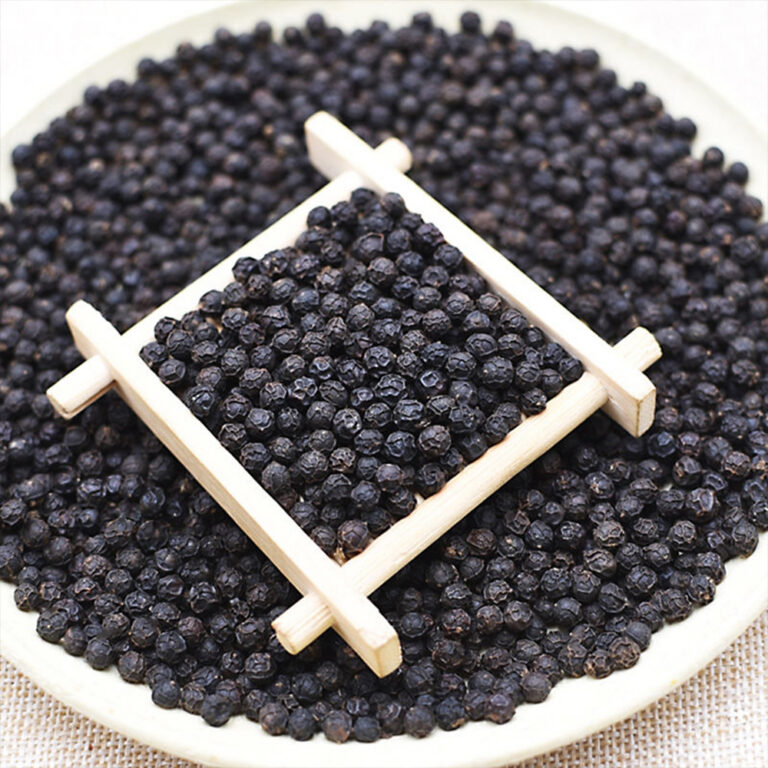
You’re about to launch a Chinese herb product. Maybe it’s Chinese herbal slices for decoction. Maybe it’s a tea-bag blend, a functional drink base, or a cosmetic botanical ingredient. Either way, you’ll hit the same question early:
Do you go with ODM off-the-shelf formulas or build full customization?
This choice isn’t “cheap vs expensive.” It’s more like: speed vs control, easy first PO vs repeatable supply, and quick listing vs long-term moat. And in herbal, one tiny spec drift can turn into a warehouse HOLD, a distributor complaint, or a production line choke. Been there, seen it.
If you’re sourcing from GuoCao, you’re already in a strong spot. GuoCao runs GMP Chinese herbal slice production, ISO 22000 food safety, ambient/cool/modified-atmosphere storage, and third-party COA testing. They also support OEM/ODM and enzyme beverage manufacturing, with around 2,500 tons/year capacity and export coverage to 30+ countries and regions. (That matters when you need steady lots, not just pretty samples.)
ODM Off-the-Shelf Formulas for Chinese Herb Products
ODM is the “move fast” path. The factory has a ready formula family, process, and packaging logic. You pick a base, adjust a few knobs, and ship.
When ODM makes sense
You’re testing demand (new market, new channel, new claim direction).
You need a fast launch for a seasonal push or distributor request.
Your team is lean and you don’t have deep QA bandwidth yet.
You can live with “close enough” in v1, then tighten later.
In herbal terms, ODM often means you’re selecting from proven building blocks: common slice SKUs, standard cut sizes, known blends, and stable packaging options.
ODM risks you should call out early (so nobody panics later)
Look-alike SKUs: Another brand can run the same base formula.
Spec softness: If you don’t lock CTQs, the product can “drift” lot to lot.
Docs mismatch: COA packet and lot code must line up. If not, your IQC team will quarantine it.
Here’s the real talk: ODM only stays “easy” when you still write a decent spec sheet. Otherwise, you’ll fight over what “good quality” means, and that’s a lose-lose conversation.
Full Customization OEM Chinese Herbal Slices and Formulas
Full customization is the “own the blueprint” path. You define the product. The factory executes it under your rules.
When full customization makes sense
You’re selling a story + repeatability, not just a commodity.
You need channel upgrades (hospital supply, strict distributors, premium retail).
You can’t afford variation because your downstream process is sensitive (tea bag filling, extraction yield, RTD filtration, capsule blending).
You want your own spec pack so you can dual-source later if needed.
If your products go into supplements or functional beverages, customization also helps you manage things like cut-size distribution, fines, moisture window, and “brew behavior” so your production line doesn’t suffer.
If you’re building a custom line, start with the service keywords: OEM/ODM customization
ODM vs Full Customization Decision Table
Use this table when your team starts arguing in circles. Keep it simple. No drama.
Decision dimension
ODM off-the-shelf formulas
Full customization
What you feel on the ground
Speed to launch
Faster
Slower
ODM gets you to shelf quicker
Control of specs
Medium
High
Custom lets you lock CTQs and change control
Differentiation
Limited
Stronger
Custom reduces “same product, different label”
QA workload
Lower at first
Higher upfront
Custom needs more alignment early
Repeatability
Depends on spec lock
Stronger with a good spec pack
Custom cuts down lot-to-lot surprises
Supply continuity
You lean on factory model
You hold the recipe + spec logic
Custom makes switching suppliers easier (if needed)
If you’re not sure, a very normal strategy is: launch with ODM, then move your best sellers into custom specs once sales prove the SKU.
Chinese Herbal Slices Quality Control: CTQ, Spec Freeze, and Golden Sample
This is where herbal sourcing gets real. Your customer doesn’t complain because your herb “isn’t traditional enough.” They complain because the batch doesn’t behave like last batch.
Here are the CTQs (critical-to-quality) that commonly bite buyers:
Cut thickness: changes decoction strength and extraction speed.
Fines level: clogs tea-bag fillers, increases dust, affects filtration.
Moisture window: drives mold risk and shelf stability.
Foreign matter: triggers chargebacks and returns fast.
Odor and color drift: makes retailers nervous, even if it’s safe.
Two phrases that save relationships:
Spec freeze: “we stop tweaking and start repeating”
Golden sample: “this physical lot is the reference for future release”
If you need a partner who speaks this language, that’s exactly why GuoCao highlights GMP production discipline and third-party COA release.
Learn more about compliance signals buyers ask for: GMP manufacturing
GMP Chinese Herbal Slices Production Line
GMP isn’t a badge. It’s a system that keeps your shipment from becoming a guessing game.
In practice, GMP-style control shows up as:
batch records you can audit
defined process steps (cutting, drying, sorting, packing)
release checks tied to measurable limits
corrective actions when something shifts
If you’re doing ODM, GMP helps keep “standard items” consistent. If you’re doing full customization, GMP helps make your spec pack actually enforceable.
And yeah, sometimes a factory says “we do GMP,” but they can’t show clean batch traceability. That’s a red flag. You can’t “talk” your way through an audit.
ISO 22000 Food Safety for Herbal Ingredients and Functional Drinks
If your herbs touch food channels—tea, spices, beverages—ISO 22000 thinking becomes useful fast. It’s a structured way to handle hazards, CCPs, traceability, and CAPA.
Why it matters for ODM vs custom:
ODM products can pass, but buyers often ask, “how do you control the system?”
Custom projects usually require you to document the control plan anyway
GuoCao positions ISO 22000 as part of its food safety backbone, which is especially relevant if you’re selling to functional drink brands or distributors who demand traceable lots.
Let’s be blunt: in export markets, your COA packet is part of the product.
A clean COA process usually means:
lot code on cartons matches lot code on COA
test items match your market needs (not just generic checks)
results show actual values, not only “PASS” (depends on buyer standard)
This is where many brands get stuck. They place a PO. Goods arrive. Warehouse says “HOLD.” Why? Because the docs don’t match, or the panel doesn’t fit destination rules. Now you’re burning time, and time is money, sorry.
GuoCao emphasizes third-party COA testing ability, which helps when your customer requires independent verification rather than only in-house results.
Warehouse Storage: Ambient, Cool, and Modified Atmosphere
Herbs are living materials. Not alive-alive, but they react. Heat, humidity, oxygen—these can shift aroma, color, even clumping.
Storage choices matter more than people think:
Ambient warehouse: good for stable SKUs with correct moisture control
Cool storage: helps reduce drift for sensitive items
Modified-atmosphere storage: reduces oxidation risk for certain materials
GuoCao runs ambient/cool/modified-atmosphere storage, which helps keep lots stable during staging and export workflows. For repeat orders, stability is the whole game.
Export-Ready Chinese Herbs: Traceability, Label Reconciliation, and “No Surprises”
Here’s a simple truth: your buyer’s pain isn’t “finding herbs.” It’s keeping supply steady while meeting paperwork, inspection, and downstream production requirements.
If you sell to:
pharma companies
supplement manufacturers
hospitals
beverage brands
cosmetic ingredient buyers
distributors and agents
…they will ask for some version of:
lot traceability
release records
spec sheets
change control
CAPA when something drifts
If you don’t prepare, you’ll spend your life in email threads arguing about what should’ve been in the spec from day one.
Spec Pack Checklist Table for Chinese Herbal Slices and Blends
Use this checklist before you confirm your second PO. First PO can survive on trust. Second PO needs a system.
Item in your spec pack
Why it prevents pain
Works best with
Product definition (Latin/Chinese name, part used)
avoids “same common name, different species” drama
ODM + Custom
Cut thickness / mesh curve / fines limit
stops line jams and brew inconsistency
Custom (also ODM if strict)
Moisture window + storage requirement
reduces mold risk and aroma drift
ODM + Custom
Foreign matter limit + inspection method
prevents chargebacks and returns
ODM + Custom
COA panel + lot code matching rule
stops IQC HOLD and doc rework
ODM + Custom
Golden sample + photo standard
aligns expectations fast
Custom
Change control rule (when to notify)
prevents silent formula drift
Custom (critical)
If you want a supplier who can run this cleanly, GuoCao is built for it: GMP line, ISO 22000, multiple warehouse conditions, third-party COA, and scale capacity. That combo isn’t common.
Chinese Herbal Enzyme Beverage OEM/ODM
Some brands want something beyond slices and teas. They want fermentation-style products and functional drinks. GuoCao also supports Chinese herbal enzyme beverage production, which becomes relevant if you’re building a “drinkable” pipeline instead of only dry goods.
Supplement factories: want stable lots, clear COA packet, and repeatable inputs
Functional drink brands: care about filtration, flavor drift, and food safety systems
Hospitals: need consistency and traceable docs
Distributors: hate surprises; they want low complaint rate SKUs
Cosmetic ingredient buyers: want clean specs and stable supply
GuoCao sells into these buyer groups globally, and that matters because it forces the system to work at scale, not only on one lucky batch.
So What Should You Pick?
If you need a straight answer:
Pick ODM off-the-shelf formulas when you need speed and market testing. But still lock the CTQs you can’t afford to drift.
Pick full customization when you’re ready to own your product logic, protect differentiation, and reduce repeat-order headaches.
And if you want the lowest-risk route: start ODM, prove the SKU, then convert the winners into custom specs. That’s not “playing both sides.” That’s just supply chain maturity.
Our low MOQ of 1 kg (2.2 lb) makes it easy to order Chinese herbal slices or wholesale Chinese medicine herbs. Private-label and bilingual labeling are also available.
Delivery Cycle & Support
We have a fast 7-day lead time. We provide free samples, COA reports, and technical support to help you bring high-quality bulk Chinese herbs to market.
Quality & Certifications
Our products are manufactured in a GMP-certified facility and meet ISO22000 standards. All Chinese herbs are third-party tested for heavy metals, pesticides, and microorganisms.