Case Study: Developing Herbal Enzyme Drinks Based on Job’s Tears and Poria
You want a herbal enzyme drink that feels real, not just marketing talk. Something that starts from solid Chinese herbs, goes through a clean fermentation flow, and ends as a ready-to-bottle SKUs for your markets.
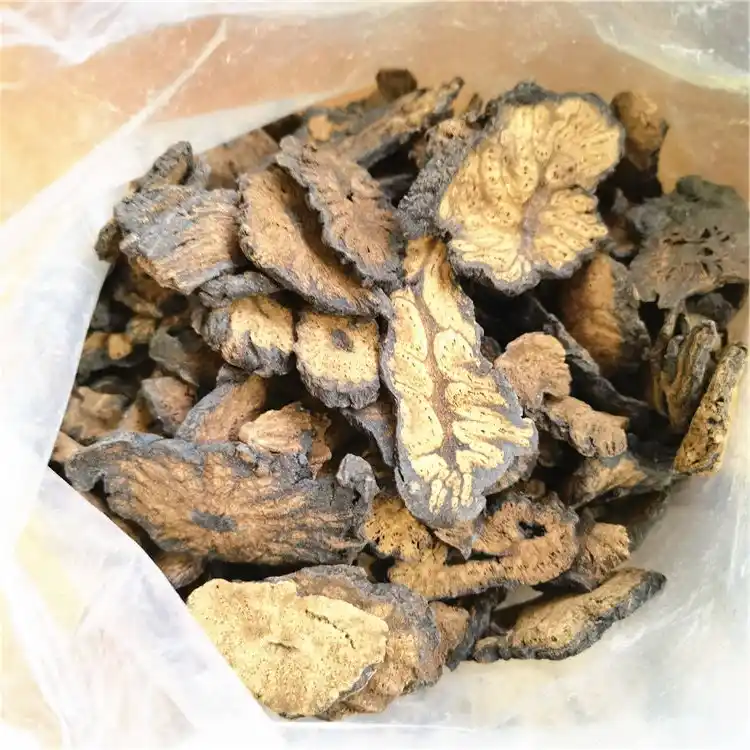
This case study walks through how to build that around Job’s Tears (Coix seed, Yi Yi Ren) and Poria (Fu Ling), and how to plug it into GuoCao’s OEM/ODM system.
Herbal Enzyme Drinks and Postbiotic Fermented Beverages OEM/ODM
When people say “herbal enzyme drink”, they usually mean controlled fermentation of herbs and grains. Microbes eat sugars and fibers. They leave behind a mix of organic acids, short peptides, vitamins, and enzymes. That mix is often called a postbiotic fermented concentrate.
At GuoCao, this sits under the Herbal Enzymes category. The idea is simple:
Start from medicinal-food herbs and spices.
Use food-grade enzymes to open the cell walls.
Run sequential fermentation with selected strains.
Standardize pH, aroma, and active markers.
Fill into shots or bigger volume packs under GMP and ISO 22000.
So the drink is not “mystery jar on someone’s balcony”. It’s a designed process.
Key fermentation terms in plain language
Term
What it means in your drink
Why it matters for Job’s Tears + Poria
Postbiotic
Compounds produced during fermentation
Stable even if live bacteria later die
Enzymatic hydrolysis
Enzymes breaking starch and fiber into smaller parts
Makes Coix and Poria easier to ferment
Functional cereal
Grain with extra health functions
Lets you position Job’s Tears as more than just “carb”
Dampness formulas
TCM talk for water retention and heaviness
Classic place where Job’s Tears + Poria live together
When you present this to a buyer, you don’t need heavy theory. You can say: “We use Job’s Tears and Poria as base, then run enzyme + fermentation to create a clean postbiotic shot.” Short, clear.
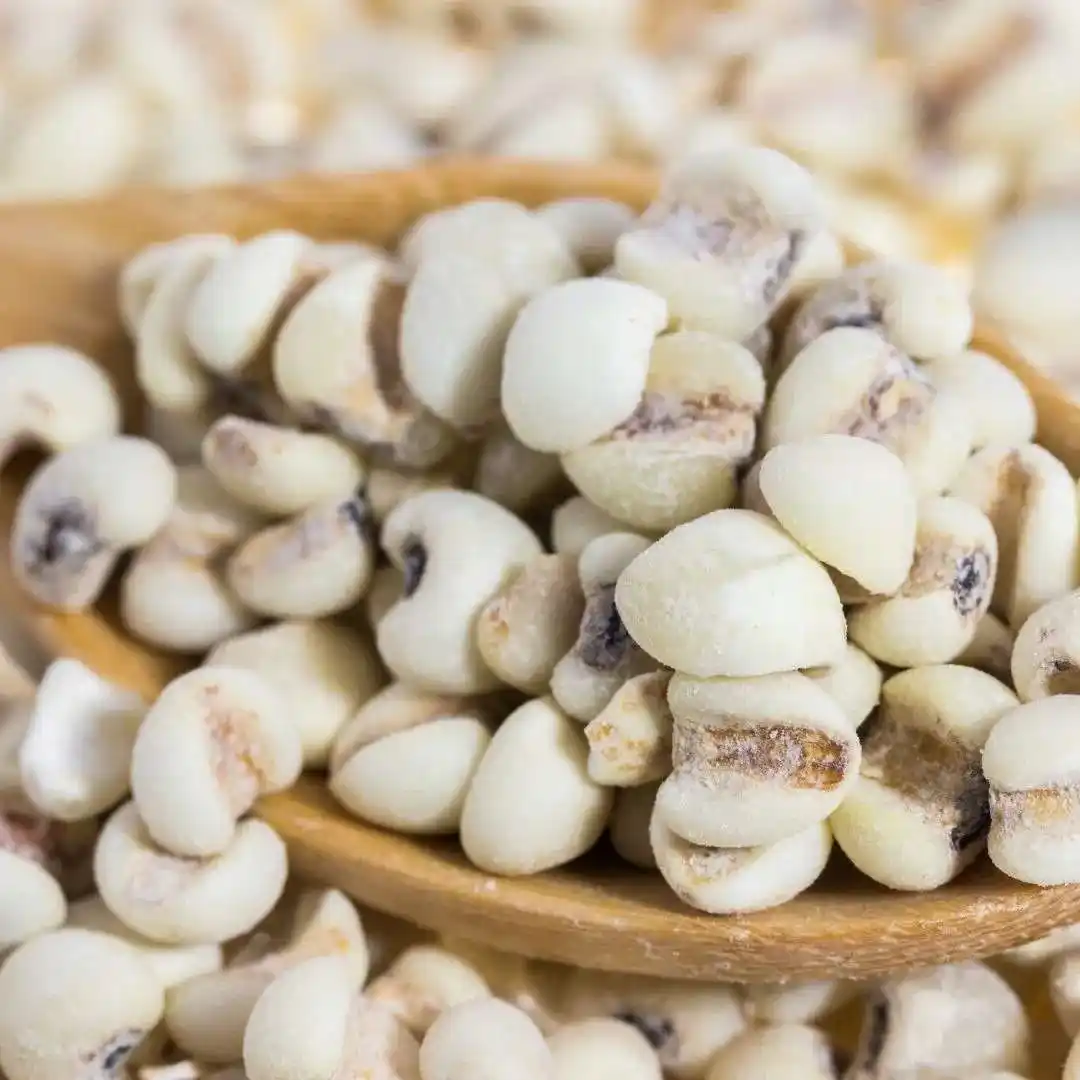
Coix Seed (Job’s Tears, Yi Yi Ren) Functional Beverage Use Cases
Job’s Tears is both a grain and a TCM material. That makes it perfect as a base for everyday drinks. It looks like food, not like strong medicine.
From product and R&D side, Job’s Tears does a few key jobs:
Functional cereal mouthfeel It gives body and natural cloudiness to the drink. You don’t need to over-depend on gums or thickeners.
Digestive and “light body” story In TCM language, Yi Yi Ren helps drain dampness and supports spleen. In modern wellness language, that becomes “light, not bloated feeling” after meals.
Good fermentation matrix Coix is rich in starch, some protein, and phenolic compounds. Enzymatic hydrolysis turns the starch into fermentable sugars. Microbes then create organic acids and extra aroma. The result is a more complex, less flat drink.
Coix seed postbiotic fermented drink positioning
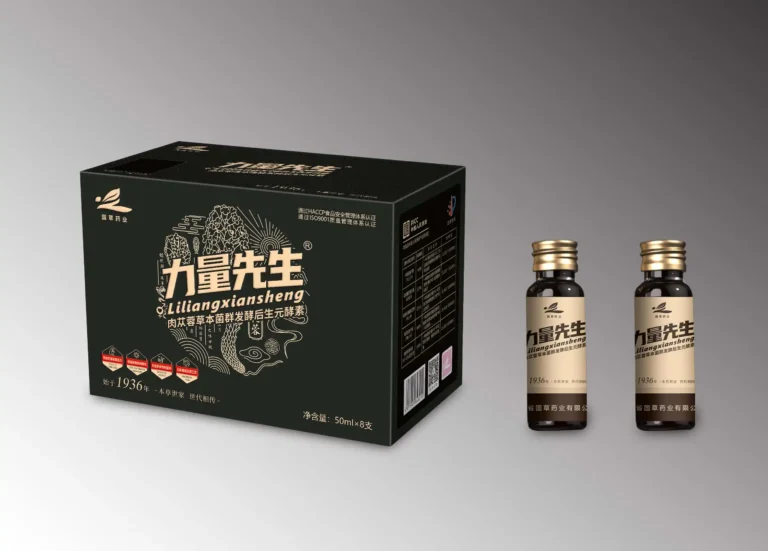
GuoCao already shows a clear example with Job’s Tears postbiotic shot type products. A 50 ml unit is easy to place:
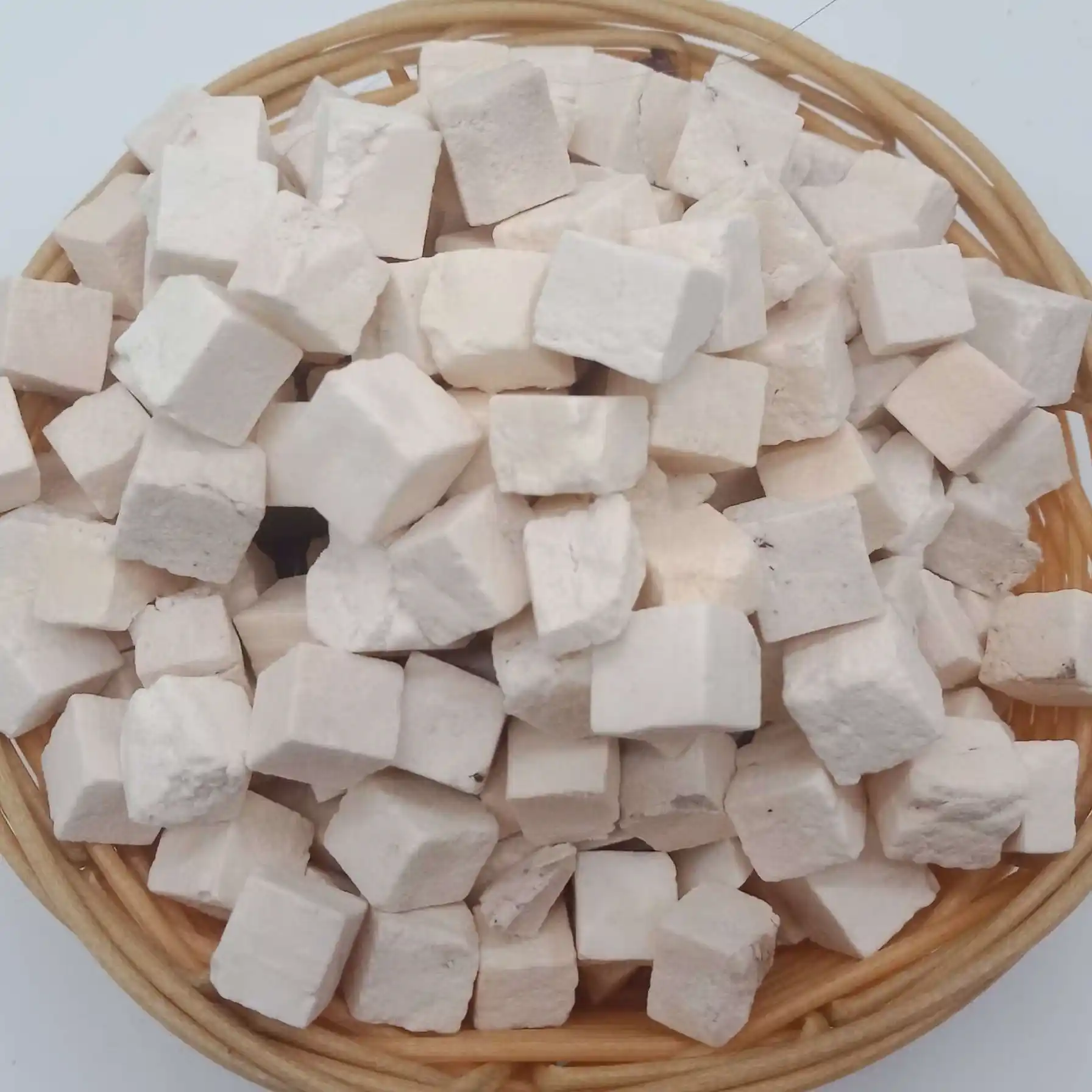
1. Prebiotic-type polysaccharides Fu Ling is rich in polysaccharides and β-glucans. These act like food for good gut bacteria. When you ferment a Job’s Tears + Poria mash, these long chains get partially broken down and modulated. That sets up a good postbiotic profile and later gut interaction.
2. Soft taste and mild image Poria is not too bitter, not too spicy. It brings a gentle, woody note that combines well with Coix. Consumers don’t feel they drink heavy decoction.
3. Clear TCM narrative Job’s Tears + Poria is a textbook combo for “drain dampness, support spleen, calm the system”. This is great for marketing to clinics, pharmacies, and TCM doctors, because they instantly understand the logic.
Formulation and Fermentation Process for Herbal Enzyme Beverages
Let’s put it together in a design that your R&D and purchasing team both can follow.
Other roots or flowers from the same catalog if you want to extend the formula later
One supplier means one COA format, unified pesticide and heavy metal control, and easier traceability when a regulator or buyer ask questions.
Simple process outline
You don’t need crazy tech words to explain the flow. Something like this works:
Stage
What happens
Notes for brand owners
Herb prep
Washing, soaking, size control for Job’s Tears and Poria
Impacts extraction and batch-to-batch taste
Enzyme step
Food-grade enzymes open starch and fiber
Key for later clean fermentation
Fermentation
Selected strains convert sugars into organic acids and aroma
You set target pH and time windows
Blending
Adjust sweetness, acidity, maybe add fruit note
Can localize taste for each country
Filling & QA
Fill 50 ml shots or bigger packs under GMP and ISO 22000
Third-party COA and stability file available
On paper this looks simple, but the real work is in the parameters: soak time, enzyme dose, strain selection, kill-step, SR test and so on. That’s where GuoCao’s existing herbal enzyme lines saves you a lot of trial time.
Business Scenarios and Commercial Value for Brand Owners
This Job’s Tears + Poria enzyme drink is not just a “nice story product”. It plugs into multiple channels:
Pharmaceutical and supplement companies They can position it as a TCM-inspired gut and dampness support shot alongside capsules and tablets.
Functional beverage brands It can sit next to kombucha, probiotic sodas, RTD herb teas, or beauty drinks.
Hospitals and TCM clinics As ready dose units instead of brewing raw slices each time.
Global distributors and local wholesalers They want something different from normal juice, but still easy to explain to end buyers.
Pain points you solve with this format
Too many small suppliers Many brands juggle one herb trader, one extract factory, and one bottling plant. Every audit becomes a headache. With GuoCao, you centralize herbs, slicing, warehousing, fermentation and filling.
“Is it really fermented?” doubt Some enzyme drinks are just sugar + flavor. Buyers with technical background don’t trust that. A Job’s Tears + Poria shot from a real herbal manufacturer with GMP, ISO 22000 and proper records is easier to defend.
Regulatory and documentation pressure Big markets ask for COA, traceability, allergen tables, sometimes religious certificates. GuoCao already exports to the US, EU, Australia, Japan, Korea, Canada, Malaysia, Philippines and more, so the basic paperwork path is quite mature.
The commercial punch line: you get a differentiated SKUs with strong Chinese herb identity, but also modern fermented-drink language.
Working with GuoCao for Herbal Enzyme Drinks OEM/ODM
GuoCao is not just a trader. It’s a global Chinese medicinal herb manufacturer with:
GMP herbal slice production lines
Normal temperature / cool / modified-atmosphere warehouses
ISO 22000 food safety system
Third-party COA capability
Around 2,500 tons yearly capacity for herbs and related products
Support for OEM/ODM on Chinese herbal enzyme drinks, tea bags, powders and more
For you as a buyer, the real value looks like this:
One contact for herbs, fermentation, and finished product
Less re-work and fewer surprises in QC
Easier scale from pilot batch to long-term supply
Room to develop more enzyme drinks later: not only Job’s Tears + Poria, but also sleep, beauty, immune or joint formulas using other herb slices
The language in your own sales deck can stay simple. For example:
“Our Job’s Tears & Poria herbal enzyme drink is produced by GuoCao in a GMP herbal factory, using enzymatic hydrolysis and controlled fermentation. All herbs come from the same supplier, with ISO 22000 and third-party COA. We offer private label, OEM and ODM for global partners.”You want a herbal enzyme drink that feels real, not just marketing talk. Something that starts from solid Chinese herbs, goes through a clean fermentation flow, and ends as a ready-to-bottle SKUs for your markets.
This case study walks through how to build that around Job’s Tears (Coix seed, Yi Yi Ren) and Poria (Fu Ling), and how to plug it into GuoCao’s OEM/ODM system.
Herbal Enzyme Drinks and Postbiotic Fermented Beverages OEM/ODM
When people say “herbal enzyme drink”, they usually mean controlled fermentation of herbs and grains. Microbes eat sugars and fibers. They leave behind a mix of organic acids, short peptides, vitamins, and enzymes. That mix is often called a postbiotic fermented concentrate.
At GuoCao, this sits under the Herbal Enzymes category. The idea is simple:
Start from medicinal-food herbs and spices.
Use food-grade enzymes to open the cell walls.
Run sequential fermentation with selected strains.
Standardize pH, aroma, and active markers.
Fill into shots or bigger volume packs under GMP and ISO 22000.
So the drink is not “mystery jar on someone’s balcony”. It’s a designed process.
Key fermentation terms in plain language
Term
What it means in your drink
Why it matters for Job’s Tears + Poria
Postbiotic
Compounds produced during fermentation
Stable even if live bacteria later die
Enzymatic hydrolysis
Enzymes breaking starch and fiber into smaller parts
Makes Coix and Poria easier to ferment
Functional cereal
Grain with extra health functions
Lets you position Job’s Tears as more than just “carb”
Dampness formulas
TCM talk for water retention and heaviness
Classic place where Job’s Tears + Poria live together
When you present this to a buyer, you don’t need heavy theory. You can say: “We use Job’s Tears and Poria as base, then run enzyme + fermentation to create a clean postbiotic shot.” Short, clear.
Coix Seed (Job’s Tears, Yi Yi Ren) Functional Beverage Use Cases
Job’s Tears is both a grain and a TCM material. That makes it perfect as a base for everyday drinks. It looks like food, not like strong medicine.
From product and R&D side, Job’s Tears does a few key jobs:
Functional cereal mouthfeel It gives body and natural cloudiness to the drink. You don’t need to over-depend on gums or thickeners.
Digestive and “light body” story In TCM language, Yi Yi Ren helps drain dampness and supports spleen. In modern wellness language, that becomes “light, not bloated feeling” after meals.
Good fermentation matrix Coix is rich in starch, some protein, and phenolic compounds. Enzymatic hydrolysis turns the starch into fermentable sugars. Microbes then create organic acids and extra aroma. The result is a more complex, less flat drink.
Coix seed postbiotic fermented drink positioning
GuoCao already shows a clear example with Job’s Tears postbiotic shot type products. A 50 ml unit is easy to place:
1. Prebiotic-type polysaccharides Fu Ling is rich in polysaccharides and β-glucans. These act like food for good gut bacteria. When you ferment a Job’s Tears + Poria mash, these long chains get partially broken down and modulated. That sets up a good postbiotic profile and later gut interaction.
2. Soft taste and mild image Poria is not too bitter, not too spicy. It brings a gentle, woody note that combines well with Coix. Consumers don’t feel they drink heavy decoction.
3. Clear TCM narrative Job’s Tears + Poria is a textbook combo for “drain dampness, support spleen, calm the system”. This is great for marketing to clinics, pharmacies, and TCM doctors, because they instantly understand the logic.
Formulation and Fermentation Process for Herbal Enzyme Beverages
Let’s put it together in a design that your R&D and purchasing team both can follow.
Other roots or flowers from the same catalog if you want to extend the formula later
One supplier means one COA format, unified pesticide and heavy metal control, and easier traceability when a regulator or buyer ask questions.
Simple process outline
You don’t need crazy tech words to explain the flow. Something like this works:
Stage
What happens
Notes for brand owners
Herb prep
Washing, soaking, size control for Job’s Tears and Poria
Impacts extraction and batch-to-batch taste
Enzyme step
Food-grade enzymes open starch and fiber
Key for later clean fermentation
Fermentation
Selected strains convert sugars into organic acids and aroma
You set target pH and time windows
Blending
Adjust sweetness, acidity, maybe add fruit note
Can localize taste for each country
Filling & QA
Fill 50 ml shots or bigger packs under GMP and ISO 22000
Third-party COA and stability file available
On paper this looks simple, but the real work is in the parameters: soak time, enzyme dose, strain selection, kill-step, SR test and so on. That’s where GuoCao’s existing herbal enzyme lines saves you a lot of trial time.
Business Scenarios and Commercial Value for Brand Owners
This Job’s Tears + Poria enzyme drink is not just a “nice story product”. It plugs into multiple channels:
Pharmaceutical and supplement companies They can position it as a TCM-inspired gut and dampness support shot alongside capsules and tablets.
Functional beverage brands It can sit next to kombucha, probiotic sodas, RTD herb teas, or beauty drinks.
Hospitals and TCM clinics As ready dose units instead of brewing raw slices each time.
Global distributors and local wholesalers They want something different from normal juice, but still easy to explain to end buyers.
Pain points you solve with this format
Too many small suppliers Many brands juggle one herb trader, one extract factory, and one bottling plant. Every audit becomes a headache. With GuoCao, you centralize herbs, slicing, warehousing, fermentation and filling.
“Is it really fermented?” doubt Some enzyme drinks are just sugar + flavor. Buyers with technical background don’t trust that. A Job’s Tears + Poria shot from a real herbal manufacturer with GMP, ISO 22000 and proper records is easier to defend.
Regulatory and documentation pressure Big markets ask for COA, traceability, allergen tables, sometimes religious certificates. GuoCao already exports to the US, EU, Australia, Japan, Korea, Canada, Malaysia, Philippines and more, so the basic paperwork path is quite mature.
The commercial punch line: you get a differentiated SKUs with strong Chinese herb identity, but also modern fermented-drink language.
Working with GuoCao for Herbal Enzyme Drinks OEM/ODM
GuoCao is not just a trader. It’s a global Chinese medicinal herb manufacturer with:
GMP herbal slice production lines
Normal temperature / cool / modified-atmosphere warehouses
ISO 22000 food safety system
Third-party COA capability
Around 2,500 tons yearly capacity for herbs and related products
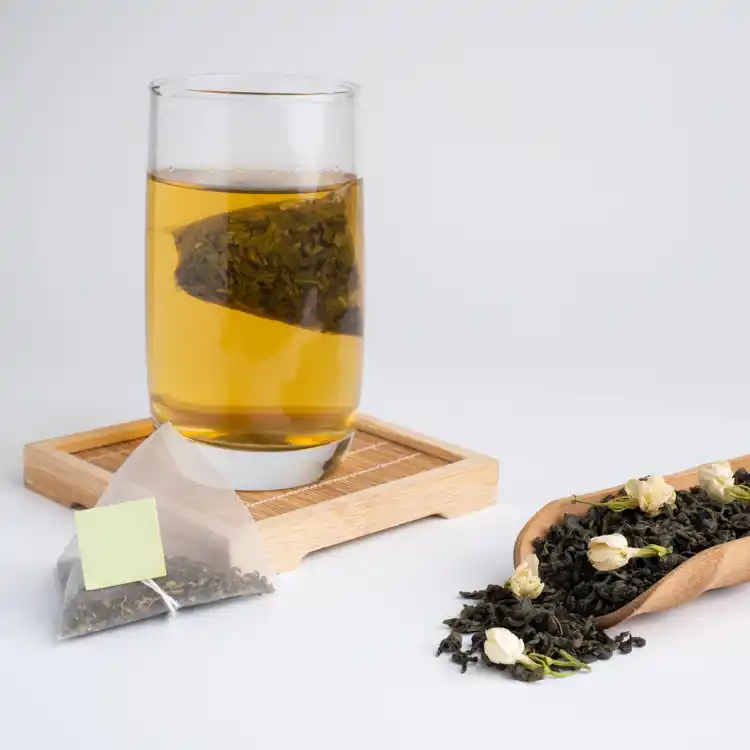
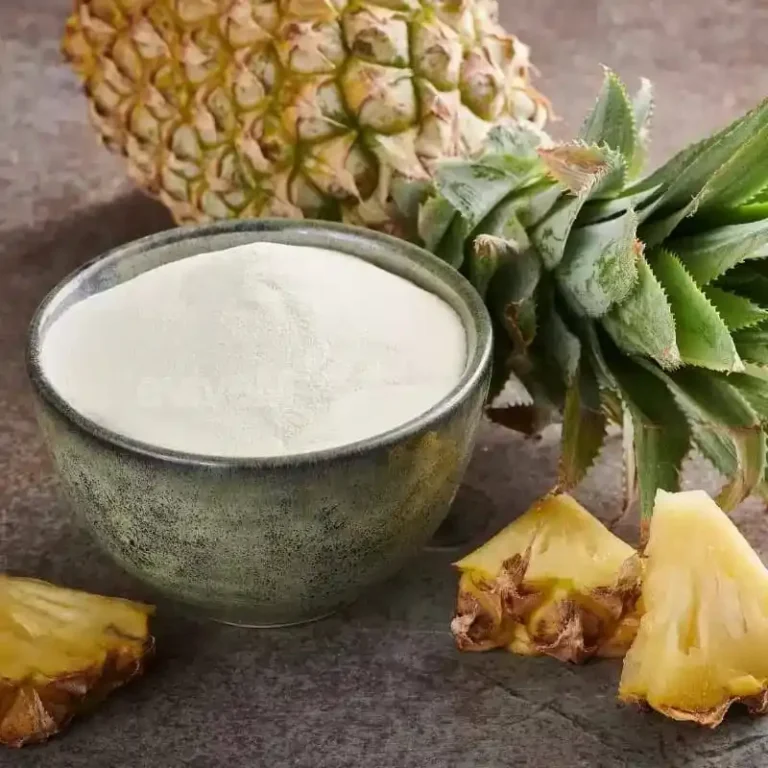
Support for OEM/ODM on Chinese herbal enzyme drinks, tea bags, powders and more
For you as a buyer, the real value looks like this:
One contact for herbs, fermentation, and finished product
Less re-work and fewer surprises in QC
Easier scale from pilot batch to long-term supply
Room to develop more enzyme drinks later: not only Job’s Tears + Poria, but also sleep, beauty, immune or joint formulas using other herb slices
The language in your own sales deck can stay simple. For example:
“Our Job’s Tears & Poria herbal enzyme drink is produced by GuoCao in a GMP herbal factory, using enzymatic hydrolysis and controlled fermentation. All herbs come from the same supplier, with ISO 22000 and third-party COA. We offer private label, OEM and ODM for global partners.”
Our low MOQ of 1 kg (2.2 lb) makes it easy to order Chinese herbal slices or wholesale Chinese medicine herbs. Private-label and bilingual labeling are also available.
Delivery Cycle & Support
We have a fast 7-day lead time. We provide free samples, COA reports, and technical support to help you bring high-quality bulk Chinese herbs to market.
Quality & Certifications
Our products are manufactured in a GMP-certified facility and meet ISO22000 standards. All Chinese herbs are third-party tested for heavy metals, pesticides, and microorganisms.