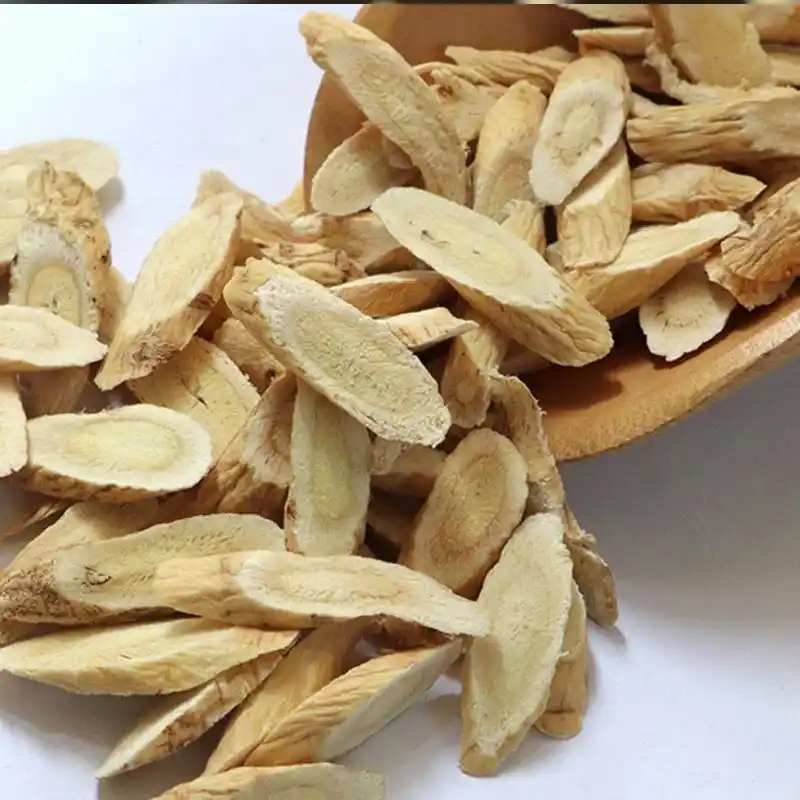
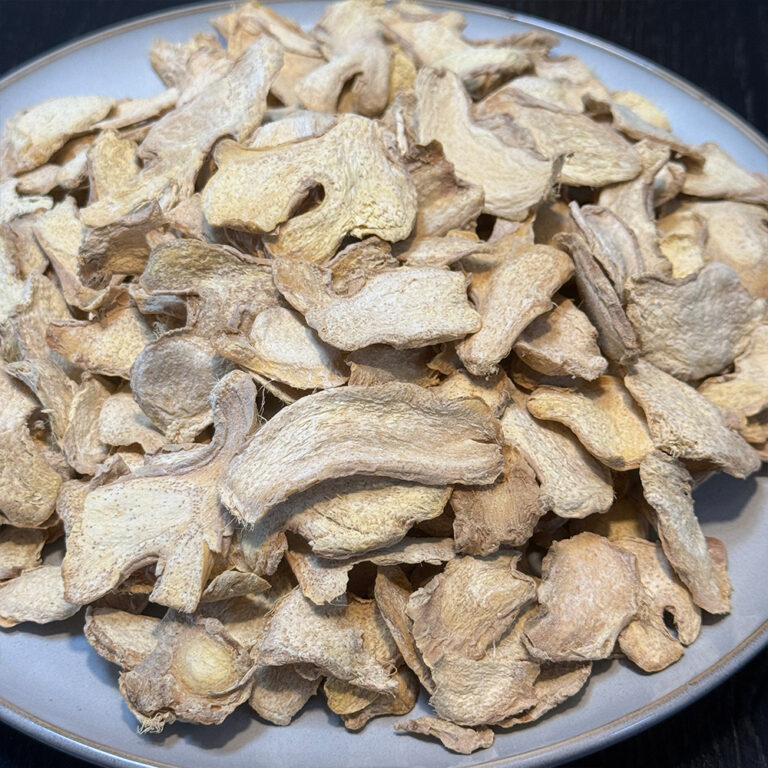
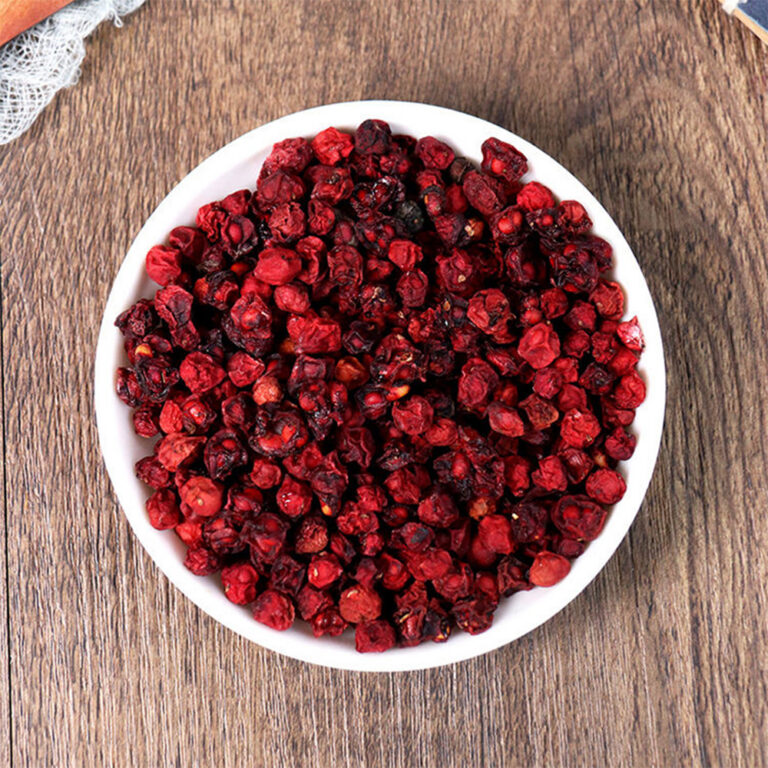
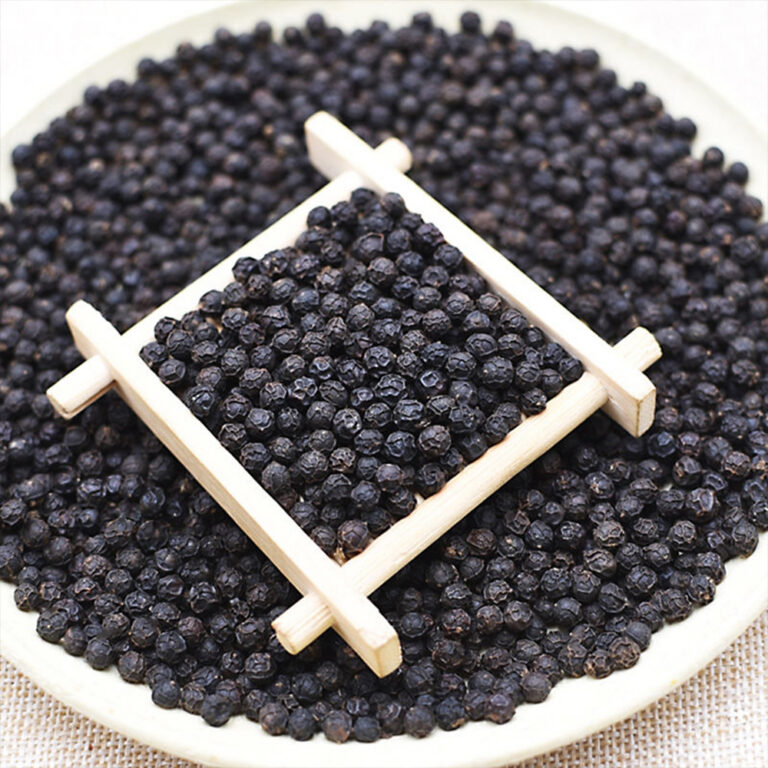
Importing Chinese herbal slices sounds simple: buy, ship, sell. In real life, it’s never that easy.
You deal with customs, quality specs, random batches, and that scary moment when your QA team says, “This lot can’t pass.”
This guide walks you through the key points of importing Chinese herbal slices from China, in a more hands-on way, using the real setup behind GuoCao and your site chineseherbalslices.com.
Chinese Herbal Slices Wholesale Market Overview
Chinese medicinal herbs and slices are not just for TCM clinics anymore. They now flow into:
pharmaceutical companies and TCM hospitals
dietary supplement factories
functional drink brands and enzyme beverages
spice wholesalers and food brands
cosmetic ingredient buyers and local retail shops
For all these players, China is still the main sourcing base. The country has:
long planting history and daodi (authentic origin) regions
Functional drinks, gut health, detox style products
in practice linked with your enzyme drink and fermentation projects
Herbal Tea Bags
Cut herbs packed into filter bags
Retail teas, convenience packs, hotel / café concepts
many items cross-listed with spices and flowers on your site
When you plan imports, don’t just ask “Can I buy Dang Gui?” Think in portfolios: roots for hospital and decoction, flowers for tea, spices for food, enzymes for future drinks.
GMP Chinese Herbal Manufacturer GuoCao Profile
GuoCao is not only a trader. It’s a GMP Chinese herbal manufacturer with:
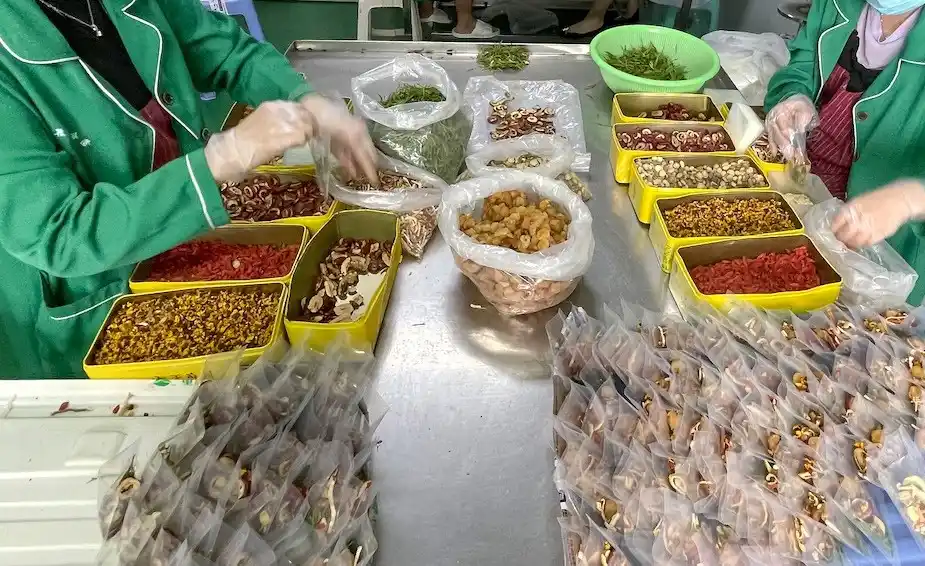
complete GMP Chinese decoction piece production lines
ISO 22000 food-safety system
normal temperature, cool storage and modified-atmosphere (MAP) warehouses
third-party COA testing for every production batch
yearly capacity around 2,500 tons of herbal slices and spices
OEM/ODM support, including TCM decoction pieces, tea bags, herbal enzymes and functional beverages
Products go to more than 30 countries: US, Europe, Australia, Japan, Korea, Canada, Malaysia, Philippines and more. Main customers include pharma, supplement companies, functional drink plants, distributors, hospitals and local retailers.
If you clarify this, your supplier can set up batch plan and slicing line more easily.
Step 2 – Supplier Vetting and Technical Call
Don’t only ask “What is your price?” Ask:
Are you GMP for decoction pieces?
Do you run ISO 22000 or similar system?
Can you share real COA samples with heavy metals, pesticides and microbes?
Which countries do you ship herbs and slices to already?
Do you support OEM/ODM for custom blends, private label, enzyme drinks?
GuoCao shows this honestly on About Us and custom solutions. The more a supplier can talk details like “mesh size, micro load, stability tests”, the more likely they really produce the herbs.
Step 3 – Sampling and Lab Check
Always run real samples before big order:
Ask for small samples of each herb and format (slice, tea cut, powder, etc.).
Send samples to your own lab or trusted third-party.
Check identity, markers, contaminants and micro load.
Do application tests: decoction, tea brewing, extraction yield, taste.
If sample pass, fix this sample as “golden sample” in your file. Future batches should match it closely.
batch size, MOQ, lead time (GuoCao often works from 1 kg test up to tonnage orders)
required documents:
invoice & packing list
COA
origin certificate
phytosanitary certificate if needed
copies of GMP / ISO certificates
Also align Incoterms: FOB, CIF, DAP, DDP etc. No need to compute exact cost here, just make sure who carries which risk.
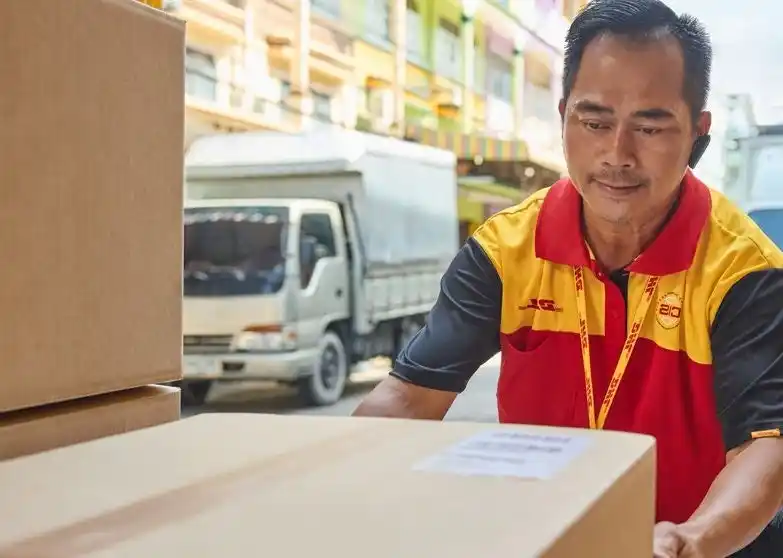
Step 5 – Shipping, Customs and QA Release
When shipment is on the way:
your customs broker uses invoice + packing list + origin + HS code to clear the goods
after arrival, your QA team does incoming inspection and sometimes retest
if everything matches, batch is released into your warehouse or production
If not, you use the spec and COA to discuss corrective actions with supplier. Here is where a serious manufacturer like GuoCao is very different from a small trader; they can adjust process, not just argue.
Typical Pain Points in Herbal Slice Import and How to Fix Them
Let’s look at a few common problems many buyers meet.
Sulfur-Fumigated Herbs and Brand Damage
Problem: herbs look too pretty, smell strange, SO₂ test is high.
Fix ideas:
from day one, write “non-sulfur-fumigated herbal slices only” in RFQ and contract
ask for SO₂ testing in every COA
use suppliers that already have sulfur-free process for global markets, like GuoCao
If you’re selling to health-conscious customers, this is not a small thing. One non-compliant batch can break trust fast.
QC Fail, Micro Load and Warehouse Issues
Problem: micro load fails, mold, insects, or broken slices.
Reasons can be:
herbs dried too fast or too slow
stored in hot and wet warehouse
long transit time with bad packaging
To reduce this:
ask supplier about drying tech and storage, not only farm location
choose MAP or strong double bags for long sea shipment
avoid holding herbs too long in your own warehouse without checking humidity and temperature
GuoCao’s combination of ambient, cool and gas-controlled storage is designed to cut these risks for bulk buyers.
documents that can trace back to at least region and processing plant
If a supplier can’t provide this, your future product registration or on-site audit will be very hard.
GuoCao uses traceable batch codes, planting base records and COA files to support pharma companies, supplement brands and hospitals already. That same system helps new buyers later.
Business Value of Working with GuoCao for Herbal Slice Import
At the end of the day, importing herbal slices is not only a “buy low, sell high” game. It’s about building a stable herbal platform for your country or brand.
Working with a manufacturer like GuoCao brings a few clear business values:
One-stop supply for Chinese medicinal herbs, spices, tea bags and enzyme drinks from chineseherbalslices.com.
GMP + ISO 22000 background that fits pharma, supplement, beverage and cosmetic channels.
OEM/ODM ability so you can start with simple herbal slices, then add blends, private label, functional drinks step by step.
Support for global sales regions with ready documents and export experience, not just theory.
If you align your spec, portfolio and process with this kind of factory, importing herbal slices from China becomes less of a blind bet and more of a steady, repeatable business.
That’s the real goal: a supply chain where your herbs, your QC team and your market all speak the same language.
Our low MOQ of 1 kg (2.2 lb) makes it easy to order Chinese herbal slices or wholesale Chinese medicine herbs. Private-label and bilingual labeling are also available.
Delivery Cycle & Support
We have a fast 7-day lead time. We provide free samples, COA reports, and technical support to help you bring high-quality bulk Chinese herbs to market.
Quality & Certifications
Our products are manufactured in a GMP-certified facility and meet ISO22000 standards. All Chinese herbs are third-party tested for heavy metals, pesticides, and microorganisms.