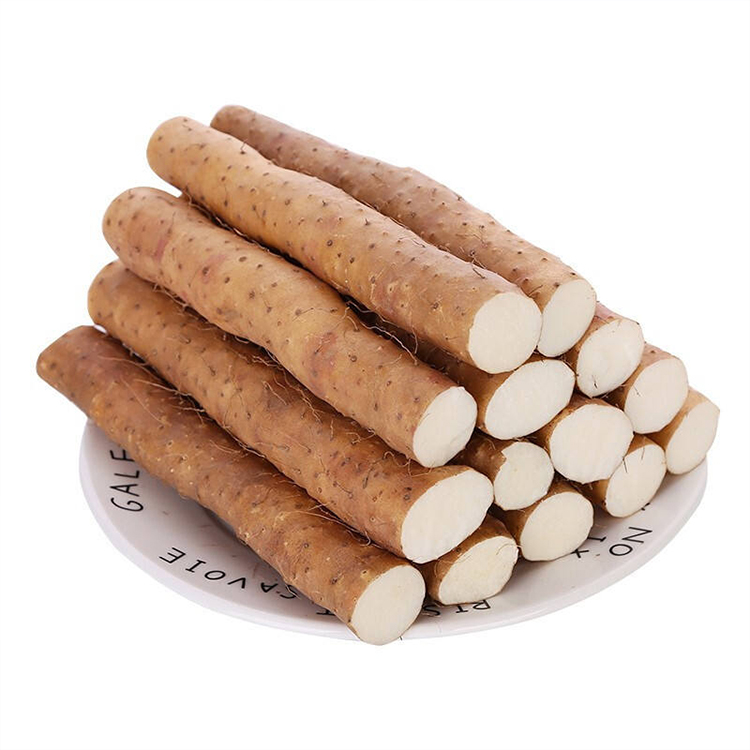
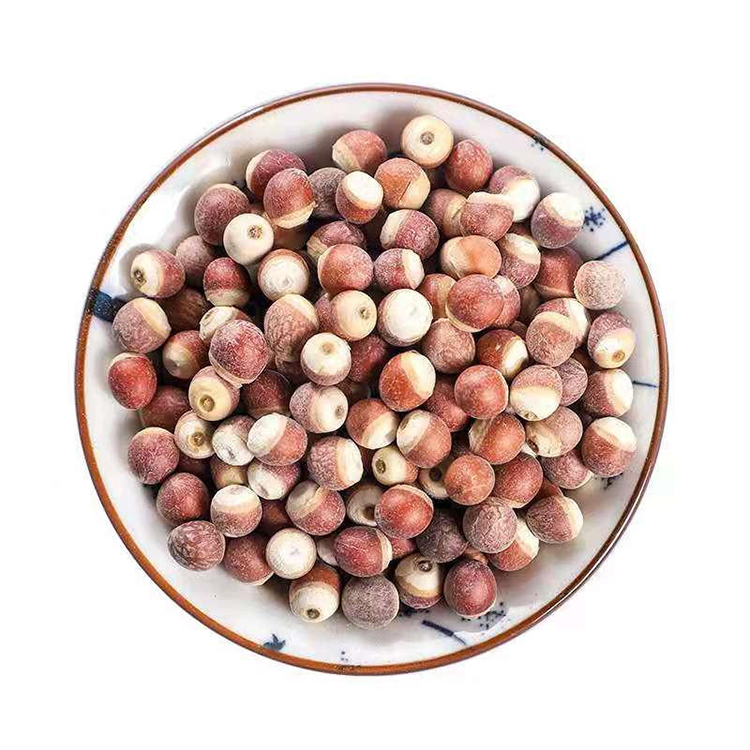
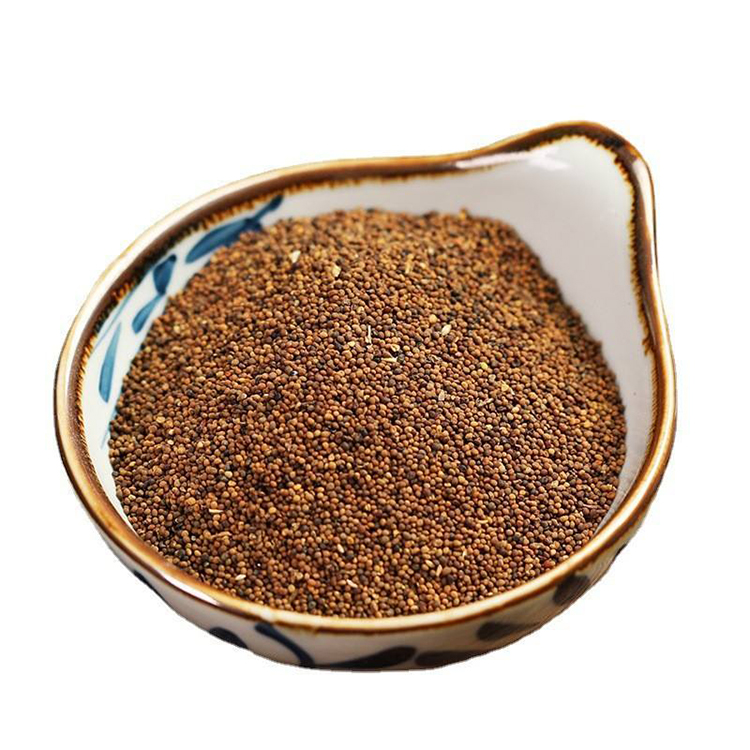
If you work with Chinese herbs every day, you already know the two big headaches:
customers keep asking for “clean” herbs;
customs and QC keep asking about sulfur dioxide (SO₂).
Let’s talk simple and straight. Why does sulfur show up in herbs at all, what does it do to health, and why are sulfur-free herbal slices becoming the default choice for serious brands and hospitals?
Sulfur Fumigation in Chinese Herbal Slices
Why processors used sulfur dioxide in the first place
For a long time, many small factories dried fresh herbs like this:
burn sulfur in a closed room;
hang roots, flowers or fruits above the smoke;
let the SO₂ gas kill mold and bugs and “fix” the color.
It’s cheap, fast, low-skill. You can run it in a village workshop. That’s why it spread so wide.
The problem: when you do this, part of the gas stays in the herbal slices as sulfur dioxide residue. You can’t see it with your eyes. But the lab can see it very clear.
A big national survey tested hundreds of herb batches and found that many lots went over the legal SO₂ limit. In some herb types, more than half the samples failed. If you just buy from the open market, the risk is real, not just theory.
Current sulfur dioxide residue limits in Chinese medicinal herbs
Regulators dont sleep on this. In places like mainland China and Hong Kong, the official standards now say roughly:
for most Chinese herbs: SO₂ must stay under a fixed limit per kg of material;
for some special roots and high-risk items, there is a slightly higher limit, but still strict;
if the residue level would push daily intake above the safe range, regulators can call the product unfit for human consumption.
So sulfur fumigation is no longer only “traditional craft”. It’s become a compliance and safety topic for every importer and brand.
Health Risks of Excess Sulfur Dioxide in Herbs
Impact on sensitive users and long-term drinkers
Sulfur dioxide is a common food additive. In small amounts most people tolerate it. But if you:
have asthma,
have sulfite allergy,
or drink herbal decoctions and enzyme drinks every single day,
too much SO₂ can become a problem.
Typical reactions in sensitive people can include things like:
tight chest or short breath after a herbal tea;
headache or dizzy feeling;
stomach discomfort or loose stool.
Most users will not connect that feeling to sulfur. They think “the herb is too strong” or “this formula not suit me”. In reality, sometimes the issue is the processing, not the herb itself.
And remember: for long-term tonic formulas, detox teas, or daily enzyme shots, those “tiny residues” can add up. Day after day, year after year, that’s alot intake.
What sulfur fumigation does to herb chemistry
Health risk is not only about the gas itself. It’s also about what sulfur does inside the plant.
Modern studies show that fumigation can:
break down or convert ginsenosides in ginseng and related roots;
change flavonoids and phenolic acids in flowers like honeysuckle;
create new sulfonated compounds that didn’t exist in the original herb.
On paper, you still see active ingredients in the chromatogram. But from a traditional view, and from a pharmacopeia view, you are no longer dealing with the same herb described in the classics. Efficacy can drop. Toxicity profile can shift. Dose–response becomes less predictable.
For hospitals, supplement factories and drink brands, this is bad news. You need stable chemistry if you want stable effect.
Sulfur-Fumigated vs Sulfur-Free Herbal Slices
To see things clear, let’s compare.
Table 1 – Key differences for real-world buyers
Factor
Sulfur-fumigated herbal slices
Sulfur-free / sulfur-controlled herbal slices
Appearance
Very bright, sometimes too white or too yellow, color looks a bit “off”
Natural color, slight uneven tone, looks closer to farm reality
Sulfur dioxide residue
High risk of exceeding legal limits; lab reports often surprise the buyer
Controlled by process and testing; can be kept within strict spec
Herb chemistry
Part of active compounds modified; some new sulfur-related molecules appear
Composition stays much closer to classic decoction pieces
Smell & taste
Can have sharp, irritating, smoky or chemical smell in decoction
Soft, herb-specific aroma; better flavor in tea and functional drinks
Health profile
Extra load for sensitive and long-term users
Friendlier to gut, lung and liver over long use
QC & customs risk
Higher chance of failing SO₂ checks at border or during audit
Easier pass rate; smoother import and batch release
Brand story
Hard to support claims like “minimal processing” or “pure plant”
Real support for clean label and natural positioning
If you sell hospital decoctions, dietary supplements, tea bags, enzyme drinks or cosmetic raw materials, you really dont want to sit on the left side of that table.
Use Scenarios: Decoctions, Tea Bags, Enzyme Drinks and Cosmetics
Sulfur load hits different depending on how you use the herb.
Hospital and clinic decoction pieces
In decoction rooms and TCM pharmacies, doctors work directly with root and rhizome herbs, barks, fruits and seeds. Many of these come from categories like:
These pieces go straight into patients’ prescriptions, sometimes for months. If SO₂ runs over limit, the product doesn’t only hurt trust. It may break local drug regulation. Pharmacist and hospital both take the risk.
Using sulfur-free or sulfur-controlled decoction slices means:
less stress when your internal lab or third-party lab runs a random check;
more stable clinical feeling of formulas;
easier communication with patients who already worry about “additives”.
Herbal tea bags and functional beverage brands
For tea bag brands, you’re not selling a hardcore decoction. You’re selling a daily ritual. Smell, color, and smooth taste matter a lot.
GuoCao offers several related product lines, such as:
In tea bags and RTD herbal drinks, sulfur brings two headaches:
Off-flavor. Even non-experts can notice a weird sharp smell after brewing.
Label pressure. Many markets now put sulfites on the allergen list. If your raw herbs carry too much, your label and registration become messy.
Using sulfur-controlled slices makes it far easier to claim “no added preservatives” or “naturally dried herbs” with a straight face.
For enzyme drinks / postbiotic shots, like Kudzu Root or Cistanche fermented beverages, sulfur-free herbs also help the fermentation itself. Microbes are happier, flavor is more clean, and your QA doesnt need to worry about SO₂ messing with the process.
You can see GuoCao’s Herbal Enzymes section as an example of how these ingredients sit in a real product line.
Dietary supplements and cosmetic ingredients
If you supply:
capsules, tablets, granules,
gummies, protein blends, medicinal-food powders,
or cosmetic raw materials based on herbal extracts,
you already fight with heavy metals, pesticide residues, solvent residue, micro load. Adding unknown SO₂ on top just makes every audit harder.
Working with sulfur-controlled animal & mineral, roots, fruits, flowers and barks from GuoCao’s catalog:
lets you build a “clean spec” from day one. Your dossier reads nicer. Your contract manufacturer or your own QA team also breathe easier.
GuoCao Sulfur-Free Chinese Herbal Slices and OEM/ODM Value
GMP production, ISO 22000 and COA system
GuoCao positions itself as a global Chinese herbal slice manufacturer and wholesale supplier. From the public info:
we run GMP herbal slice lines, including cutting, drying, roasting, and packaging;
we have normal / cool / modified-atmosphere warehouses to control moisture and mold without abusing sulfur;
ISO 22000 food safety system and third-party COA testing give traceable data on heavy metals, pesticides, micro, and, when needed, SO₂.
Annual capacity is around 2,500 tons, but we still support small test batches for new brands. That means you can start a pilot herbal tea or enzyme drink with low risk, then scale after the market proves the idea.
For sulfur specifically, buyers can:
define clear internal spec (for example, “no sulfur fumigation” or “SO₂ under pharmacopeia limit”);
lock that into purchase contracts;
make it part of every batch COA.
So instead of guessing “maybe this batch is okay,” you have data on paper.
Product categories and global wholesale use cases
GuoCao’s site shows a full spread of categories, for example:
Clients range from pharma companies, dietary supplement factories, functional drink brands, hospitals, TCM clinics, cosmetic ingredient traders, big wholesalers, to local retailers and distributors in more than 30 countries and regions.
For OEM/ODM projects—bagged tea, compound decoction slices, TCM enzyme drinks—GuoCao doesnt just sell raw herb. We help:
refine formulas based on medicinal-food homologous ingredients;
choose suitable cut size, dryness and packaging;
keep the whole flow under sulfur-controlled conditions.
All of this directly supports your business value: less compliance risk, stronger clean-label story, and more repeat orders from end customers who feel comfortable with what they drink.
How to Move to Sulfur-Free Supply in Real Projects
If you’re planning to upgrade your supply from “maybe sulfur” to “sulfur-controlled” or “sulfur-free”, you can follow a simple playbook:
Ask the direct questions. Dont be shy. Ask current vendors: “Do you use sulfur fumigation on this herb? What’s the SO₂ spec? How do you test it?”
Make SO₂ part of your COA and IQC. If your lab doesn’t test it right now, consider adding it to the panel, at least for high-risk herbs like Codonopsis, Pueraria, Paeonia Alba, Gastrodia and similar roots.
Switch to controlled drying methods. Work with suppliers that use hot-air drying, shade drying and proper storage. When moisture and storage are under control, there’s much less “need” for heavy sulfur.
Use planting-base plus factory model. Upstream control matters. A partner like GuoCao, with planting bases, multiple warehouses and in-house slicing and packaging, can actually implement your spec. Not just pick random goods from a wholesale market.
Build your marketing story on real process, not buzzwords. When you know your herbs are sulfur-controlled, you can talk calmly about “natural drying”, “minimal processing”, “lab-verified safety”. No need for big slogans. Just simple facts that buyers and doctors understand.
In short, sulfur-free herbal slices are not hype. They’re just a more honest, more controllable way to work with Chinese medicine in a modern, global supply chain.
If your goal is to give people herbs they can drink every day without worry—whether in decoction, tea bag, capsule or enzyme drink—then moving to sulfur-controlled or sulfur-free sourcing is one of the most practical steps you can take right now.
And if you want help designing that move, GuoCao already lives inside that world every single day.
Sources used for this article (for your internal reference only)
Reviews and regulatory documents on sulfur fumigation of Chinese herbal medicines and SO₂ limits in pharmacopoeias.
Surveys of sulfur dioxide residues in multiple Chinese medicinal materials and batch failure rates.
Studies on chemical changes in herbs (ginsenosides, flavonoids, phenolic acids) after sulfur fumigation.
Research on rapid SO₂ detection in Chinese herbal medicines, including test-strip methods and ion chromatography.
Public information from chineseherbalslices.com about GuoCao’s product categories, OEM/ODM flow, GMP facilities, planting bases and global sales regions.
Our low MOQ of 1 kg (2.2 lb) makes it easy to order Chinese herbal slices or wholesale Chinese medicine herbs. Private-label and bilingual labeling are also available.
Delivery Cycle & Support
We have a fast 7-day lead time. We provide free samples, COA reports, and technical support to help you bring high-quality bulk Chinese herbs to market.
Quality & Certifications
Our products are manufactured in a GMP-certified facility and meet ISO22000 standards. All Chinese herbs are third-party tested for heavy metals, pesticides, and microorganisms.