How to Source Bulk Chinese Herbal Slices from China Without Getting Low-Grade Material
Sourcing Chinese natural slices wholesale looks simple until the wrong set lands in your warehouse: wet roots, sulfur odor, missing COA, inconsistent piece thickness, chemical risk, or Latin-name confusion. This overview describes just how significant buyers validate bulk TCM natural herbs vendors before money leaves the account.
The Ugly Fact Regarding Low-cost Mass Chinese Herbs
Economical gets pricey.
I have actually seen purchasers celebrate a low quote on mass Chinese herbs, then quietly shed the margin later on via dampness claims, damaged pieces, bad fragrance, customs delays, or laboratory results that make the entire shipment unsellable. The rate looked smart on WeChat. The stockroom fact looked different.
So what actually divides good Chinese organic pieces wholesale from low-grade material?
It is not the vendor’s smile. It is not a shiny factory photo. It is not even words “GMP” on a PDF unless the certificate, item scope, set records, and third-party examinations match the natural herb you are getting. In this profession, the purchaser who asks vague questions obtains unclear product.
The hard truth: numerous bad sets are not “phony” in the dramatic criminal feeling. They are common commercial faster ways. Old stock combined with fresher supply. Over-dried slices that lost fragrance. Under-dried pieces that welcome mold and mildew. Incorrect botanical part. Weak grading language. “Comparable beginning” replacemented for authentic beginning. And my least favorite trick: a COA that looks official however is not linked to the specific manufacturing lot.
If you are sourcing Chinese natural herbs from China for teas, supplements, product packs, essences, private-label blends, or practical foods, your very first work is not discovering the lowest rate. Your very first task is building a being rejected system.
Why Low-Grade Chinese Herbal Slices Slip Into the Supply Chain
Low-grade product normally enters with one of 5 doors: origin confusion, post-harvest drying out blunders, inadequate storage space, weak vendor screening, and customer pressure for unrealistic rates.
I’ll state it clearly: if your target cost is listed below the genuine farm-and-processing price, you are not “working out well.” You are asking the market to conceal the loss elsewhere.
For mass Chinese natural herbs, that “elsewhere” may be:
Threat Area
What Goes Wrong
What a Significant Customer Must Request For
Herb identity
Similar-looking root, bark, seed, or rhizome is replaced
Latin name, Chinese pinyin, plant part, macroscopic photos, vendor identification check
Origin
Non-authentic area sold as premium beginning
Province, region, harvest period, planting or collection record
Dampness
Pieces get here soft, moldy, or mold-prone
Wetness percent, water task if available, drying technique, storage space photos
Hefty steels
Pb, As, Cd, Hg surpass target audience limits
Third-party hefty metal report for the exact set
Chemicals
Multi-residue risk, specifically for cultivated origins and fruits
GC-MS/MS or LC-MS/MS pesticide panel, not a one-line “pass”
COA, billing, packing list, batch number, manufacturing date, test day
And yes, documentation issues. Uninteresting paperwork conserves cash.
The U.S. National Facility for Complementary and Integrative Health warns that some Chinese herbal items have been contaminated with toxic compounds, heavy metals, pesticides, microbes, undeclared medications, and even inaccurate natural herbs that created body organ damage. That is not internet chatter; it is specified in the NIH-backed NCCIH overview, Conventional Chinese Medication: What You Need To Know.
That is why professional customers ought to treat a Chinese medicine product items provider like a food-and-pharma-adjacent partner, not like an informal asset supplier.
Table of Contents
Begin With Distributor Design, Not Product Photos
A genuine mass TCM herbs provider should be able to clarify its supply chain in boring detail.
Where are the herbs grown? That dries them? Where are they cut? Are origins and roots refined independently from aromatic blossoms? Are animal and mineral medicinals segregated? Who regulates storage space moisture? Just how are declined whole lots dealt with? What takes place when a set fails pesticide testing?
If the solution is mainly “don’t fret, friend,” concern.
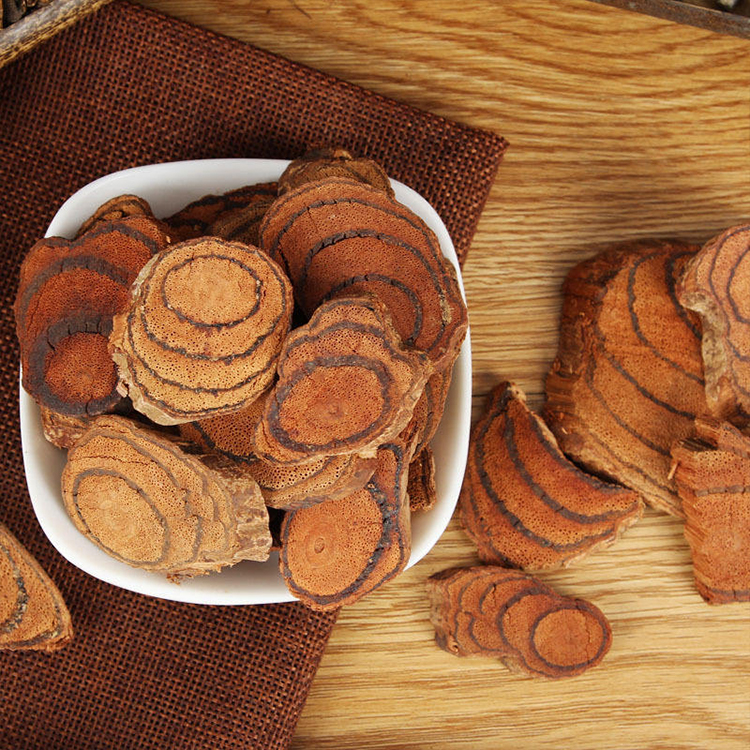
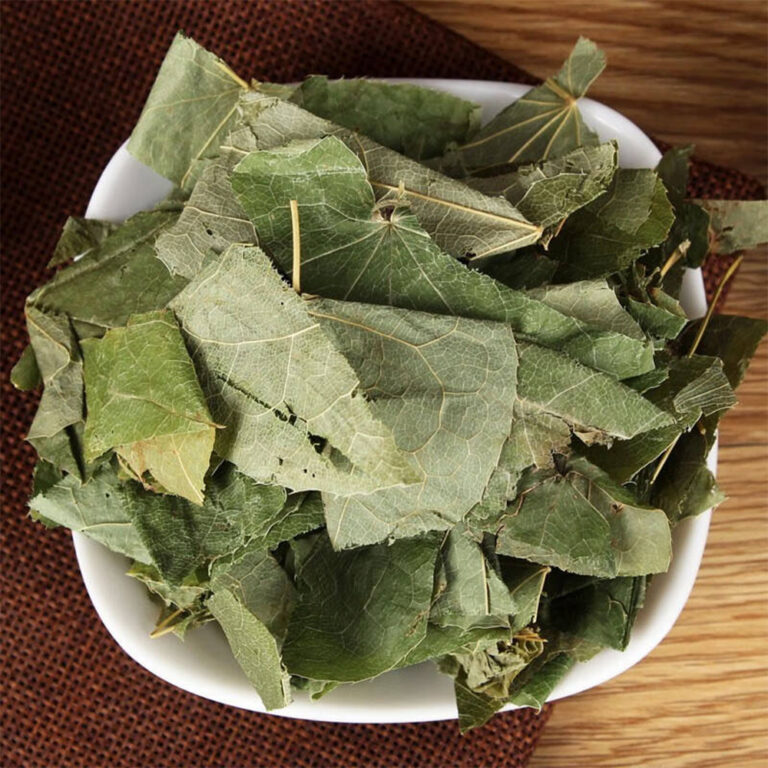
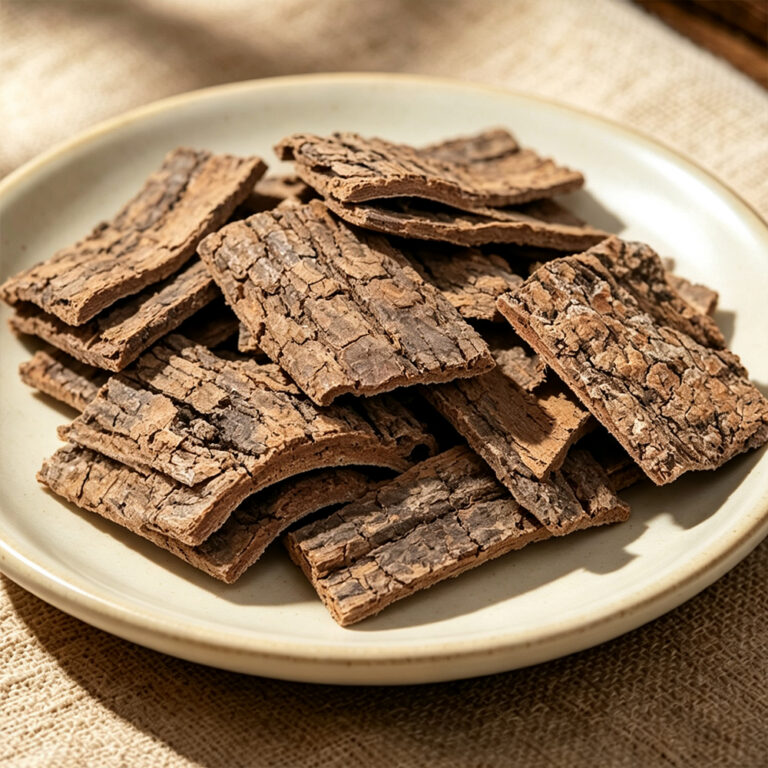
When screening vendors, I would begin with a wide item map like the mass Chinese herbs and seasonings catalogue before narrowing right into category-specific danger. Roots and roots, as an example, are not examined similarly as flowers, seeds, barks, or materials. A dense origin might conceal drying defects. A blossom might lose shade and unpredictable fragrance quick. A seed may lug storage bug risk. Various product, various traps.
For root-heavy formulas, I would certainly examine a concentrated classification such as origin and root Chinese medicines and compare item naming, plant component, refining style, and available mass choices before asking for examples.
The distributor needs to likewise show making deepness. If you need slicing, blending, product packaging, multilingual tags, or private-label layouts, evaluation whether the firm has an actual OEM procedure, not simply a packaging table. A page like customized Chinese herbal and seasoning solutions works because it lets you examine whether sampling, pilot production, QC, and full-blown manufacturing belong to the exact same operations.
But here is my regulation: never let OEM capacity sidetrack you from basic material quality. A lovely pouch loaded with mediocre slices is still a problem in nicer clothing.
The COA Is Not Enough: Demand Batch-Level Evidence
A Certificate of Evaluation can be beneficial. It can also be cinema.
I have seen COAs that looked neat, brought stamps, and still stopped working one of the most fundamental purchaser examination: no matching set number, no example day, no test approach, no laboratory identification, no requirements limitation, no link to the actual delivery. That is not quality control. That is design.
For quality control for Chinese natural slices, request for the adhering to prior to accepting bulk manufacturing:
1. Specific agricultural identity
You require the Latin binomial, Chinese name, pinyin name, plant part, and processing kind. “Angelica root” is not nearly enough. Is it Angelica sinensis? Angelica dahurica? Dong quai slices? Bai Zhi? Origin? Root? Whole? Cut? Sulfur-free?
Small name errors can end up being costly governing errors.
2. Set pictures and pre-shipment video
Ask for close-up photos under all-natural light: front, side, busted surface area, powder degree, foreign matter, slice thickness, and packaging. Video is much better. Not cinematic video clip. Raw video clip.
Pretty photos exist.
3. Heavy metal report
At minimum, examination lead (Pb), arsenic (As), cadmium (Cd), and mercury (Hg). Depending upon your market, likewise consider copper (Cu), chromium (Cr), and nickel (Ni). The point is not just passing China’s domestic expectations. The factor is passing your import market, retail network, and brand name risk threshold.
A CDC-indexed research, Heavy Metal and Chemical Content in Typically Prescribed Specific Raw Chinese Herbal Medicines, analyzed 334 examples representing 126 species for arsenic, cadmium, chromium, lead, and mercury; 294 examples representing 112 varieties were likewise evaluated for 162 pesticides. That number needs to terrify unserious customers. It means contamination is not an academic issue gone over just by regulatory authorities. It has actually been measured in genuine raw Chinese natural medicines.
4. Chemical panel
Do not accept “chemical qualified” as a major response. Ask which chemicals were evaluated, by what approach, and under which restrictions. LC-MS/MS and GC-MS/MS panels are common for modern-day multi-residue screening.
If a provider can not discuss the panel, they possibly can not safeguard the set.
5. Dampness and microbial control
Dampness is the silent killer in Chinese herbal medicine wholesale. A set can pass aesthetic examination and still produce insurance claims after sea freight, especially if the item was jam-packed warm, stored in damp problems, or filled right into a container throughout wet climate.
Request moisture material. Ask just how it was dried out. Ask the length of time it rested before packing. Ask whether the product packaging includes an internal PE lining, light weight aluminum foil bag, carton, woven bag, vacuum cleaner pack, or drum. For mold-sensitive products, request microbial information before delivery.
6. Sulfur dioxide and handling statement
Some customers only discover sulfur treatment after the smell reaches the unpacking table. For lots of global markets and costs organic brand names, that is unacceptable. Ask whether sulfur fumigation was used. After that examination SO two if needed.
The Governing Danger Is Bigger Than Your Distributor Thinks
Import risk does not care about your justifications.
FDA import informs are the kind of thing numerous natural purchasers learn about after they have currently paid a deposit. The FDA import-alert index includes Import Alert 54-10 for detention without health examination of mass or finished nutritional supplement items consisting of aristolochic acid, noted in the agency’s Import Informs by Number. That need to change how you purchase anything related to Aristolochia, Asarum, or risky typical names.
Aristolochic acids are not a small paperwork concern. The International Firm for Research on Cancer cells has actually promoted aristolochic acid-associated cancers cells as a public health and wellness threat, keeping in mind direct exposure is connected to serious nephropathy and urologic and hepatobiliary cancers cells in its report, Aristolochic acid-associated cancers cells: a public wellness danger in need of worldwide action.
Do not play with this category.
And before a person states, “That is not our natural herb,” here is the broader factor: regulatory authorities penalize systems, not intents. In 2024, Reuters reported that Japanese authorities looked a Kobayashi Drug manufacturing facility after deaths and hospitalizations were possibly linked to red yeast rice supplements; the report claimed 5 people had actually passed away and 114 had been hospitalized as of that Thursday evening. That case was not concerning normal Chinese organic pieces, however it shows just how fast a supplement-adjacent top quality failing becomes a public-health, media, and business calamity. Read the Reuters report right here: Kobayashi factory searched over fatalities perhaps linked to supplements.
So when a vendor claims, “We have actually marketed this for many years,” my solution is easy: show the tests.
Just how I Would Vet a Chinese Medicine Product Pieces Supplier
Below is the functional operations I would make use of prior to positioning a major order.
Action 1: Begin with a small paid example, not a big “trial order”
Free samples are great, however paid samples often disclose extra. Request for 300 g to 1 kg, relying on the natural herb worth and screening need. A provider providing a typical MOQ of 1 kg, as revealed on the website’s bulk natural herbs FAQ, gives buyers space to evaluate material prior to dedicating to larger purchase.
The sample should originate from stock that can scale. I do not want a hand-picked display room example from a jar.
Step 2: Evaluate the example separately
Utilize your very own lab or a laboratory approved by your market. For U.S., EU, UK, Canada, Australia, and Gulf buyers, do not count only on a vendor’s inner outcome for very first collaboration.
Examination identification, wetness, heavy steels, chemicals, sulfur dioxide, and microorganisms based on item danger.
Step 3: Lock the spec in creating
Your purchase order should define:
Item name
Latin name
Chinese name
Plant component
Beginning
Quality
Slice dimension or density
Wetness restriction
Contaminant limit
Product packaging
Batch screening needs
COA suit need
Rejection terms
No spec, no utilize.
Step 4: Request manufacturing and storage proof
For larger orders, request production pictures, packaging images, stockroom images, and pallet images. If the order issues, utilize third-party examination before last balance settlement.
This is not rude. This is typical.
Tip 5: Develop a supplier scorecard
Do not judge just by the initial example. Track reaction speed, paper precision, grievance handling, set consistency, and whether the vendor presses back honestly when your demand is impractical.
A good distributor occasionally claims no. A poor provider claims yes to everything.
What “Good Material” Resembles wholesale Chinese Herbs
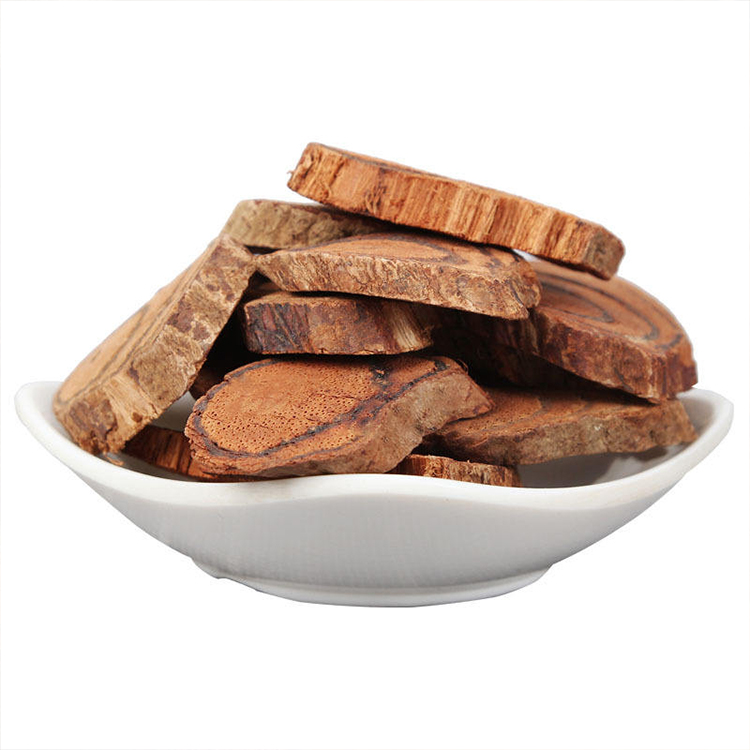
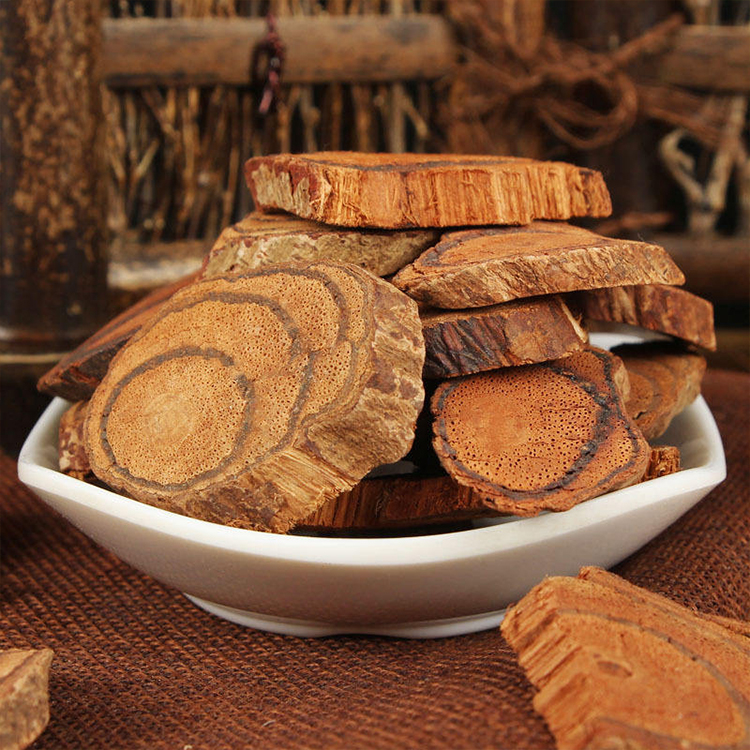
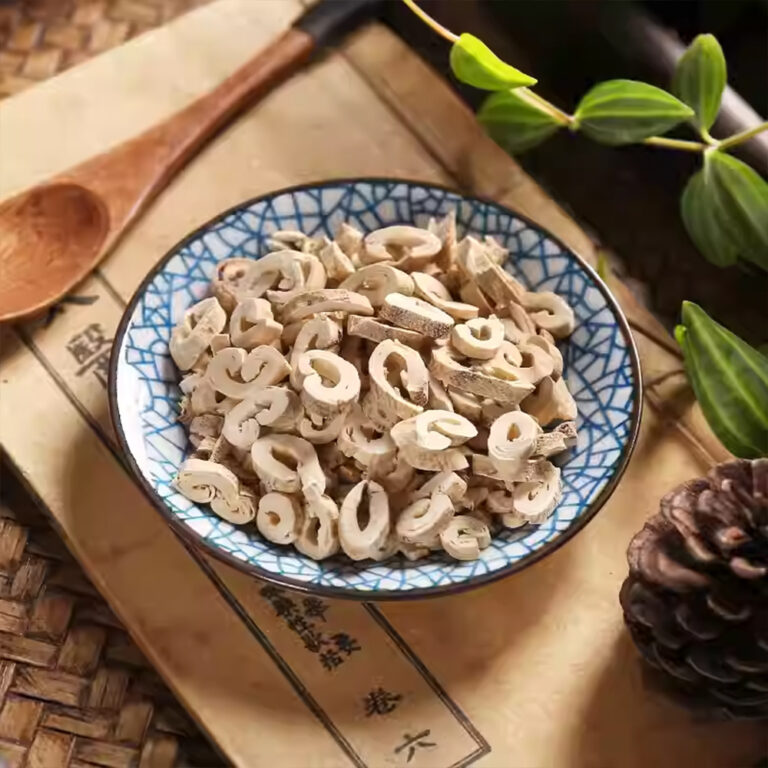
Great Chinese organic pieces normally have constant cut, natural color, clear aroma, reduced foreign matter, correct dryness, and set documents that match the physical goods. The appearance must fit the herb, not some dream variation of “clean.”
That tail end issues.
A lot of new buyers assume bright color constantly means top quality. Sometimes it suggests over-processing. Occasionally it implies sulfur. In some cases it implies the product was selected for photo allure instead of active high quality.
For high-volume customers, I would contrast supplier claims versus visible operating history and customer instances. A web page like GuoCao global organic situations can assist you understand what product categories and purchaser types the vendor presents publicly. But do not quit there. Request for recommendations by product classification, not generic endorsements.
If you are purchasing Dang Gui, do not ask whether the vendor can sell natural herbs. Ask whether they have just recently supplied Angelica sinensis pieces at your target quality, dampness range, and product packaging style.
Particular beats respectful.
Warning I Would Certainly Not Overlook
Some signs should have instant caution:
The provider declines third-party screening.
The COA has no batch number.
The Latin name is missing out on or wrong.
The supplier can not describe plant component.
Photos show mixed sizes, excessive powder, insects, mold and mildew, or contaminant.
The rate is much listed below completing offers without clear reason.
“Organic” is asserted with no certifier.
“Wild” is claimed for whatever.
The provider pushes urgent payment before documents.
The example and bulk set look different.
They can not separate food-grade, product, extract-grade, and ornamental/low-grade product.
And right here is a controversial point of view: one of the most harmful distributor is not always the most inexpensive one. Occasionally it is the middle-priced distributor with suitable English, obtained certificates, and simply sufficient self-confidence to make you stop inspecting.
That one harms purchasers.
The Inner High Quality List Before You Send Money
Prior to paying a down payment for Chinese natural slices wholesale, run this list:
Checkpoint
Pass Requirement
Turn down or Pause If
Vendor identity
Manufacturing facility, supplier, or merchant role is clear
They conceal who processes the goods
Product identity
Latin name, Chinese name, plant component verified
Generic name just
Origin
Province or expanding region specified
“China beginning” just
Sample suit
Taste tied to scalable supply
Sample can not represent bulk whole lot
COA
Set number, examination date, method, laboratory shown
Generic COA or old record
Moisture
Limitation concurred before delivery
“Dry enough” language
Heavy steels
Pb, As, Cd, Hg checked
Provider avoids testing
Pesticides
Multi-residue panel readily available
One-line pledge
Sulfur
Affirmation and test if required
Solid smell or no answer
Packaging
Export-safe internal and external product packaging
Cost Negotiation: Where Purchasers Unintentionally Damage Top Quality
Everybody desires a far better rate. Fine.
However when customers press as well hard, suppliers quietly adjust the quality. They may use smaller items, older stock, combined beginnings, much less discerning sorting, cheaper packaging, or a slower testing path. That is not constantly scams. Often it is the only means the quote can exist.
Request 2 or three grades honestly:
Export-grade with complete screening
Standard wholesale grade
Extract-grade or processing-grade
Then contrast the rate spread. If the premium grade is just 2% greater, something is strange. If the reduced grade is 40% cheaper, currently you know where the risk sits.
For ideal Chinese herb distributor in China searches, this is where several purchasers fool themselves. “Ideal” does not suggest most affordable, fastest, and completely accredited for each market. Ideal means the supplier fits your product usage, conformity worry, volume, documentation demands, and resistance for threat.
A tea brand, an essence manufacturing facility, a TCM clinic representative, and a supplement brand do not need the exact same grade.
FAQs
What are bulk Chinese herbs?
Bulk Chinese herbs are wholesale quantities of typical Chinese medical basic materials, consisting of roots, roots, fruits, seeds, flowers, barks, minerals, and ready slices utilized for decoctions, teas, removes, supplements, functional foods, and OEM solutions. Purchasers must verify identification, origin, wetness, contaminants, and batch papers before importing.
Exactly how do I source Chinese natural pieces from China safely?
Sourcing Chinese natural pieces from China securely means getting only from vendors that provide organic identification, beginning records, batch pictures, third-party COA reports, pollutant testing, clear product packaging specs, and written denial terms before delivery. The safest customers test samples separately before authorizing bulk production or private-label manufacturing.
What examinations should I ask for Chinese herbal pieces wholesale?
The standard test bundle for Chinese herbal pieces wholesale need to consist of identity confirmation, dampness, hefty steels, chemical deposits, sulfur dioxide when pertinent, microbial limits, and foreign matter examination. Higher-risk herbs may also require aflatoxin, marker compound, DNA authentication, or market-specific examinations based on location guidelines.
Why do Chinese organic pieces come to be low-grade during sourcing?
Chinese herbal pieces become low-grade when distributors blend origins, make use of older supply, dry material inadequately, miss sorting, over-process pieces, shop products in humid storage facilities, or ship without batch-level testing. Low-grade product can still look appropriate in images, which is why customers require examples, laboratory information, and examination controls.
Is a COA sufficient to trust a mass TCM natural herbs vendor?
A COA is inadequate to rely on a mass TCM natural herbs vendor unless it matches the precise batch number, item name, plant component, test date, approach, requirements, and shipment lot. Customers ought to treat the COA as one evidence factor, then verify high quality with samples, pictures, supplier audits, and independent screening.
What is the minimal order quantity for Chinese natural medicine wholesale?
Minimum order amount for Chinese natural medicine wholesale depends on the vendor, natural herb value, supply setting, packaging, and personalization needs, yet little MOQs such as 1 kg can assist customers examination material before scaling. For OEM or private-label job, MOQ might increase because formula, product packaging, and manufacturing arrangement price extra.
Last Thoughts: Acquire the Set, Not the Sales Pitch
The best method to resource mass Chinese herbs is to think like an investigator prior to you think like a customer. Adhere to the proof. Examine the product. Test the sample. Lock the requirements. Deny obscure solutions.
Do not compensate mystery.
If you are sourcing Chinese natural pieces from China and need factory-direct supply, custom product packaging, sample evaluation, or set paperwork, begin by examining the full Chinese natural herbs and flavors catalogue, then send a concentrated inquiry via the GuoCao get in touch with page with the precise herb name, Latin name, target quality, order quantity, destination country, and called for tests. The more clear your demand, the more difficult it is for low-grade product to sneak right into the bargain.
Our low MOQ of 1 kg (2.2 lb) makes it easy to order Chinese herbal slices or wholesale Chinese medicine herbs. Private-label and bilingual labeling are also available.
Delivery Cycle & Support
We have a fast 7-day lead time. We provide free samples, COA reports, and technical support to help you bring high-quality bulk Chinese herbs to market.
Quality & Certifications
Our products are manufactured in a GMP-certified facility and meet ISO22000 standards. All Chinese herbs are third-party tested for heavy metals, pesticides, and microorganisms.