


I have seen herb businesses lose money not because the herb was wrong, but because the batch story was weak. This guide breaks down herb batch management the way buyers, QA managers, customs teams, and skeptical operators actually think about it: traceability, shelf life, release discipline, and proof.

Most supply chains do not fail in dramatic ways. They fail in boring, expensive ways: a missing COA, a broken lot code, a wet batch, a late vessel, or a supplier who says “premium quality” because they cannot say anything precise. This guide breaks down the practices that actually keep herbal supply chains reliable.

Animal-derived medicines are not risky because they come from animals. They become risky when buyers cannot prove species origin, tissue selection, contaminant control, and lot-level traceability. This piece breaks down where the real danger sits, what smart procurement teams verify first, and how to build a sourcing process that survives audits, customs, and bad surprises.

Most buyers talk about origin like it is poetry. I do not. In herb sourcing, a region matters only when it cuts risk, stabilizes chemistry, shortens lead times, and gives you cleaner audit trails. This piece explains which major herb-producing regions actually deliver those gains, where they fail, and how serious buyers should judge them.

Most buyers do not fail because they chose the wrong herb. They fail because they chose the wrong supplier. Here is the blunt, data-backed checklist I would use to separate serious Chinese herbal suppliers from smooth-talking traders.

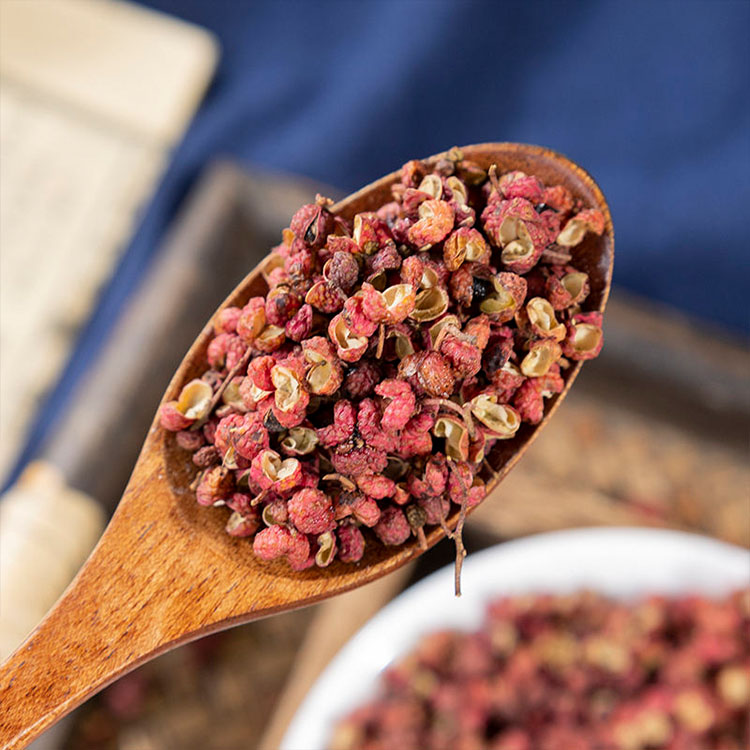
Clean-looking spice is not clean spice. I break down the hard truth behind magnetic separation for spices, safety sieving for spice powder, and metal detection for spices, using FDA data, recent contamination cases, and practical line-placement logic buyers can actually use.

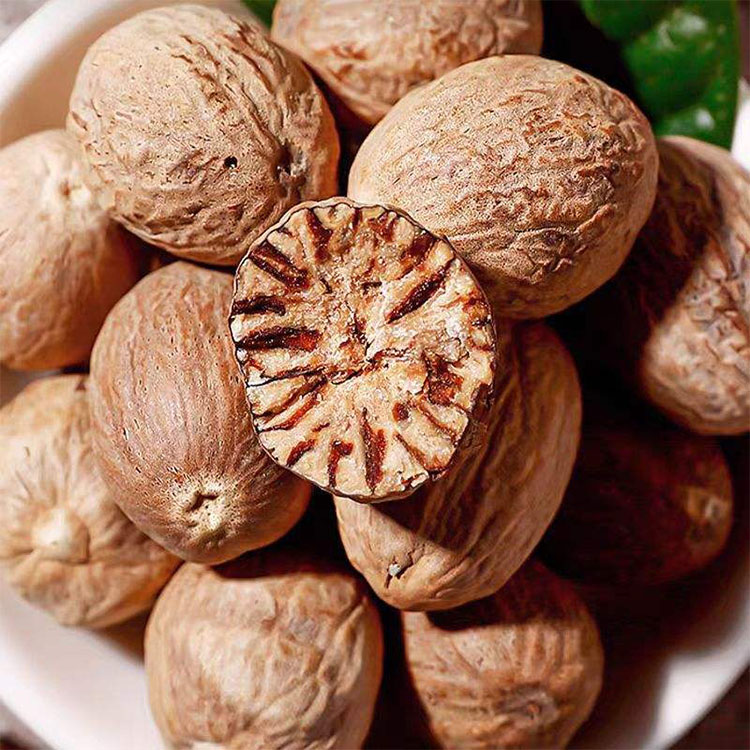
A hard-nosed buyer’s guide to nutmeg vs mace, why one shared spec sheet fails, and how to separate nutmeg and mace specifications before the next shipment turns into a claims fight.

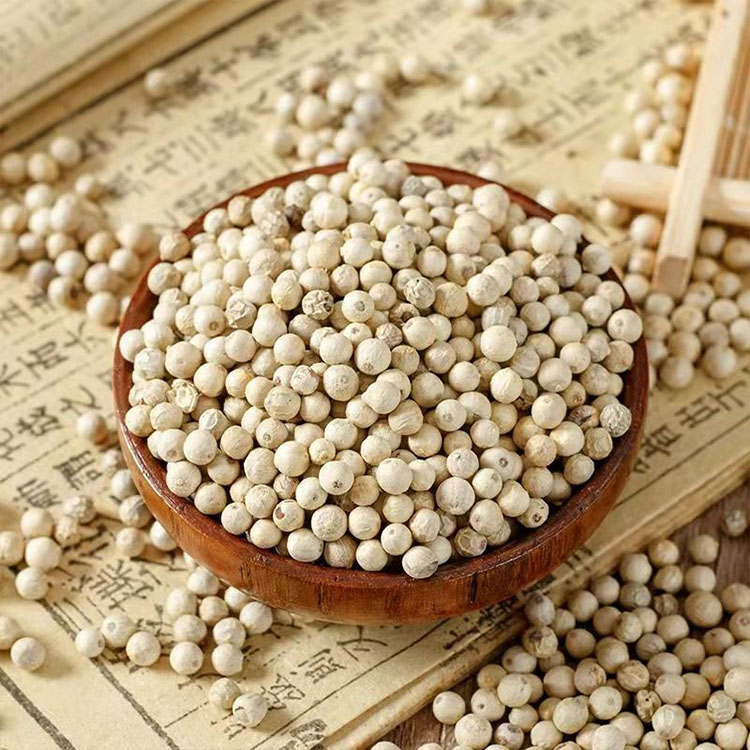
I do not buy white pepper on appearance alone, and neither should you. The real fight is upstream: soaking water, off-odor formation, microbial load, kill-step choice, sampling logic, and whether your supplier can prove any of it when an audit gets ugly.

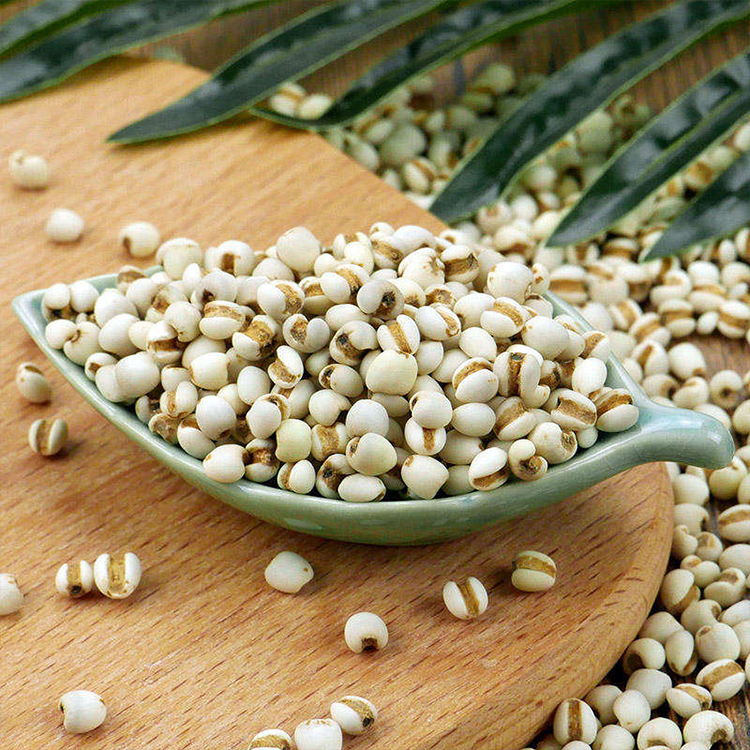
Polish level is not a cosmetic choice for Yi Yi Ren. It changes bran load, lipid retention, off-notes, shelf stability, and the odds that a first-time buyer says yes or walks away.

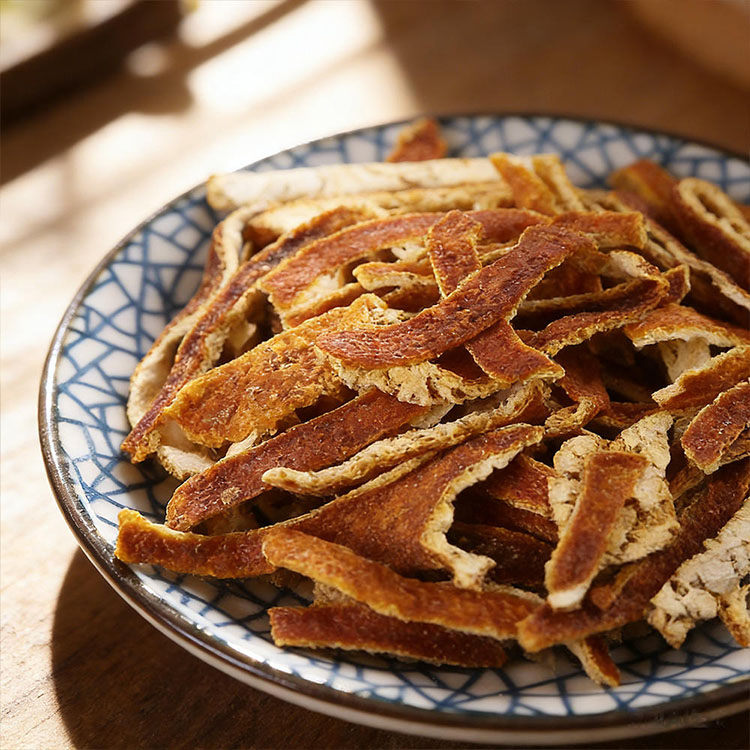
Most “aged Chen Pi” claims collapse the second someone asks for dates, lot genealogy, and storage logs. Here’s how I would document harvest year, first drying date, storage continuity, relabel events, and batch release so a Chen Pi age claim survives due diligence instead of starting a paper war.

Bupleurum root looks simple on paper: Chai Hu, Bupleuri Radix, bulk blocks, standard COA. In practice, that is where buyers get fooled. This guide shows where mixed lots are born, why ID failures keep happening, and what a real buyer spec must force a supplier to prove.

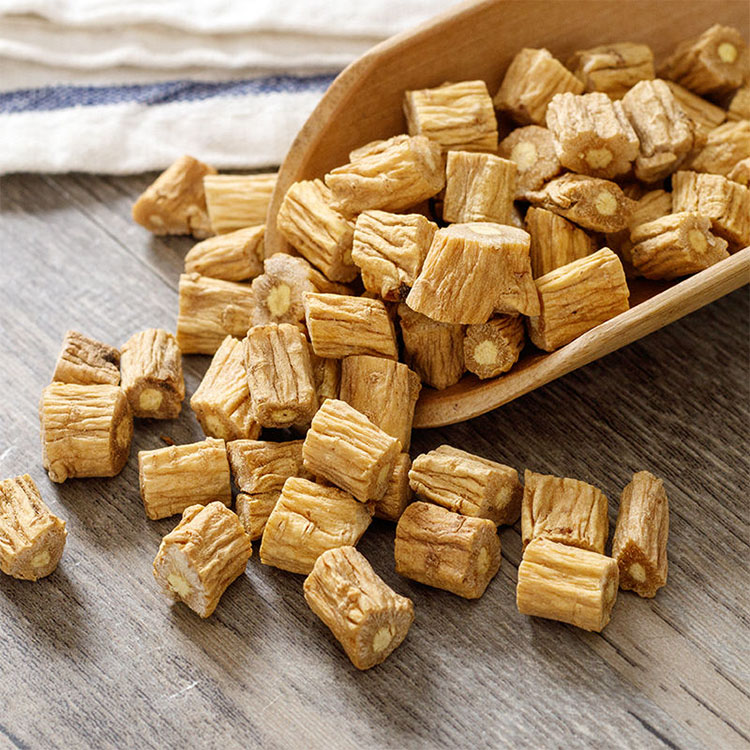
Most OEM teams ask the wrong question about Ge Gen. The real issue is not tradition versus convenience. It is where you want extraction risk, identity risk, and process variation to live: upstream with the supplier, or downstream inside your own plant.