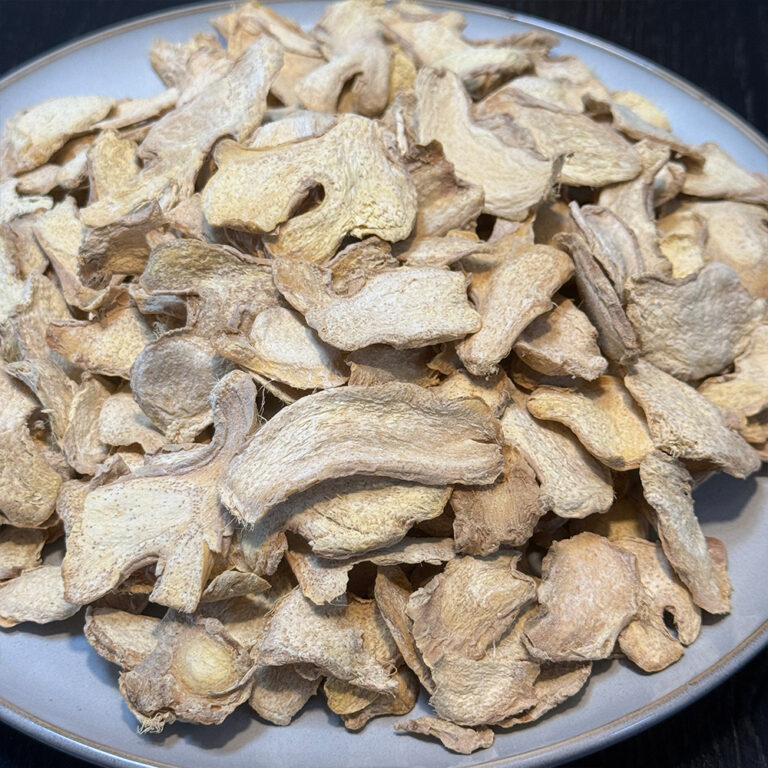
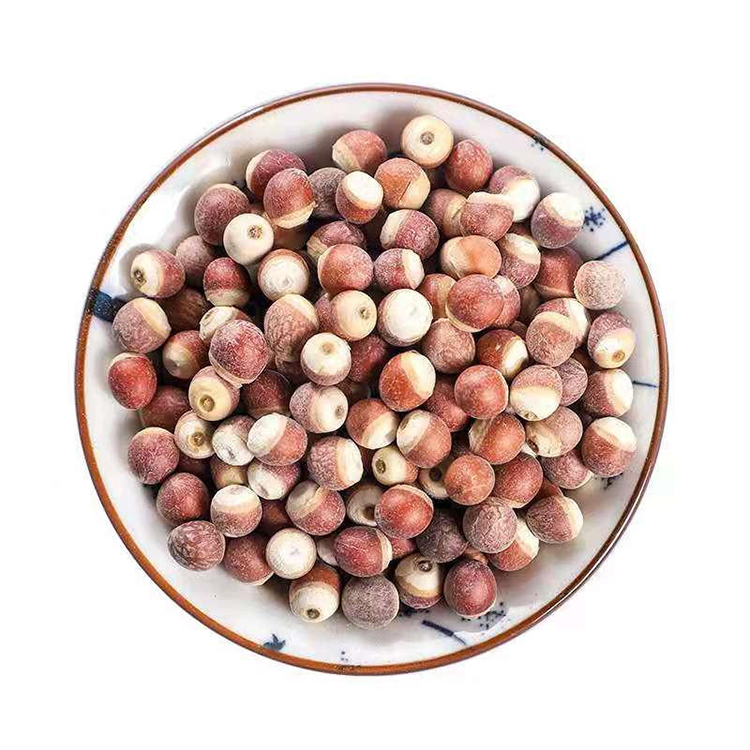
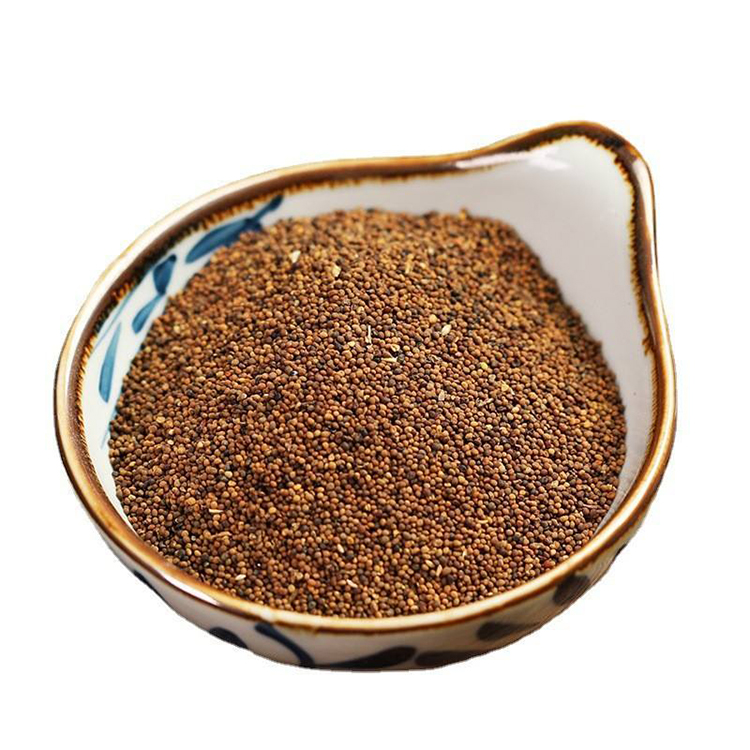
If you run an OEM line, you already know the pain: Epimedium Leaf looks fine in the bag, then it hits your line and turns into a “fines factory.” Dust everywhere. Seals start leaking. Your yield drifts. QA asks why the COA doesn’t “feel” like the last lot. And your operators hate you because cleanup never ends.
Here’s my take: leaf integrity and powder dust control are the same problem. When you protect the leaf upstream, you cut dust downstream. When you control dust downstream, you protect spec and prevent cross-contam upstream. It’s one loop, not two projects.
I’m going to keep this practical, like ops people talk. A lil’ rough, no fluff.
Epimedium Leaf (Yin Yang Huo) Bulk purchase Chinese Medicine Factory
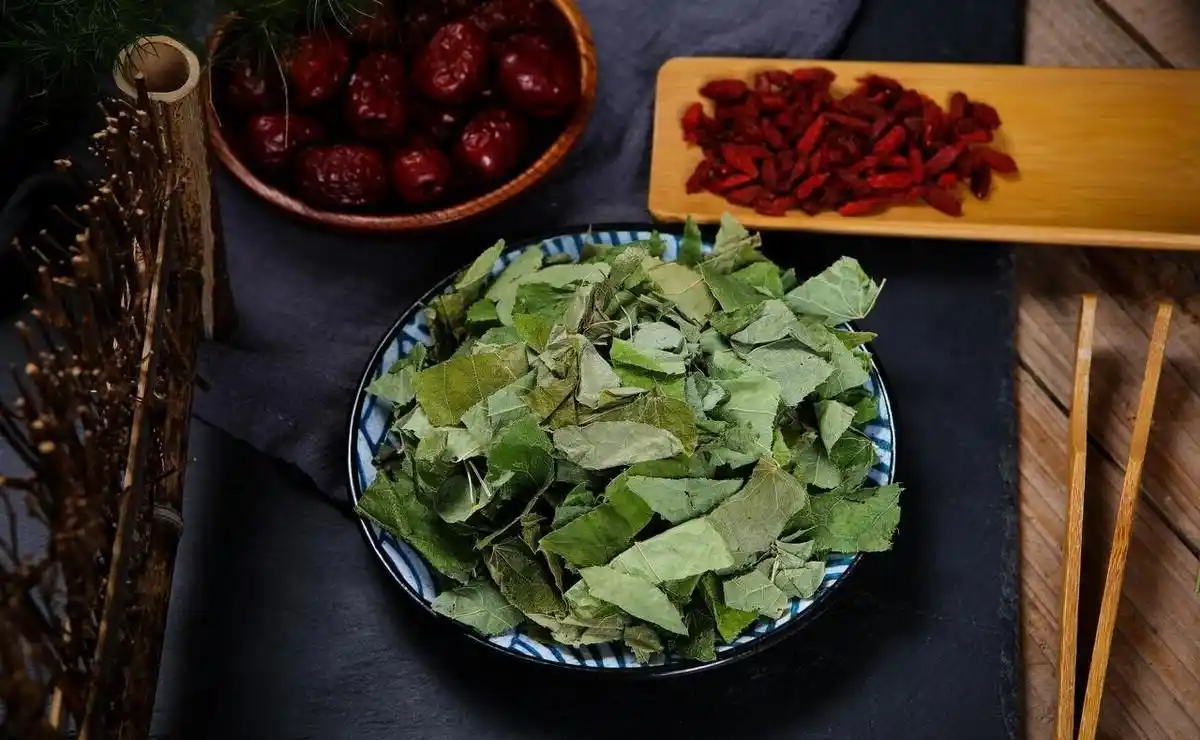
Before we talk dust, let’s anchor the material. Epimedium Leaf is Epimedii Folium. It’s usually traded as dried leaves, green color, mild earthy-bitter taste, and it commonly shows up in sexual wellness and energy formulas.
Most dust problems begin with how the herb got handled before it reached your grinder. Epimedium leaves crack easily. Every extra drop, toss, or hard vacuum pull creates more fines. The product page calls out careful harvesting and drying for consistency. That’s not “marketing.” That’s dust prevention.
Here’s the argument: You can’t “filter” your way out of a material that arrives half-broken.
Quality Assurance:
Epimedium quality isn’t only “looks green.” Buyers and regulators care about identity and markers. Chinese Pharmacopoeia discussions often use total flavonoids and icariin as quality markers for Epimedium.
That matters for OEM lines because fines don’t just make a mess. Fines can shift your active distribution in blending and filling. You’ll see it as:
blend segregation
dusty “light fraction” sitting on top of totes
hard-to-hold weight control on fillers
So yeah, leaf integrity is a quality topic, not just a housekeeping topic.
COA (Certificate of Analysis) for Chinese Herbal Slices—per lot, not per promise
If you sell into serious channels, you already live inside paperwork. A lot-specific COA helps you pass audits and keep import docs clean. GuoCao’s OEM guide calls out COA per lot, plus third-party testing for heavy metals, pesticide residues, and microbiology.
Quality Control: Heavy Metals, Pesticide Residues, Microbiology
Don’t overcomplicate this. For Epimedium in OEM supply, your QC stack usually needs:
identity (macroscopy / TLC, and DNA barcoding when needed)
moisture control (mold risk + milling behavior)
pesticide + heavy metals + micro limits (market-specific)
lot traceability and release status
GuoCao describes that “test, trend, act” loop and positions ISO 22000 controls for food channels.
ISO 22000 Food Safety Management System (herbal ingredients & beverage inputs)
If Epimedium goes into tea bags, powders, capsules, or functional drinks, food-safety system language starts showing up in buyer questionnaires. ISO 22000 gives you the structure: hazard analysis, CCPs, supplier approval, CAPA, traceability.
If your Epimedium SKU sits inside a beverage roadmap, you’ll likely touch both ends of the catalog:
Control grind level, use pre-blend SOP, reduce drops
Batch record shows stable in-process checks
“QA keeps holding lots”
No consistent spec + missing docs
Master spec + per-lot COA pack
Faster lot release, fewer emails
Notice the vibe: you don’t fix dust with a poster. You fix it with hardware + SOP + specs.
Combustible dusts
People don’t like this topic. But powder is powder.
OSHA explains the “dust explosion pentagon” concept: fuel (dust), ignition, oxygen, dispersion, and confinement. Remove one element and you reduce risk.
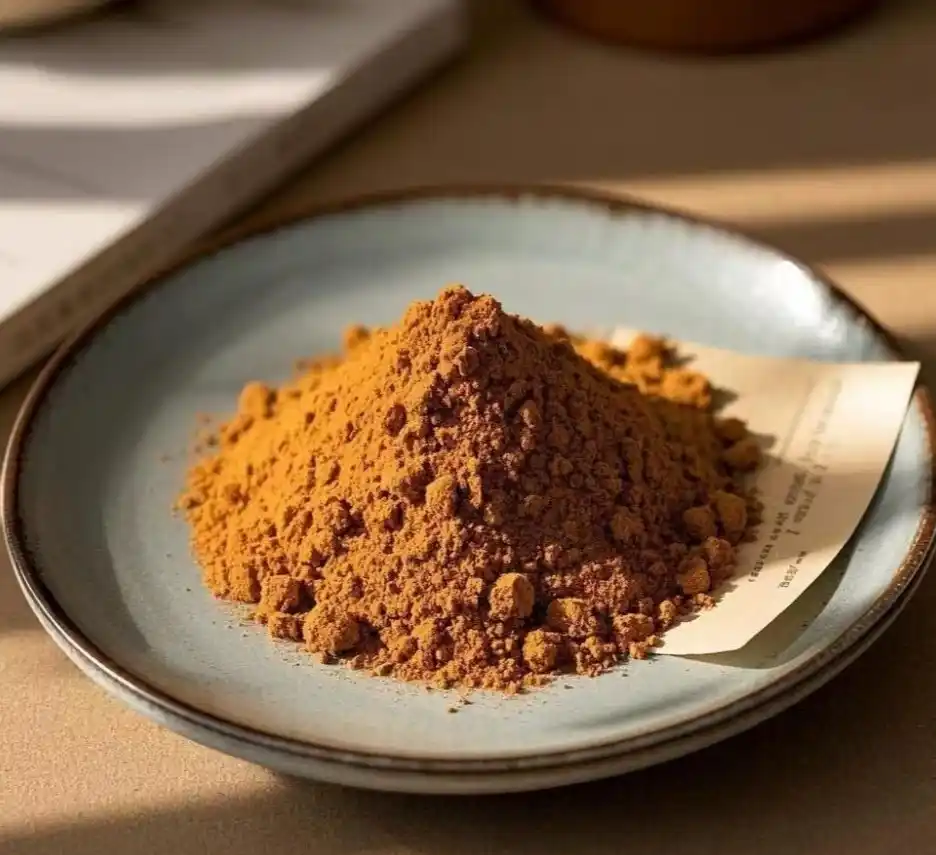
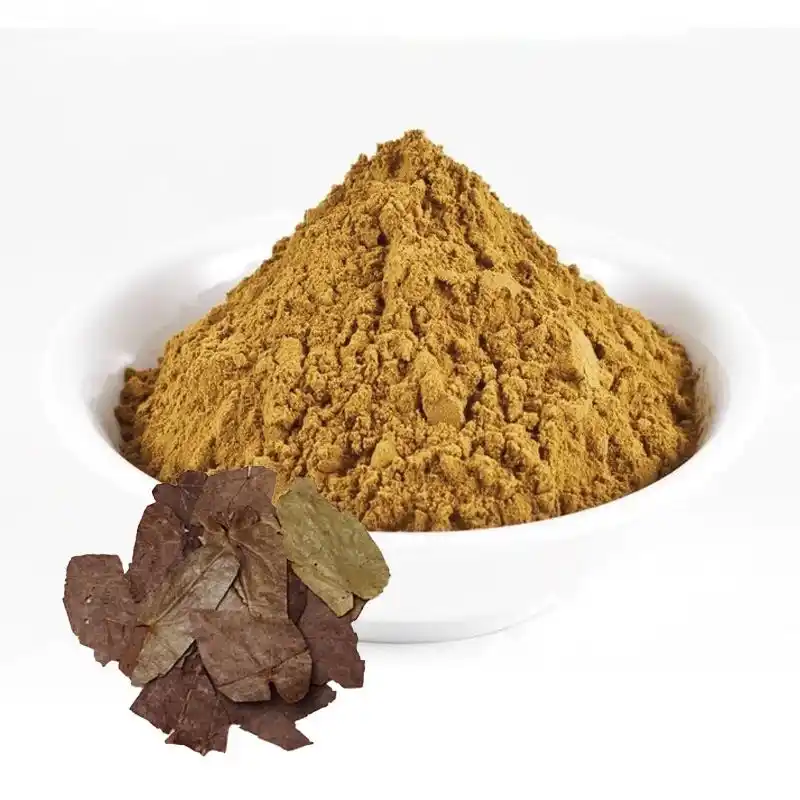
I’m not saying your Epimedium line will explode tomorrow. I’m saying: if you run powders, you need containment discipline. That discipline also improves cleanliness, QA outcomes, and customer audits.
Sulfur fumigation and SO2 residue
This comes up a lot in herb buying, and it links back to integrity again.
Research reviews describe how sulfur fumigation can change chemical composition and how labs detect residues/changes. So don’t treat “SO2 residue” like the only checkbox. Some studies warn that lower SO2 residue doesn’t automatically mean “higher quality.”
What should you do on OEM projects?
write the spec (including whether fumigation is allowed)
GuoCao explicitly lists ambient/cool/MAP warehouses as part of the OEM control stack. Why it matters for dust: overly dry leaves shatter. Over-wet leaves cake and smear. Both scenarios wreck your milling and dust control plan.
If you’re building a broader flower/herb program (not only Epimedium), browse the category structure here: Flower and Whole Herbs.
OEM/ODM Private Label Process (Chinese herbal slices)
A clean OEM flow reduces dust-related surprises because you lock the boring details early: cut size, mesh targets, packaging, label, sampling plan, release rules.
GMP Chinese Herbal Slices Manufacturing (decoction pieces)
Even if you don’t sell decoction pieces, GMP thinking helps powder projects:
line clearance
cleaning validation logic
batch records tied to deviations
release status control
FDA/ICH Q7 guidance also makes a simple point: apply GMP controls as you move deeper into processing, including physical processing like milling.
So when your OEM partner says “we can grind it,” you should hear: “show me the controls.”
Where GuoCao fits (and why this helps your dust problem)
If you buy Epimedium Leaf for OEM lines, you want three outcomes:
the leaf arrives intact enough to process predictably
your powder run stays contained and stable
the paperwork clears audits without chaos
GuoCao positions itself as a global supplier/manufacturer with GMP lines, ISO 22000, third-party COA capability, and multi-mode warehousing. That combo isn’t “nice to have.” It directly supports leaf integrity and dust control, because specs + storage + process discipline reduce fines and stop line drama.
If you want to talk specs, packaging, or OEM/ODM options, use the fastest route: Contact Us.
Sources and writing angles (so you can see the logic)
Our low MOQ of 1 kg (2.2 lb) makes it easy to order Chinese herbal slices or wholesale Chinese medicine herbs. Private-label and bilingual labeling are also available.
Delivery Cycle & Support
We have a fast 7-day lead time. We provide free samples, COA reports, and technical support to help you bring high-quality bulk Chinese herbs to market.
Quality & Certifications
Our products are manufactured in a GMP-certified facility and meet ISO22000 standards. All Chinese herbs are third-party tested for heavy metals, pesticides, and microorganisms.