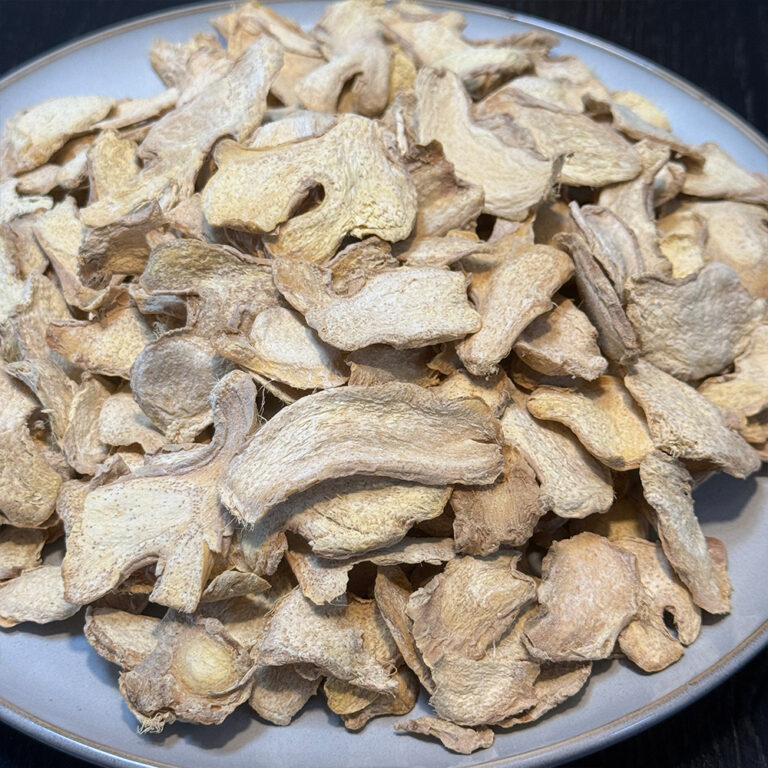
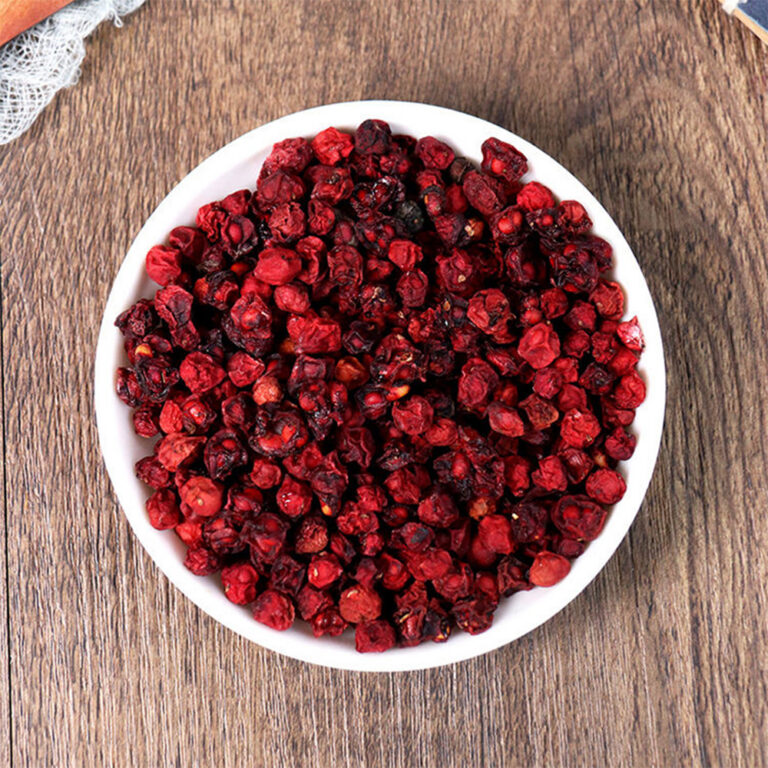
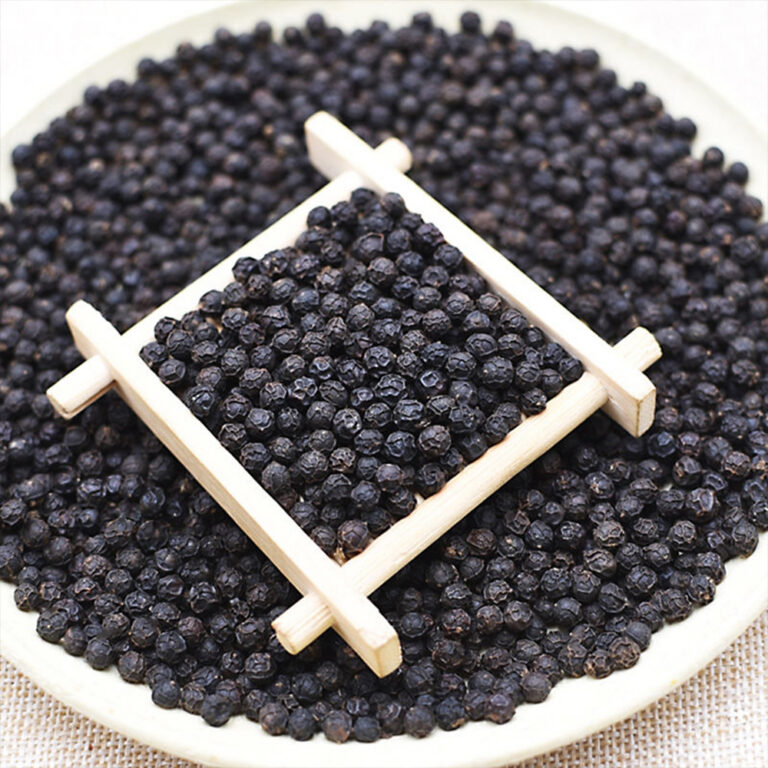
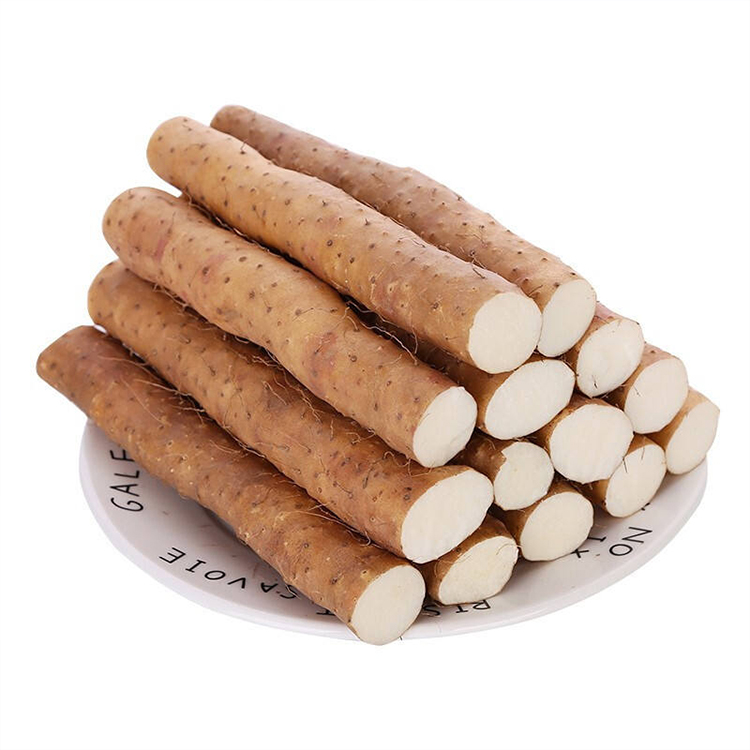
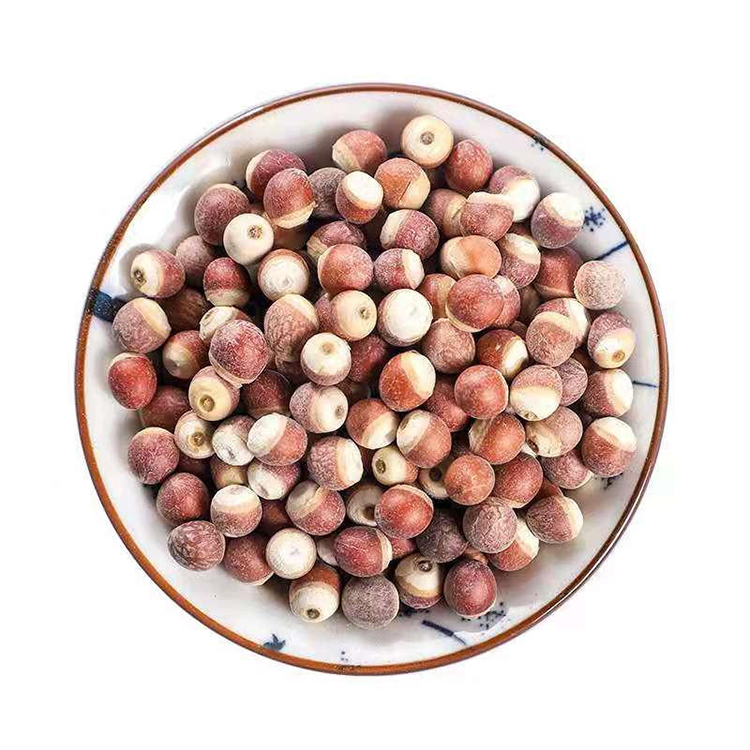
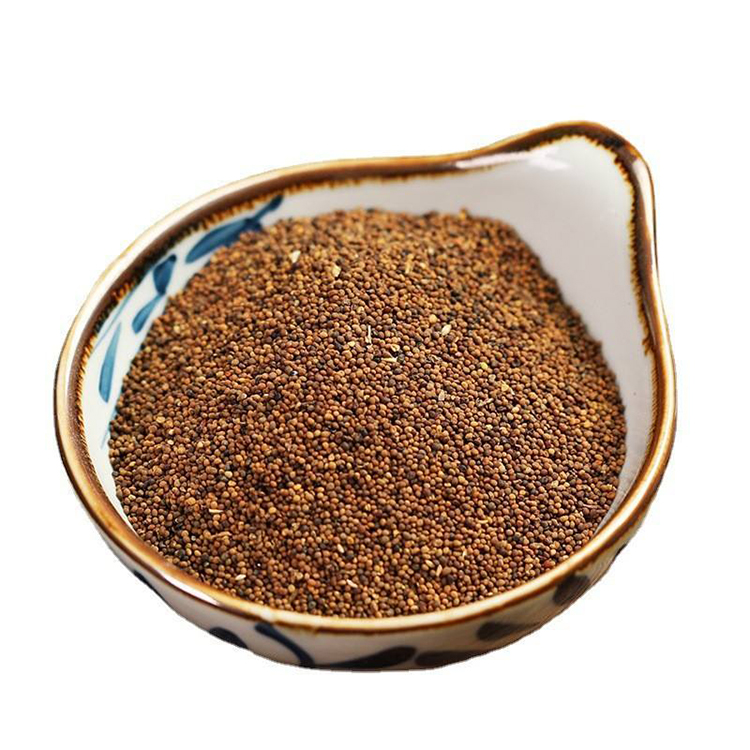
When you hear “OEM production” in the herb world, the first thing isn’t the fancy label or the glossy box. It’s the raw stuff. The roots, minerals, animal parts, resins—without the right supply chain, your shiny brand just stuck in the lab. GuoCao knows this pain well. We’ve been working with bulk buyers, supplement factories, drink makers, even hospitals across 30+ countries. Everyone asks the same: can you source the exact herb, at the right spec, and keep it clean all the way to COA?
Let’s break it down.
Why custom herb sourcing is a non-negotiable in OEM
OEM means you don’t just buy a bag of herbs off a shelf. You’re asking for specific cut size, moisture level, batch traceability, and compliance papers ready to pass FDA, EU, or TGA audits.
If you skip this? Your production stops before it starts. A supplement factory in Germany won’t even open the capsule line without valid COA on raw material identity. Same in U.S.—21 CFR 111 literally forces you to test every batch.
So, custom sourcing is not luxury. It’s survival.
Supplier audit and qualification first
Every OEM project begins with supplier vetting. GMP talk is nice, but auditors want to see:
ISO 22000 system running in real time, not just paper cert.
Third-party COA to prove you didn’t photoshop results.
At GuoCao, we run GMP slicing lines and COA verification with third-party labs. It cut delays and keep buyers safe from fake herbs.
Identity testing is not optional
Under 21 CFR 111.75(a)(1)(i), every herbal dietary ingredient needs at least one identity test. No shortcut. OEM clients know this is FDA’s favorite 483 observation—“failure to conduct identity testing.”
That’s why we run orthogonal testing: macro identification + TLC fingerprint + DNA barcode if required. For example, when sourcing dragon bone (Long Gu) or gecko (Ge Jie), visual check alone not enough. Chemical profile confirms authenticity.
Herb
Typical ID method
Why it matters
Dragon Bone (Long Gu)
XRD pattern, visual fossil grain
Prevent mix with fake fossil stone
Gecko (Ge Jie)
Macro/micro exam + DNA
Market often adulterated with lizards
Frankincense (Ru Xiang)
TLC resin marker
Differentiate from cheap myrrh
Earthworm (Di Long)
Protein fingerprint
Detect fake starch pellets
Identity first, then quality. That’s the OEM rule.
Using USP standards as hard gate
USP <561> “Articles of Botanical Origin” sets limits for aflatoxin, pesticides, heavy metals. OEM buyers lean on this to sleep at night. For example: AFB1 under strict ppb limits, total aflatoxin capped. These numbers keep regulators quiet.
When we deliver cuttlefish bone (Hai Piao Xiao), labs run ICP-MS to check heavy metal levels. Same with leech (Shui Zhi)—sourcing must avoid contaminated water. If the data fail, the batch doesn’t move forward.
Traceability and batch records: from field to drum
In OEM, you can’t just say “we bought some herbs from the market.” Each lot must tie back to:
Origin (province, harvest year, sometimes even farmer ID).
Batch record (when sliced, packed, shipped).
Retention samples kept for shelf life.
Without these, your brand risks recall. With them, you’re audit-ready.
Seasonal supply, MOQ, and the hard math of OEM
Let’s get real: herbs don’t grow on demand. Harvest windows matter. MOQ (minimum order quantity) matters. If you want dragon teeth (Long Chi) in summer, too late—procurement closed months ago.
This is where GuoCao’s storage comes in: controlled atmosphere warehouse keeps inventory stable, so OEM clients can call off batches without waiting another harvest. Bulk buyers lock price and volume early—classic “lock-batch” strategy to beat seasonality.
Single batch sourcing for consistent potency
Some brands insist: “Give me single-origin, single-batch.” Why? So every capsule, every sachet tastes and tests the same. Imagine a functional drink where first run is bitter, second is mild—that kills trust.
By locking one annual batch of frankincense resin blocks, OEM factories guarantee consistent smell and solubility across the whole run.
Global compliance differences
Regulators don’t play by the same rules. EU pesticide residue list isn’t U.S. list. Japan is even stricter on heavy metals. That’s why GuoCao designs COA packages that speak multiple languages: FDA-style identity test, EU residue screening, JP pharmacopeia cross-check.
One herb, three certificates, one smooth shipment.
Risk management: diversify and localize
Global herb supply can break—climate, politics, or trade war. Smart OEM buyers now ask for multi-origin supply. If one region floods, another fills the gap.
Some herbs even trialed in new regions. Earthworm extract projects run test plots outside Asia, to secure future supply. This kind of localization cut risk and keeps factories running.
Case table: OEM sourcing checklist
Step
OEM Buyer Pain Point
GuoCao Solution
1. Define formula
Don’t know which herb spec to choose
Technical team suggest cut size, moisture, potency
2. Lock supplier
Risk of fake herbs
GMP line, COA, third-party test
3. Audit & docs
Fear of FDA/EU audit
ISO 22000, full batch record
4. Manage MOQ
Stuck with overstock or shortage
Warehouse buffer, partial shipments
5. Consistency
Every batch different
Single-batch sourcing
6. Global regs
One market clears, another blocks
Multi-certificate package
7. Long-term risk
Supply breaks down
Diversify origin, local trials
Where Animal & Mineral herbs fit in OEM
Most people think OEM means ginseng or goji. But Animal & Mineral herbs carry serious demand in TCM-based supplements and functional foods.
In OEM, these aren’t exotic extras. They’re core ingredients, demanded by hospitals, pharma companies, and supplement labs worldwide.
Conclusion: OEM success starts at the raw material gate
OEM buyers chase speed, compliance, and market edge. But everything comes back to sourcing. Wrong herb, wrong batch, weak COA—you lose time and trust.
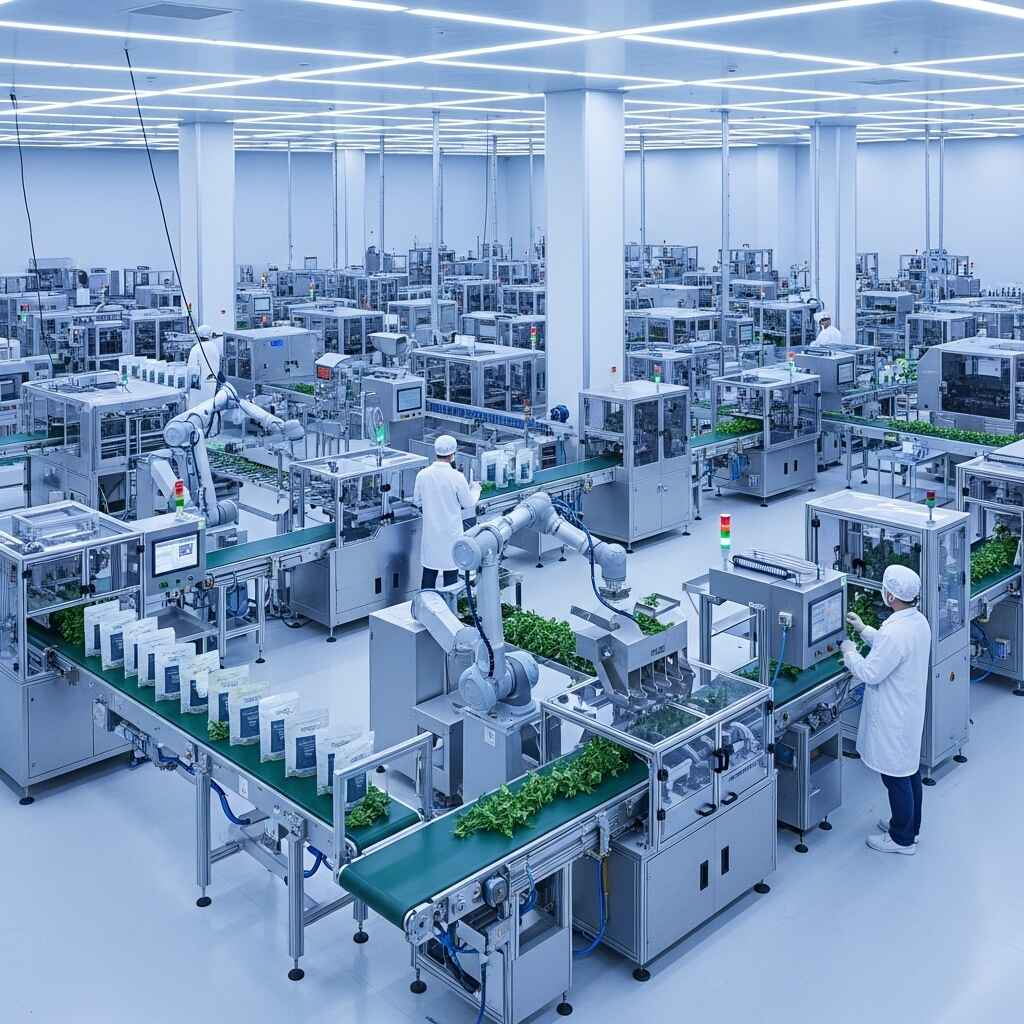
GuoCao positions itself as one-stop herb partner: 2,500-ton annual capacity, GMP slicing line, ISO 22000 food safety, COA testing, cold/controlled warehouses. From raw roots to animal & mineral slices, from simple bulk to functional enzyme drinks, we cover it.
So next time you think OEM is about packaging design or capsule color, remember: it starts with the leaf, the resin, the bone, the worm. Lock sourcing, lock compliance, lock your market.
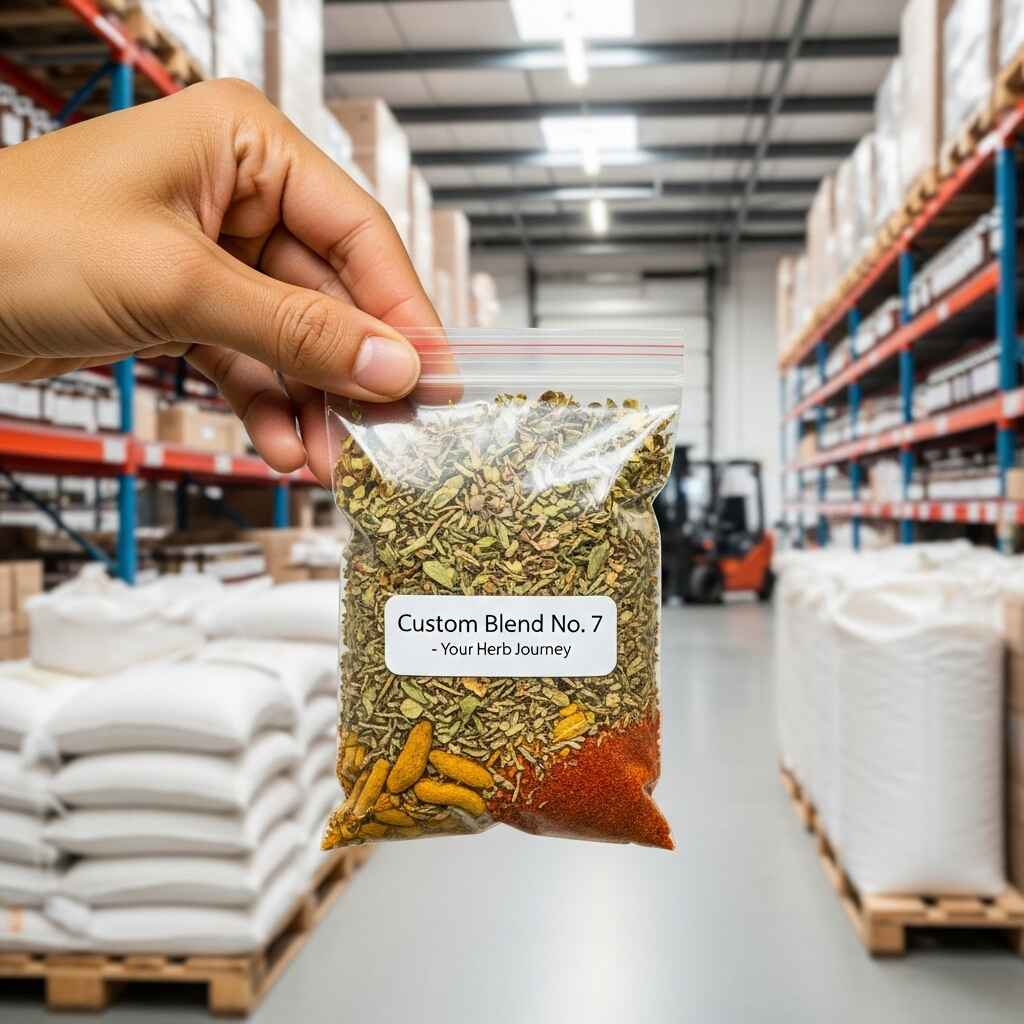
Our low MOQ of 1 kg (2.2 lb) makes it easy to order Chinese herbal slices or wholesale Chinese medicine herbs. Private-label and bilingual labeling are also available.
Delivery Cycle & Support
We have a fast 7-day lead time. We provide free samples, COA reports, and technical support to help you bring high-quality bulk Chinese herbs to market.
Quality & Certifications
Our products are manufactured in a GMP-certified facility and meet ISO22000 standards. All Chinese herbs are third-party tested for heavy metals, pesticides, and microorganisms.