B2B buyers don’t buy “nice words.” They buy a supply chain that behaves. Same cut. Same aroma. Same lab panel. Same paperwork speed. If you sell Chinese medicinal herbs, spices, tea bags, or enzyme drinks, you know the pain: buyers love the catalog, then they stall at approval.
That stall usually isn’t about price. It’s about risk.
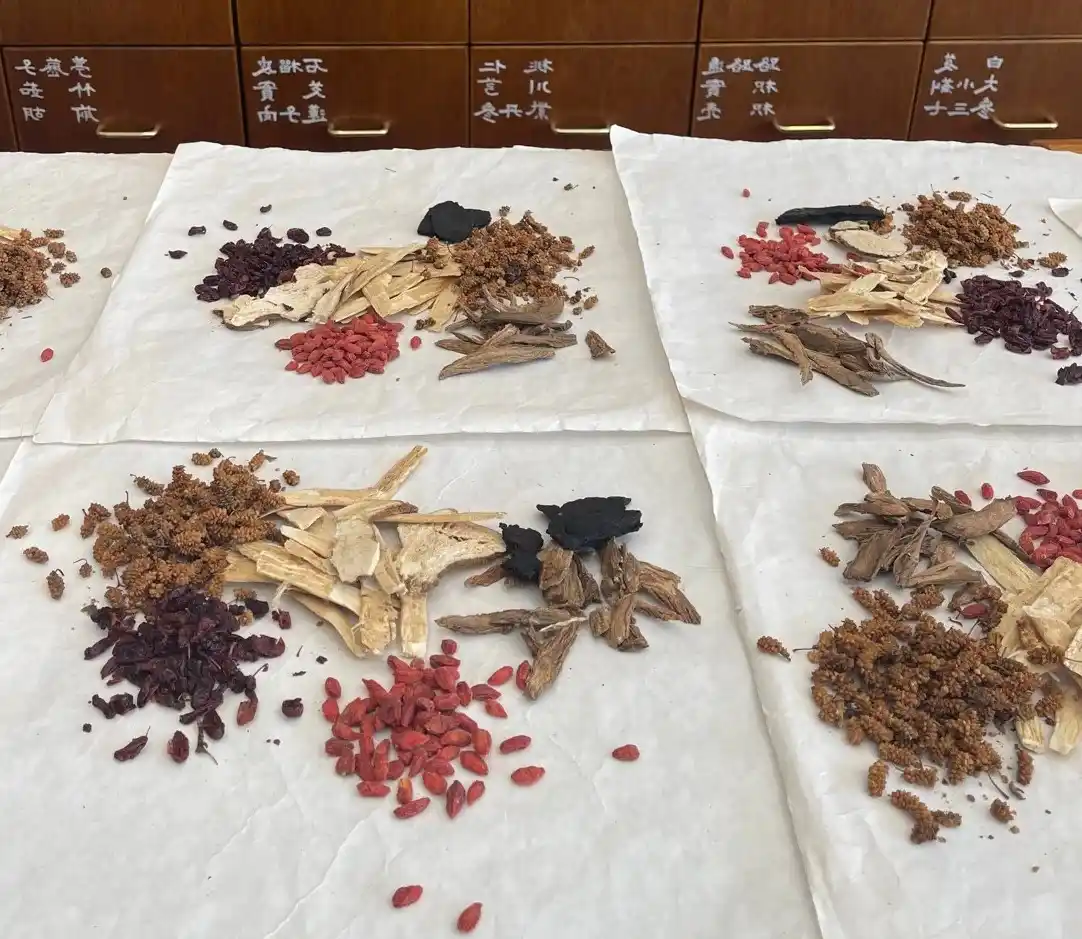
A smart sample kit doesn’t just show what the herb looks like. It helps a buyer get internal sign-off fast: incoming QC, formulation checks, and compliance review. Done right, it turns a slow RFQ into a clean PO.
GuoCao already has the backbone buyers ask for—GMP production lines for herbal slices, ISO 22000 food safety management, third-party COA testing capability, and proper warehousing (ambient/cool/MAP). That’s the stuff that makes sampling actually work in the real world. Start here if you want buyers to understand your positioning fast: Wholesale Chinese Medicinal Herbs and Spices Supplier – GuoCao
Why B2B buyers request Chinese herbal samples before they buy
Most buyers don’t reject you. They pause. And the pause is predictable.
Here’s what’s really running in their head:
Lot-to-lot anxiety: “If this batch is good, will the next batch match?”
Spec drift fear: “Cut size is fine now, but will it turn to fines in transit?”
Hold/release pressure: “QA can’t release without documets and traceability.”
Use-case reality: “It must behave in our scenario—tea bag extraction, capsule filling, fermentation, or cosmetic blending.”
Audit trail stress: “If paperwork lags, customs holds it. Then ops blames sourcing.”
So your sample kit has one job: shrink uncertainty.
Chinese herbal sample kit design for B2B buyers: the core arguments
A sample kit turns “I’m not sure” into “I can verify”
When buyers can touch, smell, and test material, the conversation changes. They stop asking “Can you do it?” and start asking “How fast can you scale it?” That’s conversion.
Don’t ship just a sample. Ship a decision packet
If you ship only herb pieces, you’re forcing the buyer to chase you for COA, specs, and batch info. That creates friction, and friction kills deals.
Tie sampling to lower risk, not “free stuff”
Free samples aren’t the point. Risk reduction is. Make it obvious you’re helping them pass internal gates (QC + compliance + R&D).
Set the gate right. Too loose = junk leads
You want real buyers (supplement manufacturers, pharma companies, hospitals, distributors). Not random address collectors.
Measure the kit like a sales motion, not a marketing toy
If you can’t track request → ship → feedback → pilot → PO, the program gets messy fast.
For Chinese medicinal herbs, traceability is the baseline
Herbs sit in a higher-trust category. Buyers want batch codes, COA, and a clear “what was tested” story.
Don’t just say “high quality.” Show buyers how to test it
Give them a simple incoming QC checklist. That’s what makes you sound like a real supplier, not a brochure.
What to include in a Chinese herbal sample kit: materials, specs, and packaging
Samples that let buyers run real tests
A “pinch in a bag” is useless. Buyers need enough material to test the end use.
For Chinese herbal slices and botanicals, include sample sizes that support:
If you support private label and OEM/ODM, put that path right in the kit so buyers don’t guess. Useful page to link inside the article: OEM/ODM Process for Chinese Herbal Slices
Packaging that proves you understand B2B logistics
B2B buyers don’t just buy herbs. They buy how you pack them.
Your kit should show pack formats that match the route:
pouches for wholesale pieces
jars for powders (cleaner for bench testing)
sachets/boxes for retail-ready scenarios
label basics (batch code, production date, storage)
If your warehousing supports ambient/cool/MAP, mention it briefly. Buyers read that as: “this supplier won’t ship dead material.”
Table: What each buyer role checks in a Chinese herbal sample kit
Buyer role
What they need to approve
What goes in the kit
Internal “black words”
Procurement / sourcing
Stable supply, lead time, doc speed
SKU list, lead-time note, ordering steps
RFQ, vendor scorecard, OTIF
QA / QC
Identity, micro, heavy metals, pesticides, traceability
COA sample, batch code note, spec sheet
micro panel, spec lock, hold/release
R&D / formulation
Performance in their end-use scenario
Enough sample mass + prep notes
extraction rate, flowability, compatibility
Regulatory / compliance
Clean audit trail
COA, origin note, declarations
dossier, audit trail, compliance packet
Ops / logistics
Packaging + storage handling
pack format, storage note, labeling
inbound SOP, warehouse handling
This table helps you talk to the whole buying committee, not just the person who requested samples.
GMP Chinese herbal slices, ISO 22000, and third-party COA: what buyers want to hear
Let’s be honest: buyers have heard “high quality” a million times. They care about systems.
When you say:
GMP production line
ISO 22000 food safety system
Third-party COA testing
Proper warehousing (ambient/cool/MAP)
…you’re speaking audit language. That reduces the buyer’s mental load.
OEM/ODM Chinese herbal sample kits: match the kit to the buyer’s channel
Not every buyer wants the same thing. Your kit format should follow the revenue model.
Wholesale Chinese medicinal herbs and spices
These buyers care about breadth, spec consistency, and reorder stability. A strong “category assortment kit” works well. Link: Chinese Herbs and Spices
Chinese herbal tea bags
Tea bag buyers obsess over cut size, fines, and extraction. If fines spike, lines clog. If cut drifts, taste drops. So add a “tea bag friendly” subset and clear prep notes. Link: Chinese Herbal Tea Bags
Herbal enzymes and functional fermentation drinks
Fermentation buyers want stable raw input and predictable behavior. Give them a subset designed for that scenario and keep the QC notes tight. Link: Herbal Enzymes
Custom blends and private label
This is where conversion can jump, because you’re selling a finished spec, not just raw herbs. If your kit includes a “pilot-ready” checklist, buyers move faster. Link: Custom Chinese Herbal & Spice Solutions
Table: Sample kit formats that boost B2B conversion
Kit type
Best for
What’s inside
What it unlocks
QC-first kit
Hospitals, strict QA channels
COA sample, batch code note, spec sheets, 3–6 core items
Faster quality sign-off
Formulation kit
Supplements, beverages, cosmetics
Enough sample for bench tests + behavior notes
R&D confidence
Channel kit
Distributors, wholesalers
Category assortment + pack options
Portfolio selection
OEM/ODM pilot kit
Private label projects
Prototype sample + pilot checklist
Spec approval → pilot PO
No need to overcomplicate it. Keep it pretty straight forward.
This is where GuoCao fits naturally: you can start with sampling, then move into OEM/ODM, then scale into stable supply—without switching vendors midstream. Buyer action link: Contact Us
How GuoCao supports Chinese herbal sample kits for global B2B buyers
GuoCao isn’t trying to be “a trading company with a catalog.” You position as a manufacturer with systems:
GMP Chinese herbal slice production
ISO 22000 food safety system
Third-party COA testing capability
Ambient/cool/MAP warehousing
Annual capacity that supports scale (and yes, buyers ask about this)
OEM/ODM customization, including enzyme drink production
Global sales coverage across many regions and buyer types (supplements, pharma, hospitals, distributors, beverage brands, cosmetics ingredient buyers)
That combo is what buyers mean when they say “we need a long-term supplier.”
Conclusion: design the kit like a “buyer approval tool”
A B2B sample kit isn’t a gift. It’s a decision tool.
Build it around verification (COA + batch codes), real-world performance (cut, fines, extraction, fermentation behavior), and a clear commercial path (pilot → scale). Do that, and you’ll stop chasing people who “just want a quote.” You’ll attract teams who are ready to buy—they just needed proof.
Our low MOQ of 1 kg (2.2 lb) makes it easy to order Chinese herbal slices or wholesale Chinese medicine herbs. Private-label and bilingual labeling are also available.
Delivery Cycle & Support
We have a fast 7-day lead time. We provide free samples, COA reports, and technical support to help you bring high-quality bulk Chinese herbs to market.
Quality & Certifications
Our products are manufactured in a GMP-certified facility and meet ISO22000 standards. All Chinese herbs are third-party tested for heavy metals, pesticides, and microorganisms.