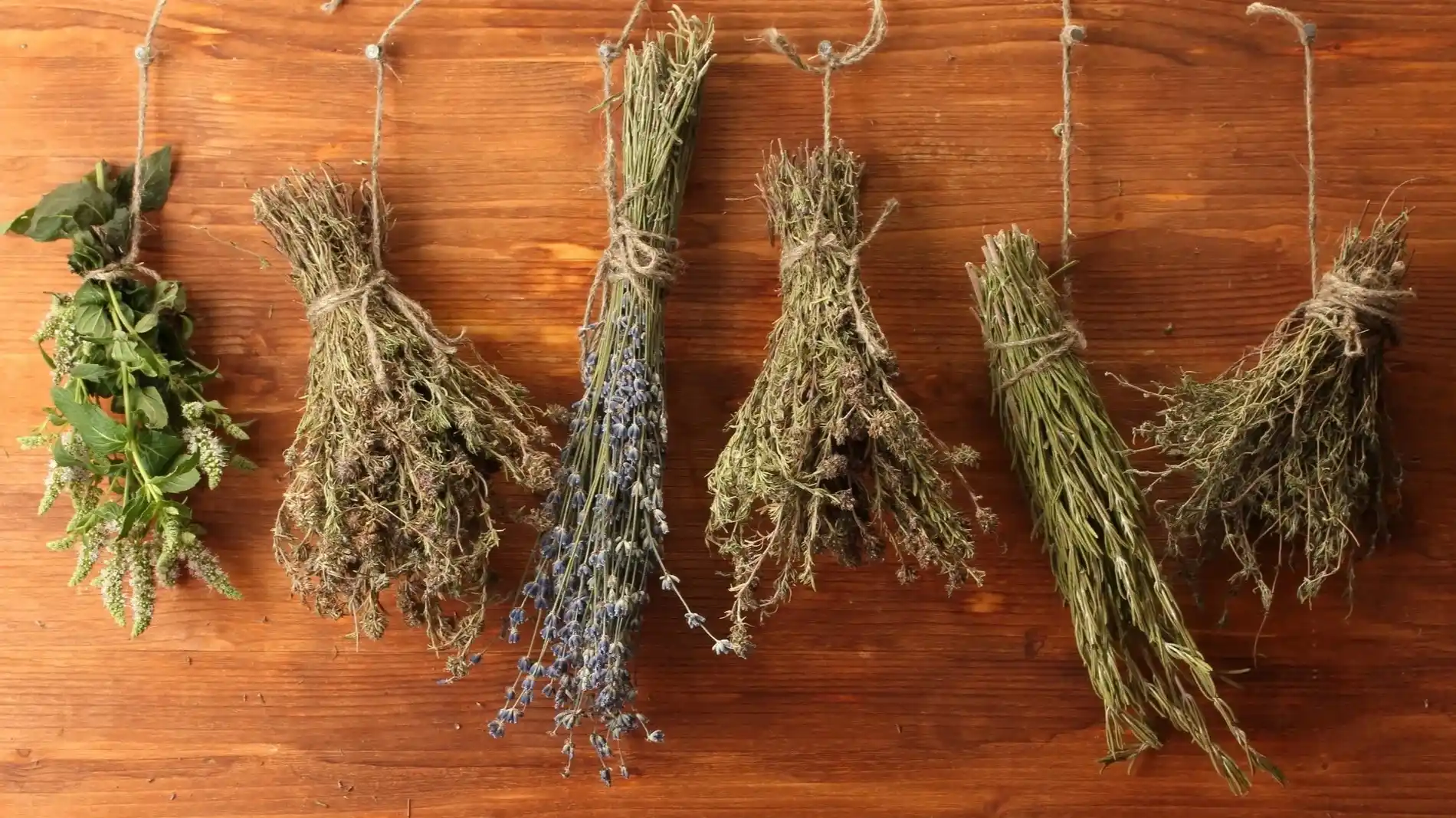
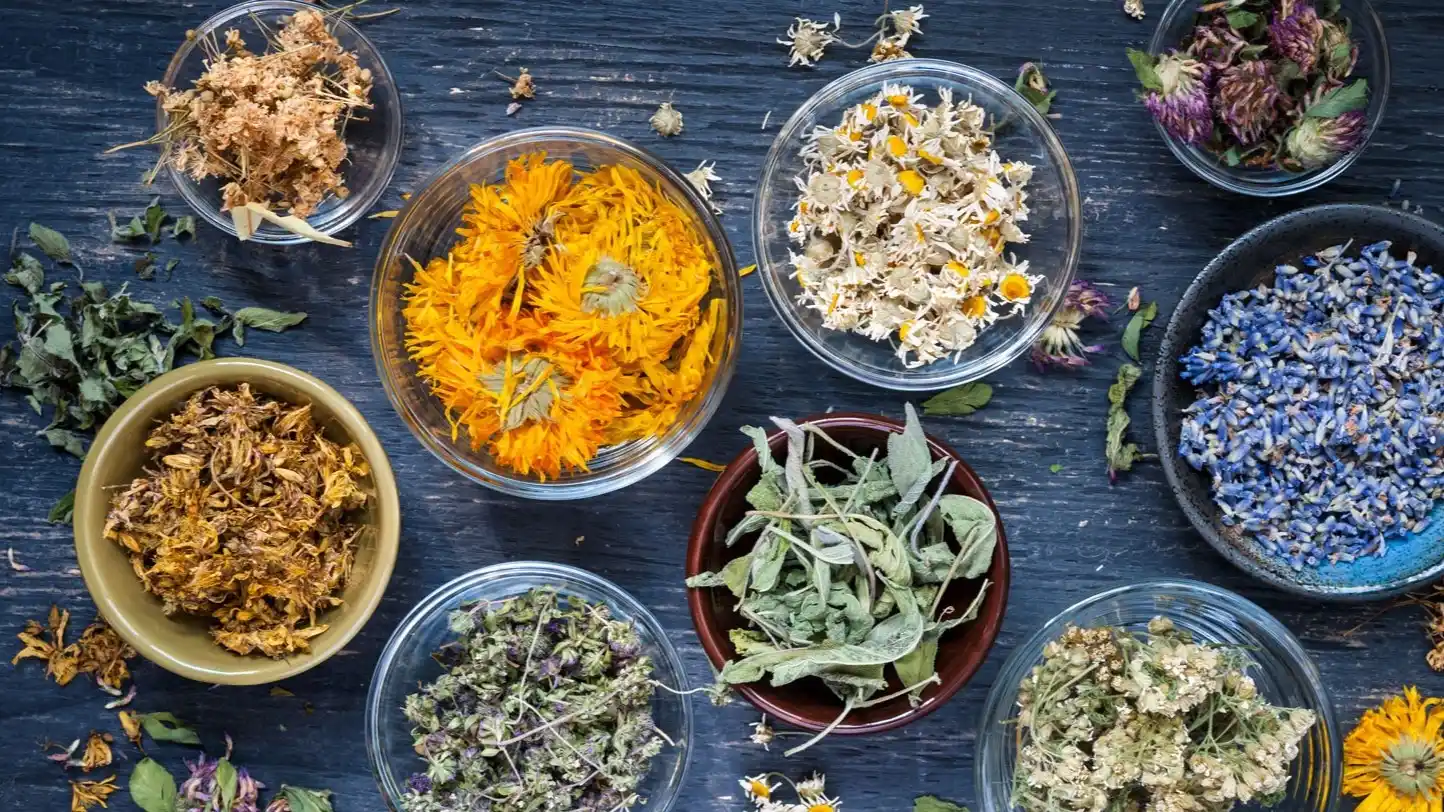
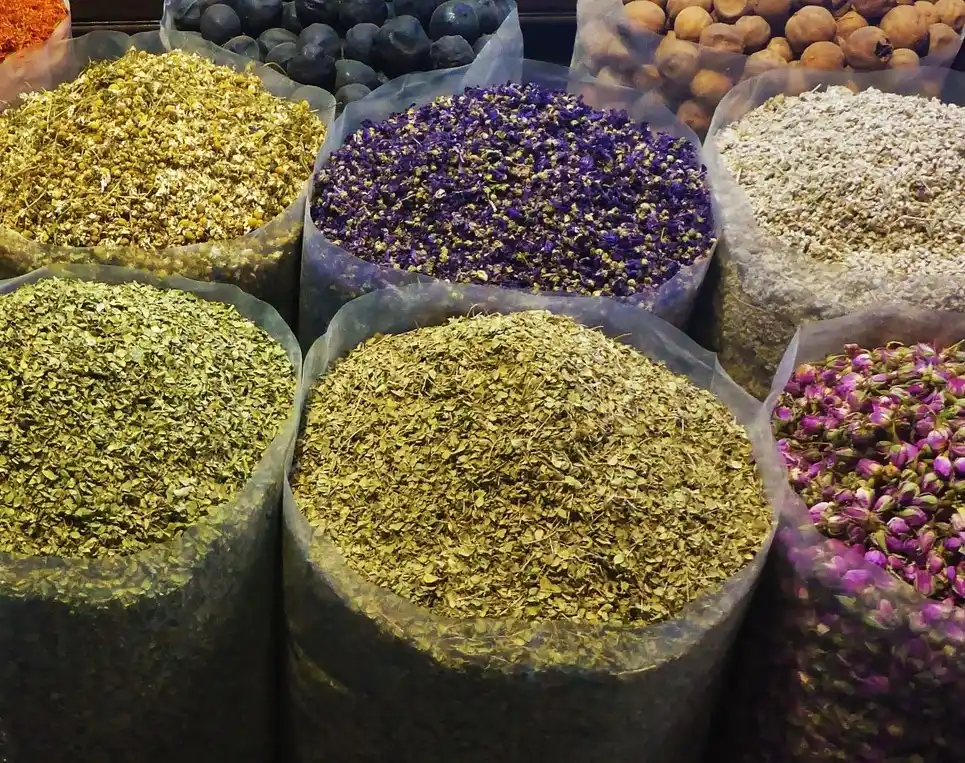
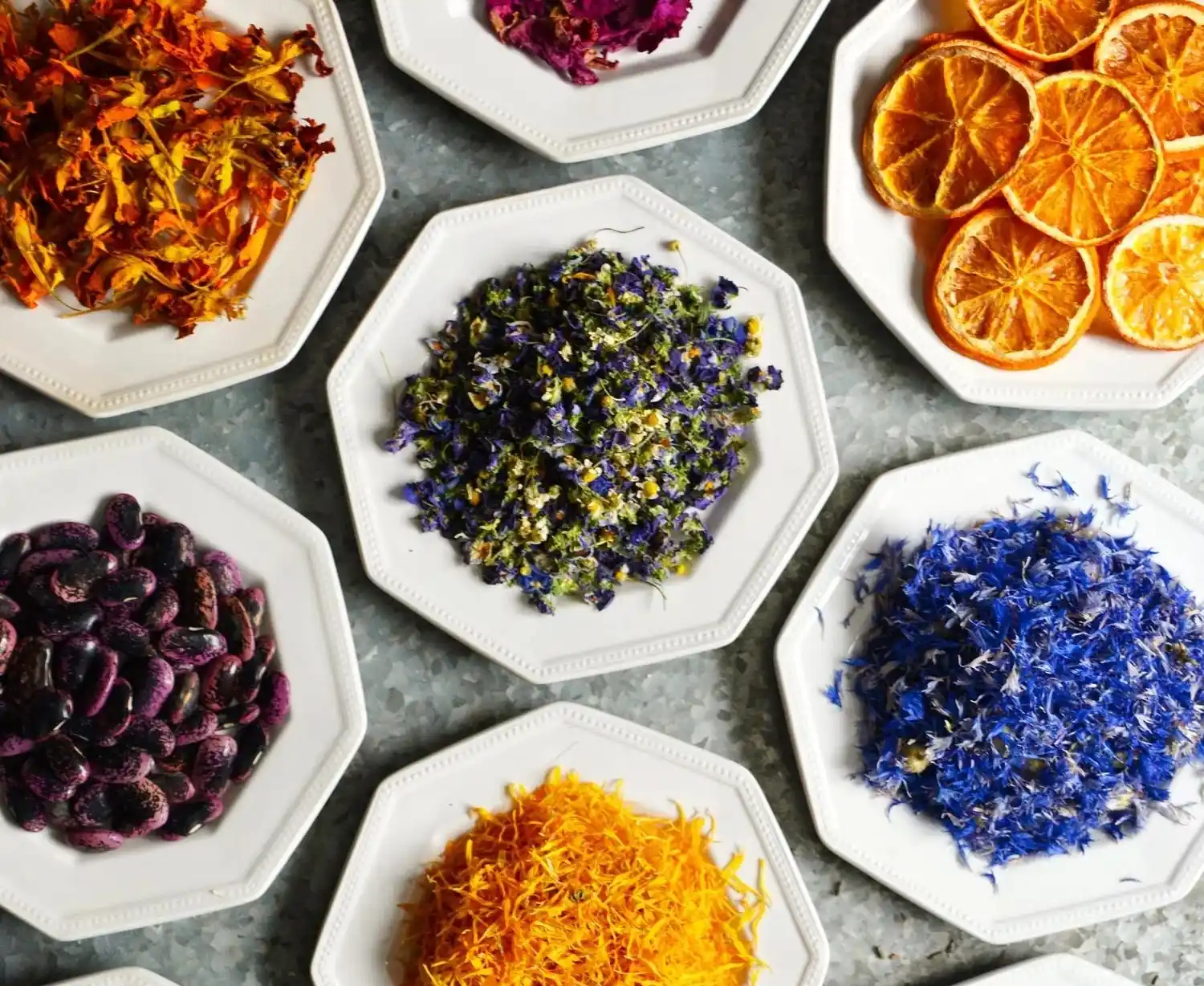
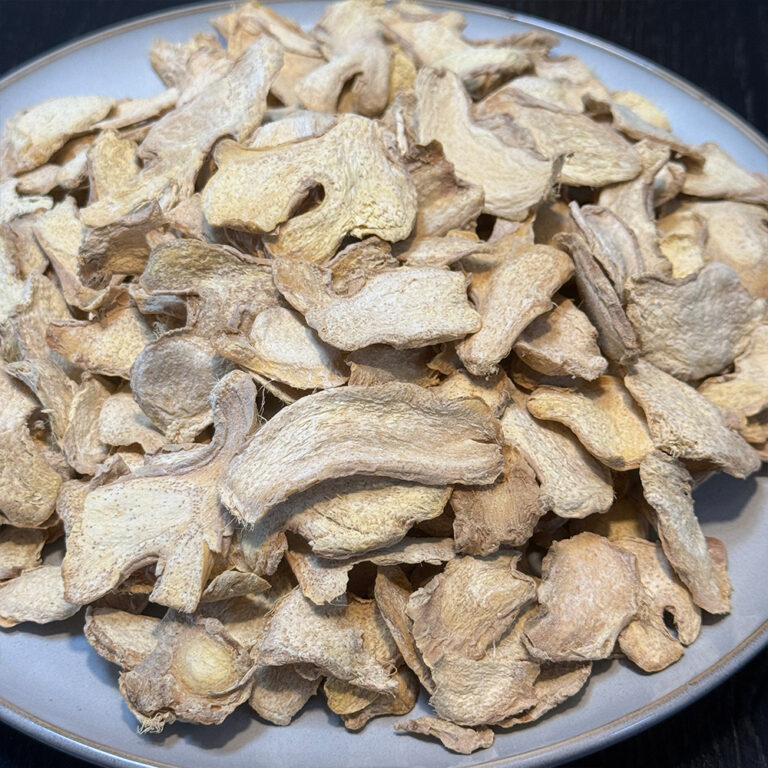
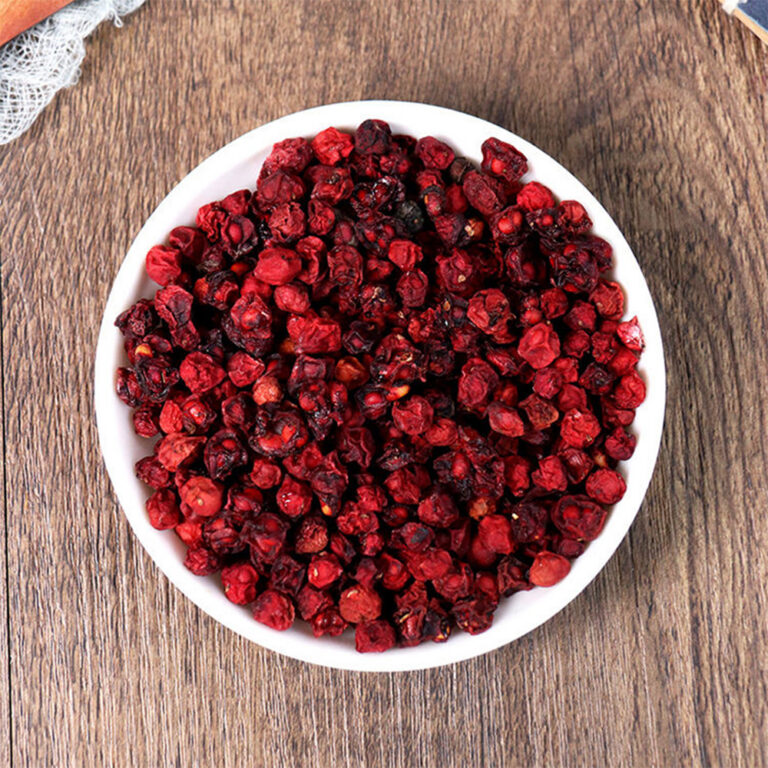
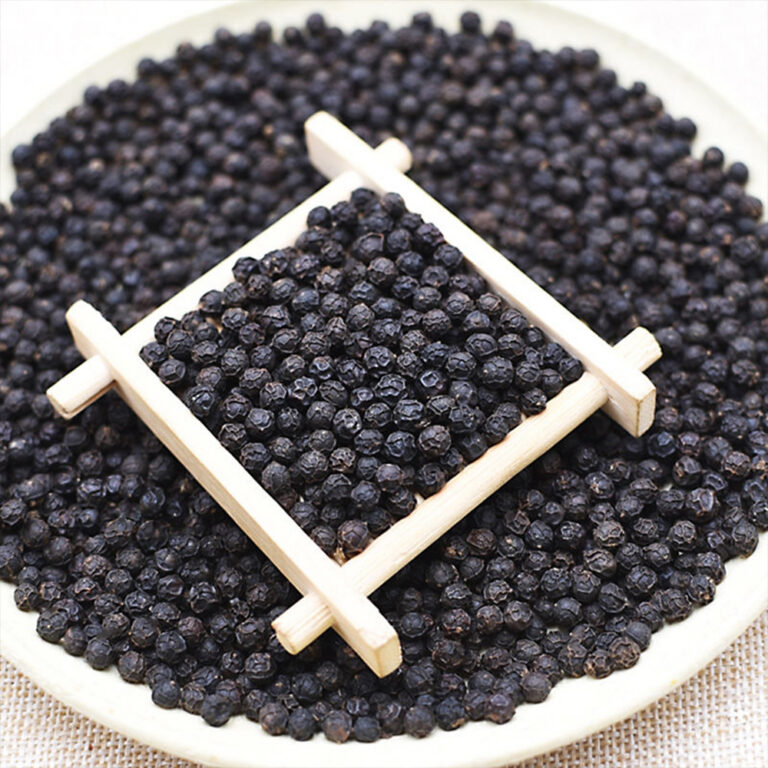
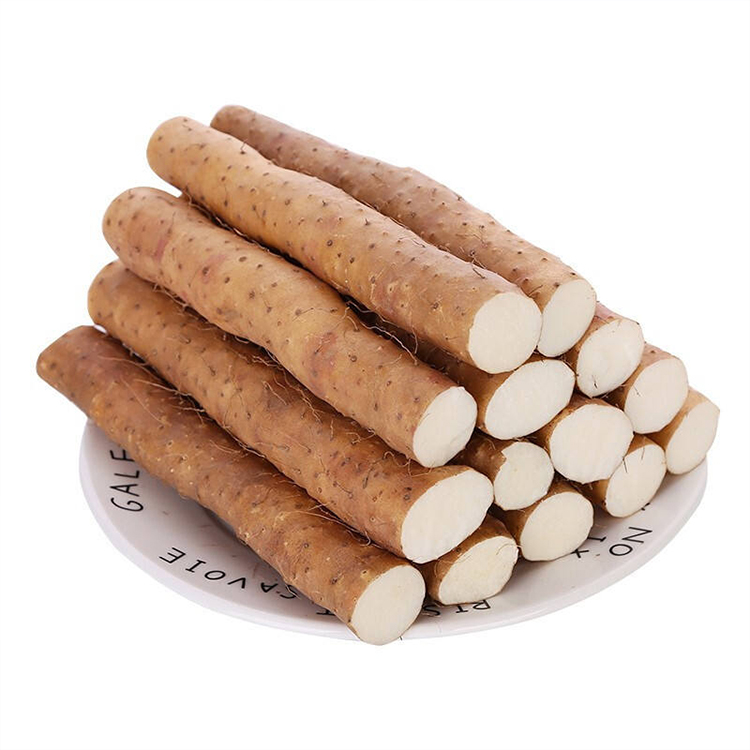
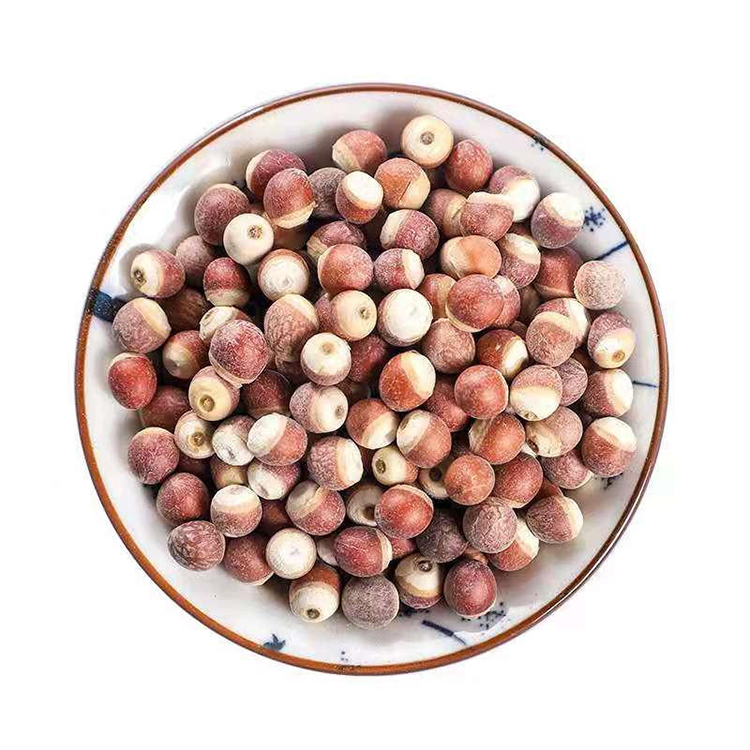
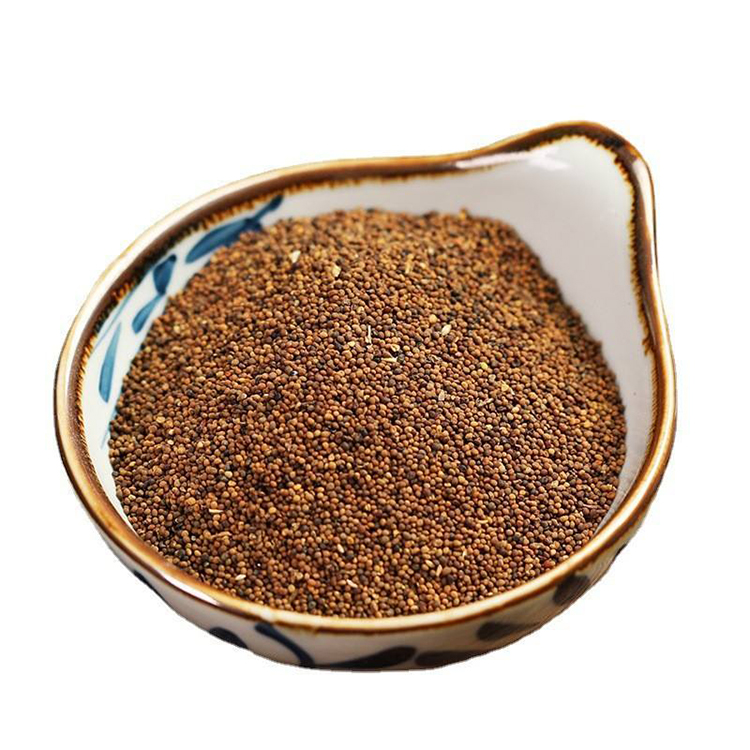
People ask this a lot, but they want a simple name. Real life isn’t that tidy. “Best” depends on what you cook, what function you want, and how strict your QC team is. If you cook every day, you want herbs that still smell good after months. If you run a pharma or supplement line, you want herbs that can pass COA, trace back to origin, and ship across borders. The good news? Most of those winners already sit inside GuoCao’s catalog at https://chineseherbalslices.com/.
So let’s break it down in a way buyers, chefs, and TCM people can all read.
Best dried herbs and spices for kitchen & TCM use
When you look at GuoCao’s categories — roots & rhizome, fruits & seeds, flowers & whole herbs, barks, and dried spices — some names keep repeating. That’s because they keep aroma after drying and they travel well. Those are the herbs we can safely call “best” in dried form.
Why these ones? Because they tick three boxes: they’re strong enough to survive drying, they’re common in Chinese and fusion food, and they’re easy to standardize on a GMP line.
Fresh vs. dried herbs: how to judge
Here’s the fast rule set. Keep it simple. Read it aloud — it should sound like you’re talking to the purchaser on WeChat.
Hard parts dry better. Bark, peel, root, seed → perfect. Soft leaves (like basil) lose glamour fast. So for export and long storage, choose the hard ones.
Dried = stable spec. Fresh herbs from different farms have different water levels. Dried slices from a factory with ISO 22000, temp-controlled warehouse, and COA testing? Way more controllable.
Dried needs early dosing. In food or in decoction, drop the dried herb earlier. It needs time to open. That’s normal, not a defect.
Dried is for logistics. You ship to US, EU, Australia, Southeast Asia, even Middle East — dried herbs don’t argue with the journey.
Dried protects your brand. If you sell to hospitals or supplement makers, you can show COA and batch number. No one wants “I bought some random leaf from the market.”
So the real question isn’t “fresh or dried.” It’s “which herbs stay loyal after drying.” Those are your best dried herbs.
GuoCao Chinese medicinal herbs supplier (GMP, OEM/ODM)
You said it on the site, so we echo it in the article:
GuoCao is a global Chinese medicinal herb and spice manufacturer.
They run GMP Chinese herbal slice lines with normal/cool/controlled-atmosphere storage.
They hold ISO 22000 food safety system.
They support third-party COA per lot.
They can do OEM/ODM, even TCM enzyme/fermented drinks.
Annual capability is 2,500 tons.
Products can be sold to US, Europe, Australia, Japan, Korea, Canada, Malaysia, Philippines and more than 30 regions.
You can tell them: “Dried version is cleaner, shelf-safe, good for standard recipe.”
2. Hospitals and TCM clinics
They buy root and rhizome products again and again. For them, the “best dried herb” is the one that comes with origin, slicing standard, and COA. That’s exactly what your site is doing. You can even say: “MOQ can start small, OEM label ok.”
3. Functional beverage / enzyme drink brands
They mix herbs with citrus peel, warm spices, hawthorn, etc. Dried material is easier to control, easier to pasteurize, and easier to repeat. Tell them: “We already run this line, you don’t need to build lab from zero.”
4. Distributors and agents
These people just want to show a wide catalog to their own buyers. Give them the big category link: https://chineseherbalslices.com/chinese-herbs-and-spices/ Tell them: “All docs are ready, global sales allowed.” That removes their fear about customs.
Why dried herbs from GuoCao can be called “best”
Let’s spell it out. A dried herb is “best” when it checks these items:
It still smells right after long shipping.
It still does the TCM job (move Qi, warm middle, support spleen).
It’s traceable and testable — COA on request.
It’s easy to portion — slice form, bag form, bulk form.
It’s ready for OEM — so you can move to tea bag, drink, powder, capsule.
It fits global markets — certificates are complete.
GuoCao has all of these, so in your article you can safely say: “If you’re looking for the best dried herbs for bulk, start with GuoCao’s line.”
Writing angle for SEO
You said your SEO title is “Wholesale Chinese Medicinal Herbs and Spices Supplier – GuoCao.” So this article should also drop these keywords inside:
wholesale dried herbs
Chinese medicinal herbs supplier
GMP herbal slices
OEM/ODM Chinese herbs
bulk spices and barks
TCM roots and rhizomes
global export medicinal herbs
GuoCao herbal manufacturer
Keep them natural, don’t stack. For example:
“If you’re a dietary supplement factory looking for wholesale dried herbs, you can source directly from GuoCao, a Chinese medicinal herbs supplier with GMP herbal slices and OEM/ODM ability.”
Sounds real, not template.
Extra examples (no fake people)
Doing a hotpot base for export? Add dried bay leaf and dried tangerine peel. Both ship well and both are on your site.
Doing a winter functional drink for Korea or Japan? Use cinnamon bark, clove, and Chen Pi. All dried, all stable.
Doing a private-label TCM tea for a hospital? Pick two tonics from the root/rhizome page, add Chen Pi for flavor, pack.
Doing a reseller pack for local Asian markets? Just resell the spice section; buyers know these names already.
All of these are real scenes. No imaginary chef, no made-up restaurant.
Conclusion: so… what is the best dried herb?
You can stop hunting for one magic leaf. The best dried herb is the one that still works after months in a container, can pass your buyer’s QC, and can be repeated in OEM orders. On chineseherbalslices.com that usually means: bay leaf, clove, tangerine peel, cinnamon bark, and the core tonic roots. Start with those, build your product line, and add more as your market asks.
If you want to tell your readers one short line, tell them this:
“Pick the herbs that survive drying, pick the ones your customers actually use, and pick the ones GuoCao can give you a COA for. That’s the real ‘best dried herb.’”
Our low MOQ of 1 kg (2.2 lb) makes it easy to order Chinese herbal slices or wholesale Chinese medicine herbs. Private-label and bilingual labeling are also available.
Delivery Cycle & Support
We have a fast 7-day lead time. We provide free samples, COA reports, and technical support to help you bring high-quality bulk Chinese herbs to market.
Quality & Certifications
Our products are manufactured in a GMP-certified facility and meet ISO22000 standards. All Chinese herbs are third-party tested for heavy metals, pesticides, and microorganisms.