Bitter Apricot Seed Sourcing: Safety, Identity, and Documentation
Bitter apricot seeds are not a casual commodity. This guide explains how buyers should evaluate Ku Xing Ren identity, cyanogenic glycoside risk, amygdalin testing, supplier paperwork, and documentation before placing a bulk order.
Bitter apricot seeds are not “just another seed.” They sit in the uncomfortable overlap between traditional herbal use, food safety law, toxicology, and export paperwork. That overlap is exactly where lazy buyers get burned.
Here’s my rule.
No COA, no deal.
And if a supplier talks beautifully about origin, harvest season, and “traditional value,” but cannot show batch-level identity, amygdalin testing, pesticide screening, heavy metal limits, microbial limits, and intended-use documentation, I assume the shipment is not ready for serious international trade. Harsh? Maybe. But what is harsher: rejecting a weak supplier in week one, or explaining a failed import hold to your compliance team three months later?
For buyers comparing bulk Bitter Apricot Seed Ku Xing Ren supply, the first mistake is treating “bitter apricot kernels,” “apricot seed,” “Chinese bitter almond seed,” and “Ku Xing Ren” as casual synonyms. The FDA’s own Substance Registration System maps Prunus armeniaca seed to names including Armeniacae Semen Amarum, Ku Xing Ren, Chinese bitter almond seed, and bitter apricot seed, which is helpful for identity matching but dangerous if buyers forget that regulatory status depends on product form, label claims, intended use, and market destination.
Why Safety Is the Commercial Issue, Not a Side Note
Most procurement teams want price first. I think that is backwards.
The money is in rejection avoidance.
Bitter apricot seeds contain amygdalin, a cyanogenic glycoside associated with cyanide exposure after ingestion or processing; the risk profile changes with grinding, chewing, extraction, heat treatment, serving form, and local law, so a “clean-looking” seed can still be a bad commercial decision when the documentation is thin. The FDA issued a 2024 warning about Apricot Power bitter apricot seed products after analysis found high levels of amygdalin, warning that ingestion could lead to fatal cyanide toxicity and listing symptoms from dyspnea and cyanosis to seizures, cardiovascular collapse, metabolic acidosis, and death in severe cases.
That one warning should scare off amateur sourcing.
The European Food Safety Authority went further on consumer exposure. In 2016, EFSA stated that eating more than three small raw apricot kernels, or less than half of one large kernel, in a serving could exceed safe levels; it also set an acute reference dose for cyanide of 20 micrograms per kilogram of body weight.
So what should a professional buyer do with that information?
You do not panic. You document.
Health Canada established a maximum level of 20 ppm total extractable cyanide in apricot kernels sold as food on January 25, 2020, applying the limit to both bitter and sweet apricot kernels sold for human consumption and to apricot kernels used as ingredients in other foods.
Table of Contents
Identity: The Part Where Fraud Hides in Plain Sight
A sourcing file for bitter apricot seeds should not say only “apricot seed.” That is a label, not an identity system.
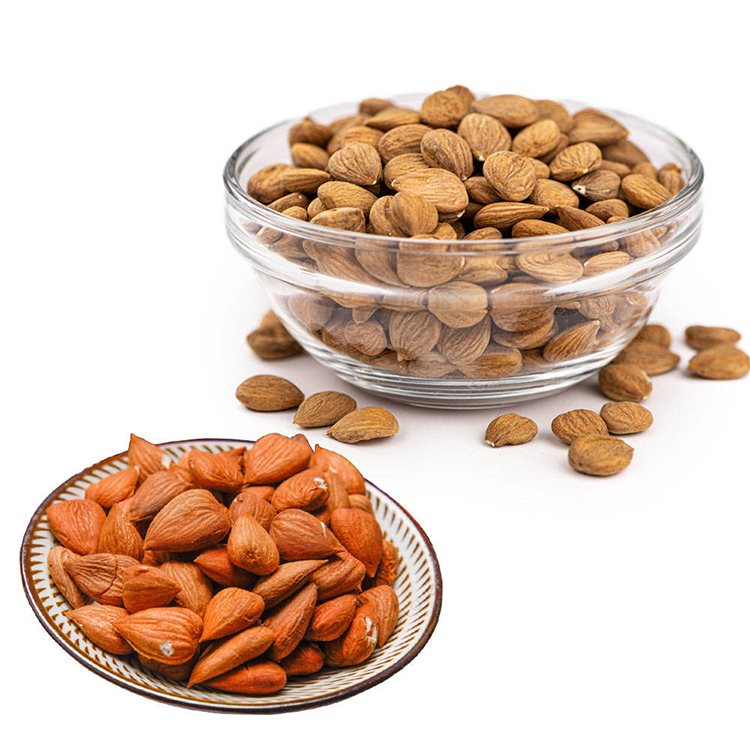
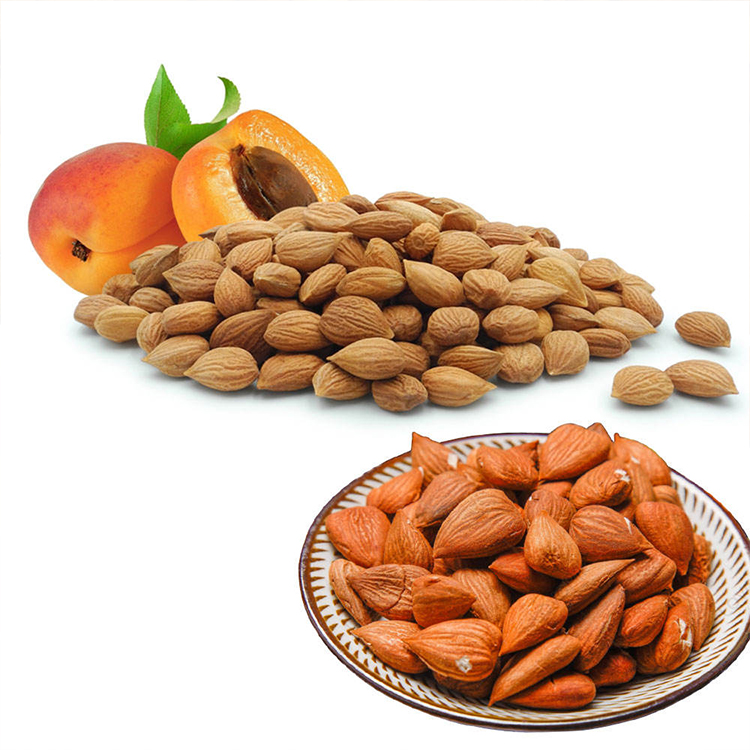
In Chinese herbal trade, the buyer should expect at least the following identity stack: Latin/pharmacopoeial name, Pinyin name, plant part, species source, appearance, taste, batch number, origin, processing state, and test method. The target product page for Ku Xing Ren identifies the material as Prunus armeniaca, Pinyin Ku Xing Ren, common name Bitter Almond, and Western aliases including Apricot Kernel and Apricot Seed, which gives a useful baseline for commercial taxonomy.
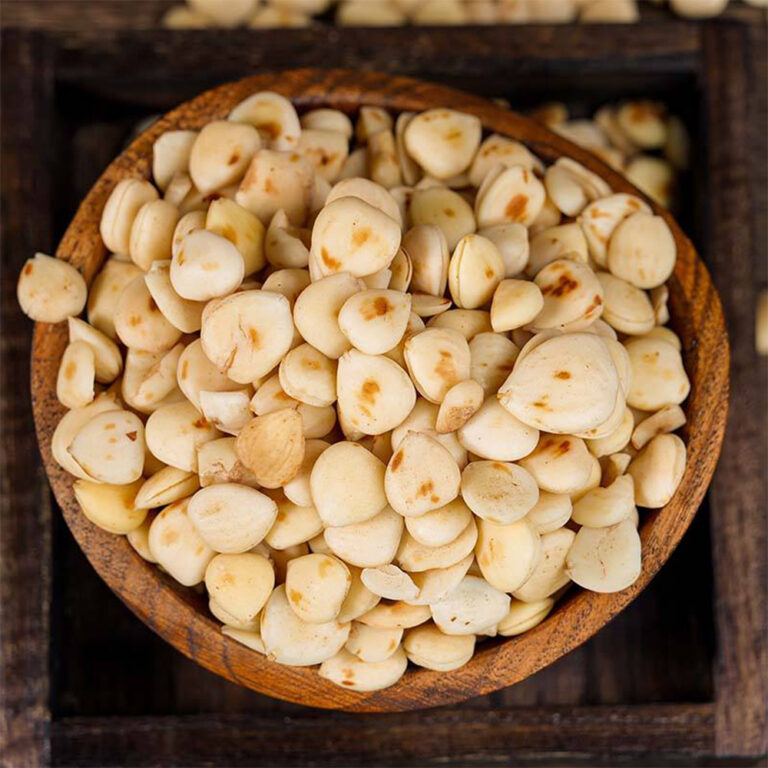
But identity is not only a naming exercise. The Australian Therapeutic Goods Administration’s evaluation report notes that Chinese Pharmacopoeia monographs include Bitter Apricot Seed and that the source can include dried ripe seed of Prunus armeniaca L. var. ansu Maxim., Prunus sibirica L., Prunus mandshurica (Maxim.) Koehne, or Prunus armeniaca L., with description details such as flattened-cordate shape, yellowish-brown to deep brown exterior, oily cotyledons, slight odor, and bitter taste. That is the kind of identity detail buyers should demand, not vague botanical poetry.
The hard truth: identity fraud usually does not look dramatic. It looks like a clean PDF, a generic product name, a missing Latin binomial, and a batch photo that could belong to almost any pale-brown kernel.
For adjacent procurement context, buyers can benchmark against the site’s broader Fruit and Seed Chinese medicinal category, where fruit and seed herbs are grouped as a supply category rather than treated as isolated SKUs. That matters because sourcing teams often buy Ku Xing Ren alongside seed materials such as cassia seed, coix seed, jujube seed, fennel seed, or Schisandra berry.
The Documentation Stack I Would Actually Trust
Do not ask for “quality documents.” Ask for named files.
A serious bitter apricot seed sourcing file should include a Certificate of Analysis, botanical identity statement, batch number, harvest or production date, country or province of origin, processing description, pesticide test report, heavy metals report, microbial report, amygdalin or cyanide-related testing where applicable, allergen or cross-contact statement if relevant, MSDS/SDS when required, and intended-use declaration for destination-market compliance.
If you are purchasing for OEM or private-label development, the documentation burden rises, not falls. The site’s custom Chinese herbal and spice OEM/ODM service states that products are manufactured in a GMP-certified facility, meet ISO 22000 standards, and are third-party tested for heavy metals, pesticides, and microorganisms. That is the right direction, but buyers should still request batch-level proof before approving production.
A COA should not be decorative. It should be interrogated.
The site’s Panax notoginseng sourcing article gives a useful COA checklist: herb identification, plant part, batch number, origin, grade, moisture, ash or foreign matter where applicable, HPLC results, pesticide residues, heavy metals, microbial limits, test methods, approval limits, and measured values. For bitter apricot seeds, I would add amygdalin testing and cyanide-risk documentation where the target market or intended use requires it.
Buyer Documentation Table for Bitter Apricot Seeds
Document or Check
What It Should Prove
Red Flag I Would Not Ignore
Botanical identity record
Confirms Ku Xing Ren / Armeniacae Semen Amarum identity, plant part, species source, and appearance
Only says “apricot seed” with no Latin name or plant part
COA
Shows batch-specific measured values, not generic promises
Approval limits listed, but no actual measured results
Amygdalin or cyanide-related test
Supports risk control for cyanogenic glycosides such as amygdalin, C20H27NO11, and HCN exposure
Supplier says “natural product” instead of showing test data
Heavy metals report
Screens Pb, Cd, As, Hg where destination rules or buyer specs require
“Passed” with no test method, unit, or lab name
Pesticide residue report
Demonstrates residue profile and market-fit compliance
No residue panel attached for export lots
Microbial report
Covers TPC, yeast and mold, E. coli, Salmonella, and other required limits
Report date does not match batch date
Processing statement
Clarifies raw, dried, sliced, powdered, roasted, steamed, or extracted status
Product form changes but documents do not
Intended-use declaration
Distinguishes herb raw material, food ingredient, further processing, or other use
Supplier lets the buyer “decide later” on use category
Regulatory Reality: Claims Can Turn a Seed Into a Problem
The fastest way to ruin bitter apricot seed sourcing is to let marketing write faster than compliance can read.
This is where the old Laetrile fight still matters. In United States v. Rutherford, decided on June 18, 1979, the U.S. Supreme Court held that the Federal Food, Drug, and Cosmetic Act made no special exception for drugs used by terminally ill patients, reversing a lower-court path that had favored access to Laetrile; the case is a reminder that amygdalin-related disease claims carry legal weight, not just scientific controversy.
Do not sell mythology.
In commercial sourcing, “supports respiratory wellness” is already sensitive enough. “Cancer-fighting,” “vitamin B17 therapy,” or anything close to disease treatment is an invitation for enforcement review, payment processor risk, platform delisting, and brand damage. Health Canada explicitly states that amygdalin, sometimes called “vitamin B17,” is not a recognized vitamin in Canadian Food and Drug Regulations, and that foods making a “vitamin B17” claim violate the regulations.
For U.S.-oriented herbal product planning, the site’s article on FDA dietary supplement guidelines for herbal products is a sensible internal read before anyone drafts labels, landing pages, or Amazon copy. But even a good article is not a substitute for legal review when the ingredient has cyanogenic glycoside risk.
Sourcing Checklist: What I Ask Before Price Negotiation
Price comes later.
Before I talk price, I want the supplier to answer these questions in writing:
Identity Questions
Is the material documented as Ku Xing Ren / Armeniacae Semen Amarum / bitter apricot seed with the botanical source listed? Is the plant part clearly stated as seed or kernel? Are there batch photos showing shape, skin color, defects, foreign matter, and processing form?
Safety Questions
Has the batch been tested for amygdalin or total cyanide risk where required? What test method was used? Which lab performed the analysis? Are the numbers reported in mg/kg, ppm, %, or another unit? Are pesticide, heavy metal, and microbial panels attached?
Documentation Questions
Does the supplier provide batch-specific COA, origin record, processing statement, invoice-ready product name, export packing details, and intended-use support? Can they align private-label, bilingual labels, or OEM documentation if the buyer needs a finished product route?
For large-scale purchasing, the site’s bulk OEM herbal product supplier guide mentions GMP-certified manufacturing, ISO 22000 standards, and third-party testing for heavy metals, pesticides, and microorganisms. That is a strong starting point for buyer qualification, especially when paired with lot-specific apricot seed safety documentation.
Best Practices for Sourcing Bitter Apricot Seeds Without Getting Played
Here is the procurement position I would defend in front of a skeptical QA team.
Buy bitter apricot seeds only from a supplier that can connect identity, testing, processing, intended use, and export documents into one traceable batch file. If those five pieces are separated across vague emails, old certificates, and sales claims, the file is weak.
A safer sourcing workflow looks like this:
Confirm product identity using Ku Xing Ren, Armeniacae Semen Amarum, Prunus source, and plant part.
Request sample photos and a representative sample before bulk approval.
Demand batch-specific COA, not a marketing certificate.
Review amygdalin or cyanide-related testing requirements for the destination market.
Confirm whether the material is raw, processed, sliced, powdered, or intended for further processing.
Lock label language before shipment.
Keep all supplier documents attached to the purchase order.
The boring paperwork is the moat.
And yes, buyers hate this part because it slows down procurement. But bitter apricot seed sourcing is one of those categories where the supplier who answers slowly with evidence is often safer than the supplier who answers instantly with a discount.
FAQs
What are bitter apricot seeds?
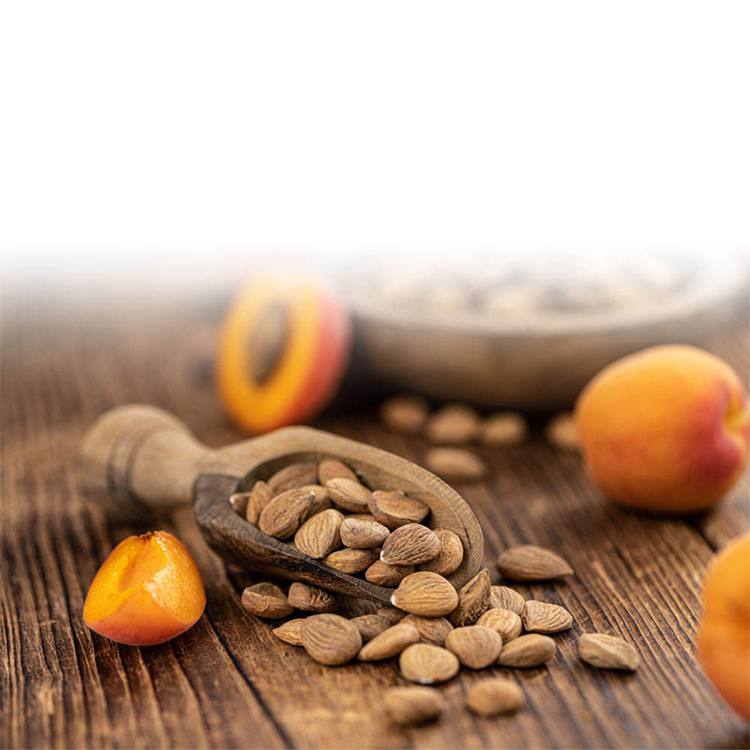
Bitter apricot seeds are the kernels inside apricot stones, known in Chinese herbal sourcing as Ku Xing Ren or Armeniacae Semen Amarum, and they are commercially important because they contain amygdalin, a cyanogenic glycoside that requires careful identity, safety, processing, and documentation control.
They may appear under names such as bitter apricot kernels, Chinese bitter almond seed, apricot kernel, apricot seed, or Prunus armeniaca seed. For sourcing, those names must be tied back to botanical identity and intended use, not treated as casual substitutes.
Why is amygdalin testing important for bitter apricot kernels safety?
Amygdalin testing is important because amygdalin can convert to hydrogen cyanide under certain biological or processing conditions, making bitter apricot kernels a safety-sensitive raw material that requires batch-level analytical evidence, especially for food, supplement, herbal, or export applications.
A buyer should not accept “traditional use” as a test result. The COA should show the relevant marker, method, lab, unit, batch number, and acceptance criteria. If the supplier cannot explain the difference between amygdalin content and cyanide-risk limits, keep asking.
What should an apricot seed certificate of analysis include?
An apricot seed certificate of analysis should include botanical identity, plant part, batch number, origin, processing form, appearance, moisture or foreign matter where applicable, amygdalin or cyanide-related results when needed, pesticide residues, heavy metals, microbial limits, test methods, acceptance limits, and actual measured values.
The actual measured values matter most. I distrust COAs that say only “pass” because they hide the risk curve. A real QA team wants numbers, units, methods, and batch traceability.
How do you verify bitter apricot seed identity before bulk sourcing?
You verify bitter apricot seed identity by matching the supplier’s product name, Latin or pharmacopoeial name, Pinyin name, species source, plant part, physical description, processing form, sample appearance, batch number, and COA data against the purchase specification and destination-market documentation requirements.
In practice, I would compare product photos, sample odor and appearance, supplier taxonomy, and test documents before approving a bulk lot. If the file cannot prove what the material is, it cannot prove what it is not.
What are the best practices for sourcing bitter apricot seeds?
Best practices for sourcing bitter apricot seeds include qualifying the supplier, confirming Ku Xing Ren identity, requesting representative samples, requiring batch-specific COA documents, reviewing amygdalin and cyanide-related safety data, checking heavy metals and pesticides, verifying processing form, and aligning all documentation with the destination market.
The best buyer is not the one who squeezes the lowest kilogram price. The best buyer is the one who can survive customs questions, platform review, customer audits, and regulatory scrutiny without rebuilding the file from scratch.
Your Next Steps
Before you request a quote, build a one-page bitter apricot seed purchasing specification with five non-negotiables: identity, amygdalin or cyanide-risk documentation, COA, processing status, and intended use.
Our low MOQ of 1 kg (2.2 lb) makes it easy to order Chinese herbal slices or wholesale Chinese medicine herbs. Private-label and bilingual labeling are also available.
Delivery Cycle & Support
We have a fast 7-day lead time. We provide free samples, COA reports, and technical support to help you bring high-quality bulk Chinese herbs to market.
Quality & Certifications
Our products are manufactured in a GMP-certified facility and meet ISO22000 standards. All Chinese herbs are third-party tested for heavy metals, pesticides, and microorganisms.