How to Build a Reliable Bulk Herb Procurement Plan for 2026
Bulk herb procurement in 2026 is not about chasing the cheapest sack price. It is about identity, traceability, lab proof, moisture control, supplier redundancy, and knowing when a pretty COA is not enough.
When a procurement team treats bulk herbs like interchangeable brown material in sacks, it invites identity drift, microbial surprises, pesticide residue disputes, customs delays, customer complaints, and one ugly truth that nobody wants to put in the annual buying plan: a low unit price can become the most expensive decision in the room.
So why do buyers still approve suppliers from a pretty PDF?
I’ll be blunt. Most bulk herb procurement plans are not procurement plans. They are wish lists with a spreadsheet attached. They list SKUs, target prices, and optimistic lead times, but they do not answer the only questions that matter when the container is delayed, the COA looks too clean, or the lab flags Pb, Hg, Cd, As, SO₂, Salmonella, or aflatoxins.
A real 2026 plan must handle three things at once: stable supply, verified quality, and commercial speed. Miss one, and the system breaks.
The Hard Truth: Herb Procurement Is a Risk Business, Not a Price Hunt
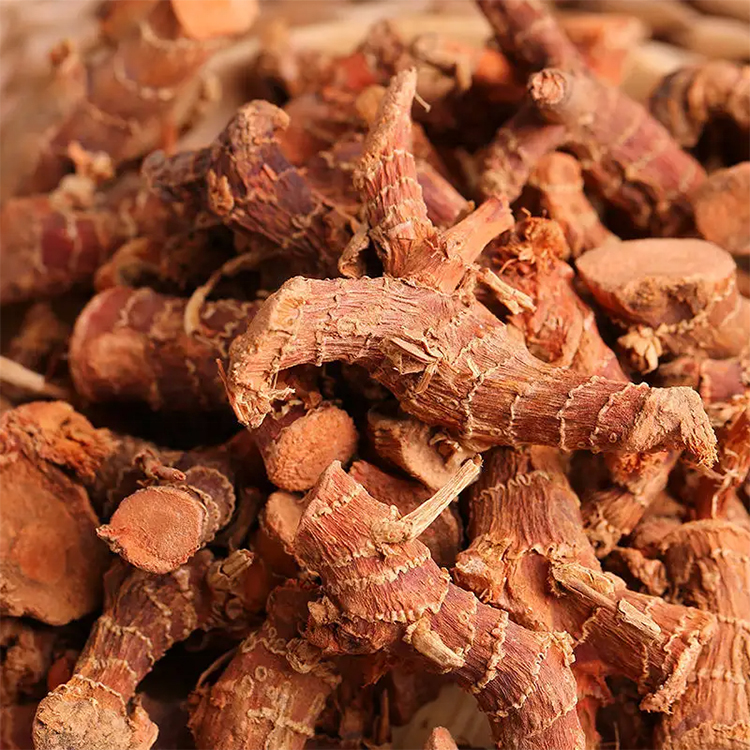
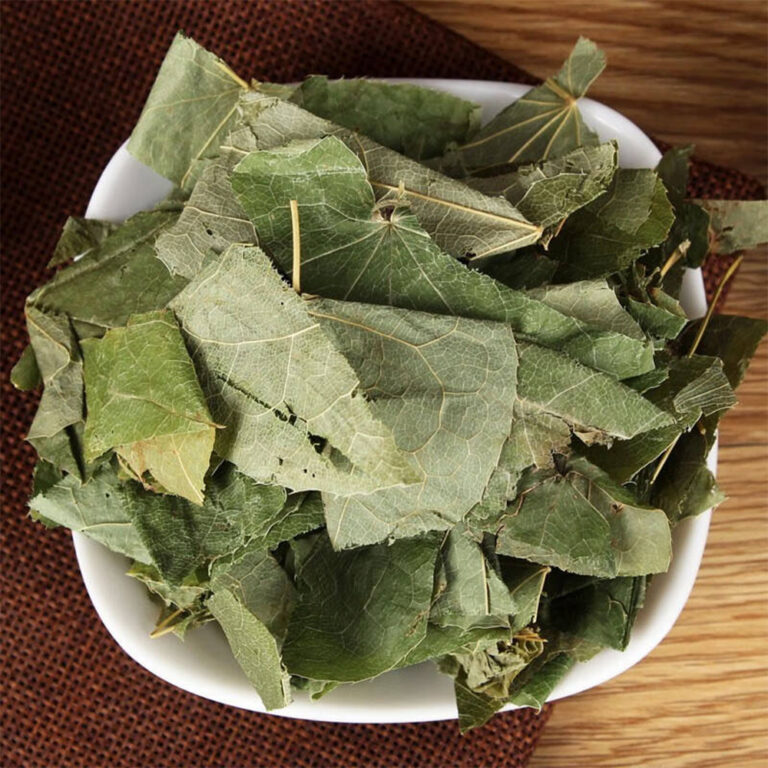
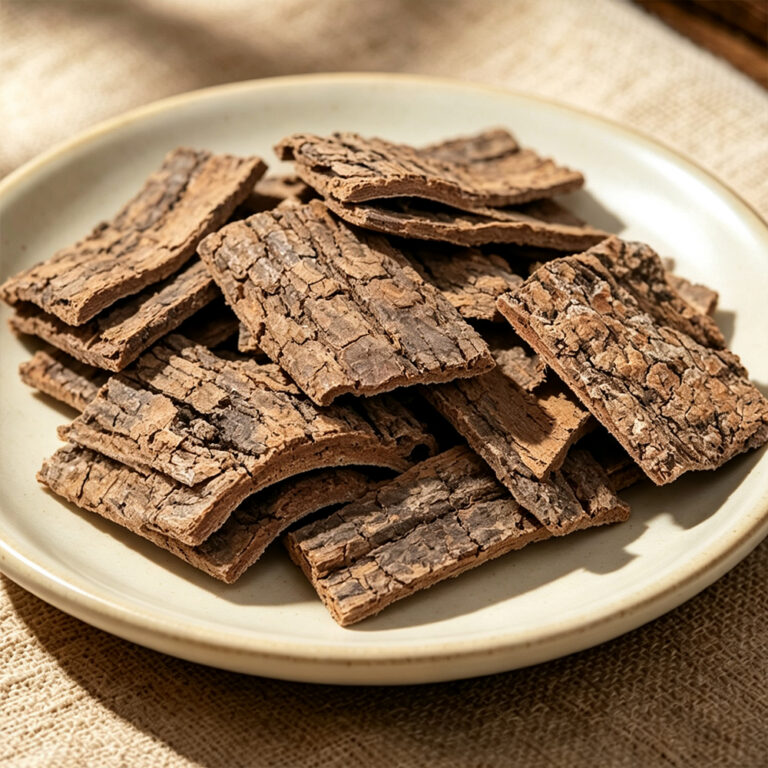
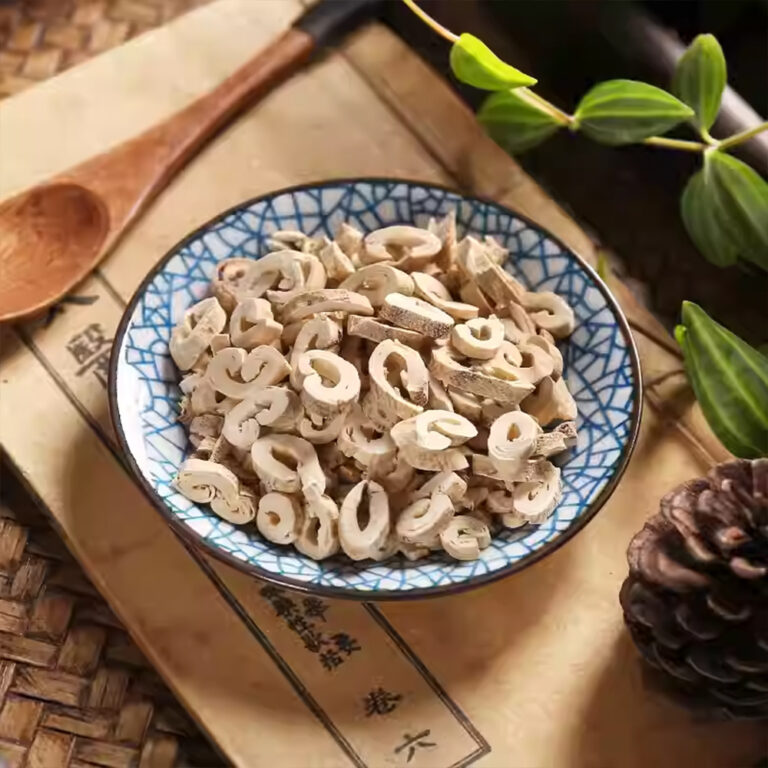
Bulk herb sourcing looks simple from the outside. You choose Angelica root, astragalus, chrysanthemum, cinnamon bark, schisandra berry, dried ginger, or clove. You compare supplier quotes. You ask for a COA. You negotiate MOQ.
Done?
Not even close.
A serious herb procurement strategy starts by assuming the supply chain can lie without anyone intentionally lying. A farm may harvest correctly, but drying may be uneven. A broker may preserve the right Latin name but mix regions. A warehouse may hold the right herb under the wrong humidity. A seller may send a valid COA from one lot and ship another. That is not paranoia. That is Tuesday.
The FDA’s own dietary supplement guidance reminds manufacturers and distributors that they carry responsibility for adulterated products, while FDA enforcement is generally postmarket rather than a pre-approval system like drugs. Read that again through a buyer’s eyes: the regulator may not protect your purchase before it reaches your warehouse. Your procurement system has to do that first.
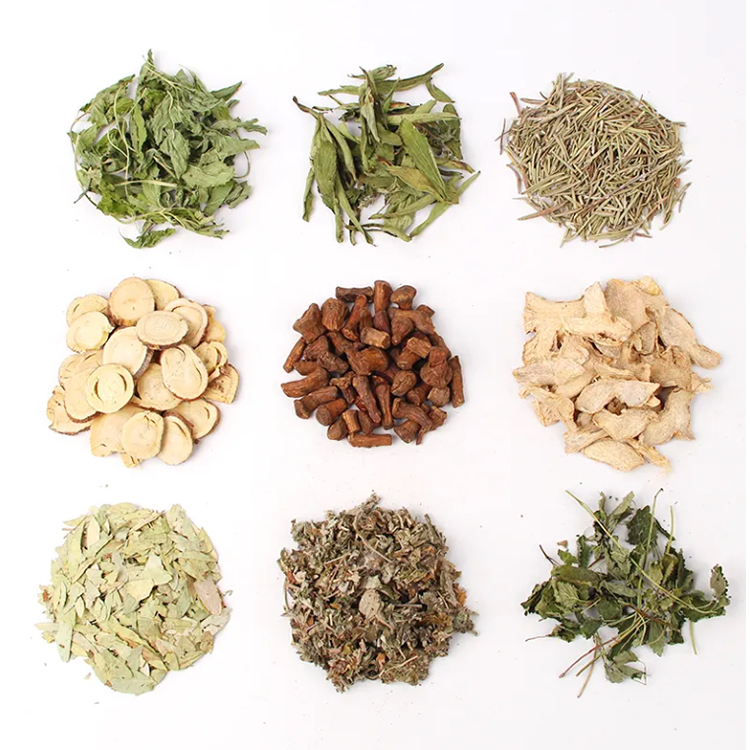
For B2B buyers building a 2026 plan, I would organize the sourcing universe before the first quotation. Start with a broad supplier catalog like this bulk Chinese herbs and spices catalog, then split demand by plant part, risk class, testing burden, and use case. Roots behave differently from flowers. Seeds behave differently from barks. Spices have their own volatile-oil economics.
Cheap herbs are loud. Bad documentation is louder.
Table of Contents
Build the 2026 Procurement Map Before You Ask for Prices
A reliable bulk herb procurement plan should begin with a SKU risk map, not a supplier list. This is where I see buyers make the same mistake again and again: they rank herbs by annual spend, not by failure cost.
Bad move.
A low-spend botanical can destroy a formulation if it carries pesticide residue, wrong identity, or microbial contamination. A high-spend root may be safer if the supply base is mature, the harvest region is stable, and the supplier already maintains testing discipline.
Segment Herbs by Risk, Not Just Category
Use four working groups.
First, high-identity-risk herbs. These are materials where substitution, similar appearance, regional variation, or naming confusion can cause commercial or safety problems. Examples include ginseng species, cistanche, fritillaria, bupleurum, and certain barks.
Second, high-contamination-risk herbs. Think soil-contact roots, wild-harvest materials, flowers exposed during drying, and spices vulnerable to mold or handling contamination. Heavy metals, pesticide residues, aflatoxins, and Salmonella belong here.
Third, high-volatility herbs. These depend heavily on harvest cycles, climate, regional demand, export controls, or sudden functional-food trends. In 2026, I would watch ginseng, astragalus, turmeric, moringa, schisandra, chrysanthemum, and certain aromatic spices.
Fourth, formulation-sensitive herbs. These are materials where cut size, moisture, volatile oil, sulfur dioxide residue, particle size, or extraction yield changes the finished product. A tea brand and a capsule factory do not need the same procurement rules.
When sourcing root materials, build a dedicated spec sheet around identity and drying behavior. A supplier category such as roots and rhizomes Chinese medicines is useful because roots often carry higher moisture-management and heavy-metal concerns than lighter aerial parts. For fruits and seeds, use a separate buying logic around oil content, rancidity, pesticide risk, and storage stability through a category like fruit and seed Chinese medicines.
The Procurement Table I Would Actually Use
Procurement Area
Weak 2026 Plan
Reliable 2026 Plan
Evidence to Demand
Supplier approval
“They sent a COA”
Qualification file, audit trail, lot history, corrective-action record
Business license, GMP/ISO files, audit report, prior lot COAs
Identity control
Common name only
Latin binomial, plant part, origin, cut spec, macroscopic ID, HPTLC/DNA where needed
Photos, retained sample, ID report, pharmacopeia reference
Contaminant testing
Annual generic test
Lot-based testing by risk class
ICP-MS for Pb/Hg/Cd/As, pesticide panel, microbial, aflatoxin, SO₂
Inventory planning
Buy when stock is low
90–180 day rolling forecast with safety stock by risk tier
Packing list, CO, phytosanitary docs where required, humidity logs
Supplier redundancy
One “best” supplier
Primary, secondary, emergency supplier by SKU class
Approved vendor list and dual-source validation
This table is boring. That is why it works.
COAs Are Not a Quality System
I do not trust a COA by default. I treat it as a lead, not a verdict.
A Certificate of Analysis can be useful, but a bulk medicinal herbs buyer should ask three questions before treating it as evidence: Was the tested lot the shipped lot? Was the laboratory independent and competent? Were the test methods suitable for that herb and market?
Under 21 CFR Part 111, dietary supplement operations must follow current good manufacturing practice, including qualified personnel, written procedures, and proper holding conditions for components and dietary supplements. The regulation also states that components and dietary supplements should be held under appropriate temperature, humidity, and light conditions so identity, purity, strength, and composition are not affected. That belongs inside procurement, not just QA.
Here is the uncomfortable part. A supplier can have a clean facility and still ship a risky lot. A buyer can have a beautiful inbound checklist and still miss identity substitution. A brand can test finished goods and still fail because the raw material plan was lazy.
The 2024 review on adulteration of popular herbs should make every buyer less casual. It reviewed 78 publications and reported 818 of 2,995 samples as adulterated or mislabeled; ginkgo leaf showed 56.7% adulteration, black cohosh 42.2%, echinacea 28.5%, elderberry 17.1%, and turmeric 16.5%. That is not internet panic. That is a procurement warning label. Read the study summary on herbal adulteration rates.
So, for 2026, I would stop asking suppliers for “the COA” and start asking for the quality chain.
Ask for the pre-shipment COA. Ask for the lot photo. Ask for the Latin name and plant part. Ask for the harvest year. Ask for the drying method. Ask whether sulfur fumigation was used. Ask for pesticide screening scope, not just “passed.” Ask which lab ran ICP-MS. Ask for microbiology methods. Ask for retained sample policy.
If the supplier gets annoyed, good. You learned something.
Use Real-World Failure Cases to Design the Plan
Procurement people love forecasts. Regulators love evidence. Reality loves punishing both.
In January and March 2026, FDA and CDC investigated a multistate Salmonella outbreak linked to moringa leaf powder products. By March 17, 2026, FDA reported 97 illnesses across 32 states, 26 hospitalizations, and detection of Salmonella Typhimurium or Salmonella Newport in multiple samples. The products had long shelf lives, with expiration dates reaching 2028, which is exactly why raw material mistakes do not stay small.
That case matters for bulk herb procurement because moringa is not exotic to the modern supplement buyer. It sits in powders, capsules, drink mixes, super greens, private-label products, and wellness blends. A contaminated botanical ingredient can move through multiple brands before the market understands the source.
Hong Kong’s Chinese Medicine Regulatory Office also shows why buyers should track residue and recall signals, not just supplier promises. Its alert list includes 2024, 2025, and 2026 recalls for Chinese herbal medicines exceeding pesticide residue limits and sulphur dioxide residue limits. That should push procurement teams to build SO₂ and pesticide screening into sourcing rules for sensitive herbs.
This is where wholesale herbs suppliers separate themselves. A weak supplier says, “We passed inspection.” A serious supplier says, “Here are the lot controls, test methods, traceability records, corrective actions, and packaging controls.”
For product developers working with whole herbs versus extracts, the sourcing logic also changes. Whole slices preserve visible identity and traditional processing cues, while extracts shift risk toward solvent residues, marker-compound claims, carrier materials, and concentration ratios. A buyer comparing forms should study the operational differences between whole herbal slices and extracts for product development before locking a supplier.
The 2026 Supplier Scorecard: What I Would Grade Before Signing
Most supplier scorecards are too polite.
They give points for “communication,” “price competitiveness,” and “delivery.” Fine. But they often fail to punish the behaviors that create recalls: vague origin, recycled COAs, no retained samples, no humidity control, weak batch coding, and casual substitutions.
Here is the scorecard I would use.
1. Identity Discipline
Score the supplier on Latin binomial accuracy, plant part verification, region, harvest year, cut size, and visible reference photos. For high-risk herbs, require HPTLC, microscopy, or DNA barcoding where appropriate. Do not let common names run the file. “Angelica” is not enough. “Astragalus” is not enough. “Ginseng” is definitely not enough.
2. Contaminant Control
Every high-risk lot should have a testing plan that matches the material. Roots and rhizomes often need heavy metal screening by ICP-MS. Flowers and leafy herbs may need pesticide and microbial review. Spices may need aflatoxin, volatile oil, moisture, and Salmonella controls. For bulk dried spices, I would pay special attention to essential oil profile, stem content, microbial load, and storage odor.
3. Documentation Speed
A supplier that needs five days to find a lot COA may need five weeks to solve a claim. Documentation speed is a quality signal. In 2026, buyers should expect fast access to COA, invoice, packing list, origin statement, production date, expiry or retest date, batch number, and export documents.
4. Capacity Honesty
I prefer a supplier who admits capacity limits over one who says yes to every forecast. If your 2026 plan requires 2,000 kg per quarter of a specific herb, get written capacity confirmation. Better yet, split demand into base volume, surge volume, and emergency replacement volume.
5. Customization Control
Private label and OEM work add risk. Labels, bilingual claims, formula ratios, packaging materials, and batch coding must be controlled. If the project involves blends, tea bags, drink powders, capsules, or custom cuts, connect procurement to a production-capable partner through a page like OEM and ODM herbal spice customization.
Inventory Planning: The Quiet Weapon in Bulk Herb Sourcing
The best bulk herb suppliers 2026 will not save a buyer who forecasts badly.
A reliable plan should use three inventory layers.
Base stock covers normal demand. Safety stock covers lead-time variation, customs delays, retesting, and rejected lots. Strategic stock covers harvest gaps, price spikes, and high-risk SKUs with few qualified suppliers.
I would not use one safety-stock formula for every herb. That is spreadsheet theater.
For stable, low-risk herbs with multiple qualified suppliers, 45–60 days may work. For high-risk roots, wild-harvest items, or materials tied to annual harvest windows, 90–180 days is more realistic. For rare or formulation-defining herbs, I would pre-book volume before harvest and lock specifications in writing.
Moisture deserves its own paragraph because it quietly ruins money. Bulk herbs are hygroscopic. They absorb odor. They can mold. They can lose volatile compounds. They can shift from acceptable to rejected while sitting in the wrong warehouse. If your procurement plan does not specify moisture limit, packaging type, pallet condition, desiccant use, container loading discipline, and inbound humidity inspection, you do not have a plan. You have hope.
And hope is not a QA method.
Pricing: Stop Negotiating the Wrong Number
Everyone negotiates unit price. Fewer buyers calculate rejection cost, retesting cost, demurrage, emergency air freight, customer delay penalties, reformulation costs, and reputation damage.
That is why bad procurement looks profitable until the first claim.
For bulk herb procurement, the real price is landed, tested, released, and usable cost per approved kilogram. Not quoted price. Not invoice price. Approved kilogram price.
This is where organic bulk herbs become tricky. Organic certification may raise the unit price, but it does not erase identity risk, microbial risk, or residue risk. Organic does not mean sterile. Organic does not mean correctly labeled. Organic does not mean your target market will accept the documentation. Treat certification as one document in the file, not a magic shield.
For buyers testing a new herb category, I would start small. Use low MOQ sampling, then pilot order, then commercial order. GuoCao states a 1 kg MOQ and support for samples, COA reports, and technical support on several pages, which can be useful for validation before scaling. For proof of commercial execution, review herbal and spice project cases instead of relying only on product listings.
The 90-Day Action Plan for 2026 Buyers
Days 1–15: Clean the SKU File
Remove duplicate names. Add Latin binomial, plant part, cut spec, target market, annual demand, minimum stock, testing requirements, and approved substitutes. If the same herb appears under three names, fix it now.
Days 16–30: Build the Supplier Risk Matrix
Classify each supplier as approved, conditional, trial, or rejected. Do not let sales relationships override documentation gaps. A charming supplier with weak records is still a weak supplier.
Days 31–45: Validate the Lab Strategy
Decide which tests are mandatory by herb class. Common panels include identity, moisture, total ash, acid-insoluble ash, SO₂, Pb/Hg/Cd/As, pesticide residues, total plate count, yeast and mold, E. coli, Salmonella, aflatoxin B1/B2/G1/G2, and marker compounds where appropriate.
Days 46–60: Run Pilot Orders
Order small commercial lots. Test independently. Compare supplier COA with your results. Check packaging, odor, color, foreign matter, moisture, and documentation speed. Reject suppliers that cannot explain discrepancies.
Days 61–75: Lock Forecasts and Backup Sources
Give qualified suppliers a rolling forecast. Secure backup sources for high-risk SKUs. Confirm harvest timing. Confirm lead time. Confirm export documents. Confirm batch coding.
Days 76–90: Write the Procurement SOP
The SOP should define supplier qualification, sample approval, lot testing, document review, inbound inspection, release criteria, rejection process, corrective action, and annual requalification. Keep it practical. A procurement SOP nobody follows is expensive fiction.
FAQs
What is bulk herb procurement?
Bulk herb procurement is the structured sourcing, testing, contracting, and delivery system used to buy medicinal or culinary herbs at commercial scale while controlling identity, contamination, moisture, documentation, price volatility, and supplier continuity from farm origin to finished inventory in 2026. It covers supplier qualification, lot testing, packaging review, logistics, and inventory planning before money is committed.
How do I choose reliable wholesale herbs suppliers?
Reliable wholesale herbs suppliers should prove identity control, lot traceability, contaminant testing, stable capacity, clear documentation, realistic lead times, and corrective-action discipline before receiving commercial purchase orders from serious B2B buyers. I would also require sample approval, independent lab verification, batch photos, export document checks, and backup supply planning before scaling volume.
What tests should be included in a bulk medicinal herbs sourcing plan?
A bulk medicinal herbs sourcing plan should include identity testing, moisture, ash, pesticide residues, heavy metals, microbial limits, aflatoxins, sulphur dioxide residue, and marker-compound assays when the herb or finished product claim requires chemical verification. Higher-risk materials may also need HPTLC, microscopy, DNA barcoding, ICP-MS, LC-MS/MS, or GC-MS depending on the plant part and market.
Is organic certification enough for organic bulk herbs?
Organic certification is not enough for organic bulk herbs because it does not automatically prove botanical identity, microbial safety, correct plant part, acceptable moisture, absence of adulteration, or compliance with every destination-market requirement. Buyers should still require lot-specific COAs, supplier qualification, residue testing, storage review, and inbound inspection before releasing organic materials into production.
How much safety stock should a 2026 herb procurement plan include?
A 2026 herb procurement plan should hold safety stock based on herb risk, lead time, harvest season, supplier redundancy, testing time, rejection rate, and demand volatility rather than using one flat inventory rule. Stable commodities may need 45–60 days, while high-risk or seasonal botanicals may justify 90–180 days of controlled stock.
Your Next Steps
Do not build your 2026 bulk herb procurement plan around the cheapest quote.
Build it around evidence.
Start with a clean SKU map, classify every herb by risk, qualify suppliers before trusting COAs, test pilot lots independently, and calculate approved kilogram cost instead of invoice price. Then connect sourcing, QA, logistics, and inventory into one written SOP that your team can actually use.
If you are sourcing Chinese herbal slices, spices, roots, fruits, seeds, or OEM herbal products for 2026, begin by mapping your demand against a verified wholesale Chinese herbs and spices supplier catalog, then request samples, COAs, test methods, lead times, and batch documentation before placing a full commercial order.
The buyer who wins in 2026 will not be the buyer who negotiates hardest.
Our low MOQ of 1 kg (2.2 lb) makes it easy to order Chinese herbal slices or wholesale Chinese medicine herbs. Private-label and bilingual labeling are also available.
Delivery Cycle & Support
We have a fast 7-day lead time. We provide free samples, COA reports, and technical support to help you bring high-quality bulk Chinese herbs to market.
Quality & Certifications
Our products are manufactured in a GMP-certified facility and meet ISO22000 standards. All Chinese herbs are third-party tested for heavy metals, pesticides, and microorganisms.