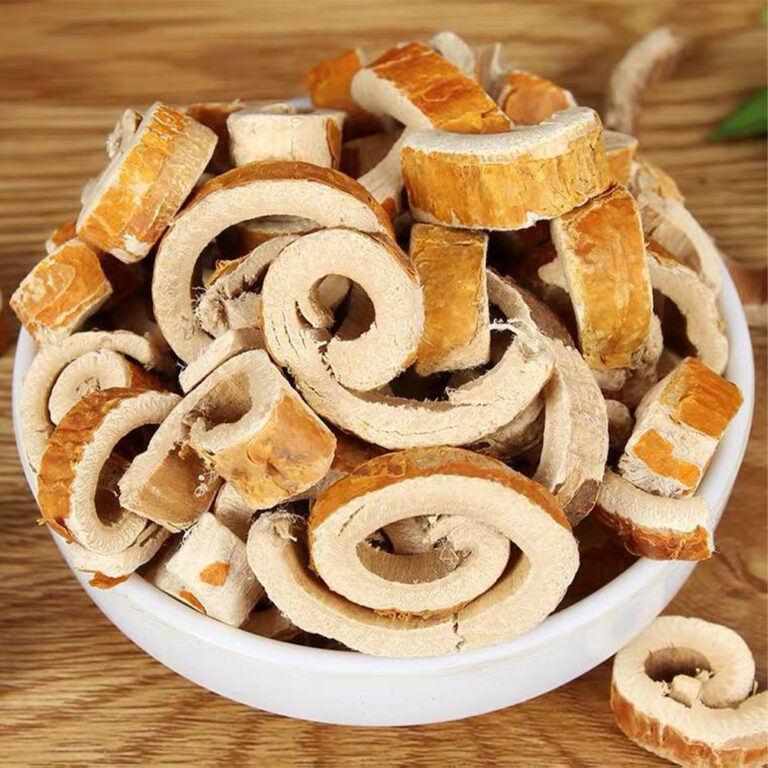
Fo-Ti Root Bulk Sourcing: Processing, Specification, and Label Risk
Fo-Ti origin is not a laid-back mass natural herb. The market mixes raw and refined product, loosened health language, weak COAs, and liver-risk baggage. Below is just how major purchasers should source it.
I don’t deal with Fo-Ti root like one more brown chopped herb in a storehouse container, because Polygonum multiflorum root rests at the awful crossway of standard demand, refining ambiguity, liver-safety examination, and supplement-label lure. Customers who ask only for “excellent price, natural, mass” are not sourcing. They are wagering.
And that pays when a label claims “sustains liver health and wellness” and the complaint file begins filling up?
The short response: the brand name proprietor, the importer, and often the provider that assumed a common COA was enough.
The Purchaser Intent Behind Fo-Ti Root Is Not One Market
The search phrase “Fo-Ti root” looks easy, but the purchasing intent behind it is divided. An expert might want standard He Shou Wu slices. A tea brand name may desire a bitter, dark favor a health mix. A supplement business may want powdered Polygoni Multiflori Radix for capsules. A distributor may search bulk Fo-Ti origin or Fo-Ti root wholesale and expect factory-direct pricing.
Very same natural herb. Different risk.
On GuoCao’s own item architecture, Fo-Ti rests under Root and Root Chinese medications, which is specifically where I would anticipate it to live from a sourcing taxonomy sight. Their specialized Polygonum Multiflorum He Shou Wu mass provider page listings the Latin identification as Polygoni Multiflori Radix, the pinyin as He Shou Wu, and western pen names consisting of Fo-Ti and He Shou Wu Root. That calling stack matters since sloppy identifying is the very first indication of a careless procurement data.
Right here is my hard regulation: never ever acquire Fo-Ti origin from a vendor that can not differentiate raw origin, refined root, sliced origin, powdered root, and remove input product in creating.
Table of Contents
Raw, Processed, and “Processed” Are Not the Exact same Thing
Processing is where Fo-Ti origin obtains unsafe from an industrial perspective. Not since every batch is risky. Since buyers typically can not confirm what they acquired.
Typical sourcing language generally divides raw Radix Polygoni Multiflori from processed Polygoni Multiflori Radix Praeparata, commonly connected with steaming or prep work techniques. In provider catalogs, though, “refined Fo-Ti origin” may indicate cleaned up and dried, cut after drying, steam-processed, or merely “handled in a facility.”
That’s not nearly enough.
NIH LiverTox identifies Polygonum multiflorum as Fo-Ti, He Shou Pian, Shou Wu Pian, and Chinese knotweed, and states that it has actually been linked in clinically obvious acute liver injury that can be extreme and even deadly. The Frontiers testimonial on Polygonum multiflorum-induced liver injury additionally flags growing adverse-reaction records for raw and refined preparations and argues that quality control continues to be a major safety problem in traditional Chinese medicine danger management.
So when a distributor says “refined,” I want the set document response, not the sales answer.
Ask this:
“Was this Fo-Ti root just cleaned and dried out, or was it steamed/prepared according to a specified processing technique?”
That question separates genuine mass Fo-Ti origin distributors from catalog recyclers.
The Requirements Sheet I Would Certainly Demand Prior To Paying a Deposit
A Fo-Ti origin specification must not be a pretty PDF with a logo and a dampness number. It needs to check out like somebody expects an auditor, importer, or upset consumer legal representative to check it.
Below is the minimum table I would make use of for Fo-Ti origin specifications prior to accepting a bulk order.
Avoids pen names complication with unrelated “knotweed” or generic origin material
Common names
Fo-Ti origin, He Shou Wu, Polygonum multiflorum origin
Aligns provider, importer, label team, and sales team
Plant component
Dried root
Stops substitution with airborne parts or combined product
Processing standing
Raw, dried out, cut, steamed/prepared, or powder plainly mentioned
Handling adjustments chemistry, usage instance, and insurance claim risk
Look
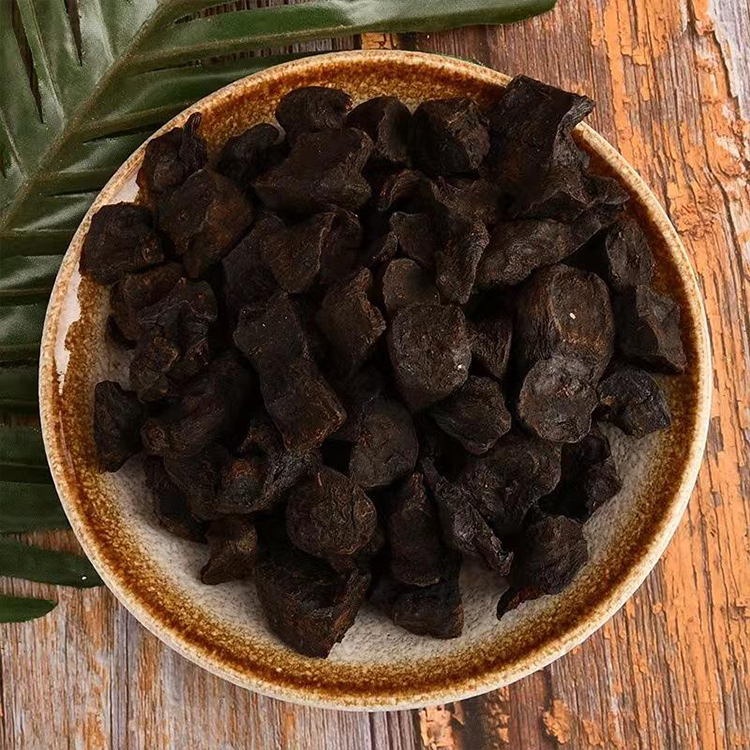
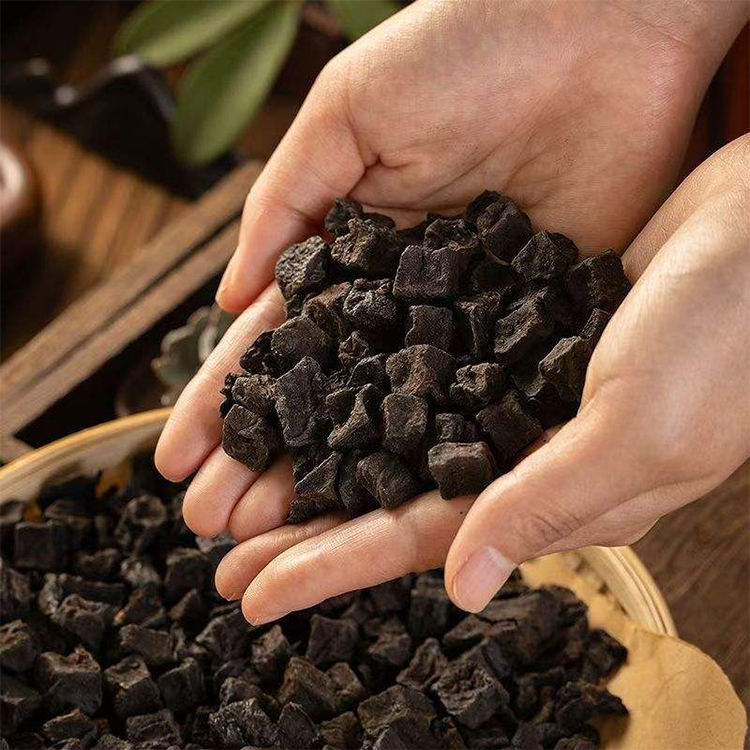
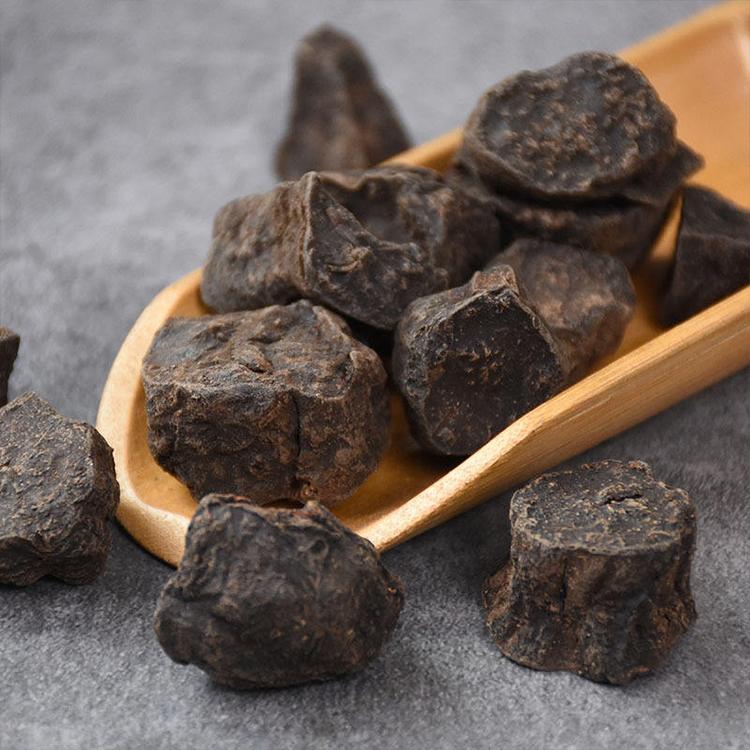
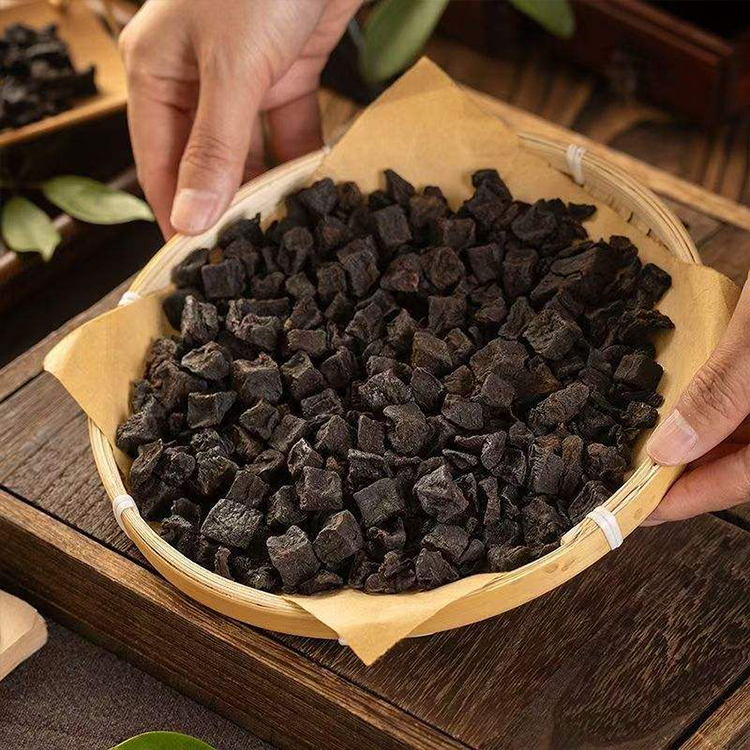
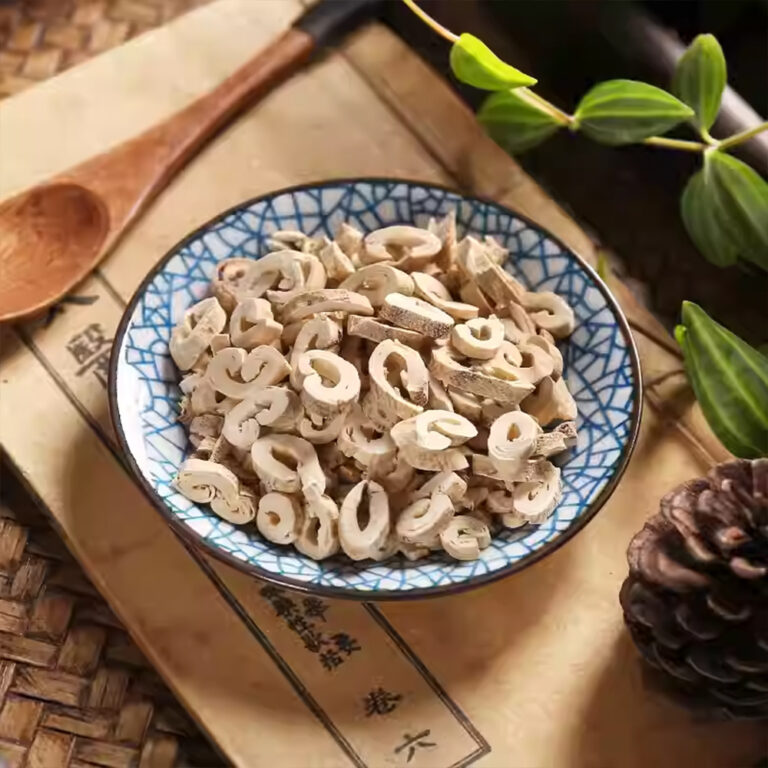
Dark brown to black, thick fibrous root or defined slice size
Helps getting QC turn down incorrect cut or wrong product
Wetness
Defined limit, ideally batch-tested
Moisture drives mold, clumping, and microbial danger
Hefty steels
Lead, arsenic, cadmium, mercury with technique and results
Required for U.S., EU, California, and brand name safety files
Pesticides
Multi-residue screen, not a vague “pass”
Organic declares still need residue technique
Microbiology
TAMC, TYMC, E. coli, Salmonella, mold/yeast
Specifically essential for powders, teas, capsules
Chemical pens
THSG, emodin, chrysophanol where applicable
Beneficial for identification and consistency, not a magic security warranty
COA resource
Third-party laboratory or vendor lab plainly recognized
A COA with no method and no lab is decor
Tiny details win.
A major Fo-Ti origin wholesale file should additionally include whole lot number, harvest region, set amount, day of manufacture or drying, shelf-life basis, storage problems, and packaging setup. If you are buying from GuoCao, their wholesale placing states reduced MOQ, samples, COA records, technical support, and private-label/bilingual labeling on the wholesale natural supplier for bulk orders page, which works– however your order should still compel every insurance claim into a document route.
The Chemistry Is Not Marketing Copy
Fo-Ti origin customers like marker substances since pen compounds feel unbiased. They are unbiased just when used properly.
The names that usually turn up are 2,3,5,4 ′-tetrahydroxystilbene-2-O-β-D-glucoside, frequently reduced to THSG, plus anthraquinones such as emodin with formula C15H10O5 and chrysophanol with formula C15H10O4. These serve for identity and batch contrast. They are not consent slides for aggressive wellness claims.
This is where supplement marketers get careless. They see “typical liver and kidney support” in old natural language and equate it into modern-day tag asserts that seem like disease-risk reduction. That is a rapid means to make the conformity team sweat.
The FDA’s structure/function claim guidance claims the needed nutritional supplement disclaimer have to specify the product is not intended to “detect, treat, cure or protect against any kind of disease”. Under 21 CFR 101.93, the exact same disclaimer language relates to specific nutritional supplement declarations.
My opinion is candid: “sustains liver wellness” is a poor phrase for Fo-Ti root unless you have a very severe regulative review behind it. The natural herb has liver-injury baggage in the literature. Why welcome the opposition?
Tag Risk Is the Real Margin Killer
Fo-Ti root label risk has 3 layers.
Initially, identification risk. If the label says Fo-Ti origin yet the supply data says only “Ho Shou Wu powder,” the paperwork chain is currently weak.
Second, insurance claim danger. “Anti-aging,” “hair growth,” “liver detox,” “kidney repair,” and “deals with grey hair” may prevail net language, yet common does not mean defensible.
Third, adverse-event danger. The concern is not whether your set is “standard.” The question is whether your security documents, label documents, and distributor documents can survive a complaint.
The FTC has likewise revealed desire to act against supplement marketing professionals making use of disease-treatment insurance claims without correct assistance; in March 2022, it revealed an order involving supplements advertised with supposed baseless disease-treatment insurance claims (FTC supplement asserts enforcement). Different product classification, same lesson: claim discipline is not optional.
If you sell ended up supplements in the united state, keep in mind that 21 CFR Part 111 specifies set and whole lot around harmony and meeting specs for identification, purity, strength, and make-up. FDA’s little entity guide additionally mentions that nutritional supplement cGMP puts on manufacturing, packaging, labeling, and holding procedures, consisting of imported or offered-for-import supplements.
That suggests “our distributor examined it” is not a shield. It is one input.
How to Resource Fo-Ti Origin in Bulk Without Getting Shed
Beginning with the usage situation. Not the price.
If you are purchasing He Shou Wu mass for tea, you need cut dimension, dirt restrictions, organoleptic account, microbial data, and product packaging that survives moisture. If you are getting powder for pills, you require tighter microbiology, mesh size, circulation habits, and allergen/cross-contact statements. If you are buying for extraction, you require solvent compatibility, marker uniformity, and pollutant information that can make it through concentration.
Confirm processing: raw dried out root, sliced up dried origin, prepared root, or powder.
Request a recent COA with examination approaches, not only “pass/fail.”
Request for pesticide, hefty metal, microbial, and moisture data.
Match the spec to destination market: UNITED STATE, EU, UK, Canada, Australia, Japan, or GCC.
Testimonial label language before the order, not after the product packaging art work is done.
Keep keep samples from every obtained whole lot.
For buyers comparing herb groups, GuoCao’s all herbs and seasonings brochure is useful for mapping Fo-Ti against various other roots, rhizomes, fruits, seeds, barks, and spices. For teams trying to recognize slice style and useful specification reasoning, the website’s post on selecting bark natural herbs by pieces, strips, or portions is not concerning Fo-Ti directly, but the exact same investing in logic applies: form, density, wetness, testing, and packaging alter the actual product.
The Rate Discussion No One Wants to Have
The most inexpensive Fo-Ti origin quote normally leaves out things that sets you back money: evidence.
Examining prices cash. Traceability expenses cash. Correct product packaging expenses money. An actual vendor action expenses cash. If a bulk Fo-Ti root quote is substantially less costly than every person else’s, I assume among four things: old stock, weak screening, uncertain processing, or mixed-grade product.
Perhaps I’m incorrect. Fine. Verify it with files.
A specialist buyer should request for pricing in rates: 1 kg example, 25 kg container, 100 kg whole lot, 500 kg pallet-level order, and yearly projection. That protects against the timeless bait-and-switch where the example is gorgeous, the very first carton is acceptable, and the 2nd business whole lot resembles floor sweepings.
For business inquiries, a direct wholesale and OEM/ODM call network issues because Fo-Ti origin is not the product I would buy from a static check out page without conversation. I want written solutions. I desire images of the real whole lot. I want a pre-shipment example if the order is purposeful.
FAQs
What is Fo-Ti root?
Fo-Ti origin is the dried origin of Polygonum multiflorum Thunb., also called He Shou Wu, Polygoni Multiflori Radix, and occasionally Chinese knotweed, utilized in conventional Chinese organic practice and modern organic items, however requiring cautious identification, handling, safety, and tag evaluation prior to business usage.
In sourcing language, Fo-Ti origin can describe entire dried root, reduced slices, powder, or prepared product. Those are not interchangeable. A customer should define organic name, plant part, processing status, reduced dimension, examination restrictions, product packaging, and intended market before approving a quote.
Is processed Fo-Ti origin much safer than raw Fo-Ti root?
Refined Fo-Ti root is material that has undergone a defined preparation action past average cleansing and drying, but “refined” does not automatically indicate safe, compliant, or suitable for every single product format unless the vendor records the precise method, set controls, and ended up specs.
Processing can change chemical profile and typical usage positioning. However commercial customers should not rely upon obscure words like “prepared” or “traditional.” Ask whether the material is raw, dried out, cut, steamed, or otherwise refined, and require batch-level documentation.
What requirements matter most for bulk Fo-Ti origin?
One of the most essential Fo-Ti root specifications are organic identification, plant component, processing status, dampness, microbial restrictions, heavy steels, pesticide residues, look, reduced dimension or mesh dimension, pen screening where relevant, product packaging, great deal traceability, and a COA that names examination techniques and reporting limitations.
For completed supplement brand names, identification and impurity controls ought to sit at the top of the file. For tea or drink buyers, microbial, moisture, reduced size, and preference profile come to be more important. For remove suppliers, marker uniformity and solvent-relevant deposit data matter more.
Can Fo-Ti origin be identified for liver support?
Fo-Ti origin must be classified with severe caution around liver-related language because Polygonum multiflorum has published liver-injury associations, and a “liver support” insurance claim can produce a noticeable stress in between advertising and marketing language, safety and security literature, consumer analysis, and governing expectations.
A much safer path is to stay clear of disease-adjacent or organ-treatment language unless certified governing advise has actually examined the insurance claim, substantiation data, please note positioning, adverse-event history, and destination-market guidelines. “Typical use” wording might still call for cautious framework.
Exactly how do I source Fo-Ti root in bulk?
To source Fo-Ti origin wholesale, define the precise agricultural identity, refining kind, physical type, destination market, screening limitations, tag usage, and order quantity before asking for prices, then contrast providers by documents quality, batch traceability, COA strength, and responsiveness as opposed to heading rate alone.
An excellent vendor must answer technical concerns without concealing behind generic herb language. Request actual lot pictures, example schedule, COA, pesticide screen, heavy metal data, microbial outcomes, moisture results, product packaging details, MOQ, lead time, and whether private-label or multilingual labeling is available.
Your Following Actions
Do not resource Fo-Ti root like a product.
Treat it as a high-scrutiny herb with an identifying issue, a processing trouble, a specification problem, and a label-risk problem. Start with the supplier’s Polygonum Multiflorum He Shou Wu item web page, after that request for a current COA, refining information, pollutant testing, and real lot photos prior to you discuss cost.
The buyer who asks far better concerns improves herbs. The customer that asks only for a discount gets an obligation with a botanical name.
Our low MOQ of 1 kg (2.2 lb) makes it easy to order Chinese herbal slices or wholesale Chinese medicine herbs. Private-label and bilingual labeling are also available.
Delivery Cycle & Support
We have a fast 7-day lead time. We provide free samples, COA reports, and technical support to help you bring high-quality bulk Chinese herbs to market.
Quality & Certifications
Our products are manufactured in a GMP-certified facility and meet ISO22000 standards. All Chinese herbs are third-party tested for heavy metals, pesticides, and microorganisms.