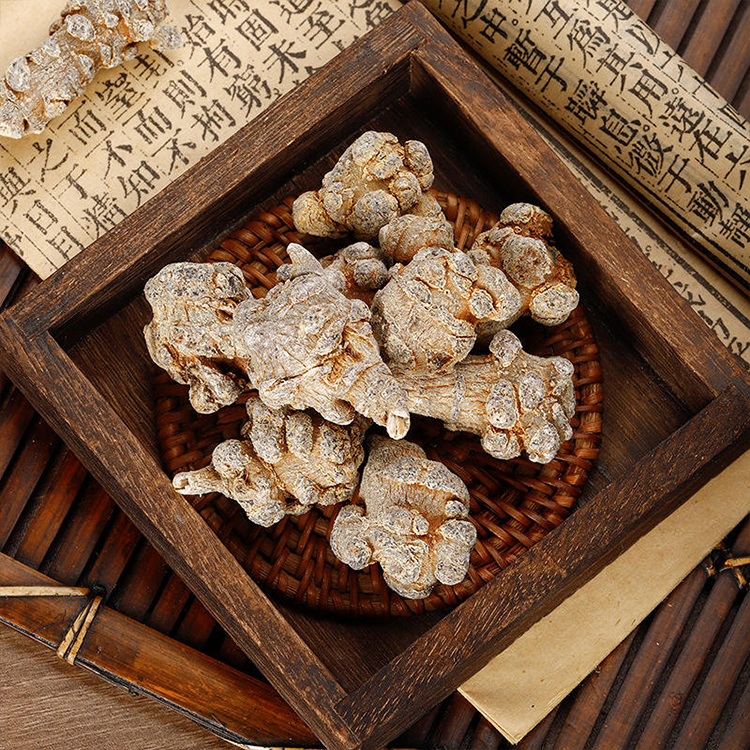
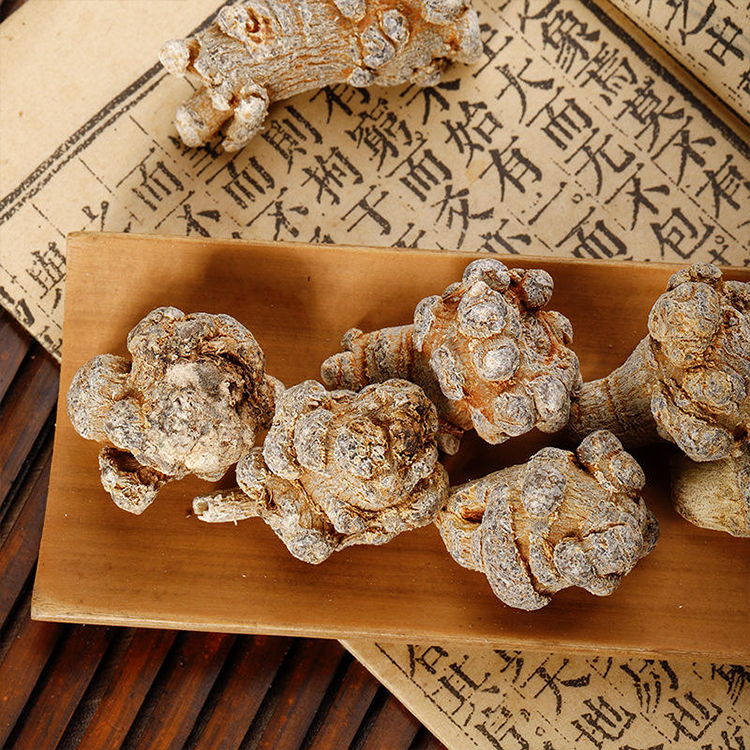
Panax Notoginseng Sourcing: Why Quality and Beginning Matter
Panax notoginseng is not a straightforward origin asset. Quality can be controlled, beginning can be obscured, and a weak COA can conceal pricey troubles. This overview clarifies just how significant buyers should review Sanqi root prior to bulk sourcing.
A purchaser can be shown a lovely sack of Panax notoginseng, hear a confident story concerning Wenshan beginning, get a shiny COA, and still be holding a mixed-grade great deal that will certainly fail particle-size uniformity, HPLC marker assumptions, chemical examination, or client trust once it enters genuine production.
So what exactly are we buying: a root, a tale, or a controlled resources?
That concern matters since Panax notoginseng, additionally called Sanqi root, Tianqi ginseng, Radix et Rhizoma Notoginseng, or Three-Leaf Ginseng, beings in a harmful industrial classification: high-value herb, fragmented supply chain, solid regional reputation, and irregular buyer understanding. That combination draws in faster ways. Not constantly fraudulence. Sometimes just careless purchase. Yet careless is pricey.
The hard truth is this: Panax notoginseng sourcing is not regarding locating the lowest FOB rate. It has to do with showing types, grade, origin, processing, deposit account, and set actions prior to the material touches your formula.
For customers comparing resources forms, GuoCao’s overview on Panax Notoginseng powder vs pieces for ended up products is a useful interior recommendation since type selection modifications whatever: extraction yield, dust tons, microbial direct exposure, mixing harmony, and QC tasting technique.
Table of Contents
The Dirty Key Behind “Excellent Grade” Sanqi
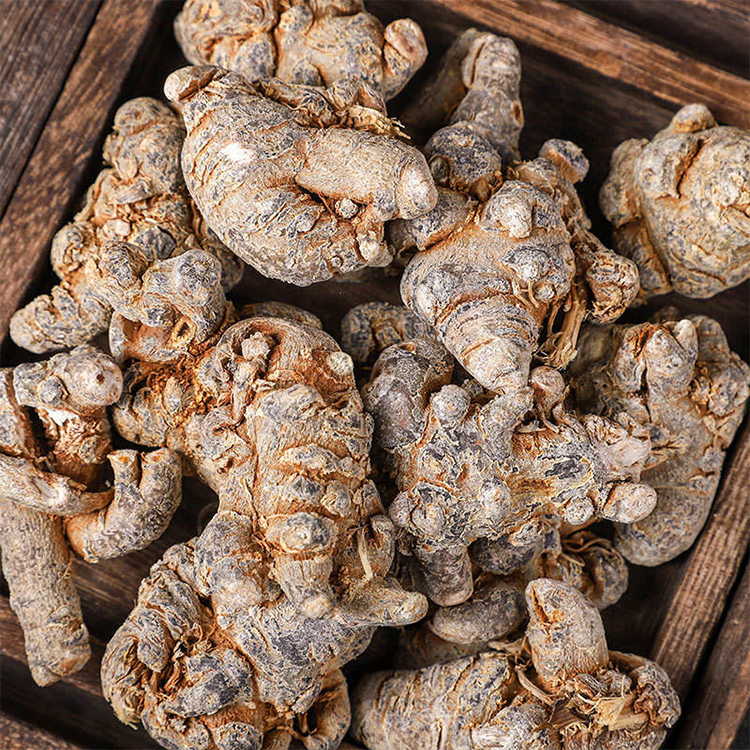
In the Sanqi profession, “grade” is commonly talked about via tou count: 20-tou, 30-tou, 40-tou, 60-tou, 80-tou, 120-tou. In simple language, tou refers to how many dried roots make up 500 g. Less origins per 500 g implies bigger roots. Bigger roots usually indicate a higher business quality.
Normally.
Not constantly.
A 20-tou Panax notoginseng whole lot can still dissatisfy if it is poorly dried out, kept in damp conditions, combined with substandard roots, harmed by pests, or sourced from an origin with weaker marker-compound efficiency. A 60-tou great deal can be flawlessly appropriate for extraction or powder applications if the HPLC profile is secure and the deposit information is tidy.
That is the component lots of purchasers miss out on. They deal with grade as an aesthetic classification. I treat it as a risk classification.
A major buyer needs to request for the Latin name Panax notoginseng (Burk.) F.H. Chen, the plant part, drying technique, grade basis, beginning declaration, harvest year, handling date, dampness information, pesticide screen, heavy-metal outcomes, microbial results, and active-marker testing. If the supplier can not answer calmly, you are not sourcing; you are betting.
Panax notoginseng origin issues due to the fact that the origin is chemically sensitive. Dirt, altitude, rainfall, farming history, illness stress, and post-harvest handling can all affect the product that eventually reaches your storehouse.
A 2021 Scientific News paper used HPLC finger prints at 203 nm, 270 nm, and 325 nm to identify geographical origins of Panax notoginseng and reported that multi-wavelength fusion profiling carried out much better than single-channel finger prints for beginning identification. The same research kept in mind that Panax notoginseng has a yearly outcome worth surpassing 70 billion RMB in China and appears in greater than 3,600 associated drug authorization numbers. That is not a tiny individual natural herb. That is a commercial resources with lots of money affixed. See the research study here: Identification of geographical origins of Panax notoginseng.
And below is where I will certainly say the out of favor point: “Wenshan origin” is not a magic spell.
Wenshan, Yunnan has deep Sanqi trustworthiness, yes. However beginning cases still need confirmation. A 2016 PLOS ONE top quality evaluation compared Panax notoginseng from different regions making use of five marker chemicals– notoginsenoside R1, ginsenoside Rg1, ginsenoside Re, ginsenoside Rb1, and ginsenoside Rd– plus anticoagulant task and ecological variables. The authors discovered that high quality varied meaningfully by region and that pen chemicals alone were not nearly enough to evaluate high quality. That searching for needs to make every purchaser much less enchanting and more demanding. Check out the study: High Quality Analysis of Panax notoginseng from Different Areas.
Origin issues. But paperwork matters much more.
The Markers I Wished To See Before I Think the Provider
For Panax notoginseng top quality standards, 3 substances often sit near the center of the conversation:
Notoginsenoside R1, formula C47H80O18
Ginsenoside Rg1, formula C42H72O14
Ginsenoside Rb1, formula C54H92O23
Do these 3 markers inform the entire tale?
No.
But they inform enough to reveal weak product, mixed sourcing, or lazy QC. A 2023 Frontiers in Plant Scientific Research research study connected saponin accumulation with climate elements and found that reduced annual mean temperature and smaller sized temperature annual range favored the buildup of vital saponins. It also reported successful geographic beginning traceability making use of spectral images and a ResNet design. That is a fancy method of saying origin is not simply a seller’s case; it can leave a measurable chemical and spooky finger print. Resource: Research study of environment aspects and geographical beginnings traceability of Panax notoginseng.
This is why I get suspicious when a vendor just sends a one-page COA with “appearance: qualified” and “smell: characteristic.”
That is not a high quality data. That is paperwork movie theater.
The Customer’s Panax Notoginseng Sourcing Table
Sourcing Aspect
What I Request
Why It Issues
Red Flag
Herb identification
Latin name: Panax notoginseng (Burk.) F.H. Chen; plant component: root/rhizome
Prevents alternative with less costly Panax varieties or mixed herb product
Provider utilizes just “ginseng” or “tienchi” without Latin ID
Commercial grade
Tou matter such as 20-tou, 30-tou, 40-tou, 60-tou, 120-tou
Indicates root dimension and business sorting level
Grade specified vocally, no set image or weight basis
Origin
District, region, expanding base, harvest year
Beginning influences chemistry, credibility, and pricing
“Yunnan” only, no narrower traceability
Pen compounds
HPLC data for R1, Rg1, Rb1, Re, Rd where relevant
Assists confirm quality uniformity and removal potential
Just sensory examination, no chromatographic account
Residues
Chemicals, hefty steels, aflatoxins where appropriate
Panax notoginseng deals with illness and pest pressure during cultivation
“Natural” insurance claim made use of as opposed to test data
Microbiology
Overall plate matter, yeast/mold, E. coli, Salmonella
Crucial for powders, tea bags, capsules, extracts
No microbial panel for powder material
Processing form
Whole origin, pieces, powder, remove powder
Type changes tasting, oxidation, dust, mesh, and extraction actions
Distributor presses one type for every application
Documentation
COA, MSDS, beginning certificate, set number, examination method
Enables auditability and customer-facing compliance
COA has no approach, no limitations, no real worths
For customized formulas, tea bags, powders, and export packs, the web link between resources and ended up item gets back at tighter. That is where GuoCao’s personalized Chinese natural and spice OEM/ODM remedies are contextually relevant, especially for purchasers that need solution, pilot manufacturing, exclusive labeling, COA handling, and export documentation in one chain.
Chemical Residues Are Not an Academic Issue
Let us stop claiming “standard” implies tidy.
Panax notoginseng is a perennial medical plant with continuous-cropping issues and bug stress. The U.S. Environmental Protection Agency’s HERO data source sums up research noting that Panax notoginseng is susceptible to illness and insect pests and that chemical pesticide usage has made deposit problems a genuine concern.
That is not anti-herb propaganda. That is farming.
Regulators know it also. The U.S. FDA’s dietary supplement CGMP assistance states that suppliers, packagers, labelers, and owners of nutritional supplements have to establish and follow current good production method to make sure top quality. It likewise reviews identity screening, specifications, quarantine, batch records, and supplier documents. Source: FDA Dietary Supplement CGMP Small Entity Compliance Overview.
Hong Kong’s Chinese medicine deposit regulations also demonstrate how quickly the conformity bar can relocate. A USDA Foreign Agricultural Solution report from December 2, 2022 stated that the Chinese Medication Council of Hong Kong changed deposit limitations for heavy steels and pesticides in Chinese organic medicines, covering 605 Chinese organic medicines listed in Routines 1 and 2. That matters for anybody exporting ginseng-family herbs into controlled markets. Source: USDA FAS report on changed deposit restrictions for heavy steels and chemicals.
So when a provider claims, “No problem, our Sanqi is extremely pure,” my feedback is straightforward: reveal the examination.
Powder, Slices, or Entire Root: The Kind Modifications the Danger
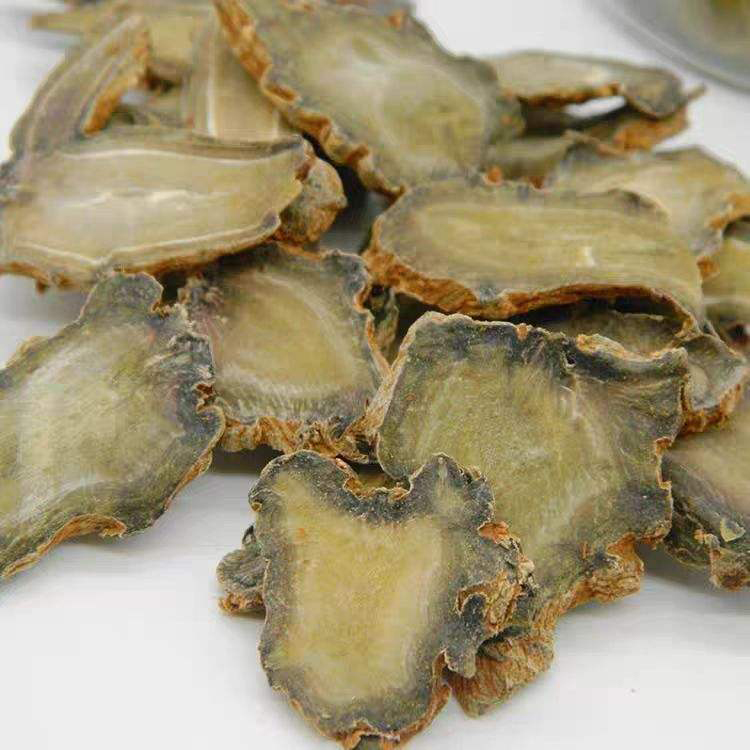
Whole origins are much easier to check visually. Slices are much easier to decoct, blend, and pack. Powder is simpler to create, however it conceals aesthetic issues and raises microbial, adulteration, and uniformity dangers.
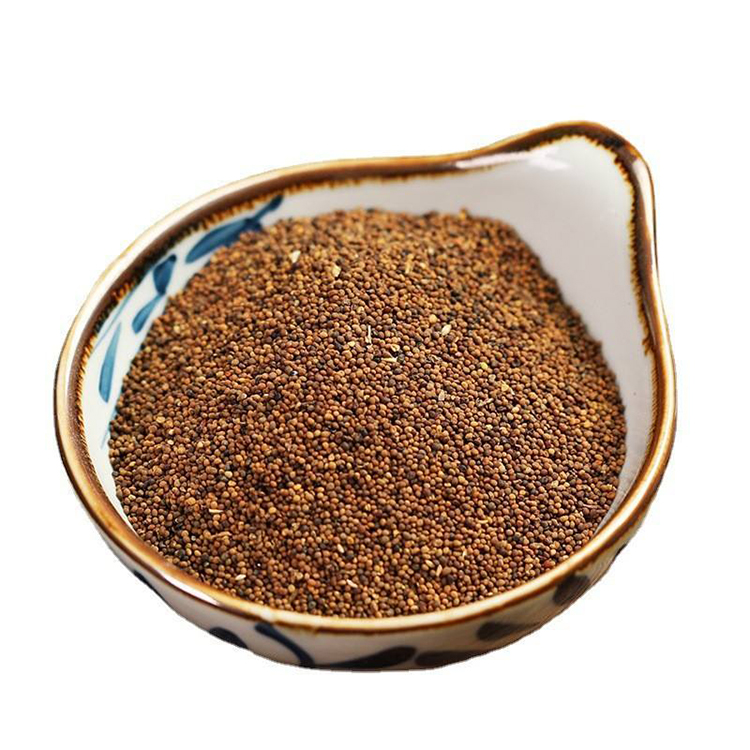
That is why I do not evaluate Panax notoginseng powder similarly I evaluate entire Sanqi root. Powder requires tighter controls: fit together size, foreign matter testing, pesticide panel, microbial panel, marker-compound consistency, and retained sample discipline. If the powder is intended for capsules, useful beverages, or extract manufacturing, I want to know whether the supplier manages the milling line, steel discovery, sieving, and cross-contact danger.
Small information?
No. This is where brands shed margin.
A beautiful example can pass a desk evaluation and still fail at scale because the manufacturing whole lot acts differently in mixing, removal, or loading. When a supplier uses 1 kg MOQ, complimentary examples, lead-time claims, and technological support, as explained on GuoCao’s site, the buyer needs to make use of that accessibility smartly: check the sample, then examine the bulk whole lot, then contrast. The GuoCao FAQ for bulk Chinese herbs and seasonings is a useful functional reference for MOQ, samples, lead time, OEM/ODM, and representative questions.
The Vendor Examination: Five Concerns I Ask Before Price
A “best Panax notoginseng supplier” is not the one with the best sales message. It is the one that answers uneasy concerns without coming to be vague.
Ask these:
What precise grade is this whole lot, and how is the grade measured?
What is the origin down to district, prefecture, or expanding base?
Can you provide HPLC marker data for notoginsenoside R1, ginsenoside Rg1, and ginsenoside Rb1?
Are chemical residues, heavy steels, and microbial outcomes examined by set?
Can the same requirements be duplicated for future great deals, or is this an one-time fortunate sample?
Yet right here is the more difficult inquiry purchasers seldom ask: that owns the problem if the shipment stops working?
A genuine supplier has a procedure. Quarantine. Retesting. Substitute. Root-cause testimonial. Documentation. A weak supplier has excuses, screenshots, and “close friend, this is normal.”
For buyers who respect factory capacity, third-party screening, GMP production lines, ISO 22000 food security systems, and pollutant control, the Around GuoCao web page provides the appropriate kind of context to sustain a sourcing choice, particularly when coupled with batch-specific documents.
Why Economical Sanqi Usually Gets Expensive Later On
I have a strong viewpoint here: the most affordable quote in Panax notoginseng sourcing is commonly not a quote. It is a delayed invoice.
You pay later through low removal return, consumer grievances, stopped working incoming inspection, reformulation prices, stuck supply, rejected export paperwork, or a brand name owner asking why the new whole lot tastes, smells, or examinations in a different way.
Low-cost material can be fine if the spec is sincere. Costly material can still be bad if the paperwork is weak. The target is not “premium” as an advertising and marketing word. The target is regulated fitness for objective.
For product slices, the buyer may prioritize appearance, slice uniformity, dampness, and standard grade. For extract powder, the customer might prioritize marker yield and pollutant limitations. For tea bags, the buyer may respect cut size, dirt, microbial account, and sensory stability. For capsules, powder circulation and mesh consistency materialize production concerns.
One origin. Various dangers.
FAQs
What is Panax notoginseng?
Panax notoginseng is a high-value Chinese medicinal root and root, generally called Sanqi root, Tianqi ginseng, or Radix et Rhizoma Notoginseng, sourced from Panax notoginseng (Burk.) F.H. Chen and valued readily for its saponin-rich chemical account, especially notoginsenoside R1, ginsenoside Rg1, and ginsenoside Rb1.
In sourcing terms, it ought to never be dealt with as common “ginseng.” The Latin identification, plant component, origin, grade, processing type, and screening account should be checked before acquisition.
Why does Panax notoginseng beginning issue?
Panax notoginseng origin matters since geography affects soil conditions, climate direct exposure, growing pressure, saponin accumulation, pesticide risk, and commercial worth, making beginning a measurable high quality aspect instead of an ornamental tag on a supplier quote or export carton.
Beginning insurance claims should be sustained by batch documents, provider traceability, and where required, HPLC or spooky fingerprint methods. Wenshan has reputation, yet reputation is not a replacement for test information.
What are Panax notoginseng qualities?
Panax notoginseng grades are industrial arranging groups usually based upon tou matter, meaning how many dried out roots evaluate 500 g; reduced tou numbers generally show bigger origins and greater visual grade, but chemical high quality still calls for marker screening and contamination testing.
A 20-tou great deal might command a higher rate than a 60-tou great deal, but grade alone does not show viability for powder, removal, pill filling, or export-regulated products.
What should a Panax notoginseng COA consist of?
A Panax notoginseng COA need to consist of herb identification, plant part, batch number, origin, grade, moisture, ash or foreign matter where applicable, HPLC pen results, pesticide deposits, hefty metals, microbial limitations, screening approaches, approval limits, and actual measured values.
I do not such as COAs that only say “pass.” Purchasers require numbers. Method names matter also: HPLC, ICP-MS, GC-MS/MS, LC-MS/MS, or verified microbial methods inform you exactly how the outcome was created.
How do I pick the most effective Panax notoginseng supplier?
The best Panax notoginseng supplier is the one that can repeat a specified specification across batches, verify origin and quality, offer trustworthy COA data, support samples and documents, and discuss processing choices for slices, powder, essence, tea bags, or OEM/ODM completed products.
Rate belongs in the conversation, but only after identification, beginning, grade, safety and security, and documentation are clear. Or else the “ideal cost” might merely be the fastest course to a failed set.
Final Thoughts: Acquire the Evidence, Not the Tale
Ask for quality. Ask for beginning. Request HPLC pens. Request for pesticide and heavy-metal information. Ask how the supplier handles examples, bulk-lot matching, rejected batches, private labeling, and export documents.
Then compare the answer versus the rate.
If you are sourcing Sanqi root, Tianqi ginseng, Panax notoginseng pieces, powder, or OEM/ODM natural items, begin with a recorded specification and request a batch-matched sample before dedicating to quantity. Usage GuoCao’s Panax Notoginseng wholesale page to start the discussion, then request for the data that separates real sourcing from wishful acquiring.
Our low MOQ of 1 kg (2.2 lb) makes it easy to order Chinese herbal slices or wholesale Chinese medicine herbs. Private-label and bilingual labeling are also available.
Delivery Cycle & Support
We have a fast 7-day lead time. We provide free samples, COA reports, and technical support to help you bring high-quality bulk Chinese herbs to market.
Quality & Certifications
Our products are manufactured in a GMP-certified facility and meet ISO22000 standards. All Chinese herbs are third-party tested for heavy metals, pesticides, and microorganisms.