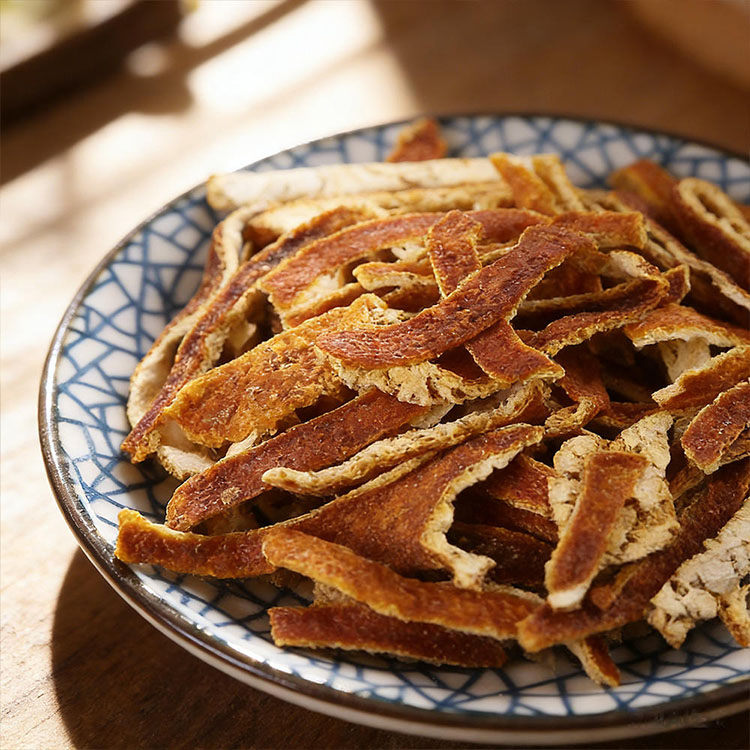



Most star anise disputes are not aroma disputes. They are spec disputes. This piece shows where the legal floor sits, why premium buyers need tighter commercial limits, and how to write a star anise spec that survives real handling, real transit, and real audits.

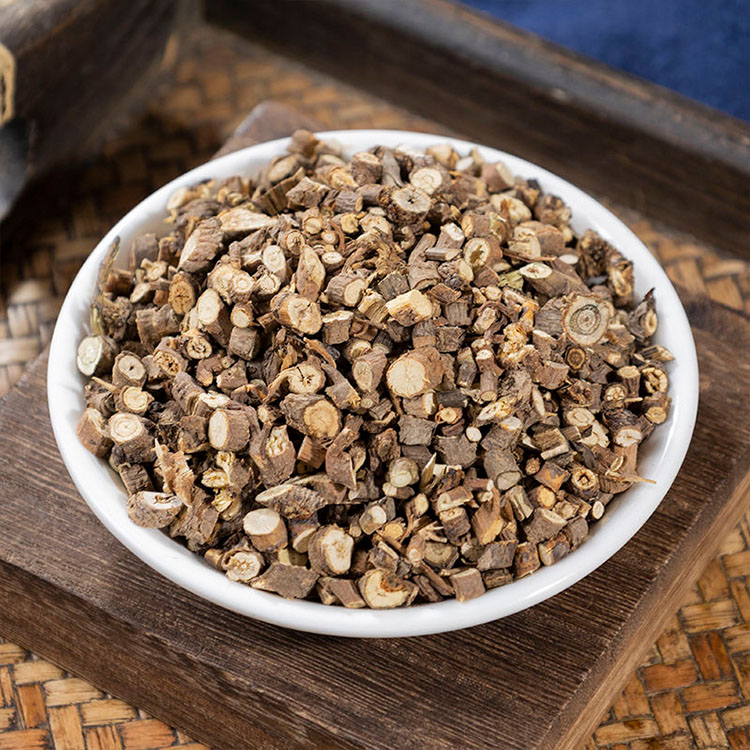
I’m not impressed by “sulfur-free” on its own. For Cang Zhu, the smart move is to test sulfur dioxide residue, volatile markers like β-eudesmol, hinesol, and atractylodin, plus moisture, micro, pesticides, and supplier traceability across consecutive lots.

Isatis Root does not get held because customs officers hate herbs. It gets held because suppliers send mismatched files, vague product descriptions, lazy HS logic, and COAs that look pretty but prove almost nothing. This piece shows the documentation pack I would demand before a single carton of Ban Lan Gen leaves the warehouse.

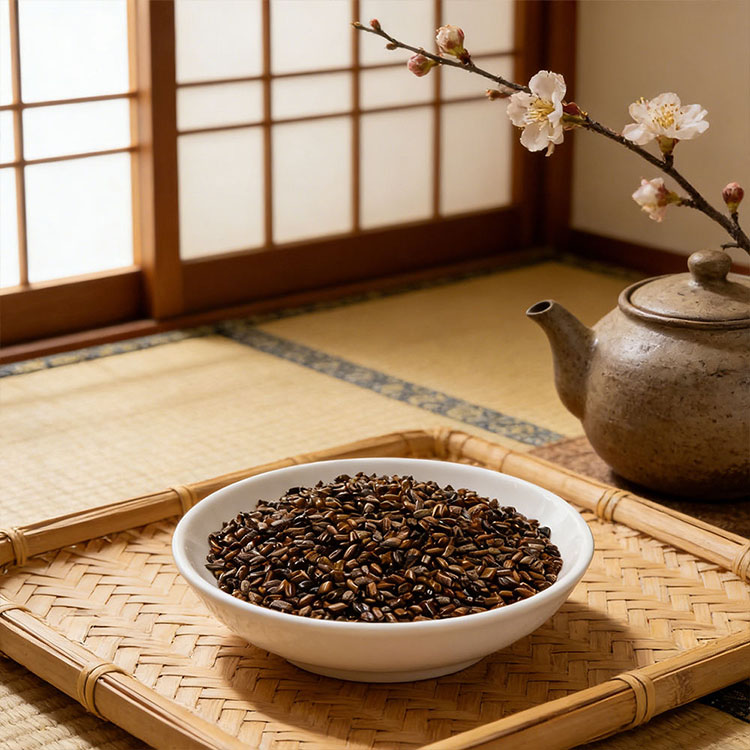
Most buyers still treat jujube seed breakage as a cosmetic issue. I don’t. Once kernels split, oxidation accelerates, fines rise, and the lot gets harder to defend months later. The smarter play is simple: tighter split-rate control, lower oxygen, stable dryness, and lot-level rancidity checks.

Patchouli processing is not a purity fairy tale. It is a negotiation between volatile-oil retention, microbial control, regulatory pressure, and what buyers will still accept once the bag is opened.
This piece explains where Guang Huo Xiang value really sits, why the kill-step cannot be dodged, and how ChineseHerbalSlices.com should interlink its own patchouli pages to convert skeptical buyers.

This post explains why stem-heavy Schizonepeta starts arguments even when it is botanically authentic. I break down what “purity” really means in buying rooms, which specs matter, and how to stop expensive disputes before shipment.

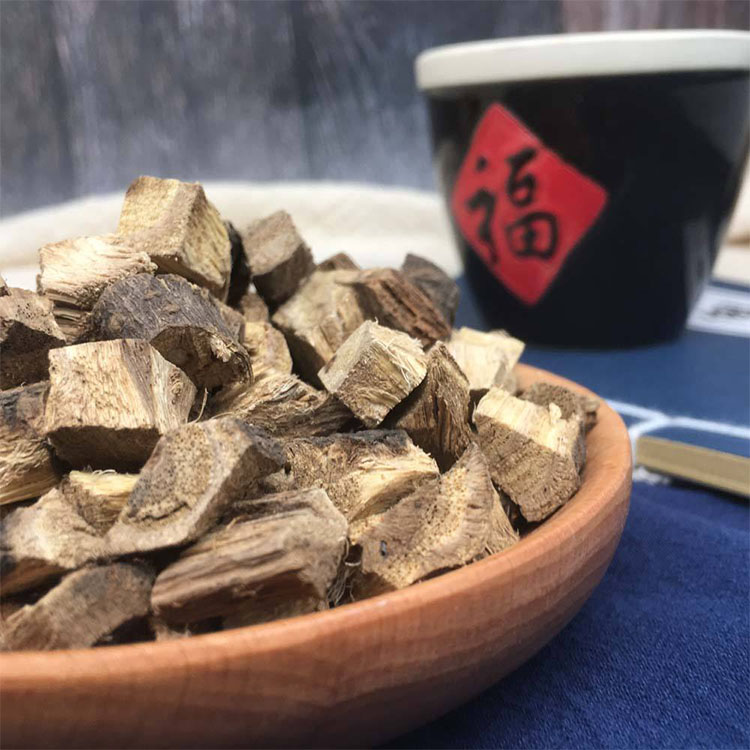
Most Hou Po problems blamed on “the herb” are really failures in sampling, process control, and carton handling. This guide explains how to reduce bitterness, prevent resin stickiness, and write supplier specs that survive real bulk trade.