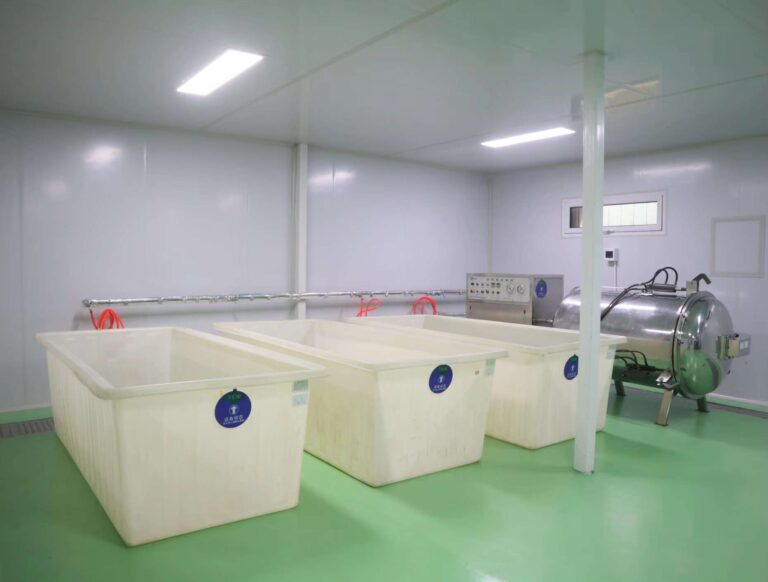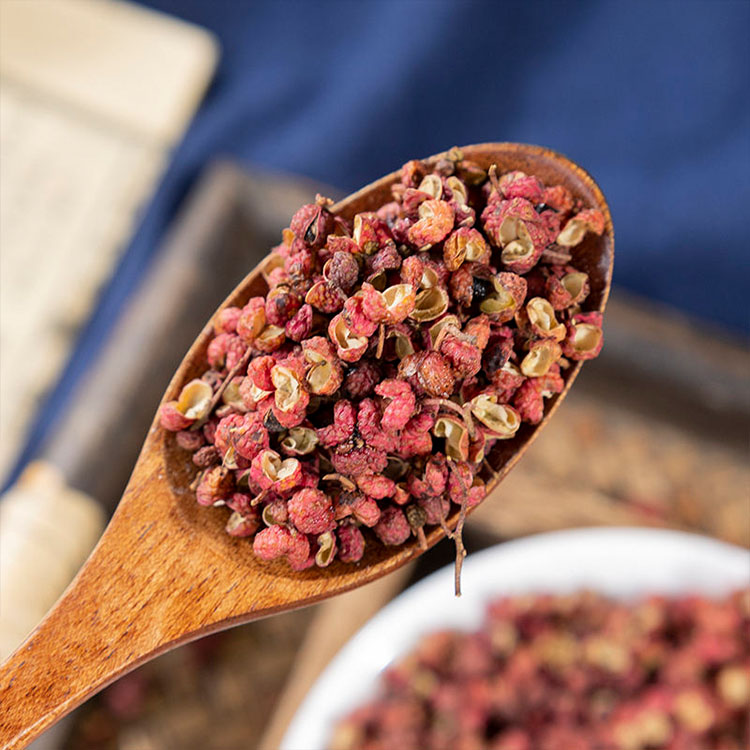



I do not buy white pepper on appearance alone, and neither should you. The real fight is upstream: soaking water, off-odor formation, microbial load, kill-step choice, sampling logic, and whether your supplier can prove any of it when an audit gets ugly.

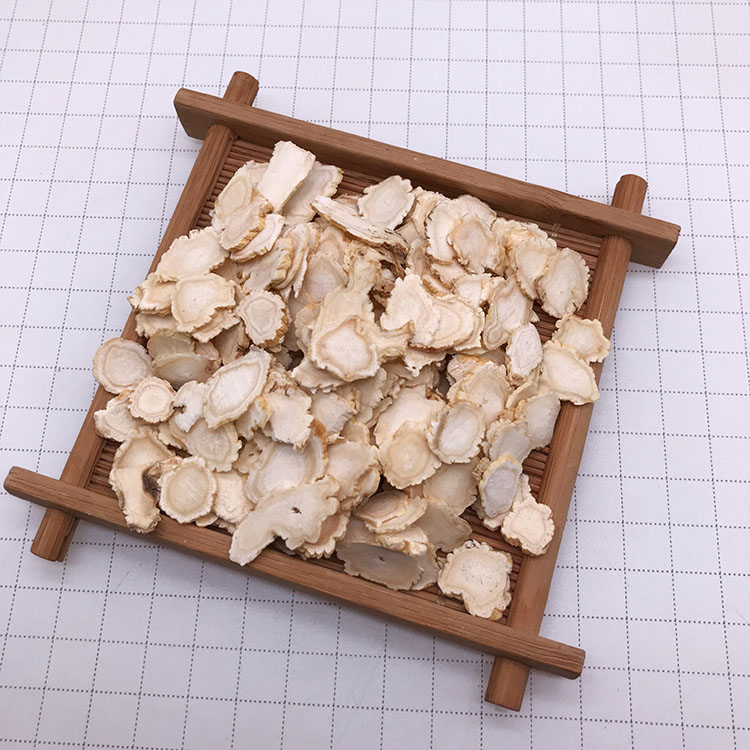
Polish level is not a cosmetic choice for Yi Yi Ren. It changes bran load, lipid retention, off-notes, shelf stability, and the odds that a first-time buyer says yes or walks away.

Most “aged Chen Pi” claims collapse the second someone asks for dates, lot genealogy, and storage logs. Here’s how I would document harvest year, first drying date, storage continuity, relabel events, and batch release so a Chen Pi age claim survives due diligence instead of starting a paper war.

Bupleurum root looks simple on paper: Chai Hu, Bupleuri Radix, bulk blocks, standard COA. In practice, that is where buyers get fooled. This guide shows where mixed lots are born, why ID failures keep happening, and what a real buyer spec must force a supplier to prove.

Most cassia seed suppliers sell “clean.” I don’t buy that word anymore. For tea-bag production, clean only matters when it survives three tests at once: the line runs without choking, the cup stays consistent, and the paperwork stands up when QA or customs asks ugly questions.

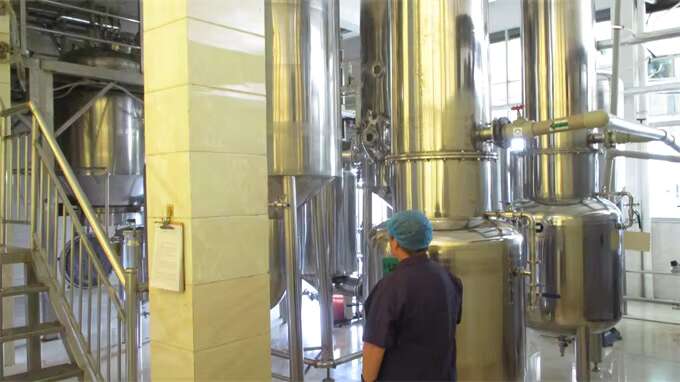
Most OEM teams ask the wrong question about Ge Gen. The real issue is not tradition versus convenience. It is where you want extraction risk, identity risk, and process variation to live: upstream with the supplier, or downstream inside your own plant.

Most Rou Cong Rong carton failures are not “herb problems.” They are packaging and specification failures. I explain why moisture % alone is a half-truth, how sugar-rich Cistanche surfaces turn tacky, what aw limits I would use, and which internal links fit this page best.