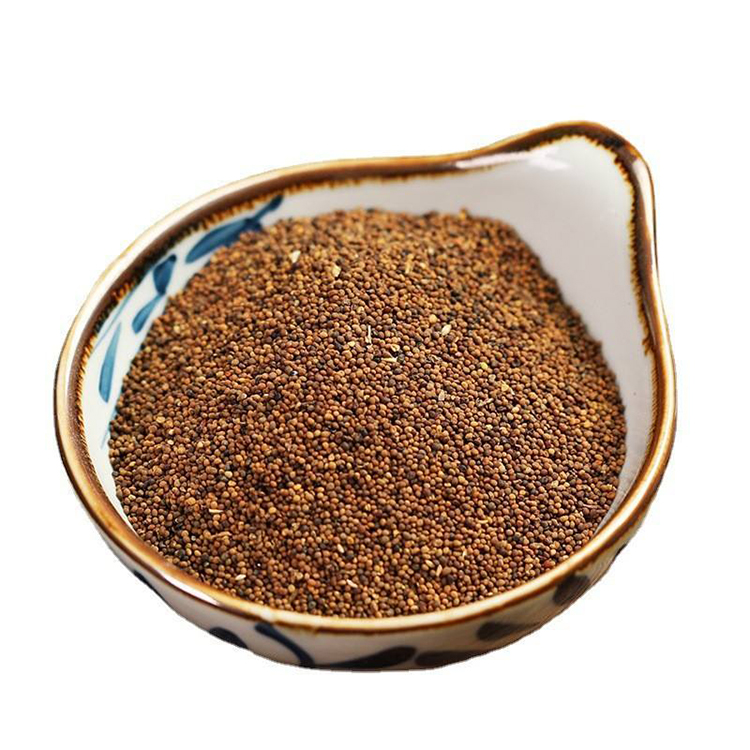
When you buy Chinese herbal slices in bulk, you’re not just buying plants. You’re buying extraction.
If the cooking method is wrong, roots stay “locked”, flowers lose aroma, patients feel nothing, and your brand takes the hit. The good news: most of this comes down to one simple choice:
Should this slice go into a decoction pot, or into an infusion cup?
Below we’ll walk through the two methods, link them to real product categories on GuoCao, and give you tables you can actually use with your team.
What Is Decoction in Chinese Herbal Medicine Slices
In TCM practice, decoction is the classic way to cook Chinese herbal slices.
Typical hospital / clinic style method looks like this:
put the dried slices into a pot
add cold water until it covers the herb by a few centimeters
soak 20–30 minutes so the slices soften and water moves inside
bring to a boil on high heat, then simmer on low about 20–30 minutes
often cook a second time with fresh water and mix the two liquids
This slower process gives time for dense herbs to open up and release heavy components.
some spices – such as clove or bay leaf when used mainly for fragrance in Spices
Here you want to protect volatile oils, gentle flavonoids, vitamins. Long boiling does the opposite: it kicks them out into the air and flattens the cup.
Key Difference Between Decoction and Infusion for Herbal Slices
You can think of decoction and infusion as two tools in one kitchen. Same plant, different slice, different tool.
Comparison Table: Decoction vs. Infusion
Item
Decoction (TCM decoction slices)
Infusion (herbal tea style)
Water temperature
Start with cold water, then boil and simmer
Use water just below boiling, no long simmer
Contact time
Soak 20–30 min, then simmer 20–40 min, often 2 rounds
Steep 10–30 min, usually 1 round
Best for
Roots, rhizomes, barks, hard fruits, seeds, minerals
If you only “make tea” with roots, extraction is weak and herbs wasted
If you boil delicate flowers, aroma and effect both drop fast
This table is the core argument of the whole article:
Match the cooking method to the plant part, not just to the name on the bag.
Which GuoCao Herbal Categories Need Decoction
For decoction, look mainly at these product families:
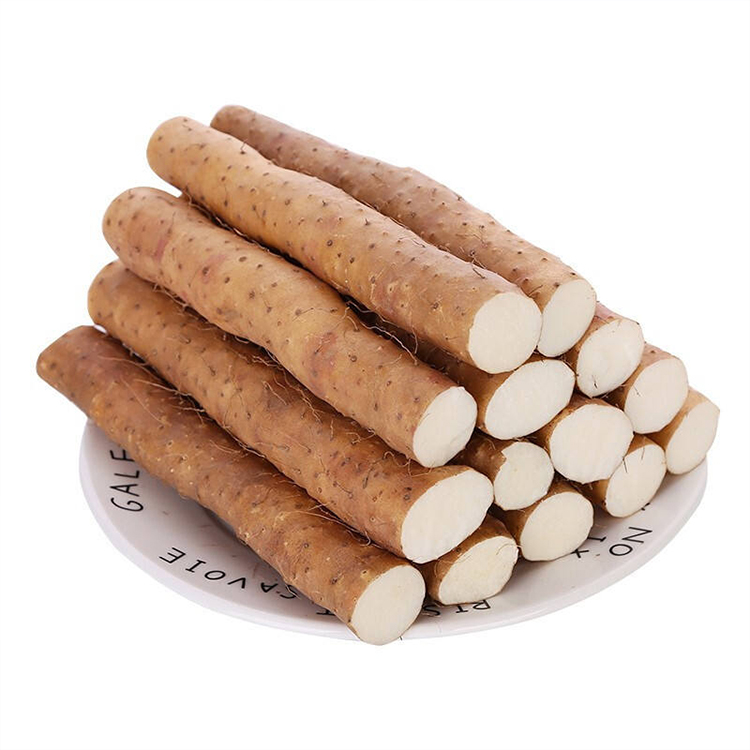
Roots & Rhizome Chinese Medicines Roots & Rhizome Chinese Medicines These slices are dense and full of long-chain polysaccharides and minerals. They usually need soaking, then 40–60 minutes total simmering over two decoctions.
Barks Cortex Chinese Medicines Barks Chinese Medicines Bark is tough. If you just pour hot water and wait 3 minutes, you mostly get color, not real strength.
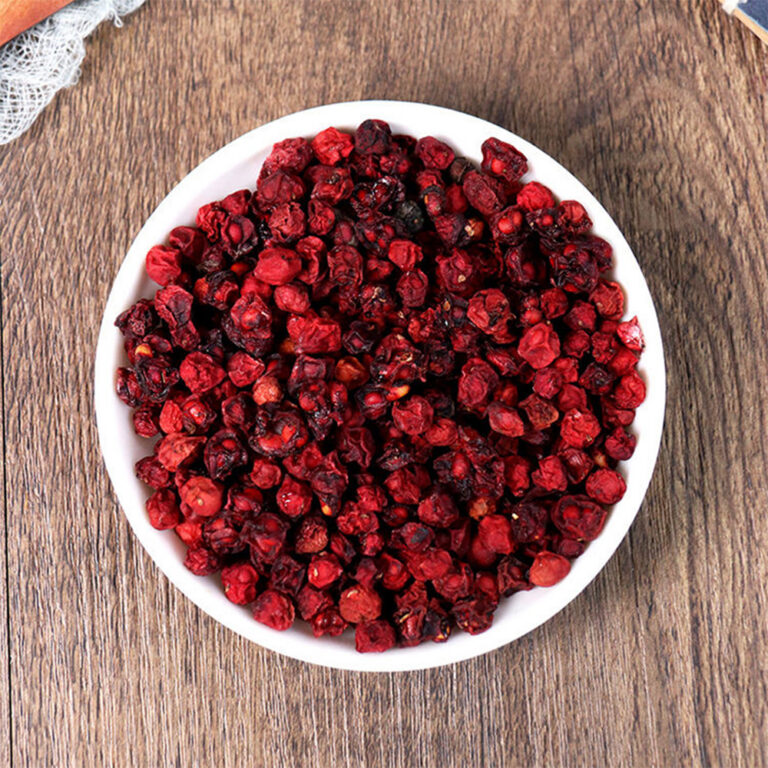
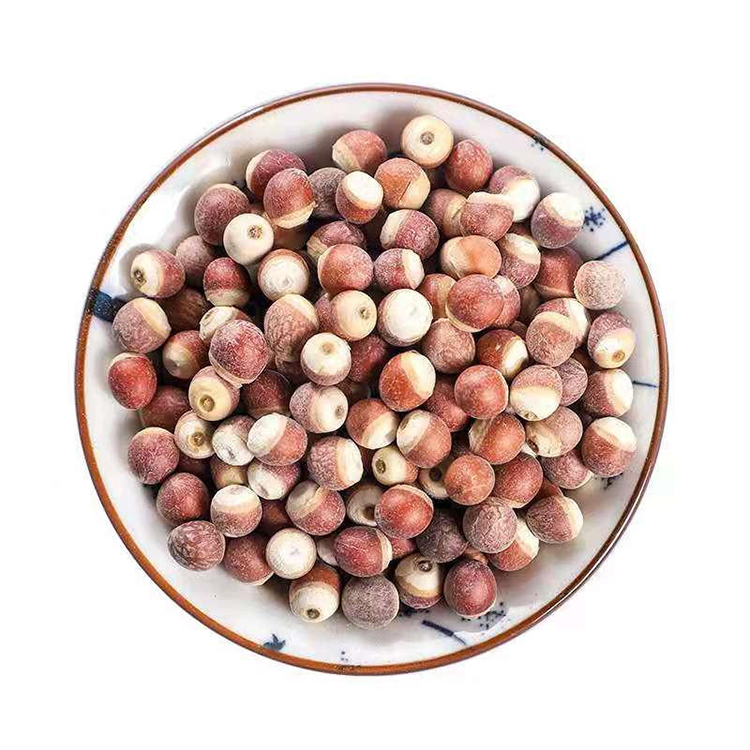
Fruit and Seed Chinese Medicines Fruit and Seed Chinese Medicines Seeds are small but hard. A lot of actives sit under the seed coat. Longer contact and gentle simmer work much better than quick steeping.
Animal and Mineral Chinese Medicines Animal and Mineral Chinese Medicines These are almost impossible to use by simple infusion. They need longer decoction, sometimes “decoct first alone” before adding other herbs.
If you’re supplying hospitals, TCM clinics, or formulation labs, most of your bulk orders will sit in these four families. Decoction is their main playground.
Which GuoCao Products Work Better as Infusion
Infusion shines with herbs that are light, fragrant, and high in volatile compounds.
Flower and Whole Herbs Flower and Whole Herbs Chrysanthemum, Honeysuckle, mint-type leaves and similar materials release aroma fast. They lose value if you beat them with hard boiling for half an hour.
Chinese Herbal Tea Bags Chinese Herbal Tea Bags These are pre-portioned blends, normally for direct cup or teapot use. Your label should talk about steeping time and water temperature, not “decoct 40 minutes”. Most consumers simply won’t.
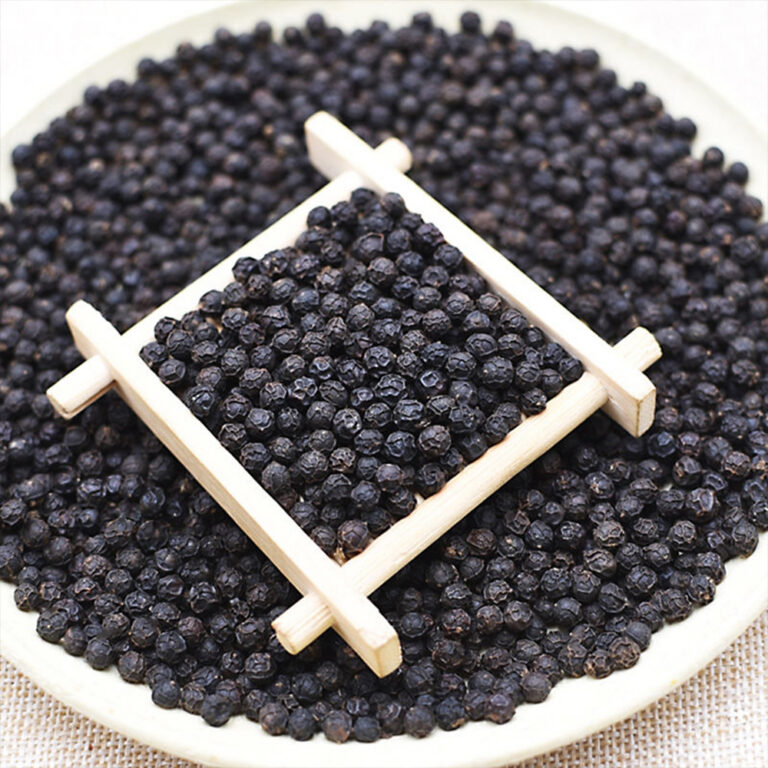
Spices and flavor herbs Spices In hotpot bases or soups, spices may simmer in broth. But for daily tea or RTD drinks, a shorter infusion protects the top-note aroma and keeps taste clean.
Herbal Enzymes and fermented drinks Herbal Enzymes Here you normally use a decoction or concentrated extract as base, then ferment. But the final drink is consumed more like a strong infusion. Understanding both methods helps you design a realistic SOP and marketing story that actually matches how the product is used.
How to Cook Chinese Herbal Slices by Decoction (Step by Step)
Now a bit more detail. It’s not rocket science, but details decide if a batch passes or fails.
Soaking Time and Water Level
For most decoction slices:
use cold water only for soaking
water level should be 2–5 cm above the herb surface
soak about 20–30 minutes for normal roots and barks
very hard seeds or mineral slices can soak a bit longer
If slice thickness is consistent, soaking becomes predictable. That’s one big reason buyers choose GMP-made slices from GuoCao instead of random market cuts: spec is clear, moisture controlled, less guess work in the pot.
A quick rule of thumb your staff can remember:
if the slice still looks like dry wood after soaking, soaking was too short.
Simmering Time and Fire Control
A common SOP for general prescriptions looks like:
First decoction
boil on high heat
turn to low and simmer 20–30 minutes
Second decoction
add fresh water to cover
simmer 15–25 minutes
Combine both liquids, discard the spent herbs
Then you adjust around this base:
Herb type
Example GuoCao category
Typical approach
Normal roots & rhizomes
Roots & Rhizomes
20–30 min first decoction, 15–20 min second
Strong tonics
Roots & Rhizomes (tonic type)
Extend to 30–40 min first decoction, watch not to dry the pot
Hard barks
Barks Chinese Medicines
Can match root timings, maybe a little longer first decoction
Seeds & hard fruit
Fruit and Seed Chinese Medicines
Soak longer; avoid boiling so hard that everything breaks apart
Minerals & shells
Animal and Mineral Chinese Medicines
Often “decoct first alone” 20–30 min, then add other herbs
People sometimes chase “very strong” feeling and overcook. What they get is burnt smell and sad patients.
Better to define time windows and stick to them.
How to Prepare Herbal Infusions for Tea Bags and Floral Herbs
Infusion is simpler, but you still want a repeatable routine so every cup tastes similar.
Basic Infusion Method
For most flowers, leaves, and herbal tea bags:
Place the herb or tea bag into a cup or small pot.
Pour in hot water just under boiling.
Cover with a lid or saucer.
Steep 10–15 minutes for a daily drink, up to 20–30 minutes for a stronger wellness effect.
Remove or strain. Drink warm.
A short table for your product labels:
Product type
GuoCao category
Suggested consumer instruction
Floral daily tea
Flower and Whole Herbs
“Use 1–2 tsp per cup, add hot water, steep 8–10 minutes.”
Herbal function tea bags
Chinese Herbal Tea Bags
“Add 1 bag to 200–250 ml hot water, cover and steep 10–15 minutes.”
Office wellness blends
Mix of flowers + light roots
“Steep 15–20 minutes; if roots are present, you can refill once.”
Don’t try to force hospital-style decoction into office life. People in an open-plan workplace will not decoct for 40 minutes on their desk. Steeping is their real-world method, so design the slice spec for that.
Practical Use Cases in Clinics and Retail
Clinics can use infusion as “maintenance drinks” between strong decoctions.
Retail brands can position infusions as “easy daily support” and keep decoction pieces for serious use or professional lines.
Distributors and agents can use this difference to build tiered products: one line for teapots and mugs, one line for decoction rooms.
GuoCao’s OEM/ODM service lets you run both tracks from one source: decoction-grade slices and infusion-ready blends, same quality system, same documentation trail.
Use Scenarios: Clinic, Supplement Factory, Retail Brand
Let’s tie everything to three common business scenes.
TCM Clinics and Hospitals
Hospitals mostly order:
roots and rhizomes
barks
seeds
minerals
They care about:
slice spec and moisture
stability in storage
COA and traceability
Here, decoction is non-negotiable. Your job is to make sure the slices from GuoCao arrive clean, uniform, and clearly labeled, so their decoction SOP can run without drama.
Dietary Supplement and Functional Beverage Producers
This group often:
decocts herbs on industrial equipment
concentrates or ferments the extract
fills into capsules, RTD bottles, or enzyme drinks
Their “black words” are:
extraction yield
active marker content
fingerprint chromatogram
batch-to-batch consistency
If raw herbal slices change every shipment, all those metrics jump around. GuoCao’s GMP line, ISO 22000 system, and third-party testing help keep these numbers under control, so your QC doesn’t go crazy every new lot.
You still may sell decoction slices for serious users, but the main volume is infusion products. Clear instructions and stable cut size help reduce complaints like “this batch is too weak” or “this time it’s bitter”.
Conclusion: Match the Method to the Slice
Cooking Chinese herbal slices is not about choosing “the best” method. It’s about choosing the right method for that herb, that slice, that customer.
Hard roots, barks, seeds, minerals → soak, then decoct.
Light flowers, leaves, tea bags → cover and infuse.
Industrial drinks and supplements → engineered decoction, then fermentation or concentration.
Daily wellness and easy retail → simple infusion that people can actually do.
GuoCao, as a GMP herbal slice manufacturer with ISO 22000, COA support and about 2,500 tons yearly capacity, gives you the raw material to make these methods work the way they should. From roots and rhizomes to tea bags, you can design your own decoction and infusion lines with one supply chain.
Cook the slice the way the plant wants, and the herb will do its job. Even if the grammar here is not 100% perfect, that rule still always right.
Our low MOQ of 1 kg (2.2 lb) makes it easy to order Chinese herbal slices or wholesale Chinese medicine herbs. Private-label and bilingual labeling are also available.
Delivery Cycle & Support
We have a fast 7-day lead time. We provide free samples, COA reports, and technical support to help you bring high-quality bulk Chinese herbs to market.
Quality & Certifications
Our products are manufactured in a GMP-certified facility and meet ISO22000 standards. All Chinese herbs are third-party tested for heavy metals, pesticides, and microorganisms.