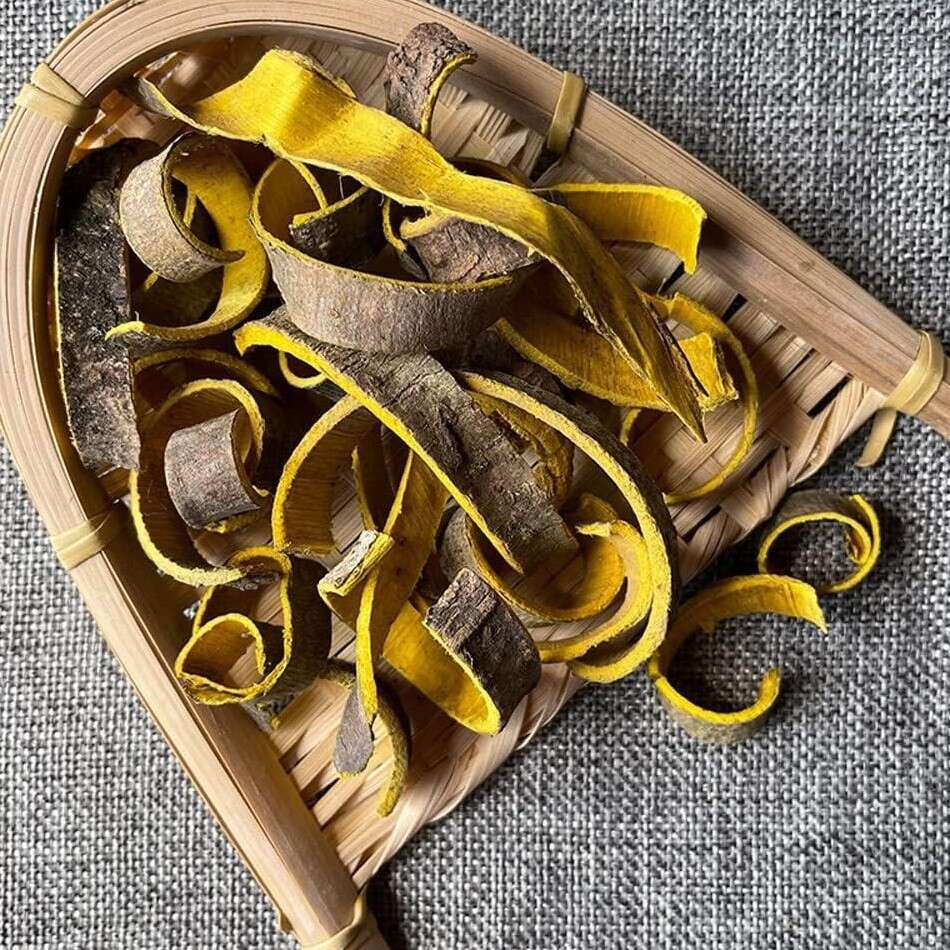
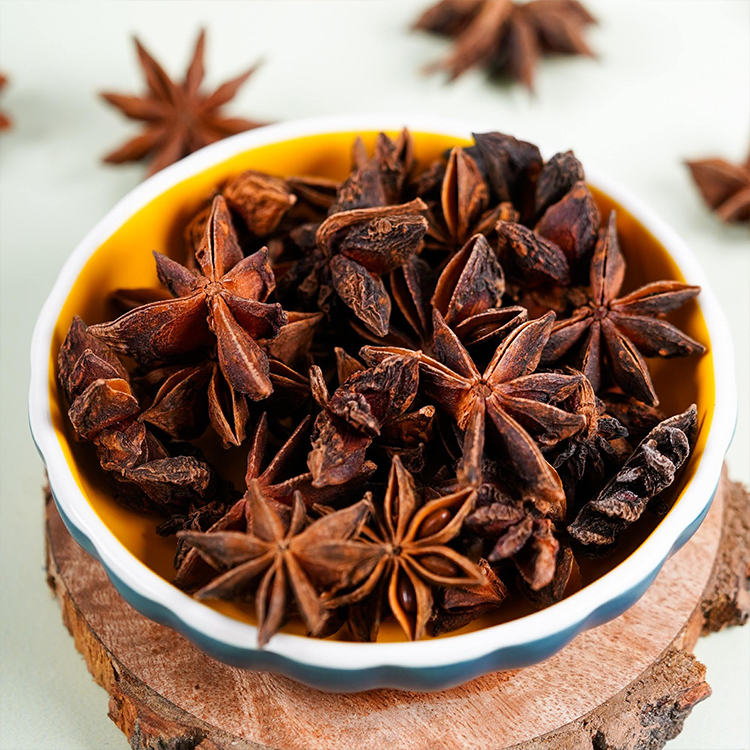
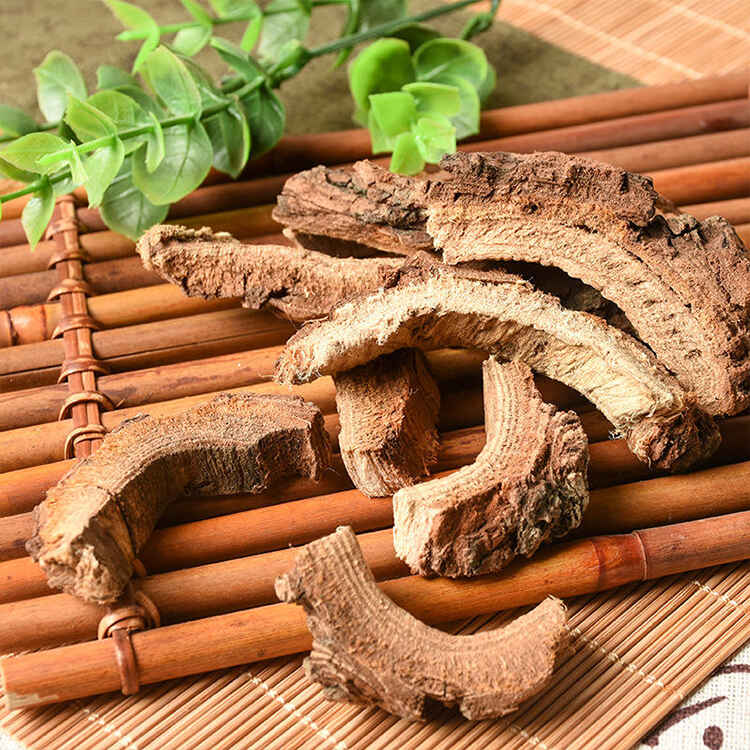
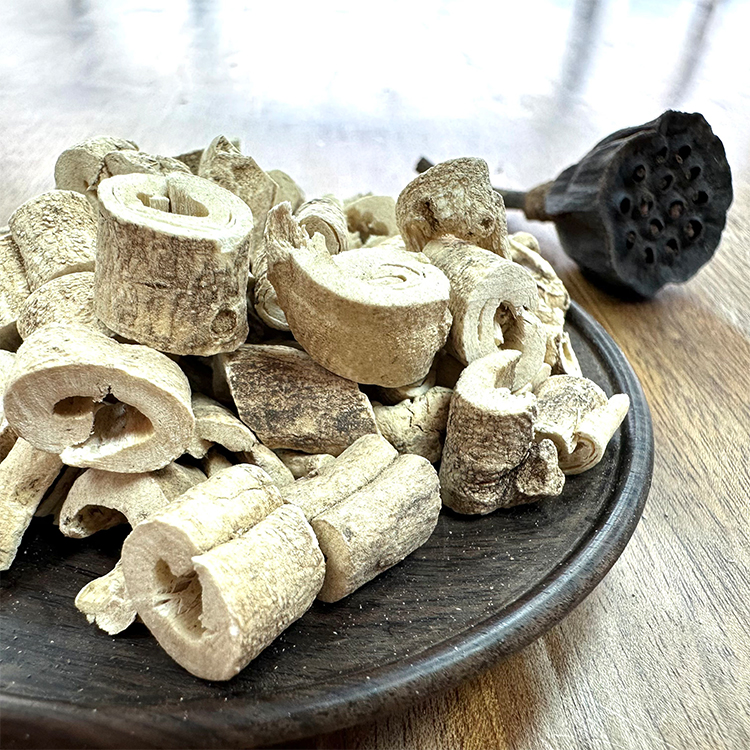
You buy bark materials for function—taste, efficacy, label truth. You dont want mystery fillers, heavy metals, or “close-enough” species. This piece keeps it practical: clear markers, fast screens, and shop-floor SOPs you can drop into your release testing. We’ll also show where GuoCao plugs in so you move faster with fewer CAPAs.
Cinnamon authentication (Ceylon vs Cassia): coumarin and aroma fingerprints
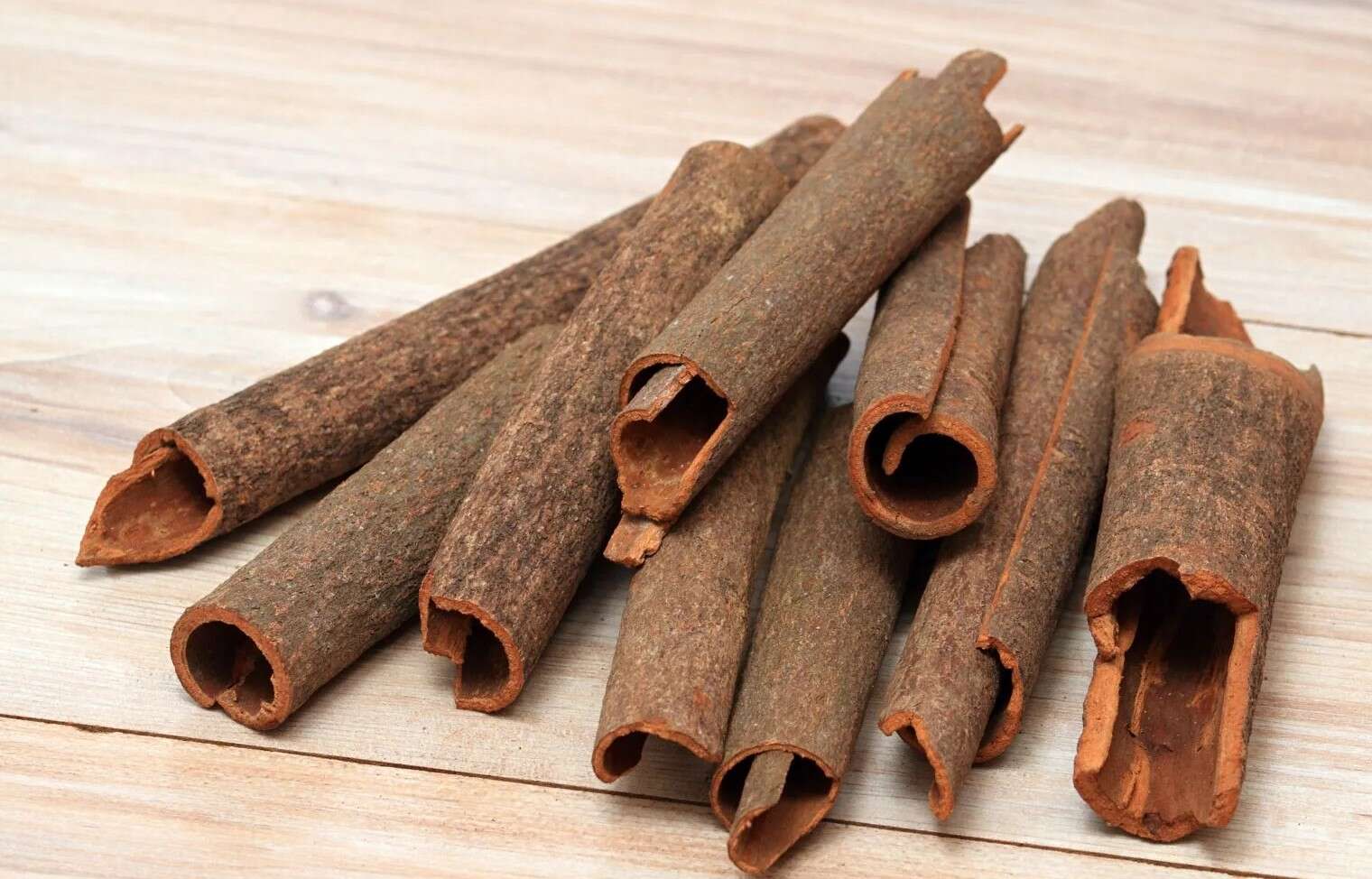
Cinnamon gets swapped. A lot. Real Ceylon tends to show trace coumarin and a different aroma profile. Cassia sits much higher in coumarin and smells heavier, spicier. That single pair—coumarin vs eugenol/benzyl-benzoate notes—lets your lab draw a line fast.
Shop-floor moves
Make coumarin screen part of ID, not an afterthought. HPTLC/HPLC both fine.
If you claim “Ceylon,” set a tight spec window: coumarin trace, aroma markers consistent.
Keep heavy-metal panels tied to cinnamon by default. Dont bolt them on later.
Why it matters
Wrong variety undercuts label trust.
Coumarin exposure has safety concerns when it runs high; you dont want that fight with QA or retailers.
Magnolia bark (Hou Po) swings in potency across origin, cut, and process. Two phenolics—honokiol and magnolol—anchor real-world standardization.
QC playbook
Quant both markers. Use HPLC-DAD or HPTLC for routine release; keep NMR or LC-MS as an orthogonal check on high-value lots.
Track lot-to-lot ratio (honokiol:magnolol). Out-of-trend (OOT) ratios flag odd sourcing or extraction.
Pin a spec range that fits your dosage form so marketing claims aren’t doing backflips later.
Pain point fixed
“Feels weak” complaints drop when dual markers live on the COA.
Willow bark standardization (Salix spp.): salicin and related salicylates
With Willow bark, the identity story equals salicin family. You align to compendial logic: define total salicin as the core assay, confirm macro/micro ID when you have intact bark, and you’re good.
QC cues
Use compendial-style HPLC for total salicin plus congeners like salicortin.
If you sell finished dose forms, keep a clean bridge from raw-material assay to label claim. No hand-waving.
Outcome
Fewer OOS headaches and cleaner claims across SKUs.
Yohimbe bark (Pausinystalia yohimbe): LC-MS truth for yohimbine
Yohimbe can be messy. Some lots show low yohimbine, others spike high. Labels drift. The only clean way through: LC-MS quant and a tidy alkaloid fingerprint.
Risk posture
Treat it as high-risk. Gate every lot with LC-MS.
Keep narrow release specs and a “no debate” rule—if chemistry says no, paperwork doesnt get a vote.
Document your skip-lot logic if you ever reduce frequency (but honestly, dont on yohimbe).
Pau d’arco (Handroanthus/Tabebuia): lapachol family + DNA assist
Common names hide multiple species. The chemistry that sticks is naphthoquinones such as lapachol and β-lapachone. Run HPLC for those, then add DNA when the matrix isn’t over-processed and tissue is intact.
Extra credit
Keep origin docs tight; inner-bark stories raise sustainability questions. Having the paper trail ready calms audits and buyer emails.
Non-targeted metabolomics and DNA barcoding: strengths and limits
Non-targeted screens (LC-HRMS or NMR) work like radar. They catch off-pattern lots and quiet attempts to “season” material to dodge simple tests. Great for triage and for raising a hand before a release goes sideways.
DNA barcoding helps with raw botanicals, but it’s not a solo gate for extracts or powders. Use it as a cross-check. Pair it with chemistry for decisions that stick.
Side-by-side risk table (quick scan for your team)
Bark (common / Latin)
Frequent risk
Primary markers (ID/strength)
Fast tests
If you miss
Control tactics
Cinnamon / Cinnamomum spp.
Cassia sold as Ceylon; pigment contamination risk
Coumarin (trace vs high) + aroma eugenol/benzyl benzoate
Tie metals to cinnamon ID; lock coumarin threshold; aroma cross-check
Magnolia bark / Magnolia officinalis
Potency swings; extract mis-spec
Honokiol + Magnolol (dual)
HPLC/HPTLC; NMR/LC-MS orthogonal
Under-performing formula; “weak” feedback
Dual-marker spec, ratio trend chart, CAPA on outliers
Willow bark / Salix spp.
Species mixing; under-standardization
Total salicin + congeners
Compendial HPLC; macro/micro ID
Efficacy variability; OOS
Align to pharmacopeial logic; document assay→claim bridge
Yohimbe / Pausinystalia yohimbe
Label/content mismatch
Yohimbine ± alkaloid profile
LC-MS/HRMS
Safety exposure risk; retailer pushback
Treat as high-risk; LC-MS every lot; narrow release spec
Pau d’arco / Handroanthus/Tabebuia
Species swaps; origin noise
Lapachol / β-lapachone
HPLC; DNA for raw
Label mismatch; sourcing questions
Chemistry + DNA + origin docs; keep traceability chain tidy
Risk-control checklist (drop-in SOP)
1) Quarantine on arrival Hold every bark lot until ID passes. For cinnamon, metals belong inside ID. For the rest, at least one targeted assay plus macro/micro if intact. Keep COA attached to the pallet, not buried in email.
2) Write real spec windows Numbers end debates. Coumarin low for Ceylon; honokiol/magnolol dual bands for Magnolia; total salicin for Willow; yohimbine tight for Yohimbe; lapachol family for Pau d’arco. If a lot falls outside, stop. No vibe-based release.
3) Use non-targeted as radar Run LC-HRMS or NMR on higher-risk lines as skip-lot checks. It’s fast triage. When profiles look weird, escalate to full workup.
4) Supplier scorecard Track deviation rate, CAPA close time, on-time COA, traceability depth. Scorecards reduce firefighting. They also help you justify preferred supplier status.
5) Label truth in plain words Say “Ceylon cinnamon,” not just “cinnamon.” Say “standardized to total salicin,” not “traditional strength.” Buyers understand. Auditors relax.
GuoCao quality system in one page (how we de-risk your day)
GuoCao is a Wholesale Chinese Medicinal Herbs and Spices Supplier with GMP decoction-piece lines, room-temp/cool/modified-atmosphere warehousing, and an ISO 22000 food-safety system. Every export lot carries third-party COA. We support OEM/ODM for private label, custom cuts, grinds, sachets, and even fungi/enzyme beverage lines. Annual capacity reaches 2,500 tons across categories. We serve pharma companies, supplement makers, hospitals, beverage brands, cosmetic raw-material buyers, and distributors across 30+ countries and regions.
We keep docs tidy so audits dont derail your calendar. Boring, yes. But boring is what passes audits and moves pallets.
Mini-cases (short, real, no drama)
Cinnamon authentication — trace vs high coumarin
Your team screens coumarin and checks aroma markers. You tag the lot as Ceylon or Cassia accordingly. Metal panel is already included for cinnamon. Release or reject—no long meeting needed.
You quantify honokiol + magnolol. You trend the ratio and compare to your window. If it’s OOT, you pull a reserve sample, run an orthogonal check, and either tighten the claim or hold the lot. Clear CAPA notes. End of story.
Willow bark — standardization equals identity
Total salicin defines strength. Macro/micro confirms the raw bark. Label language mirrors the assay. No one argues later about “traditional potency.” It’s just there.
Yohimbe — LC-MS or dont touch
You run LC-MS every time. If yohimbine misses spec, the lot doesn’t make it to blending. Simple. Safe. Retailer-friendly.
Pau d’arco — chemistry + DNA + paper
HPLC says lapachol family looks right. DNA barcoding on raw supports the species call. Origin papers line up. You sleep fine.
Identity pyramid for barks (paste into your SOP)
Layer 1: Macro/Micro Use classic morphology and microscopy when you’ve got intact bark or coarse cut. It’s fast and cheap.
Layer 2: Targeted chemistry
Cinnamon → Coumarin low vs high + aroma markers.
Magnolia → Honokiol + Magnolol (dual).
Willow → Total salicin with congeners.
Yohimbe → Yohimbine ± alkaloid profile by LC-MS.
Pau d’arco → Lapachol family.
Layer 3: Non-targeted scan NMR or LC-HRMS for anomaly find. Use it as radar, not as the judge.
Layer 4: DNA assist Use when matrix allows. Never alone for extracts or heavily processed powders.
Release rule If chemistry says no, paperwork doesnt get a vote. If anything feels off, quarantine and escalate.
Our low MOQ of 1 kg (2.2 lb) makes it easy to order Chinese herbal slices or wholesale Chinese medicine herbs. Private-label and bilingual labeling are also available.
Delivery Cycle & Support
We have a fast 7-day lead time. We provide free samples, COA reports, and technical support to help you bring high-quality bulk Chinese herbs to market.
Quality & Certifications
Our products are manufactured in a GMP-certified facility and meet ISO22000 standards. All Chinese herbs are third-party tested for heavy metals, pesticides, and microorganisms.