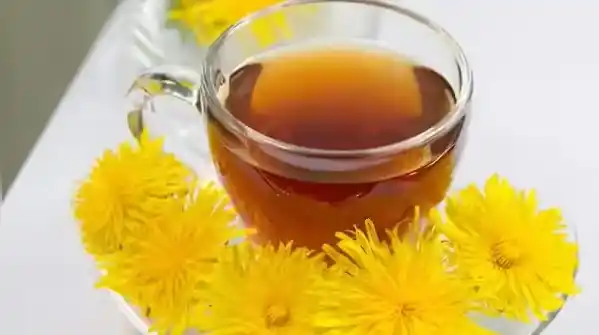
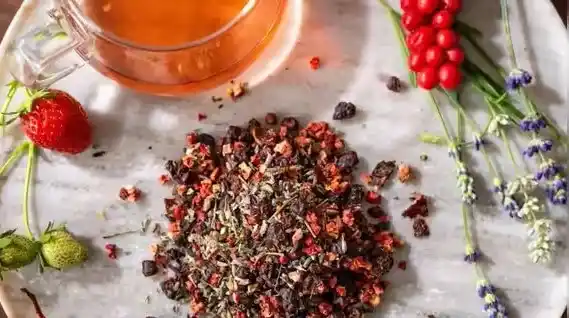
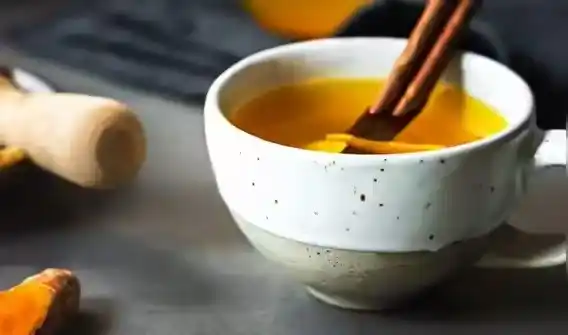
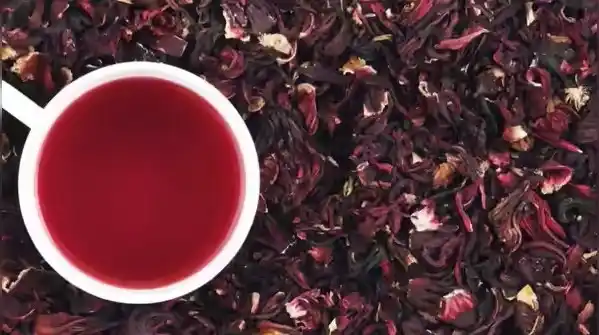
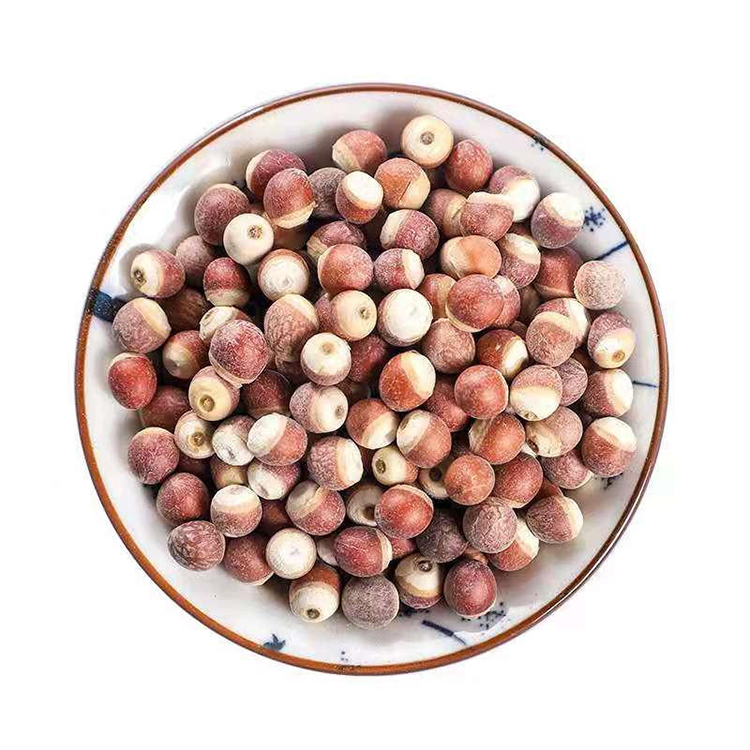
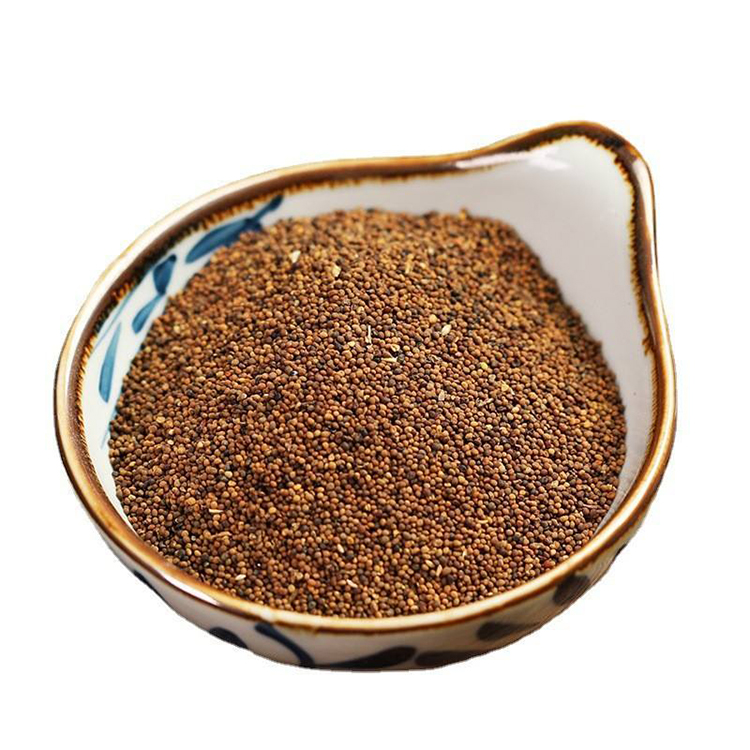
On the left: simple herbal tea bags. On the right: tiny bottles of herbal enzyme drinks.
Both promise better sleep, more energy, nicer skin, happier gut. So which one should be your first functional drink?
Let’s walk through it in clear English, bring in some real data, and also see how a manufacturer like GuoCao fits into the picture.
Herbal tea bags benefits as functional beverages
Herbal tea sounds old-school, but modern research actually pays a lot of attention to it.
Different clinical trials and reviews have reported things like:
A three-herb tea helping adults with long-term fatigue and poor sleep.
Herbal tea blends for cancer patients reducing the “always tired” feeling.
Reviews of many human trials showing herbal infusions support stress relief, anxiety management, and sleep quality for part of the population.
Long-term follow-up studies where people who drink herbal tea regularly have lower risk of heart problems and lower death rate from all causes.
This doesn’t mean herbal tea “treats” disease. It means: if you drink the right herb mix, regularly and in a reasonable dose, it probably supports your system instead of making more trouble.
Herbal tea ingredients and usage scenarios
On your own website, the Chinese herbal tea bags category already shows how flexible tea bags can be.
You offer blends like:
Energy Boost Tea – for daytime focus and mild fatigue.
Good Night Tea – for evening calm and better sleep ritual.
Gout Relief Tea – for people who care about uric acid and joint comfort.
Women’s Wellness Tea – for female cycles and general balance.
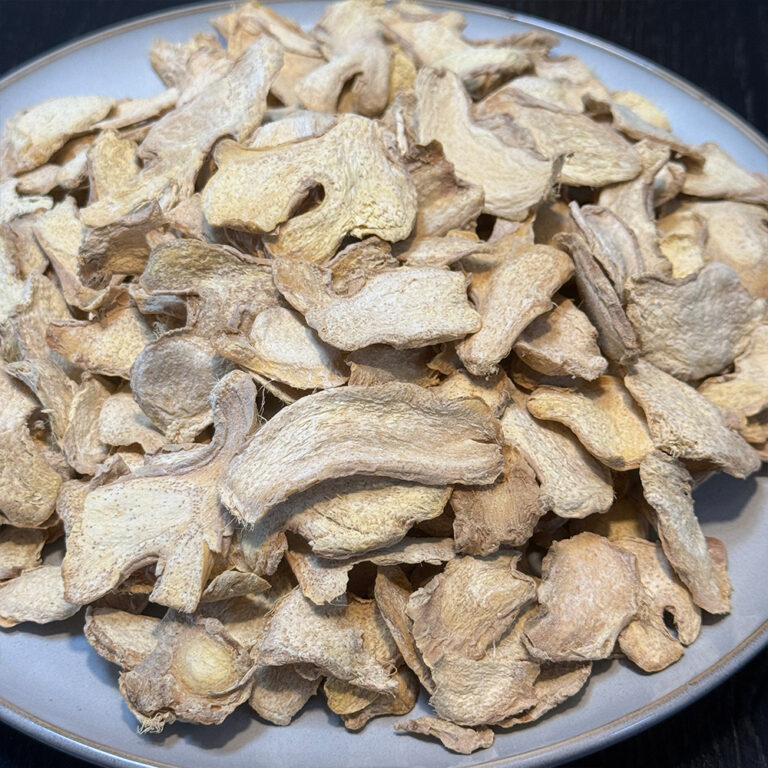
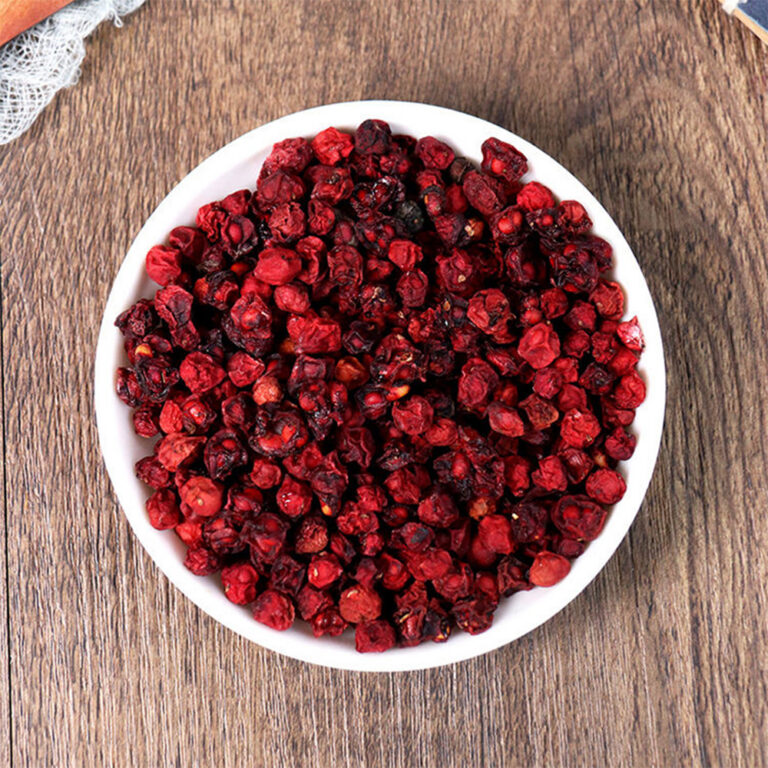
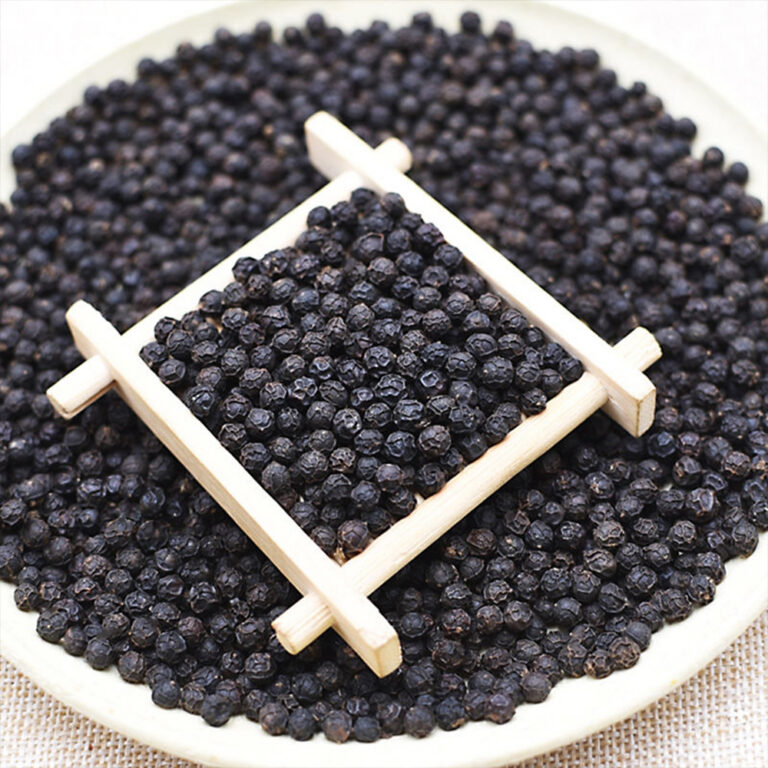
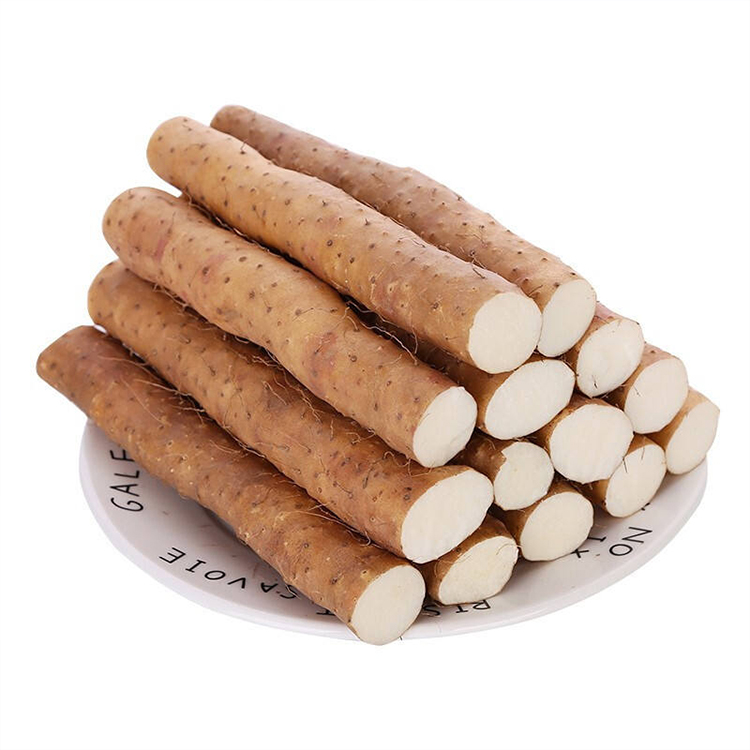
Every sachet uses sliced herbs from your main Chinese medicinal herbs & spices portfolio: roots, rhizomes, flowers, fruits and seeds, barks, even some animal or mineral materials when formula need it.
For end users the use scene is simple:
put one bag in a mug
add hot water
wait 3–5 minutes
drink, maybe 1–3 times per day depending on tolerance and label advice
You dont need gadgets, you dont need a shaker bottle. You just brew.
Why herbal tea bags are low-risk entry drinks
As a “first step” functional drink, herbal tea bags have some clear advantages:
Low calorie – pure herbal infusions are basically zero energy unless you add sugar.
Simple label – a few herb names instead of a long list of additives.
Easy to scale – for hospitals, pharmacies, retailers, it’s not scary to put herbal tea on shelf.
For you as supplier, tea bags also let you move stock quickly because the same raw herbs can serve many channels: tea, decoction pieces, health food, even cosmetic raw materials.
Herbal enzyme drinks and postbiotic herbal beverages
Now let’s talk about the shiny side: herbal enzyme drinks, sometimes called postbiotic herbal beverages.
At GuoCao, the Herbal Enzymes category includes formulas like:
Cistanche Postbiotic Fermented Drink 50 ml
Ganmai Ben Postbiotic Fermented Drink 50 ml
Gastrodia Elata Postbiotic Fermented Drink 50 ml
Job’s Tears Postbiotic Fermented Drink 50 ml
Kudzu Root Postbiotic Fermented Drink 50 ml
Each one starts from classic Chinese herbs, then goes through a fermentation process with selected lactic acid bacteria and yeast.
Herbal enzyme drink formulation and fermentation technology
In simple language, the process looks like this:
Choose herbs with a clear TCM story: Cistanche for kidney yang, Kudzu for neck and head, Job’s tears for dampness, and so on.
Add a culture of lactic acid bacteria and sometimes yeast under controlled temperature and time.
Fermentation breaks down big molecules, releases more phenolics, creates organic acids, and generates postbiotic compounds.
The final liquid is filtered, stabilised, filled into 30–50 ml bottles or sachets.
For R&D people this is a dream playground. You can:
adjust strain combination
tweak fermentation time
control pH and flavour
aim for specific use cases like “gut comfort shot”, “liver support drink”, “beauty ampoule”
The data from lab and pilot work usually show higher antioxidant activity and better phenolic profile in fermented versions compared to non-fermented ones. Of course, the human response still needs more long-term trials, but the trend is clear.
Usage scenarios for herbal enzyme drinks
The drinking scene here is different from tea:
People open a small bottle, drink one shot, sometimes chase it with water.
They use it as morning ritual, pre-bed ritual, or pre-workout support.
Many treat it like a “functional supplement you can drink”, not like normal tea.
This format targets users who already walk deeper into wellness: they know about probiotics, detox, intermittent fasting, gut-skin connection. Some people will loves the sour-sweet fermented taste, some will not.
Comparison of herbal tea bags vs herbal enzyme drinks
To make the choice easier, here’s a simple table you can reuse in brochures or product pages.
Dimension
Herbal Tea Bags
Herbal Enzyme / Postbiotic Drinks
Core concept
Dried herbs infused in hot water for daily wellness
Chinese herbs fermented with lactic acid bacteria and yeast to create a concentrated shot
Gut support, “metabolism” programs, beauty routines, quick energy or recovery shot
Evidence background
Human clinical trials and reviews for fatigue, sleep, stress, and general cardiovascular risk
Strong lab and pilot data for phenolic content, antioxidant capacity, and fermentation, fewer big human trials on final SKUs
Calories & sugar
Normally almost zero, unless user adds sweetener
Depends on recipe; some use less sugar, others still carry noticeable sugar from fermentation base
Safety focus
Herb–drug interactions, blood pressure, clotting, liver load with long-term high dose
Small alcohol traces, osmotic load, combination with adaptogens or other actives; careful for sensitive users
User barrier
Very low: just need hot water; taste is familiar
Medium: fermented flavour, “functional shot” concept, sometimes higher price point
Best first choice for most people
Yes – very suitable as first functional beverage
Better as second step once user already trusts herbal products or ferments
The data behind this table is still developing, but it already show a clear trend: herbal tea is the easier start, herbal enzyme is the deeper layer.
Herbal tea bags as the first functional beverage choice
If someone has never touched functional drinks before, herbal tea bags have three strong points.
Habit friendly People already drink hot tea or hot water. Swapping in a herbal tea bag is not a big behaviour change.
Regulation friendly Herbal teas with long traditional use fit easily into health food, OTC shop and pharmacy channels in many regions. You avoid big risk during registration.
Portfolio friendly You can quickly build a ladder of SKUs:
For GuoCao, this is exactly where the GMP Chinese herbal slices and Chinese herbal tea bags lines connect. Sliced herbs go into both decoction pieces and tea bags, so capacity utilization stays high and cost structure stays reasonable without you showing any number on website.
Herbal enzyme drinks value in advanced wellness routines
Herbal enzyme drinks play a different game.
Functional beverage deep-dive users
Your best users here are people who:
Already drink kombucha, yogurt drinks, or other ferments.
Care about gut flora, skin glow, body composition.
Follow influencers talking about “postbiotic” and “microbiome”.
For them, a “Cistanche Postbiotic Fermented Drink” is not scary at all. It’s exciting. They want the story:
classic TCM herb
precise fermentation
controlled COA for microbial and heavy metal testing
clean label, no random filler
Postbiotic herbal drink business value
From a bussiness view, fermented herbal shots solve some pain points:
High value per ml – small format, premium look, easier for gifting and e-commerce.
Channel flexibility – can go into beauty stores, wellness studios, diet clinics, not only supermarkets.
Story density – you stack “TCM tradition + modern fermentation + postbiotics” in one product, so marketing team always got something to say.
Here you really feel the benefit of GuoCao being not only a herb trader but also a manufacturer with fermentation experience. With OEM/ODM and custom Chinese herbal & spice solutions service, you skip the hardest part: strain selection, trial batch, QA setup, documentation for global markets.
Functional beverage product strategy with GuoCao
Now imagine you are a supplement brand, a functional beverage startup, or a hospital group.
You want:
consistent GMP production
ISO 22000 food safety system
normal-temperature, cool and modified-atmosphere warehouses
complete COA packages for every batch
production capacity that can handle both domestic and export orders
According to your own description, GuoCao already built this backbone and ships to more than 30 countries. That means:
one supplier can handle herbal slices, powders, tea bags, enzymes drinks
Upgrade SKUs – herbal enzyme shots with matching theme (for example, Kudzu tea + Kudzu enzyme drink).
Extension SKUs – capsules, granules, cosmetic raw materials, all built from the same herb base.
Because everything starts from Chinese medicinal herbs and spices, you reuse sourcing and documentation. You also use the GuoCao OEM/ODM workflow to handle labels, packing rules, and small localisation tweaks for each market.
From an ops view, that’s less headache, less hidden risk, and more space for brand building.
Conclusion: choosing your first functional beverage
So, herbal tea bags or herbal enzyme drinks?
If you think like a normal consumer:
you want something easy
you don’t want surprise side effects
you just need a daily drink that feels a bit healthier
then herbal tea bags are the best first functional beverage. They’re familiar, light, and backed by growing human research. Brew, sip, sleep better, work calmer.
If you already love ferments, want a strong TCM + biotech story, and like concentrated shots, then herbal enzyme drinks are your next level. They bring higher value, deeper narratives, and more room for product differentiation.
You don’t really need to choose only one forever. Most brands – and many smart consumers – use a simple path:
Start with daily herbal tea. When the habit feels stable, add herbal enzyme shots on top.
And if you’re building this whole line for your customers, a partner like GuoCao, with full herb supply plus OEM/ODM for both tea bags and enzyme drinks, makes that roadmap much easier to execute in real world envrionment.
Our low MOQ of 1 kg (2.2 lb) makes it easy to order Chinese herbal slices or wholesale Chinese medicine herbs. Private-label and bilingual labeling are also available.
Delivery Cycle & Support
We have a fast 7-day lead time. We provide free samples, COA reports, and technical support to help you bring high-quality bulk Chinese herbs to market.
Quality & Certifications
Our products are manufactured in a GMP-certified facility and meet ISO22000 standards. All Chinese herbs are third-party tested for heavy metals, pesticides, and microorganisms.