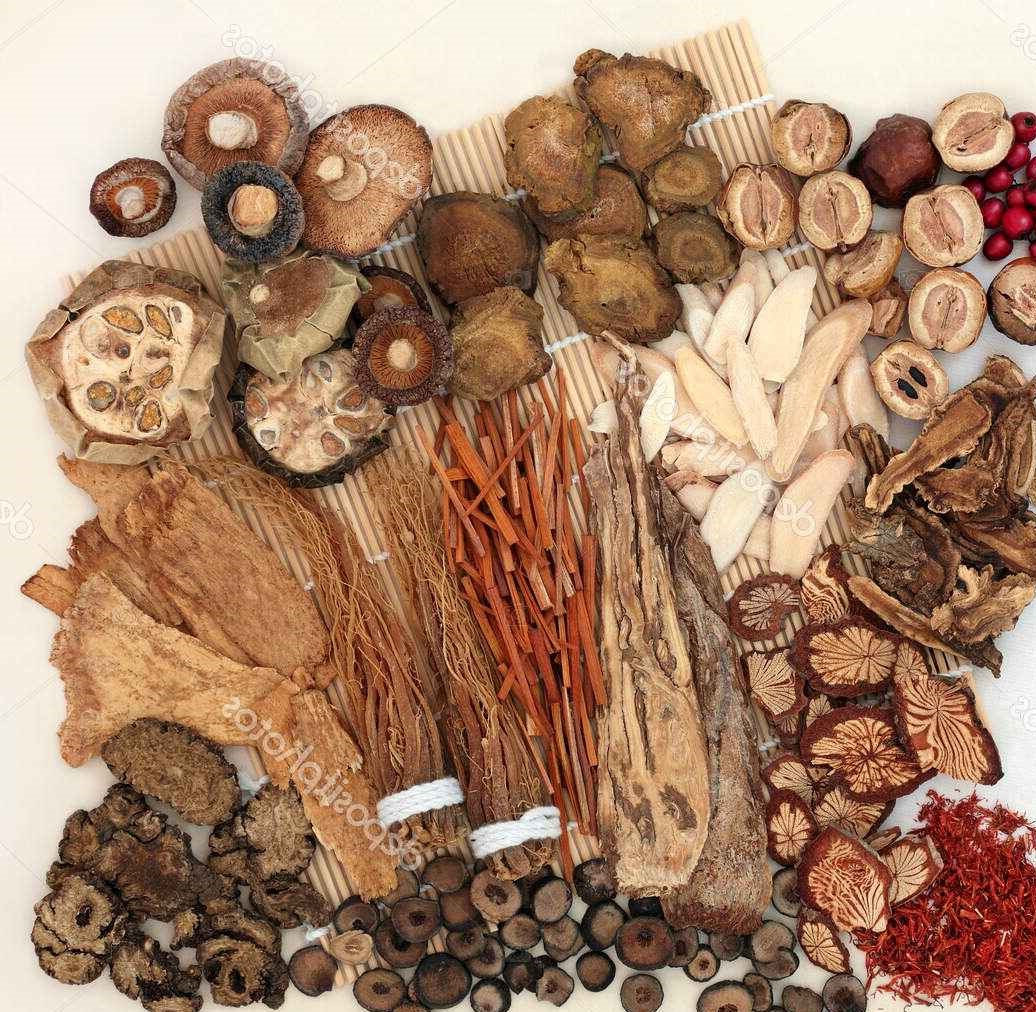
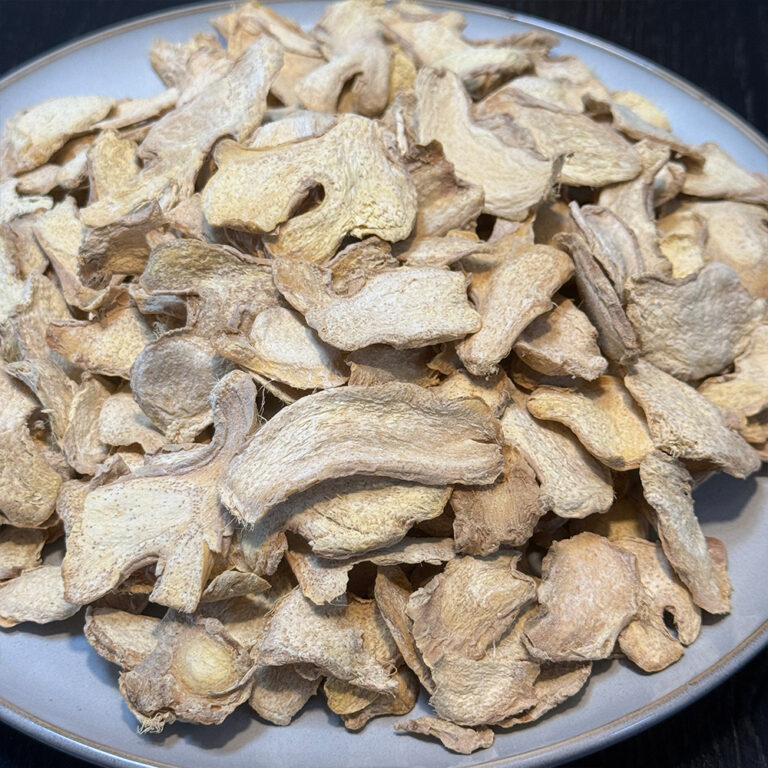
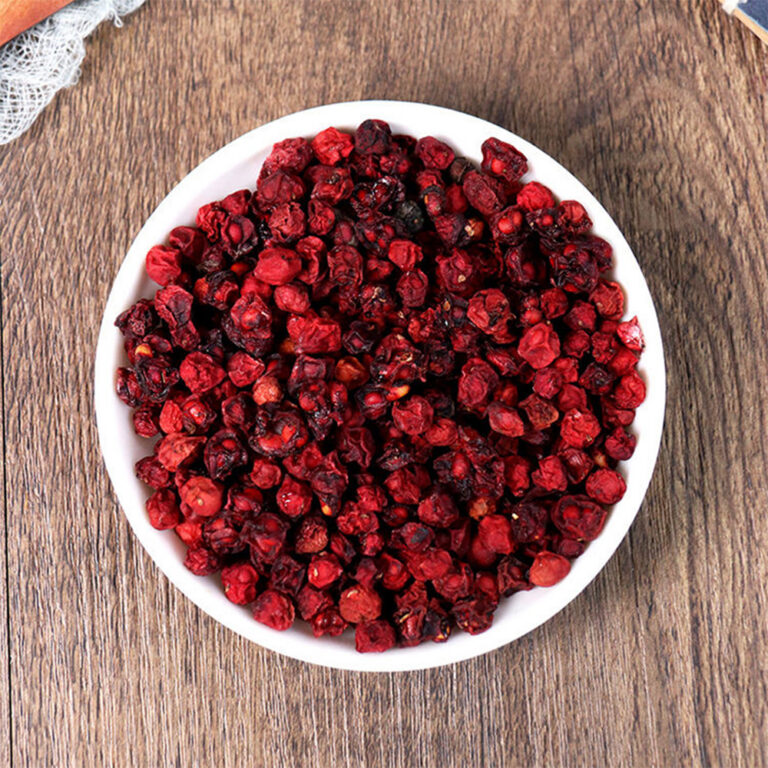
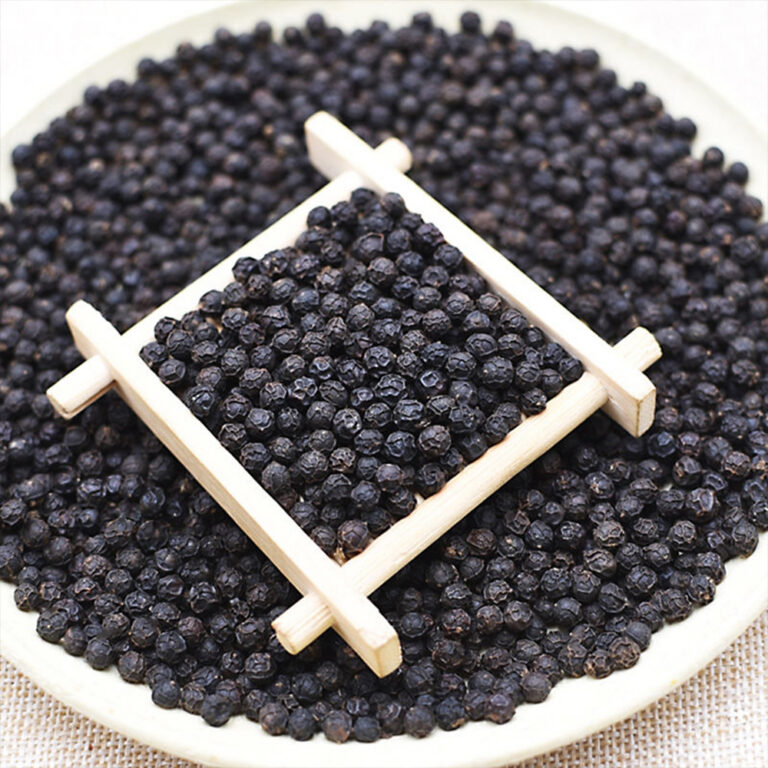
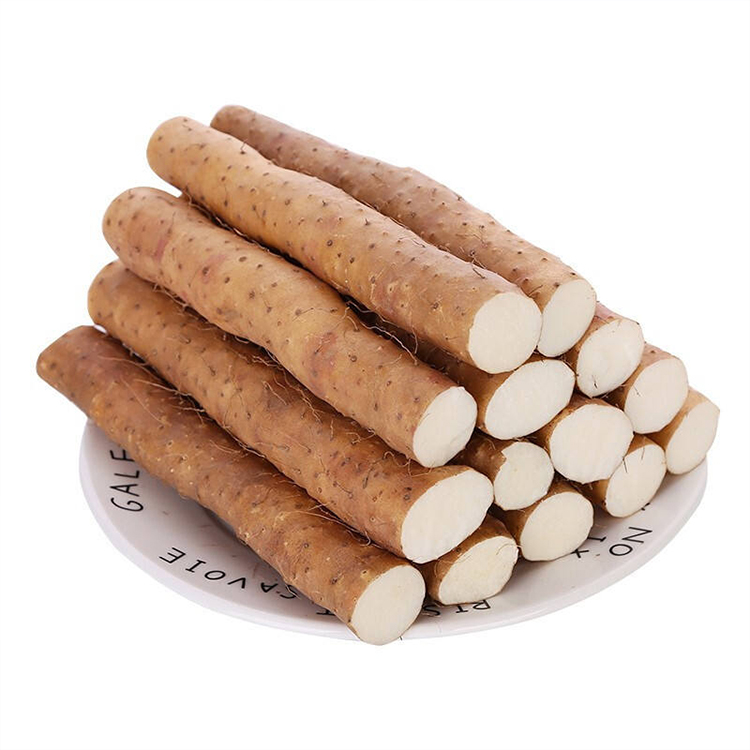
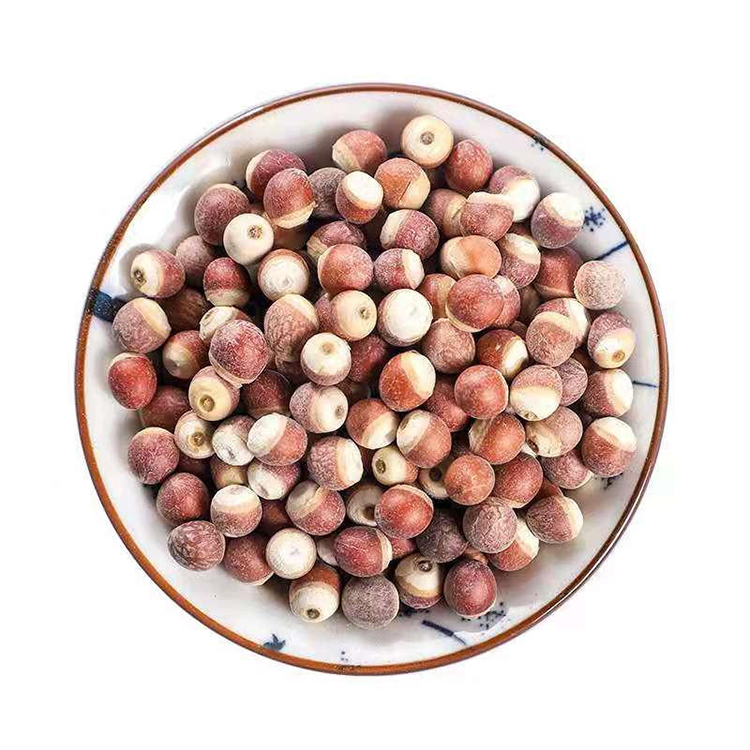
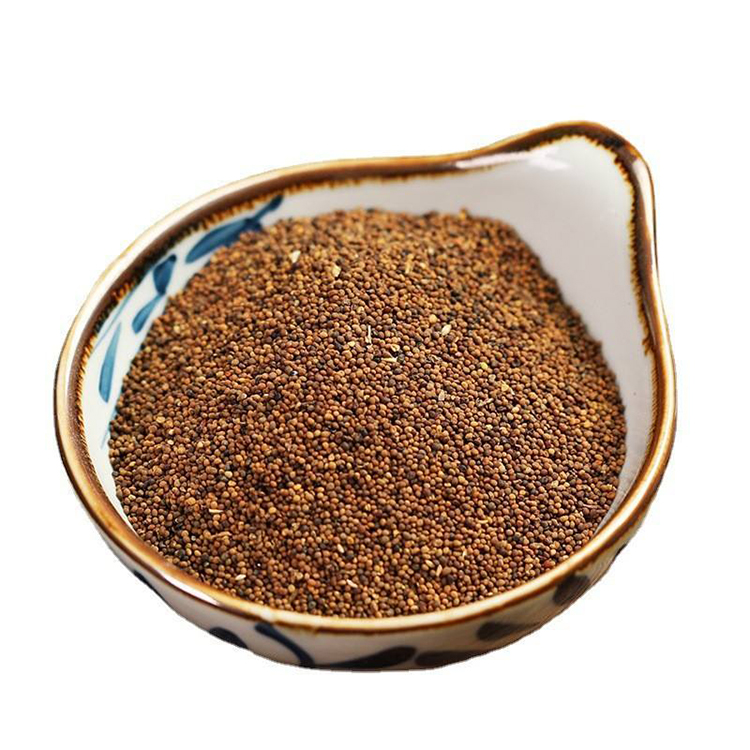
You buy herbs by the ton. You need them clean, consistent, and compliant. Not a lecture—just what works on the floor. Below is a practical playbook you can hand to Ops, QA, and Procurement. It folds global standards into real processing steps, adds shop-floor jargon (mesh, TBC cut, kill-step, BPR/MMR, hold-release), and shows where the business value lands. We’ll also point to real product use-cases from GuoCao’s Dried Spices line so the talk stays grounded.
GACP and raw material control (good agricultural & collection practice)
Core point: If identity and cleanliness are wrong at the gate, nothing downstream saves it. What to do:
Lock in botanical identity and plant part. No “close enough.”
Require field records: harvest date, drying method, pre-cleaning notes.
Document in BPR (Batch Production Record). Tie to your MMR (Master Manufacturing Record).
Why it matters: Lower risk of adulteration; fewer holds later; smoother CAPA when something goes sideways.
Related scenarios (Dried Spices):
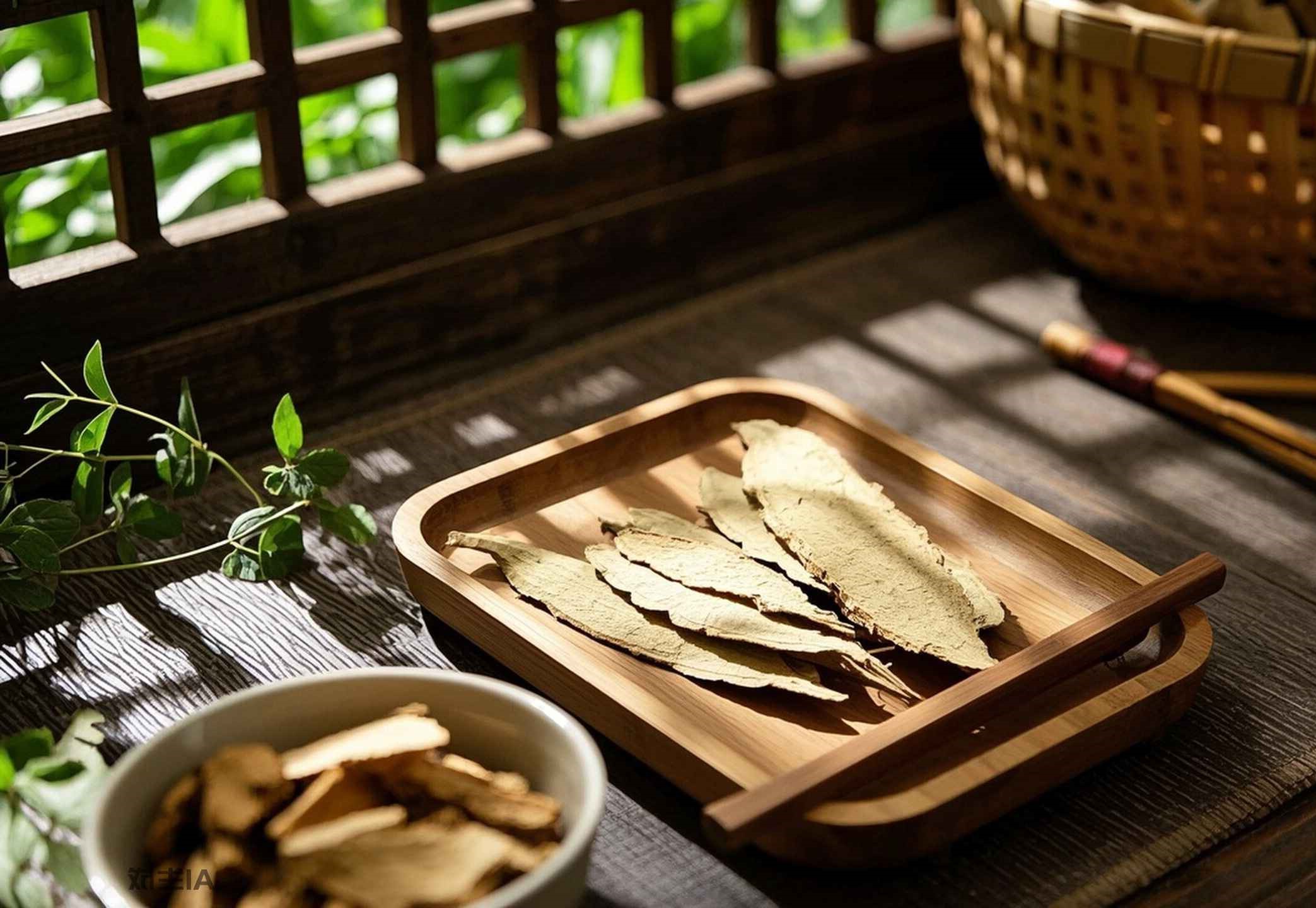
Bay leaf lots vary by leaf age and drying. Keep mesh/cut consistent before milling. See our bay leaf spec anchor: Bay Leaf (Xiang Ye).
Nutmeg is oil-rich. Moisture + heat = caking. Plan storage first: Nutmeg (Rou Kou).
cGMP (21 CFR 111) and ISO 22000 process control
Core point: Process controls or it didn’t happen. What to build:
MMR/BPR framework; change control; deviation + CAPA; hold & release.
Zoning: raw (non-RTE) vs post-kill RTE areas, color-coded tools.
Cleaning validation on mills, sifters, blenders.
Supplier approval and periodic re-qual.
COA verification with retain samples.
GuoCao context: We run GMP slicing lines, ISO 22000 food safety system, and third-party COA capability. Temperature-controlled, cool, and modified-atmosphere warehouses keep herbs stable before and after kill-step.
Identity testing and authenticity (macro, micro, chemical, DNA)
Tsaoko (Amomum tsao-ko)—big pods, fibrous. Pre-cut before fine mill: Tsaoko.
Microbial reduction (steam pasteurization, irradiation, chemical fumigation)
Core point: Pick a kill-step that your market accepts and your product tolerates. Validate it.
Decontamination methods comparison
Method
Typical fit
Flavor/color impact
Organic acceptance
Validation focus
Notes
Steam pasteurization (vacuum/saturated)
Herbs & spices; broad use
Medium, tune T×t and a_w
Usually yes (check cert)
Lethality (log-reduction), probe temp, dwell time, re-dry
Industry workhorse; keep aroma loss in check with short cycles
Irradiation
Heat-sensitive loads
Low-medium sensory shift
Often not allowed
Dose mapping, shielding, labeling
Market acceptance varies; confirm label rules
Chemical fumigation (e.g., EtO/PO)
Special cases
Potential residues & off-notes
Typically no for organic
Residuals, aeration, exposure time
Many customers decline; always check spec
How we run it: GuoCao applies steam kill-steps as primary, then quick re-dry and cool-down to lock quality. Every cycle ties back to a validation report and environmental monitoring trend. Not perfect English here, but you get it—proof beats promises.
Contaminants, mycotoxins, and heavy metals (USP <561> thinking)
Core point: “Generic” tests are not generic in impact. They decide release.
Release panel, simplified:
Foreign matter / extraneous material
Loss on drying / water activity
Ash / acid-insoluble ash
Mycotoxins (e.g., aflatoxins within pharmacopeial or buyer limits)
Pesticide residues (per market)
Heavy metals (Pb, Cd, Hg, As)
Micro: APC/TPC, Salmonella absent in n g, E. coli as spec’d
Business note: Tight generic controls reduce recalls. Less firefighting, lower “hidden cost” per kg. We won’t do exact cost math here, but Procurement will feel it.
Packaging, labeling, and stability (warehouse matters)
Core point: Post-kill area is RTE (ready-to-eat hygiene mindset). Treat it like that.
Do this:
Food-grade liners, quick pack after milling; avoid moisture pickup.
Modified-atmosphere or nitrogen flush for aroma-rich spices.
FEFO (first-expired, first-out) in WMS.
Storage by temperature bands: ambient, cool room, or chill—as the oil load demands.
GuoCao setup: ambient / cool / MA rooms, plus monitored humidity. Fewer caking complaints, better brew clarity for TBC cuts.
Documentation, traceability, and COA credibility
Core point: If QA can’t trace it in 10 minutes, Ops will lose a day.
Pack the file:
BPR with parameters, signatures, deviations, yields.
Cleaning logs with ATP or residual markers.
Calibration for balances, thermometers, metal detectors.
COA cross-check to spec; keep retains at defined conditions.
GuoCao angle: Third-party COA and in-house confirmation for faster release. When your customer audits, we put the files on the table—done.
Use-case: bay leaf TBC for foodservice stocks. Check our bay leaf reference again: Bay Leaf.
Pain point 3: Metal detector false rejects
Root cause: high salt/oil load; product effect not tuned.
Fix: set phase angle correctly, test cards each shift; add magnets pre-blend.
Pain point 4: Lots fail moisture in rainy season
Root cause: inbound drying not finished; bags breathe.
Fix: pre-condition in dehumid room; slow ramp drying; switch to MA storage.
Where GuoCao fits (OEM/ODM, capacity, compliance)
We’re not shy here. GuoCao runs GMP Chinese herbal slicing lines with ISO 22000 and robust COA workflows. Annual throughput about 2,500 tons across herbs and spices. We support OEM/ODM: custom cuts (TBC, sliced, coarse/fine powders), private-label packs, blend development, even enzyme-based functional drinks lines now in production. Ship to 30+ regions: the U.S., Europe, Australia, Japan, Korea, Canada, Malaysia, the Philippines, and more. Documents? All set for global entry where allowed.
Want to inspect the Dried Spices line? Start here:
(Yes, a couple links repeat by design—easy access from multiple spots. It’s ok.)
QA/Regulatory keywords you should actually put in your SOPs
21 CFR 111 (dietary supplement cGMP)
ISO 22000 (food safety)
GACP (upstream farming/collection)
HPTLC/HPLC (chemical identity/fingerprint)
DNA barcoding (identity adjunct)
Aflatoxins (mycotoxin control)
ICP-MS (heavy metals)
Kill-step validation (steam pasteurization)
RTE zoning (post-kill hygiene)
Hold & release (QMS discipline)
MMR/BPR (documentation spine)
Drop these into your work instructions; auditors expect to see them, and your team knows what they mean on shift.
Commercial value: why this matters beyond compliance
Fewer non-conformances → less rework and fewer stock holds.
Higher sensory consistency → fewer customer downgrades on spice notes.
Faster release with clean BPR and strong COAs → shorter cash cycles.
Market access (organic, premium markets) when your kill-step and contaminants profile meet stricter specs.
OEM/ODM options → you sell formats your customer actually needs: TBC for tea, coarse cut for extraction, fine mesh for capsules—no extra handling on their side.
Small grammar bit here: we do things simple, not fancy. It reads human.
Quick implementation roadmap (90-day sprint, keep it lean)
Week 1–2: Audit incoming GACP docs; align identity tests; set mesh/TBC targets per SKU.
Week 3–5: Validate steam cycle on three high-volume items; write kill-step SOP; train.
Bulk herb processing isn’t about heroics. It’s about repeatable controls wired to sensory and safety outcomes. You want mesh right, microbes down, COA clean, and records that stand up to audits. That’s what we do at GuoCao—with GMP lines, ISO 22000, validated kill-steps, and global shipment coverage. If you need OEM/ODM for Dried Spices or classic Chinese herbs, or you’re tired of chasing brew haze and aroma loss, let’s make a spec and run a pilot. Then scale.
Our low MOQ of 1 kg (2.2 lb) makes it easy to order Chinese herbal slices or wholesale Chinese medicine herbs. Private-label and bilingual labeling are also available.
Delivery Cycle & Support
We have a fast 7-day lead time. We provide free samples, COA reports, and technical support to help you bring high-quality bulk Chinese herbs to market.
Quality & Certifications
Our products are manufactured in a GMP-certified facility and meet ISO22000 standards. All Chinese herbs are third-party tested for heavy metals, pesticides, and microorganisms.