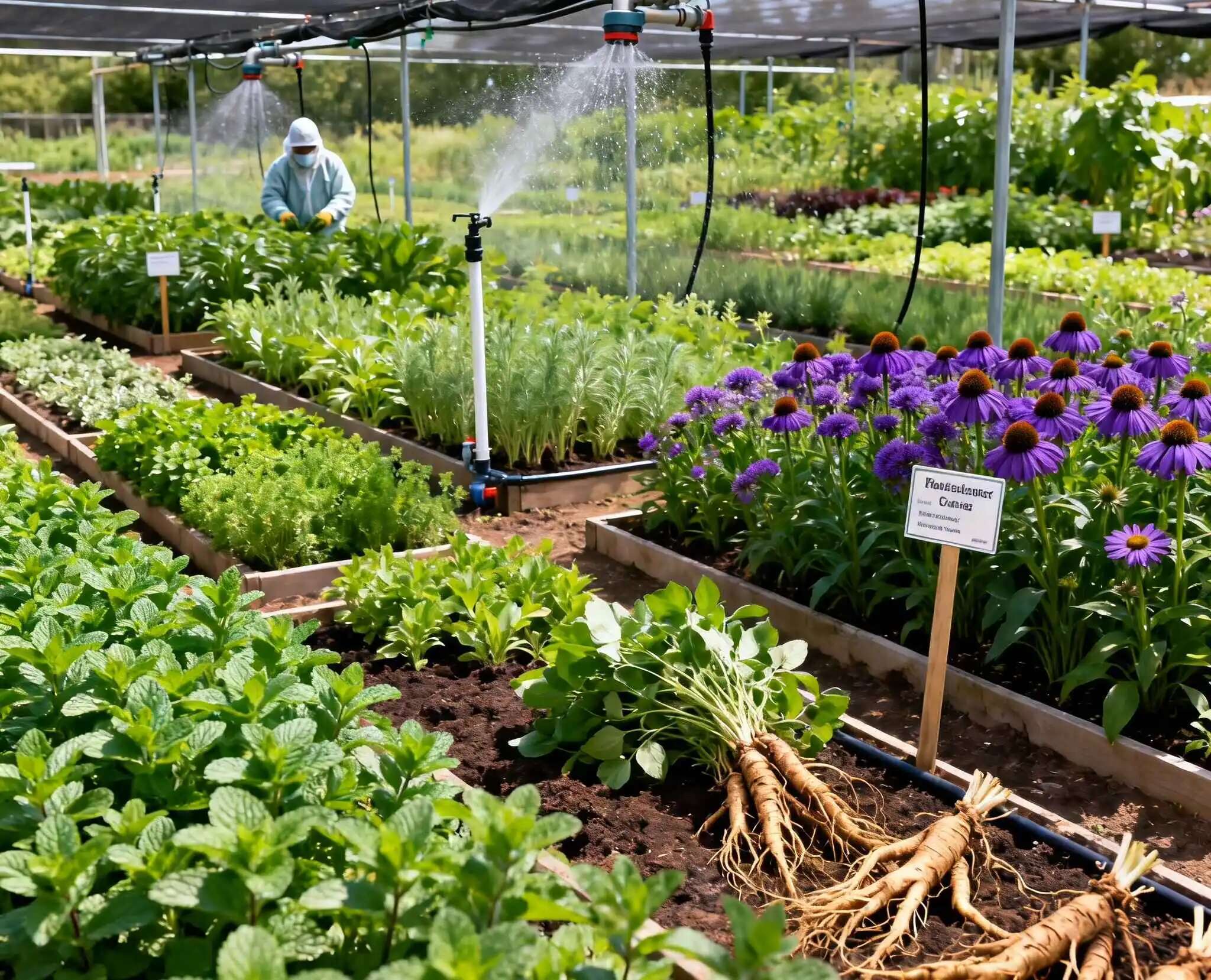
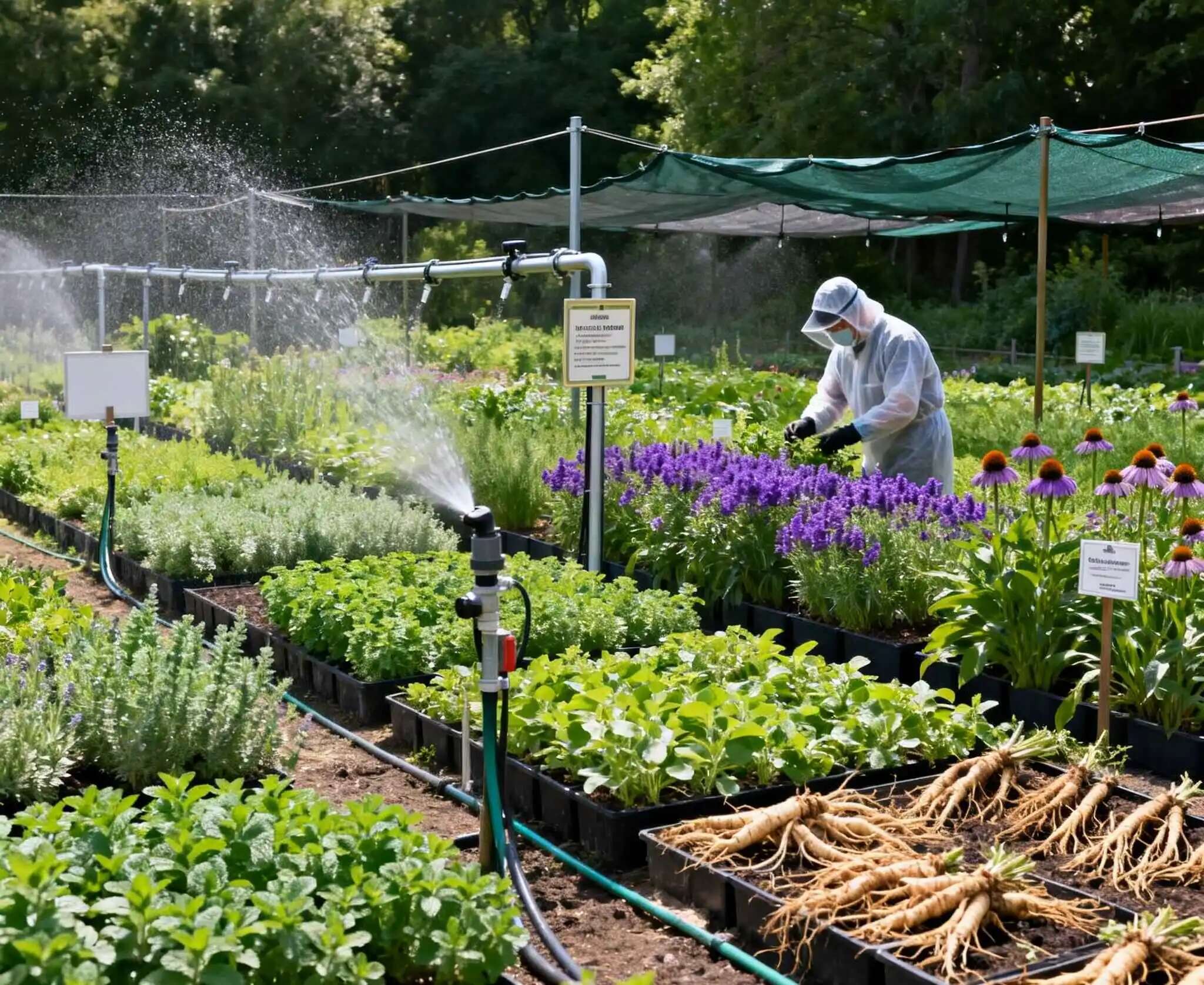
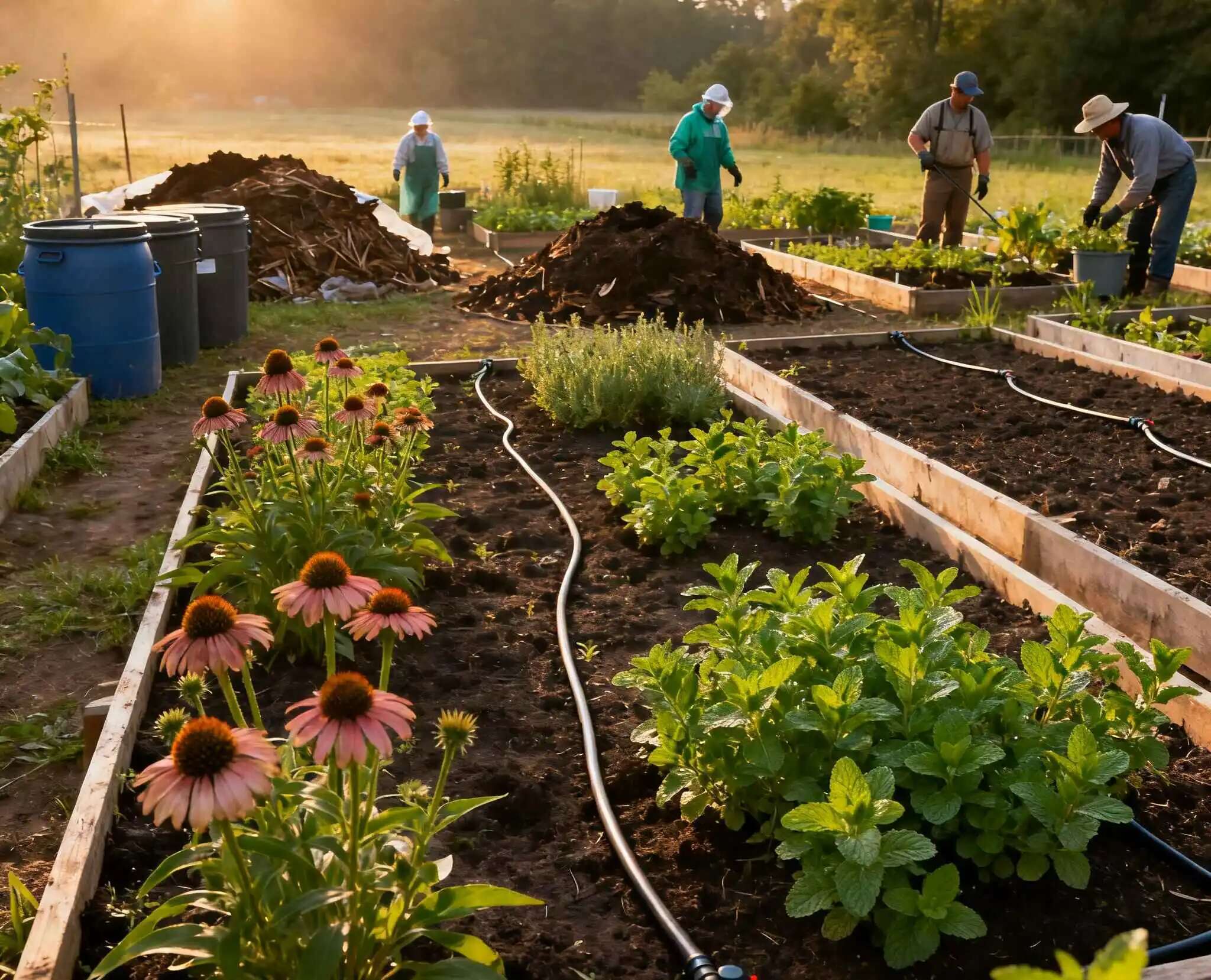
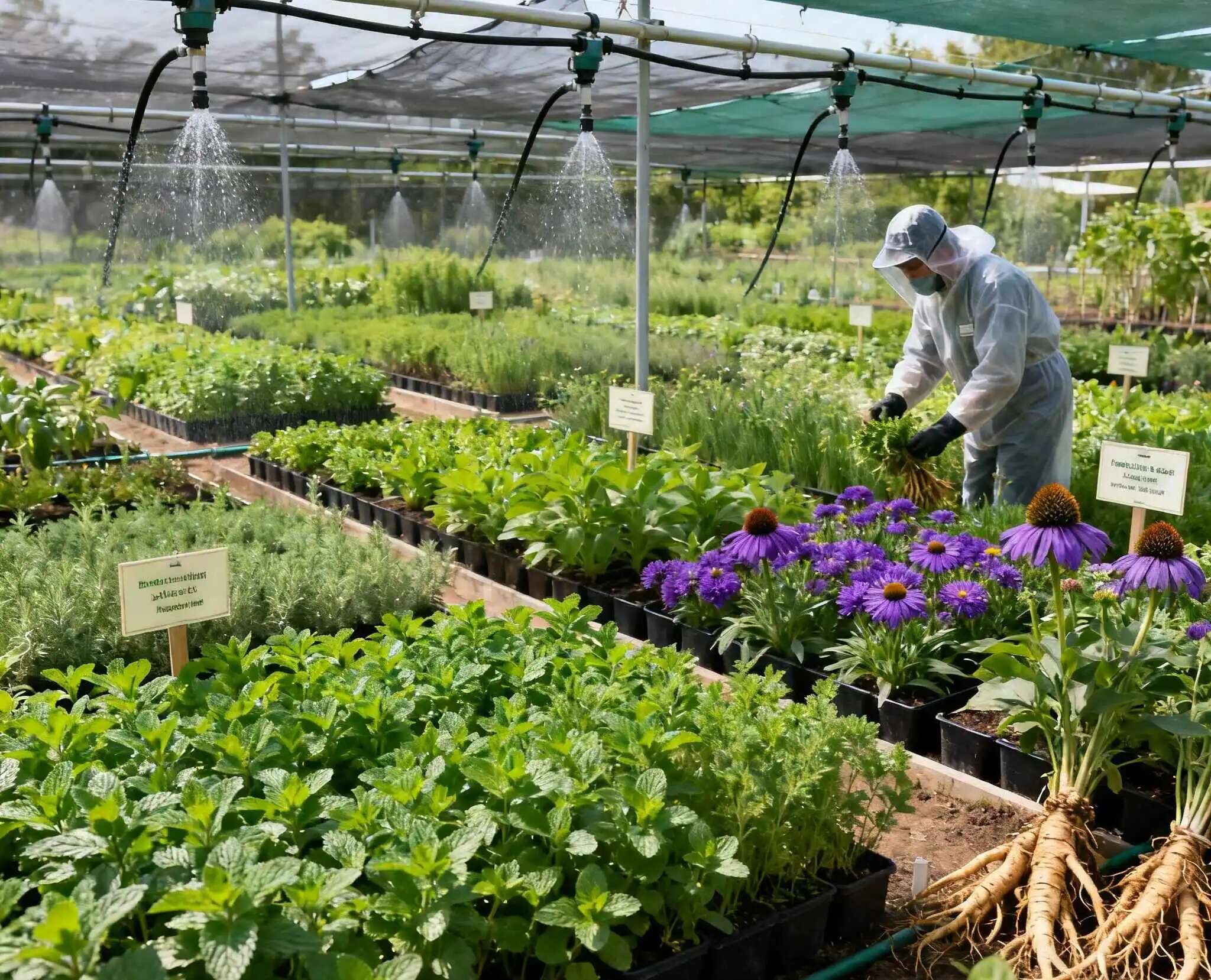
You want clean herbs, steady quality, and COAs that pass first time. Good Agricultural and Collection Practices (GACP) is the farm-side playbook that makes it happen. Think simple: right plant, clean field, legal sprays, fast and hygienic post-harvest, tight records. Do that, your lots move through QC, not into QC hold. Do that, import checks go smooth, not sticky.
Below is a practical, buyer-friendly run-through with real-world checkpoints, “shop-floor slang,” and a couple of tables you can lift into SOPs. I’ll also show how GuoCao connects farm to factory—GMP production, ISO 22000 food-safety system, third-party COA testing, OEM/ODM—so you can scale without chaos.
Good Agricultural and Collection Practices (GACP) — Scope and Rationale
GACP governs cultivation, wild collection, and primary processing (rinsing, sorting, cutting, drying, basic packing). The goal is dead simple: identity, consistency, traceability, sustainability. Keep species correct. Keep dirt and microbes down. Keep records that actually let you trace a batch.
On the ground, GACP means you:
Lock the botanical identity with a voucher specimen.
Keep spray records and honor PHI (pre-harvest interval).
Cool and dry harvested herbs fast, on clean contact surfaces.
Use batch IDs from field to bag to truck, and store retain samples.
When you hand off to processing plants, you’re already half way to release spec.
Pesticide Pre-Harvest Interval (PHI) Compliance and Residue Control
This kills or saves shipments. Use only actives allowed in the destination market. Set a white-list for each market. Train the sprayer, not “someone available.” Log product name, field, block, date, and applicator. Tie PHI into your harvest plan so you don’t cut early “just because the truck is here.” Miss PHI, and MRL trouble finds you fast.
Field trick: a visible PHI calendar at the shed door. No calendar tick, no harvest. It’s boring. It works.
Post-Harvest Handling of Medicinal Herbs: Drying, Sanitation, Microbial Limits
Most problems start after you pick. Piles sit. Heat builds. Micro counts climb. Keep it short and sweet:
Unload now, not later.
Cool and thin-layer. Don’t suffocate the pile.
Clean contact surfaces. Racks, tarps, bins—make them spotless.
Dry to a clear moisture endpoint. Not “looks dry,” but dry.
Early packaging. Closed bags beat insects and airborne dust.
This isn’t fancy science—just fast, cool, dry, every time. If you run indoor or greenhouse grows, manage RH, airflow, and clean heat. No smoke anywhere near the drying path.
Traceability, Batch Records, Voucher Specimen, and Retains
Auditors and buyers want to trace. Give them a single Lot ID that follows the material from field to pallet. Keep retain samples for each lot; keep them as long as you keep the lot records. Create a voucher specimen set for each species, properly labeled and stored. If a chromatogram looks odd, you can trace to date, plot, team, and fix the source with a CAPA (Corrective and Preventive Action), not guesswork.
Indoor or greenhouse? Then your GACP also rides on HVAC, filtration, humidity, light regime, irrigation water quality, and cleaning validation. Set ranges you can hold. Log them daily. Keep your filters, fans, and drains on a cleaning cadence. If the room stays too damp, you’ll see mold risks and you’ll chase them forever. Keep it dry-ish, clean, and well-ventilated. Simple, not fancy.
Pyrrolizidine Alkaloids (PAs): toxic weeds riding along with your herbs. Fix: edge-weeding and early removal; don’t compost on-site; keep off the field. Train harvesters to spot and reject.
Polycyclic Aromatic Hydrocarbons (PAHs): smoke contamination from drying with dirty heat or open flame. Fix: clean, indirect heat and good airflow; no smoke, no soot.
If your COA shows weird spikes, check field edges first, then drying heat sources.
GACP–GMP Interface (Annex 7, GMP Part II) — Who Owns What
GACP covers the farm and the early steps: grow → harvest → rinse/sort → cut → dry → basic pack. When you move into extract steps, sterilization, blending with excipients, or pharma-style controls, that’s GMP. Don’t blur it. Write a handover SOP: acceptance criteria, sealing, labels, shipping conditions, and who signs. Make the border clear so QA doesn’t argue later.
Practical GACP Checklist (use on the farm)
GACP practice
Why it matters
What to check
Where it applies
Field sanitation & clean contact surfaces
Lower micro load and foreign matter
No wood splinters; clean racks; pest logs; wash station hygiene
“Lot ID from field to pallet; retain samples on shelf.”
Lot card, retain jars, label photos
“COA-ready delivery from GuoCao.”
“GMP + ISO 22000 + third-party COAs each batch.”
Certificates page + a sample COA (sensitive lines hidden)
How GuoCao Fits Your Chain (OEM/ODM, ISO 22000, COAs, global shipping)
GuoCao is a global manufacturer of Chinese medicinal herbs and spices with GMP production lines, ISO 22000 food-safety management, and independent third-party COA testing. We support OEM/ODM—formula tweaks, slice thickness, grind levels, bilingual labels—and we ship worldwide with full paperwork. If you need a single partner that speaks farm and factory, that’s us.
Our low MOQ of 1 kg (2.2 lb) makes it easy to order Chinese herbal slices or wholesale Chinese medicine herbs. Private-label and bilingual labeling are also available.
Delivery Cycle & Support
We have a fast 7-day lead time. We provide free samples, COA reports, and technical support to help you bring high-quality bulk Chinese herbs to market.
Quality & Certifications
Our products are manufactured in a GMP-certified facility and meet ISO22000 standards. All Chinese herbs are third-party tested for heavy metals, pesticides, and microorganisms.