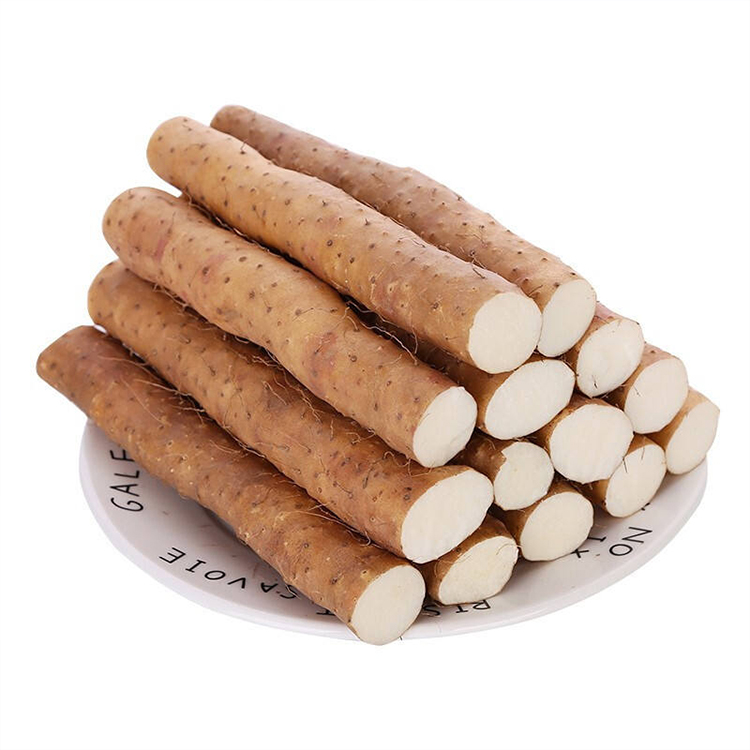
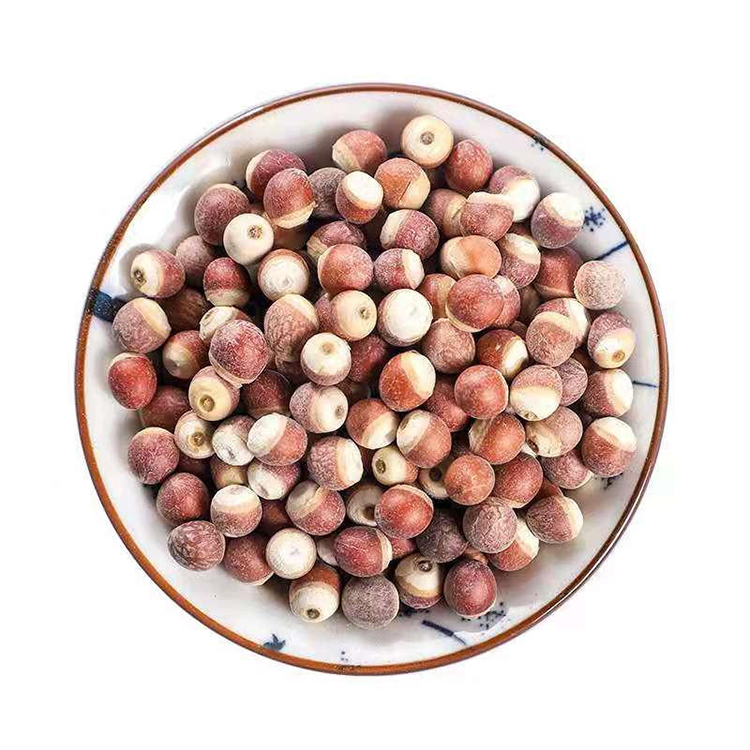
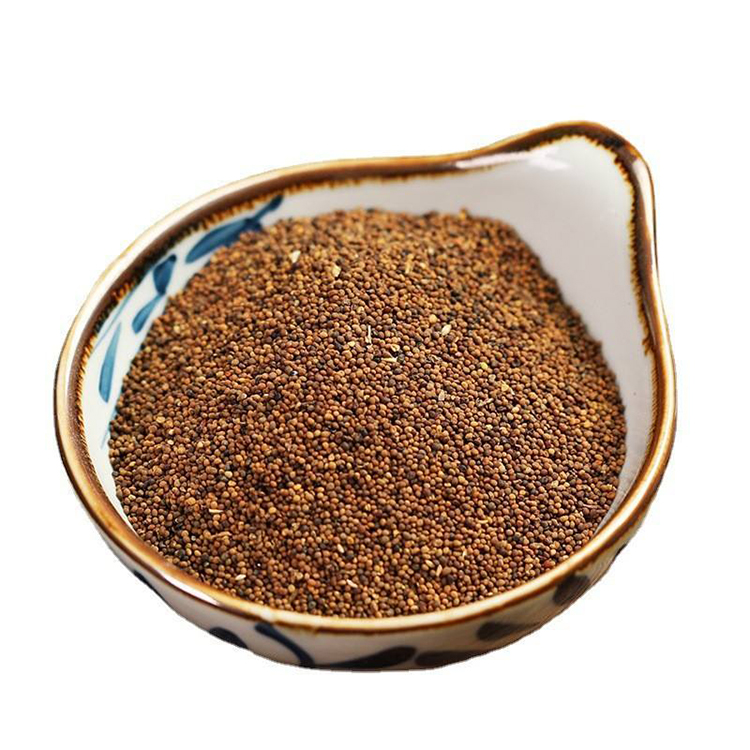
You’re choosing between Slice, Tea-Cut/Cut & Sifted (C/S), and Powder. Short answer: pick the form that fits your scenario. Finer grind extracts faster but stores worse. Bigger pieces hold aroma longer but need more time and heat. That’s the whole game.
Below I’ll keep it plain, a bit chatty, and very hands-on. You’ll see concrete headings with accurate keywords, two quick tables, and real-world use cases. I’ll also sprinkle in industry lingo—C/S, TBC, mesh, COA, GMP—so you can talk to suppliers without back-and-forth. And yes, I’ll naturally weave in GuoCao because you likely want a partner who can do all three forms at scale.
Slice (Decoction Pieces), Tea-Cut / Cut & Sifted (C/S), Powder — which one to buy?
Think by purpose first, not by habit.
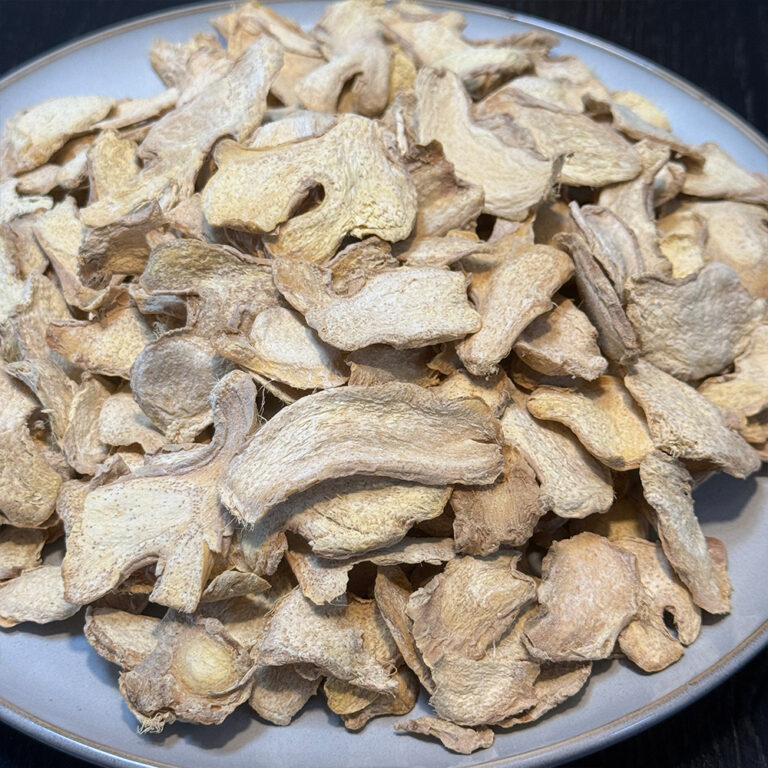
Slice (Decoction Pieces): You want clean flavor, visible quality, and longer shelf life. Slices shine in slow simmer, clinic decoctions, pharmacy dispensing, and anywhere you need batch-to-batch visual checks. If you do TCM decoctions or long steeps, slices keep structure and stand heat well.
Tea-Cut / Cut & Sifted (C/S): You need speed and clarity. C/S is the “sweet spot” for daily brews, teabags, and short simmer. Pieces are uniform, easy to dose, and easy to QC by eye. Also friendly for co-packing lines because it flows nice.
Powder (Fine Grind): You need extraction now. Capsules, sachets, instant drinks, topical masks—powder keeps dosage tight and dissolves/dispenses fast. Trade-off: it oxidizes quicker, so store tight, cool, dry. Use fresh production runs whenever you can.
If you sell across categories, offer two forms: a Tea-Cut for taste and convenience; a Powder for performance and precise dosing. Slices remain your long-term backbone for pharmacy use and classic decoction.
Tiny rule of thumb: the finer the grind, the faster the cup—and the shorter the shelf. It ain’t rocket-science, but it matters.
Particle Size (Mesh) & Extraction Speed
We talk mesh because it maps to particle size and filter choice.
Tea-Cut / C/S: commonly in a coarse window (think “teabag-friendly” pieces). Good balance: flavor comes out fast but liquor stays clean.
TBC (Tea Bag Cut): a touch finer than standard C/S for speed brews and pyramid bags.
Powder: goes from fine to ultra-fine depending on your product spec; faster release, more surface exposure.
You’ll hear buyers say “What mesh?” or “What’s the cut?”. Don’t freeze. Ask for the supplier’s cut window and sieve profile. If you need both flavor and clarity, aim C/S; if you do instant formats, go powder; if you run a decoction bar, stay with slice.
Table 1 — Three Forms Compared (keywords: slice, tea-cut, powder, mesh, shelf life)
Pro tip: If a client says “muddy cup,” you likely used a grind too fine for their filter. Move up to C/S or spec a tighter filter paper. If they say “weak cup,” either increase contact time or step down one size.
Storage lives and dies on oxygen, moisture, light, heat.
Powder: highest surface area, so it loses aroma and actives faster. Use tight barriers (foil pouches, jars with liners), nitrogen-flushed if possible, and set shorter pull dates.
Tea-Cut / C/S: more forgiving; keep dry and opaque, and you’re fine.
Slice: typically the most stable in clean, dry, cool conditions. Easy to spot oxidation or foreign matter by eye.
QA routine that works (and yes, simple): write batch, open date, and FIFO it. If a bag sits, you move it first. This stuff matter.
Quality Control Essentials (keywords: GMP, ISO 22000, COA, traceability)
You don’t just buy herb; you buy process.
Look for GMP lines, ISO 22000 food-safety systems, and third-party COA. Ask for heavy metals, pesticide residues, microbial counts.
Check batch code, origin, cut/grind, lot traceability, and moisture control.
For C/S and powder, ask the factory to share a sieve breakdown (even a simple one helps purchasing).
GuoCao manufactures under GMP with ISO 22000 and third-party COA—and we keep full traceability from base raw herb through slicing and milling to packed goods. If you need the paperwork (you do), we ship it with the goods. (See the credentials and program language on our site.) chineseherbalslices.com+1
Logistics: lead time, pack type, pallet plan, and any nitrogen/MA packaging if needed.
OEM/ODM? If you need private label, confirm slice thickness, grind levels, and multilingual labels in the brief.
Real-World mini-cases (no names, just what actually happens)
Teabag line choking: a co-packer’s drawdown stalled because the cut had too many fines. We bumped to a slightly coarser Tea-Cut and flow normalized. Cup got brighter too.
Instant drink tasting flat: the brand used “okay” powder, but it sat warm in clear jars. We switched to barrier pouches and sped up rotation. Flavor came back, and complaints stopped.
Clinic decoction cloudy: kitchen used powder to “save time.” Back to slices, longer simmer, problem gone. A little patience beats clogged filters.
Kinda obvious once you see it, but in the moment… easy to miss.
Why GuoCao for Slice/Tea-Cut/Powder (keywords: OEM, ODM, GMP, global shipping)
You want a vendor who can move between slice thickness, C/S windows, and powder grinds without drama—and ship across borders with paperwork that clears.
GMP decoction-piece lines, cool/ambient/modified-atmosphere storage, ISO 22000, and third-party COA.
Annual capacity ~2,500 tons with room to scale and OEM/ODM running (formula dev, sample runs, full production, labeling, bilingual packs).
Global supply footprint—clients across the US, Europe, Australia, Japan, Korea, Canada, Malaysia, Philippines, and more than 30 countries.
Friendly MOQ (from 1 kg) and fast 7-day lead time depending on program.
And yeah, we do private label for teabags, decoction pieces, and powder-based blends.
If you prefer to keep it simple, start with Tea-Cut for brew products and Powder for capsules/sachets. Add Slices when you open your clinic channel or premium decoction line.
Internal links you might actually need (categories, OEM, contact)
Explore categories to check plant parts and SKUs you care about:
When to use: teabags, café brews, office mugs, short simmer. What to ask: “C/S window” and sieve profile; flow on your line; percentage of fines. Pain points solved: drawdown stalls (too many fines), flavor “flat” (cut too big), cloudy liquor (filter mismatch). How we help: GuoCao can tune the cut for your filter media and bag size, and run small validation lots under OEM/ODM.
One sentence pitch: C/S gives you a clean, fast cup with fewer headaches in co-packing.
When to use: capsules, instant sachets, topical masks. What to ask: fineness target, anti-caking strategy, barrier film, desiccant plan, FIFO. Pain points solved: “muddy cup” in drink mixes (grind too fine and poorly stabilized), off-aroma (oxygen exposure), dosing variance (uncontrolled grind). How we help: GuoCao mills to spec, validates flow for your capsule/tablet line, and packs in foil pouches or jars with proper liners. COA travels with each lot.
One sentence pitch: Powder is for speed and precision—store it right and sell it fresh.
When to use: long simmer decoctions, premium herbal bars, clinic/pharmacy dispensing. What to ask: slice thickness tolerance, foreign-matter screening, roasting/fry step (if your tradition needs it), and batch labeling. Pain points solved: cloudy decoctions (broken fragments), taste instability (inconsistent slice), long brew complaints (set expectations, use SOP cards). How we help: GuoCao runs full decoction-piece lines with tight thickness control and documented SOPs. Stable batches, clear labels, easier audits.
One sentence pitch: Slices deliver clarity and control for classic simmering.
If you need speed → start with Powder; if cup clarity matters, climb to TBC/C/S.
If you need stability and visual QC → choose Slice.
If you need both → Tea-Cut/C/S is your default.
Filter media too loose? Avoid powder. Filter too tight? Up the cut or lighten the charge.
You don’t wanna chase faults later—lock the form + filter together.
OEM/ODM & Compliance Keywords: private label, ISO 22000, third-party COA
If you’re rolling out a brand, don’t juggle five vendors. One partner with GMP, ISO 22000, COA and global docs cuts headaches. GuoCao’s OEM/ODM covers formula, cut/grind, packaging, labeling, and shipping—with a practical MOQ. We support distributors, hospitals, supplement makers, beverage brands, cosmetics raw-material buyers, and regional wholesalers.
Short version: tell us your scenario, we lock the form, and we build the spec. Then we ship. Simple. (Sometimes messy in real life, but we keep it tidy.)
Final take
Match form to use-case. Be honest about filter and shelf. Ask for COA, cut window, and batch code—every time. If you need help, we’ll map your product to Slice, Tea-Cut/C/S, or Powder and get samples out. It’s not fancy, it’s just the right tool for the job.
Our low MOQ of 1 kg (2.2 lb) makes it easy to order Chinese herbal slices or wholesale Chinese medicine herbs. Private-label and bilingual labeling are also available.
Delivery Cycle & Support
We have a fast 7-day lead time. We provide free samples, COA reports, and technical support to help you bring high-quality bulk Chinese herbs to market.
Quality & Certifications
Our products are manufactured in a GMP-certified facility and meet ISO22000 standards. All Chinese herbs are third-party tested for heavy metals, pesticides, and microorganisms.