You want lots that pass EU checks. Border smooth, no drama. Let’s cut the fluff and focus on what the regulators actually use, what labs really do, and how you set up a line that keeps passing. I’ll keep it plain, slightly chatty, a little gritty like a QC room. No make-believe stories, no fuzzy rules.
This is the backbone. The EU sets Maximum Residue Levels (MRLs) for each active and commodity. When a pesticide doesn’t have a listed MRL for your product, the default bites: 0.01 mg/kg (effectively LOQ). That’s the floor enforcement uses.
So what? Set your internal method LOQs at or below the default when you don’t see a specific limit. If you guess wrong here, the lot fails later. Keep the COA clean and simple: method, LOQ, result, MU (measurement uncertainty), and the residue definition if it’s a “sum” (more on that below).
Article 20 explains how to judge processed products. Drying raises residue concentration. Extraction sometimes lowers it. The EU approach: use processing factors when appropriate.
But here’s the trap. If Annex I already defines a product as a dried commodity (typical for spices and many herbal infusions), enforcement uses the MRL for the dried commodity directly. Do not stack an extra “drying factor” on top. Lots fail because teams “double-count” dehydration. Don’t do that.
Processing/Dehydration factors — practical use (industry play)
Use a validated processing factor (PF) only when your item isn’t already an Annex I dried commodity.
Document moisture, yield, and the factor source in the batch record.
Factors cover water loss (or changes from heat/fermentation). They don’t excuse post-harvest treatments you weren’t allowed to use.
Two sticky examples to remember:
Dried leaf herbs converted from fresh → dried often need a factor (if not Annex I-dried).
Black pepper, bay leaf, clove, etc. are already “spices” in Annex I → no extra factor.
SANTE/12682/2019 — AQC rules; Directive 2002/63/EC — official sampling
EU official labs follow SANTE/12682/2019 for analytical quality control (AQC): matrix-matched calibration, identification by ion-ratio criteria, LOD/LOQ definition, and how to apply MU when judging compliance. That’s how a number becomes “non-compliant” or “still okay.”
Sampling? Authorities rely on Directive 2002/63/EC logic. Composite samples, defined increments, proper seals. If your inbound sampling mirrors that vibe, disputes go way down.
Lab-speak you should mirror (yes, the slang): QuEChERS, GC-MS/MS and LC-MS/MS, matrix-matched standards, MRM transitions with ion-ratio windows, screening detection limits where used, and MU on the report. If your COA reads like theirs, life’s easier.
EO is a hard no in the EU for food fumigation. Enforcement looks at EO + 2-CE (as the sum, expressed as EO). For sesame seeds, the legal line has been very tight (think LOQ-level, historically 0.05 mg/kg). For many spices, you’ll see enforcement on a low threshold as well (sum). Assume near-zero tolerance in practice. If someone proposes EO treatment: nope. Full stop.
Action: Put an EO ban in supplier specs. Screen the sum as EO on high-risk items. Add it to your hold-and-release gate where needed.
Private MRLs — buyer spec vs. law (yes, stricter happens)
Several EU retailers impose private limits tighter than the legal MRL. It’s a buffer against MU and lab-to-lab scatter. Ask for the customer spec up front, then spec-in that number into your quality plan. Treat it as an internal action limit.
Translation: you may pass the law but still miss the buyer bar. Plan for both.
Compliance checkpoints — what enforcement checks vs. what you do
Compliance checkpoint
What you do (one-liner)
Default MRL (0.01 mg/kg) applies when nothing listed
Set method LOQs ≤ default and screen risk actives early
Article 20 processing logic
Apply PF only when the commodity isn’t already Annex I-dried
Annex I “spices/herbal infusions”
No double factor; use the listed MRL for the dried commodity
SANTE/12682/2019 AQC
Report MU, ion-ratio checks, matrix-matched cal; list method clearly
Directive 2002/63/EC sampling
Mirror official sampling logic; lock chain-of-custody
EO + 2-CE sum as EO
Contractual ban on EO; test the sum on high-risk lines
Private limits
Collect buyer spec; set internal action limits tighter than spec
COA credibility
Put the residue definition (e.g., “sum” actives) right on the COA
On-the-floor playbook — from field to EU “green light”
1) Map risk before you buy Create a pesticide risk matrix per species/origin/season. Flag leafy materials and seed spices. Tag “watchlist” actives by crop stage. Keep a compact PPP blacklist in the contract.
2) Align sampling to the law vibe Use a composite approach similar to the official method. Keep retains. Label bags and forms cleanly. It’s boring, but it saves your day when a question hits.
3) QuEChERS + dual MS Run LC-MS/MS + GC-MS/MS multi-residue. Calibrate in matrix. Lock LOQs at or under the default where no specific MRL exists. Put MU in the COA (don’t hide it).
4) Processing math without trouble If your product isn’t Annex I-dried, document moisture, yield, and the PF you used. Keep a short “PF note” in the batch record. No bloated calculations, just a clean rationale.
5) EO? Don’t touch Require suppliers to sign an EO ban. Where market risk rises, screen EO + 2-CE on every inbound. Add gatekeeping: hold the lot until the result lands.
6) Buyer spec-in When a buyer wants an internal MRL tighter than the legal one, bake it into your negative-release rule. If it doesn’t clear that line, it doesn’t ship. Simple.
7) Paperwork that wins borders COA must show method, matrix, LOQ, MU, residue definition (sum or not), and result. No drama words. Clear numbers, clear units.
“Scene solves” — common real-world cases
Scene A — Dried leaf herb (fresh → dried) You start with clean fresh leaves. You dry to spec moisture. Since the final product isn’t listed as Annex I-dried, you apply a validated PF to judge the dried lot. Your COA shows the dried result, method, LOQ, MU, and—if needed—the calculation note. Keep yield and moisture in the record. You pass because you didn’t “double factor.”
Scene B — Pepper or bay leaf (Annex I spice) It’s a spice already. No PF stacking. You judge against the spice MRL (or default if missing). Buyer has a private limit? You use that internally. Border sees a normal, tidy COA. You move.
Scene C — EO season alert Market whispers about fumigation. You flip to tight sampling, test sum as EO on every inbound high-risk spice, and enforce your ban clause. You keep a short investigation note if you reject a lot. Auditors like that. So do your future you.
Quick SOP table — keep it on one page
Step
What to write in your SOP
Tip
Spec-in
“When buyer issues a private MRL list, internal action limits = buyer spec or tighter.”
Avoid “silent spec”; get it signed.
Sampling
“Composite sample approach aligned with Directive 2002/63/EC logic. Retains kept.”
Label every bag with lot/date/operator.
Method
“QuEChERS multi-residue + LC/GC-MS/MS; matrix-matched; MU listed.”
Add ion-ratio windows to avoid debate.
Processing
“Apply PF only when commodity isn’t Annex I-dried. Document moisture & yield.”
Keep PF note to 3 lines. Short is good.
EO
“EO + 2-CE sum as EO on high-risk lines. EO prohibited in contracts.”
Put the ban in bold. Seriously.
Release
“Negative release. Ship only with passing COA and label reconciliation.”
One checklist, two signatures.
Where GuoCao plugs in (GMP | ISO 22000 | third-party COA | OEM/ODM)
Short version: you want a supplier that speaks MRL and AQC, not just pretty pictures. GuoCao runs GMP herbal lines under ISO 22000, with third-party COA every lot. We support OEM/ODM, custom blends, bilingual labels, and batch-level traceability. Also, we keep ambient/cool/modified-atmosphere warehouses for stability. Global shipping, docs-ready.
Explore product families that typically sit in spice/herb blends or functional tea bases:
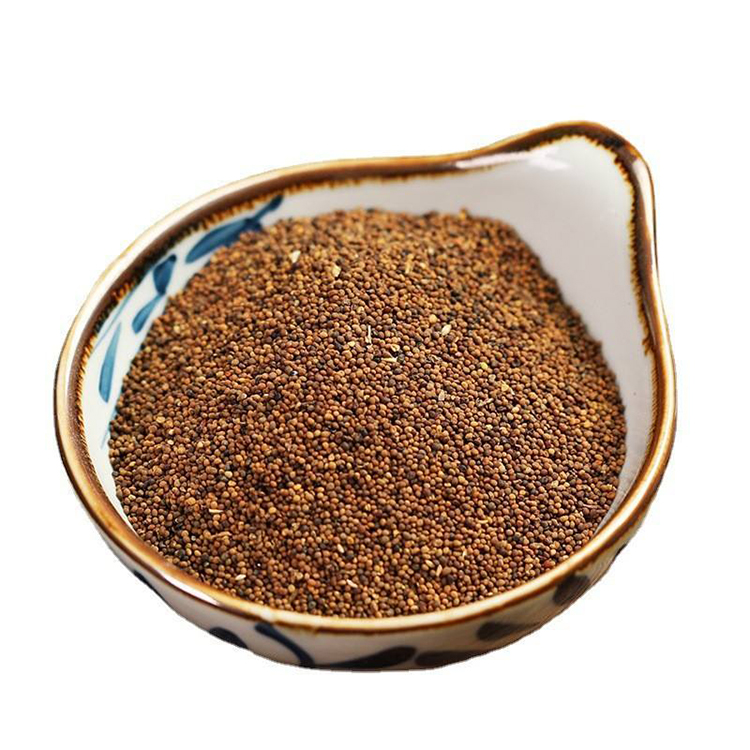
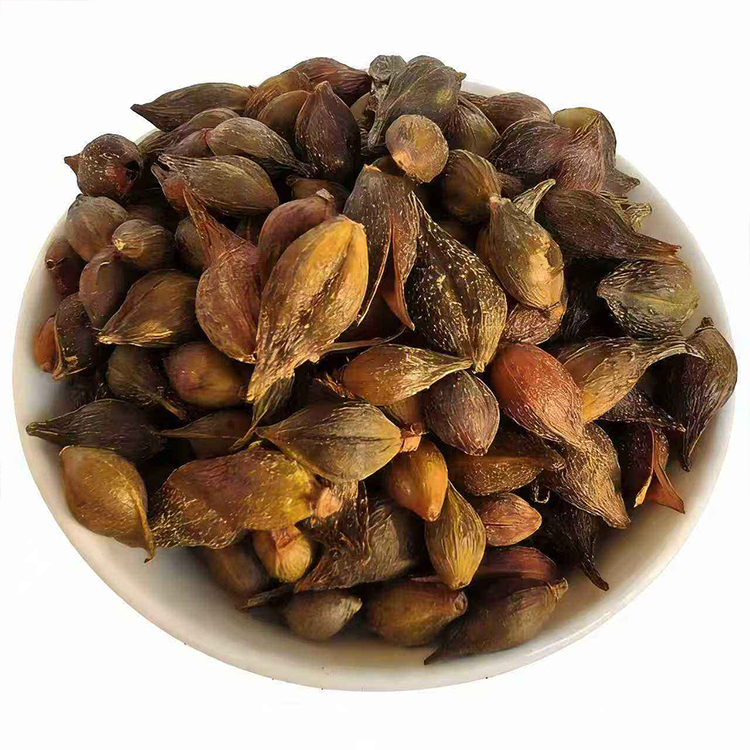
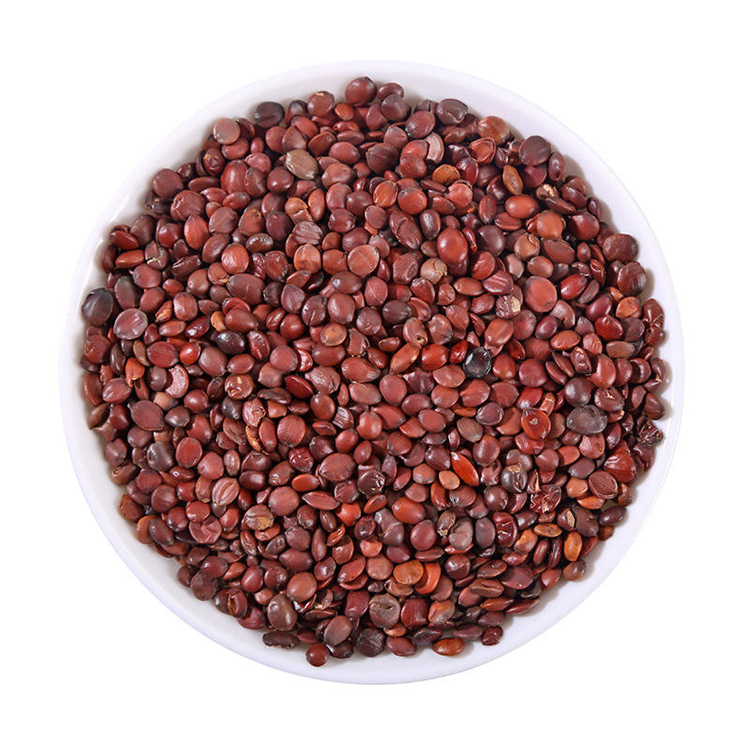
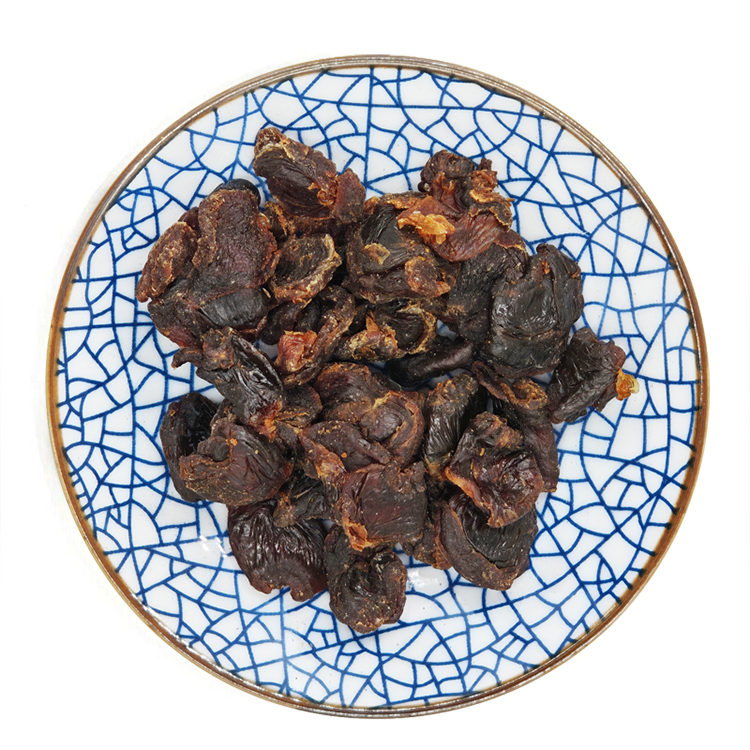
Dried Spices — pepper, bay leaf, clove, tsaoko and more: Dried Spices
We help you set method LOQs, build buyer-friendly COAs, align MU assumptions, and write the two pages of SOP that stop surprises. That’s kinda our daily job. And we do global, docs ready.
Borrowed keywords you can reuse in your H2/H3 (accurate and legit)
Regulation (EC) No 396/2005
Article 20 processed products
Annex I spices / herbal infusions
SANTE/12682/2019 analytical quality control
Directive 2002/63/EC sampling
Ethylene oxide (EO) + 2-chloroethanol (2-CE) sum
MRL default 0.01 mg/kg
Private MRLs (retailer spec)
Use them straight in headings. They’re real search terms and help your SEO while staying honest.
Our low MOQ of 1 kg (2.2 lb) makes it easy to order Chinese herbal slices or wholesale Chinese medicine herbs. Private-label and bilingual labeling are also available.
Delivery Cycle & Support
We have a fast 7-day lead time. We provide free samples, COA reports, and technical support to help you bring high-quality bulk Chinese herbs to market.
Quality & Certifications
Our products are manufactured in a GMP-certified facility and meet ISO22000 standards. All Chinese herbs are third-party tested for heavy metals, pesticides, and microorganisms.