If you run a niche brand overseas, you already know the pain: you want to launch fast, but factories want you to bet big. Big MOQ. Big cartons. Big “trust me bro” energy.
Small-batch OEM flips that. It lets you validate demand with real buyers, not vibes. And yeah, it’s not always the cheapest per unit. But you’re not buying “cheap.” You’re buying speed, proof, and fewer sleepless nights.
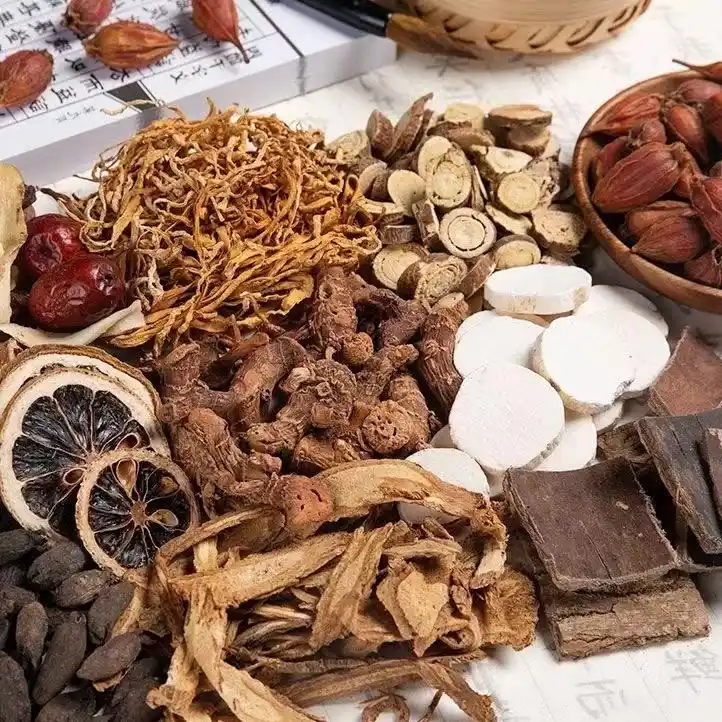
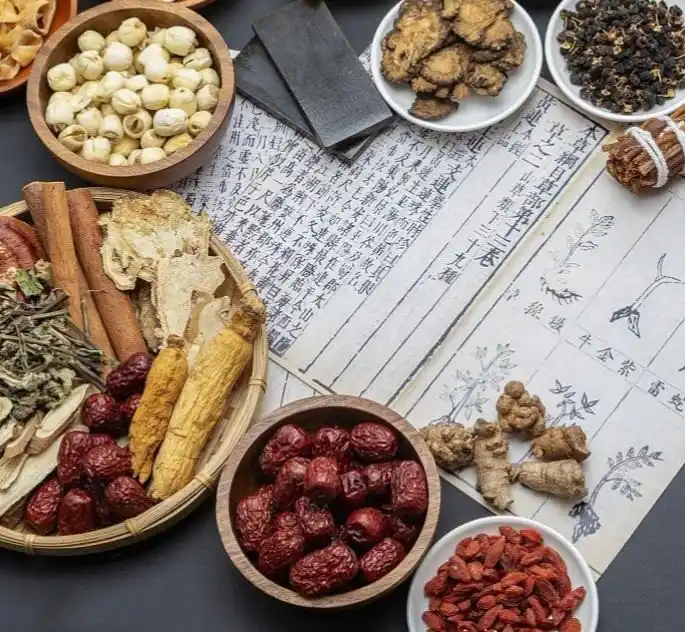
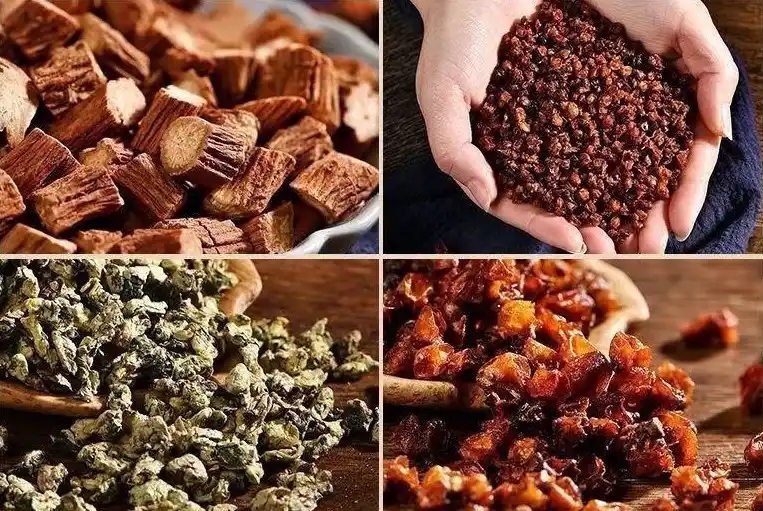
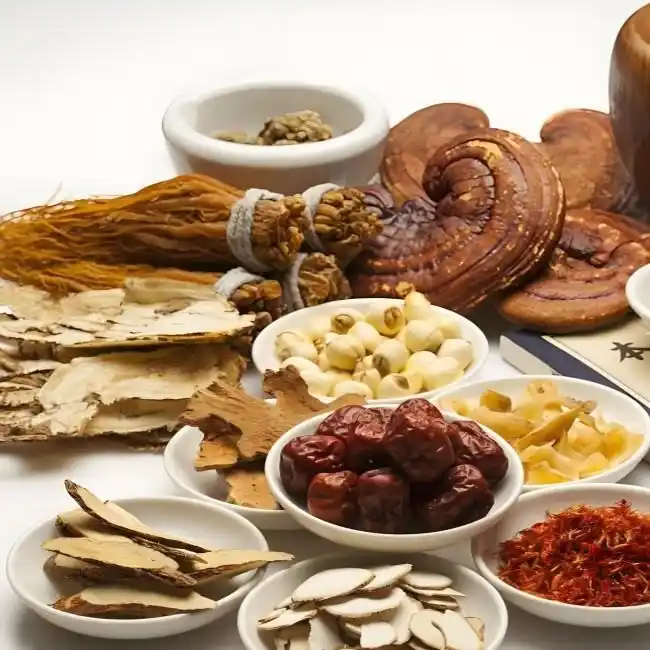
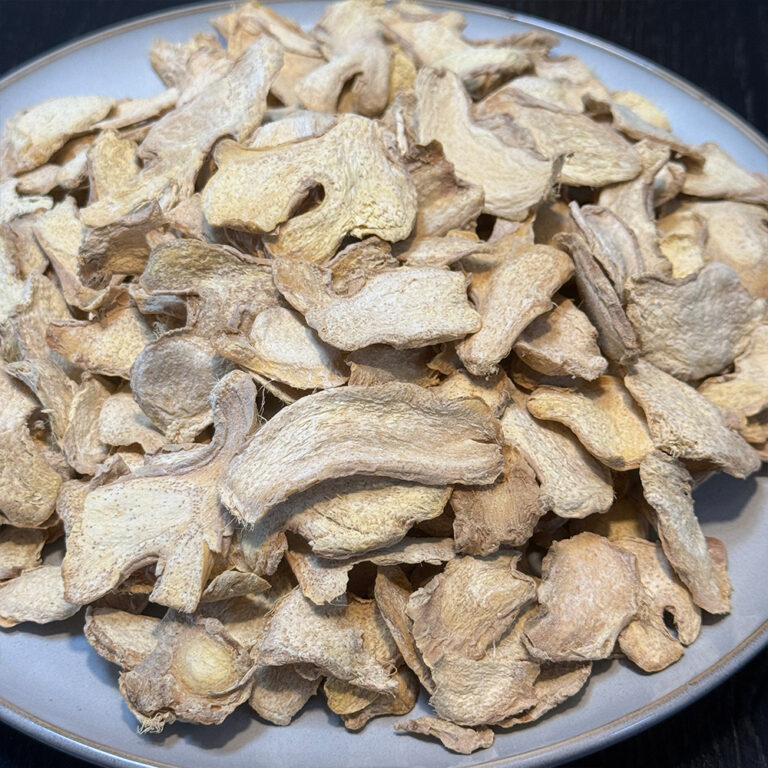
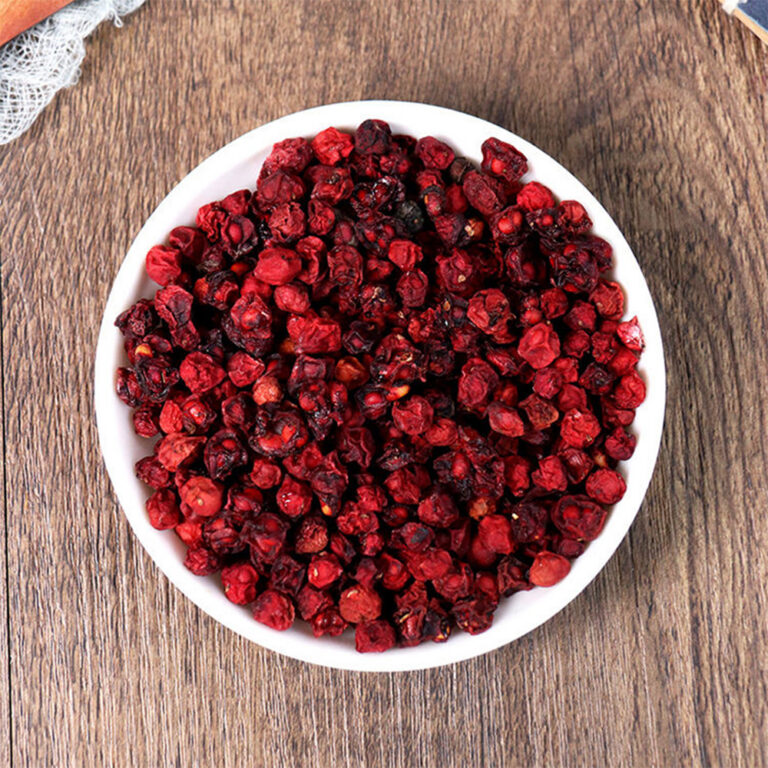
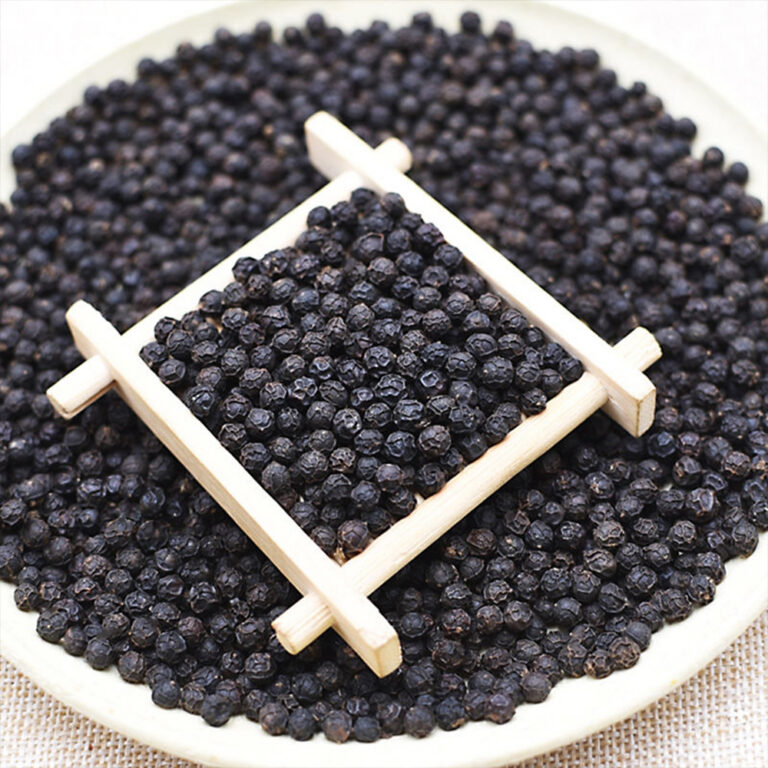
I’ll keep this practical, with real product formats you can actually ship: herbal slices, tea bags, functional spice blends, and postbiotic fermented drinks. I’ll also show you how GuoCao fits into this flow, because they’re built for small-batch testing and scale-up. (Start here if you want the quick overview: Wholesale Chinese Medicinal Herbs and Spices Supplier – GuoCao.)
Small-Batch OEM: Buying Speed, Not Cheap Units
Here’s the thesis: small-batch OEM isn’t a cost hack. It’s a decision hack.
When you’re niche, you don’t need 20 SKUs on day one. You need one SKU that moves. You’re chasing:
SKU velocity (does it sell fast enough?)
sell-through (do customers finish the box and repurchase?)
channel fit (does it work in Amazon, clinics, cafés, or distributors?)
message-market match (does your “sleep blend” story even land?)
Small-batch lets you test those signals without drowning in inventory. It’s like running a controlled experiment, except the lab is your checkout page.
And if you’re in herbs/spices, batch-to-batch consistency matters a lot. A small run helps you lock the taste, aroma, cut size, and color before your customers start posting photos.
Pilot Run Production: Debug the Process Before You Scale
Brands love talking about “product.” Factories live in “process.”
A pilot run is where you catch ugly stuff early:
the powder clumps
the tea bag dust leaks
the grind size brews too bitter
the label text breaks local rules
the COA packet doesn’t match what customs wants
the carton spec looks fine, but crushes in transit (happens… a lot)
This is why you don’t jump straight to full volume. You do a pilot run, then you spec freeze what works.
If you’re doing tea bags, the “simple product” is actually a long chain: slicing → drying → granulation → blending → dosing → sealing → storage → export docs. One step off-spec and the whole batch becomes a headache. That’s why it helps to read a manufacturing breakdown like this one: From herbal slices to tea bags manufacturing process.
Lead Time Planning: Samples → Pilot Run → Scale-Up
Small-batch works best when you treat it like a roadmap, not random ordering.
Below is a clean test plan you can steal. No cost math. Just the stuff that prevents chaos.
A quick note: GuoCao states they can support low MOQ (down to 1 kg for many items) and a fast lead time for common SKUs, plus free samples and COA reports on request. That combo matters when you’re testing fast, not building a warehouse museum.
If you want the OEM/ODM workflow in one place, this page lays it out clearly: OEM/ODM custom solutions.
Low MOQ in OEM/ODM: MOQ Isn’t a Law of Physics
MOQ is a business rule. Which means you can shape it.
Here are negotiation moves that actually work (and don’t make you sound clueless):
Split the project: keep the formula fixed, vary only packaging later.
Use standard components: standard tea bag size, standard bottle, standard cap. Custom later.
Bundle SKUs: one base blend, two label versions (bilingual labeling helps a lot).
Lock sourcing first: factories relax MOQ when raw material sourcing is stable.
Start with “ready” formats: herbal slices and simple tea bag blends are faster than fancy formats.
This is also where OEM vs ODM gets real. OEM means you bring the spec. ODM means the factory can help shape the formula or format based on what’s feasible. If you’re unsure which one you need, don’t overthink it. Read this and decide in 10 minutes: OEM vs ODM cooperation models.
Compliance and Third-Party COA: Small Batch Still Needs Paperwork
Let me be blunt: “small batch” doesn’t excuse sloppy compliance.
If you sell herbs, spices, tea bags, or functional drinks, your buyers (and platforms) will ask about:
heavy metals
pesticide residues
microbiology
ingredient identity
lot traceability
shelf-life handling
storage conditions
This is where a third-party COA per lot becomes your best friend. It reduces customs friction. It also reduces distributor back-and-forth. Nobody wants “trust us” PDFs.
GuoCao positions itself as a one-stop wholesale supplier with GMP production, ISO 22000 food safety, and third-party COA testing capability, plus ambient / cool / MAP warehousing. That’s not just “nice to have.” That’s what keeps your launch from getting stuck in doc hell.
Most niche brands fail because they pick “a product” before they pick a lane.
Same herbs. Different channels. Totally different buyer logic.
Hospitals / clinics want clear function and clean documentation. They love stable formats.
Distributors want reorder velocity and low complaint rates.
DTC / marketplaces want simple storytelling and strong reviews fast.
Functional beverage buyers care about format, flavor, and repeat habit.
That’s why small-batch OEM pairs well with format testing:
Start with Chinese herbal tea bags if you want a clean, “daily ritual” product that’s easy to explain.
Start with herbal enzymes if you’re playing in the “gut / detox / protocol” vibe where shot formats and bundles sell better.
No fake stories needed. The formats already tell you which channel they belong to.
Flexible Supply Chain: Reorders Beat Overstock
This is the quiet truth: your first order is not your profit order. It’s your learning order.
So your supply chain should match that reality.
A flexible setup looks like this:
run small
read sell-through
adjust spec (or message)
reorder fast
slowly widen distribution
That’s how you avoid sitting on dead stock while pretending it’s “brand inventory.”
On the ops side, ask your factory about:
batch-to-batch variance controls
lot traceability
reorder lead time
storage lanes (ambient vs cool vs MAP)
change control (what happens when you tweak cut size or blend ratio?)
GuoCao’s multi-warehouse setup (ambient/ cool/ MAP) is made for this kind of rolling reorder rhythm. You don’t want your herbs losing color or aroma while you “figure out marketing.” That’s a common facepalm moment.
Where GuoCao Fits in Small-Batch OEM: From Herb Slices to Finished Formats
If you’re building in Chinese herbs and spices, you usually hit one of these problems:
too many vendors (sourcing here, processing there, testing elsewhere)
specs keep drifting between batches
docs don’t match what buyers need
your factory can’t scale when the product finally works (classic tragedy)
GuoCao reduces that mess because they sit on both the manufacturing side (GMP herbal slices) and the food-safety side (ISO 22000), plus they can support OEM/ODM customization and even herbal enzyme drink production. They also sell across 30+ countries and regions, so they’re used to export paperwork and different buyer requirements.
If you want to talk to them like a pro, don’t send “pls quote.” Send a tight brief:
target format (slices / tea bag / spice blend / enzyme drink)
Our low MOQ of 1 kg (2.2 lb) makes it easy to order Chinese herbal slices or wholesale Chinese medicine herbs. Private-label and bilingual labeling are also available.
Delivery Cycle & Support
We have a fast 7-day lead time. We provide free samples, COA reports, and technical support to help you bring high-quality bulk Chinese herbs to market.
Quality & Certifications
Our products are manufactured in a GMP-certified facility and meet ISO22000 standards. All Chinese herbs are third-party tested for heavy metals, pesticides, and microorganisms.