Herbal tea bags look simple. Tear the envelope, drop the bag, hot water, done. But if you sit on the B2B side – pharma, supplements, functional drinks, hospital supply – you know it’s not that easy.
Behind one tiny tea bag you have: planting, slicing, drying, granulation, blending, dosing, sealing, warehousing, export doc. If any step off-spec, the whole project becomes headache.
GuoCao stands right inside this chain as a global supplier of Chinese medicinal herbs and spices, with GMP herbal slices, ISO 22000 and OEM / ODM tea and enzyme lines. Let’s walk the full process from slice to bag, with concrete control points and business value, not just pretty words.
Chinese Herbal Slices as Raw Materials for Herbal Tea Bag Manufacturing
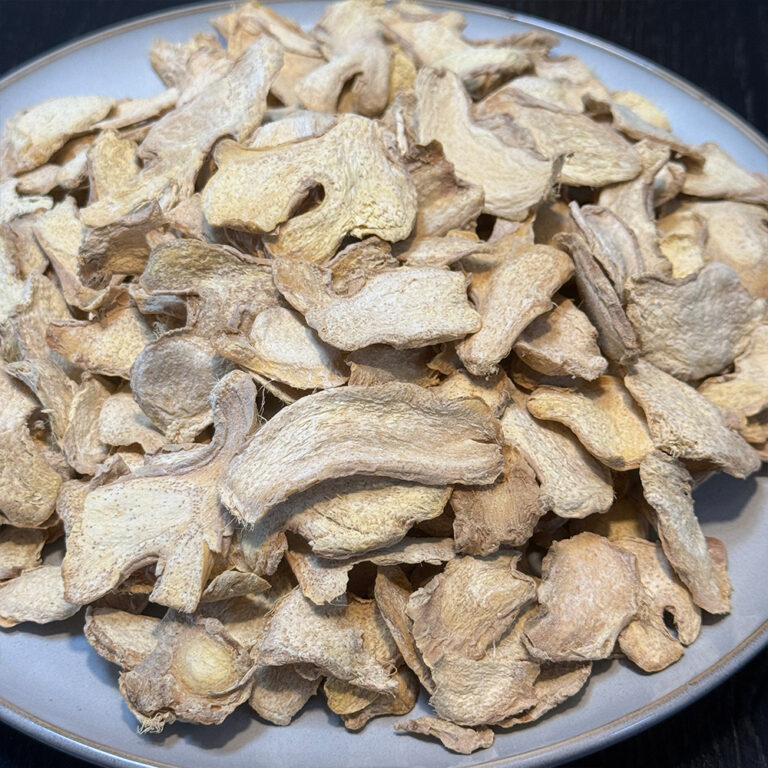
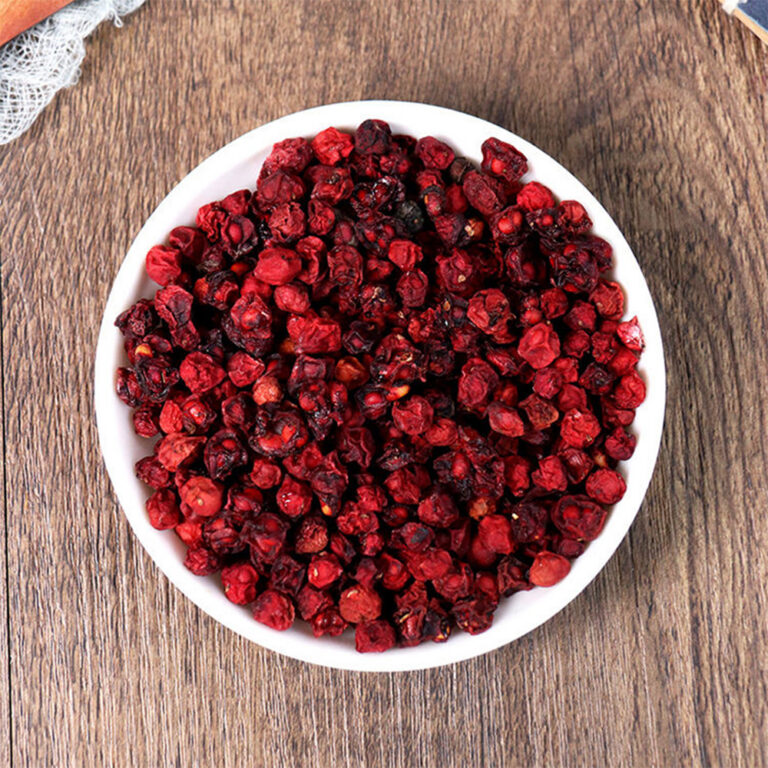
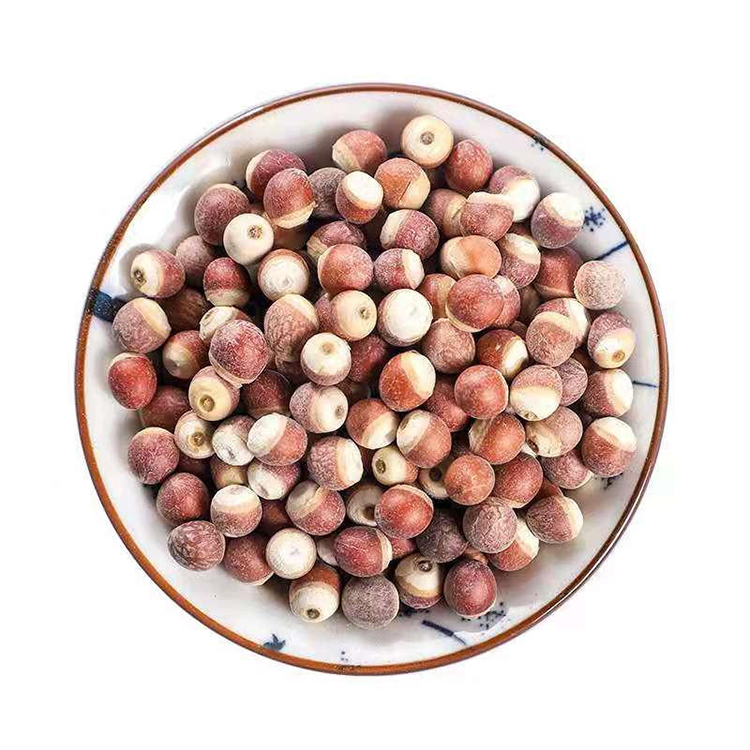
Chinese herbal slices are not random dried pieces. They are standardized decoction pieces from roots, rhizomes, fruits, seeds, flowers, whole herbs, barks, animal and mineral medicinals. They are processed under pharmacopeia rules and used in prescriptions, health products and now more and more in tea bag format.
GuoCao focuses on wholesale of these Chinese medicinal herbs and spices. Main product families include:
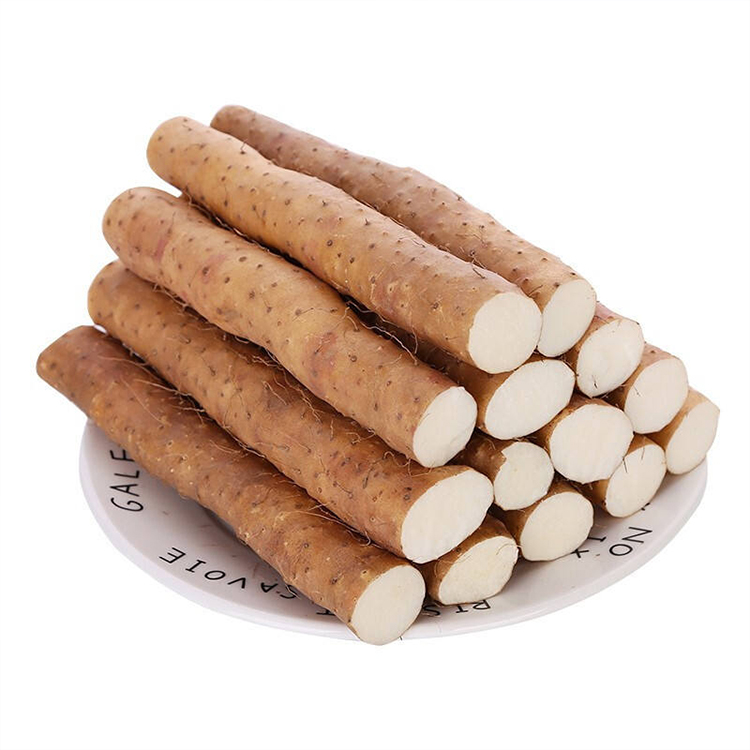
Roots & rhizomes (ginseng, astragalus, angelica type materials)
Flowers & whole herbs (chrysanthemum, honeysuckle, mint, many more)
Barks and woods
Animal and mineral medicinals
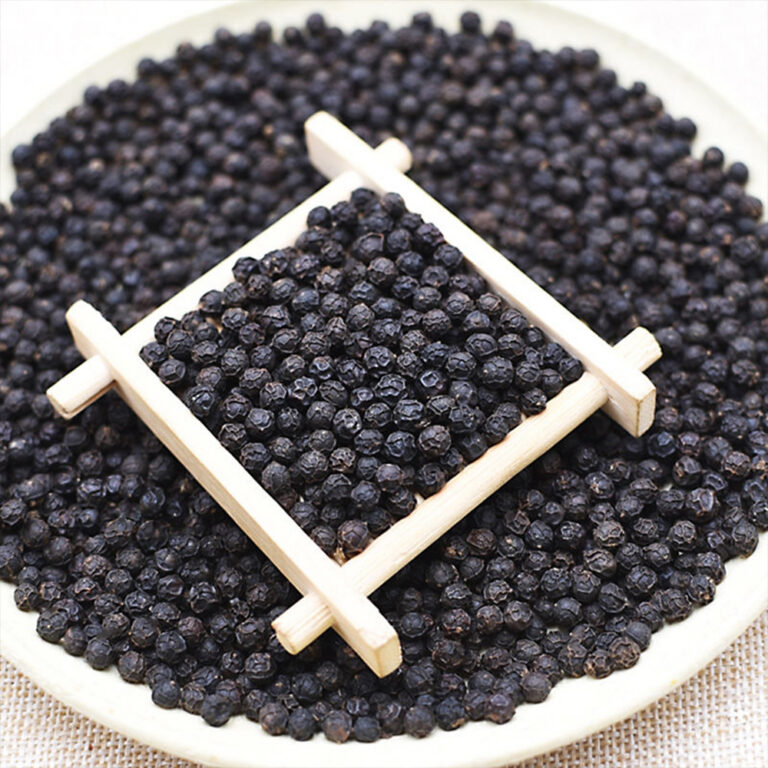
Classic Chinese spices used in functional drinks and food
For global buyers – pharma companies, dietary supplement plants, cosmetic raw material firms, functional beverage brands, distributors – these slices are the upstream dosage form. Once quality is right here, you can extend the same material into tea bags, enzyme drinks, capsules, powders.
GMP Chinese Medicinal Herbs Processing and Quality Requirements
For herbal tea bag manufacturing, “nice smell” is not enough. Big clients talk about CQA list, not just flavor. Typical key points:
Correct species and genuine origin
Controlled moisture for storage and further processing
Limits on heavy metals, pesticide residues, mycotoxins
Microbiological safety
Traceable batch record from field to finished goods
GuoCao runs GMP production lines for Chinese herbal slices, combined with an ISO 22000 food safety system. This covers washing, cutting, drying, stir-frying or other traditional processing, plus in-house and third-party testing.
Warehouses include ambient, cool, and modified-atmosphere zones, so roots, flowers and enzymes don’t sit in the same hot room. Annual capacity around 2,500 tons make it possible to support continuous tea bag OEM and big wholesale orders at same time.
For you, the direct benefit is:
Less off-spec batches
Easier registration and import inspection
One COA style across slices, powders, tea bag blends and enzyme products
Drying, Cutting and Granulation of Chinese Herbal Slices for Tea Bags
After primary processing, slices go through controlled drying and cutting. For tea bag usage, this stage decides whether the filling system will run smooth or be a nightmare.
Most herbal materials for tea bags sit in a moisture range roughly 2–5%. Too high and you invite mold and caking. Too low and the slice becomes fragile, generates dust, and kills your filters.
Then comes cutting and, if needed, milling and sieving. Here buyers usually talk about “mesh size” or “cut size”. You don’t want long, wiry pieces jamming the auger, and you also don’t want only powder that leak through filter paper.
A simple view of this stage:
Process Step
Typical Control Point
Impact on Tea Bag Line
Final drying of herbal slices
Moisture 2–5% (by material type)
Shelf life, microbial load, warehouse stability
Thickness and size of slices
Consistent cut size
Predictable density and extraction in cup
Optional coarse milling / granule
Target mesh range for each SKU
Flowability in hopper, less bridging, less blockage
Sieving / de-dusting
Remove oversize and fine dust
Cleaner machine enviroment, more stable filling
GuoCao can deliver raw slices, cut-and-sifted grades, or granules set to the client’s tea bag standard. That means upstream is already tuned to downstream equipment like VFFS, pyramid bag machines or stick sachet fillers.
GMP Chinese Herbal Slices Quality Control
Quality checks don’t stop after slicing. A normal QC chain for tea bag-grade slices will include:
Moisture testing for every batch
Microscopic identification and TLC / HPLC on key materials
Microbial tests according to pharmacopeia or local food laws
Heavy metal, pesticide, sulfur dioxide where needed
Retain samples and full batch documents
Because GuoCao works both as herbal manufacturer and OEM partner, the same QC logic can follow the material from slice to finished tea bag. This avoids the classic “vendor A blamed vendor B” story when something goes wrong.
Blending Functional Herbal Formulas for Tea Bag Use
Once slices and granules are under control, the next question is formula. Herbal tea bags can run as:
Simple single-herb bags (like one flower or one root)
Classic TCM-style combinations
Modern wellness blends for sleep, digestion, immunity, joints, etc.
Co-branded formulas for hospitals or clinics
A typical structure looks like:
Base component – body of the drink, often mild herbs or grains
Functional herbs – main “working” part, such as tonics or clearing herbs
Flavor and aroma layer – flowers, peels, spices to make the cup friendly
GuoCao offers OEM and ODM support, so clients can bring a basic idea or existing prescription, then let the R&D team convert it into slice-level formula and tea bag-level formula. This includes adjusting cut size, density, brewing time and taste.
Common scenes:
A supplement factory already sells capsules with certain Chinese herbs and wants matching tea bags for “morning” and “night” sets.
A functional drink brand wants both ready-to-drink bottle and dry tea bag with similar concept, plus fermented herbal enzyme drink in same family.
A regional distributor wants private label herbal teas for pharmacies and TCM clinics.
Because GuoCao controls the herbal slices, the blends, and the tea bag process, each scenario doesn’t need three different suppliers.
Herbal Tea Bag OEM Product Development
In real projects, tea bag OEM development usually walks these steps:
Pilot tea bag trial – check flowability, dosing stability, seal quality, brewing color and taste.
Stability and packaging check – real and accelerated tests, see if bag and envelope hold up.
Here a little jargon appear: people talk about CPK on filling weight, OEE of the packing line, line clearance between different formulas, label claim vs. real extract curve. Clients who don’t want to dive into all these can let GuoCao handle the heavy lifting and just review reports and samples.
Herbal Tea Bag Manufacturing Process and Packaging Workflow
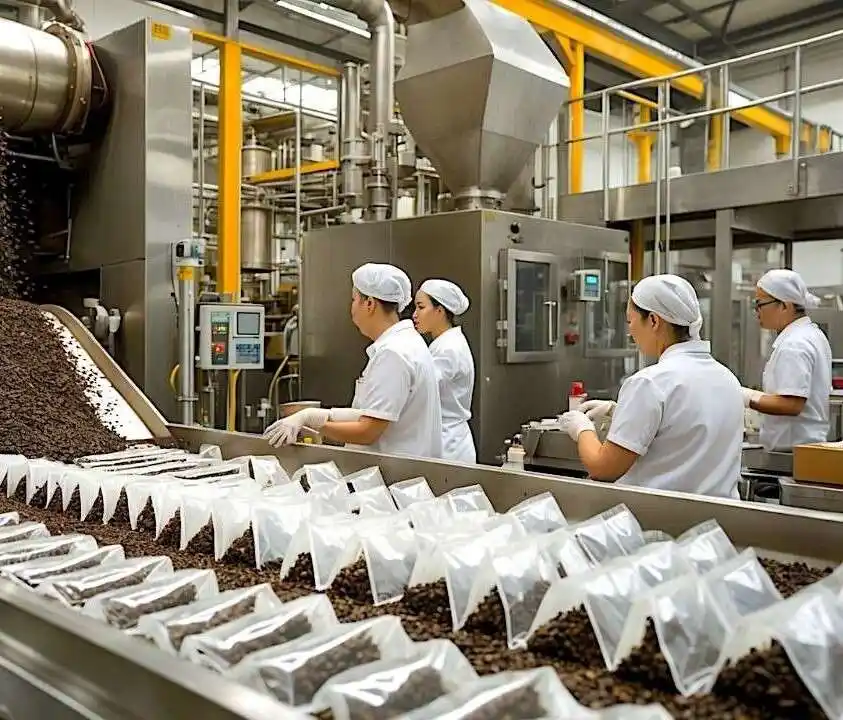
When formula is fixed, the full tea bag manufacturing process runs roughly like this:
Weighing and pre-mixing
Raw granules and slices are weighed according to formula.
Pre-mixing ensures no herb stays in a corner of the batch.
Final blending and sieving
Large mixer or tumble blender brings the batch to uniformity.
Final sieve removes occasional big pieces or fine dust.
Feeding to tea bag machine
Material enters the feeding system. Here cut size and density show if they were set correctly.
If you see constant bridging, low-weight alarms, or dust explosion, upstream was not good.
Forming, filling, sealing
Machines can run flat bags, double-chamber, or 3D pyramid bags.
Typical line speed sits in the dozens to more than one hundred bags per minute, depending on bag type and options.
Many lines use ultrasonic sealing for specail shapes and cleaner seals.
Tagging, string, and envelope
Some markets want simple no-tag bags for foodservice.
Others need individual envelope, string, and tag with dose and function printed.
Cartoning, outer box, palletizing
Tea bags collect into cartons, then master cartons, then pallets, ready for export.
Finished-goods QC and release
Weight, appearance, brewing test.
Microbiological checks if required.
Final review of documents before shipment.
Again, if the herbal slices and granules were not prepared with this end in mind, the packing room will complain every day. So it’s not only about one machine, it’s about full line thinking from field to pallet.
Herbal Tea Bag Manufacturing Data Overview
Another quick table that helps both technical and purchasing teams talk same language:
Item
Typical Range / Practice (no exact cost)
Comment
Moisture of herbal granules
2–5%
Lower risk of mold, but not too dry to create crazy dust
Cut size for tea bag herbs
A few millimeters, controlled distribution
Balance between fast extraction and good flow on machine
Dosing tolerance per bag
Tight tolerance, small fraction of a gram
For stable label claim and less giveaway
Machine speed
Dozens to 100+ bags per minute
Depends on bag shape and add-ons like tag and envelope
Numbers are general industry ranges, real spec always based on your internal quality system and target country laws.
Business Scenarios and Commercial Value for OEM/ODM Partners
The process above is technical, but the reason clients care is commercial. Some typical scenes where GuoCao adds value:
Pharmaceutical companies and hospitals
Need decoction slices and tea bags with same herbs, both under strict pharmacopeia standard.
Want stable supply chain, traceable planting bases, and audit-ready documents.
Dietary supplement and functional beverage manufacturers
Want to extend existing capsule or liquid line into herbal tea bags and fermented enzyme drinks.
Need one partner who can handle Chinese herbal slices, extracts, and ready-to-drink concepts.
Distributors, wholesalers, local retailers
Need private label herbal teas quickly, with reasonable MOQ and short lead time.
Want SKUs that match local taste but still carry TCM functional image.
Cosmetics and wellness brands
Use herbs both as internal products (tea, enzyme, powder) and as raw materials for topical formulas.
Prefer to buy all herb-based items from one qualified supplier instead of many small vendors.
GuoCao already sells into more than thirty countries and regions, including United States, Europe, Australia, Japan, Korea, Canada, Malaysia, Philippines and others. Certificates are ready, export experience is there, communication with local agents is easier.
Why GuoCao for Wholesale Chinese Medicinal Herbs and Tea Bag OEM
Putting everything together, the story is quite straight:
Chinese herbal slices are the real backbone of herbal tea bag projects.
Drying, cutting, and granulation decide if your material behaves on the line.
Blending and OEM development turn pharmacopeia herbs into drinkable, sellable products.
Tea bag manufacturing and packaging bring those blends to shelf in a stable way.
GuoCao connects all these dots:
GMP herbal slice production
ISO 22000 food safety and third-party COA
Ambient / cool / modified-atmosphere warehouse system
Annual 2,500-ton capacity for global wholesale
OEM / ODM for Chinese herbal tea bags and herbal enzyme drinks
If you’re planning new herbal tea bag SKUs or want to move from loose herbs to standardized bags, the easiest way is to start from the slice. When the slice is clean, consistent and on-spec, the rest of the chain starts to behave. That’s the real “from herbal slices to tea bags” process, not only on the equipment drawing, but in daily production and business.
Our low MOQ of 1 kg (2.2 lb) makes it easy to order Chinese herbal slices or wholesale Chinese medicine herbs. Private-label and bilingual labeling are also available.
Delivery Cycle & Support
We have a fast 7-day lead time. We provide free samples, COA reports, and technical support to help you bring high-quality bulk Chinese herbs to market.
Quality & Certifications
Our products are manufactured in a GMP-certified facility and meet ISO22000 standards. All Chinese herbs are third-party tested for heavy metals, pesticides, and microorganisms.