Dragon Bone Sourcing: Contaminant Control and Set Traceability
Dragon Bone sourcing is not about pretty fossil photos. It has to do with rejecting mixed lots, documenting every batch, screening mineral identity, and confirming that contaminant was regulated before Long Gu enters a formula, stockroom, or export shipment.
When Dragon Bone sourcing is minimized to an image, a Latin name, and a respectful supplier e-mail, the purchaser has actually already surrendered control over contaminant, mineral identity, COA relevance, and batch-level recall power prior to the initial carton leaves the warehouse.
That pays when that whole lot gets examined at personalizeds?
I’ll claim the silent part out loud: Long Gu is one of those products where careless sourcing can hide behind practice. The name sounds ancient. The material looks rugged. The industrial photos look convincing. Yet a professional purchaser needs to not be acquiring mythology. You are purchasing a documented mineral/animal-origin raw material that requires recognition, contamination limits, great deal coding, cleaning records, and provider responsibility.
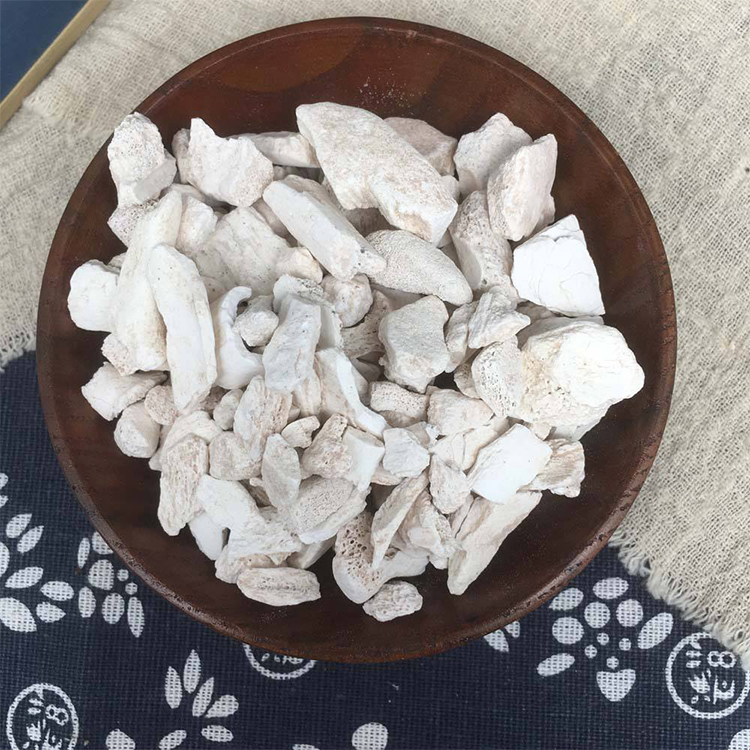
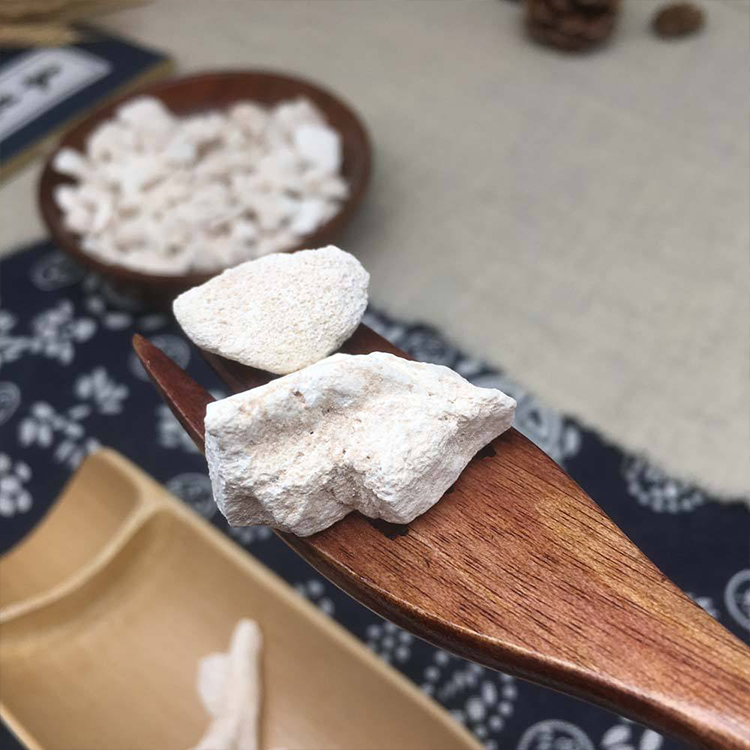
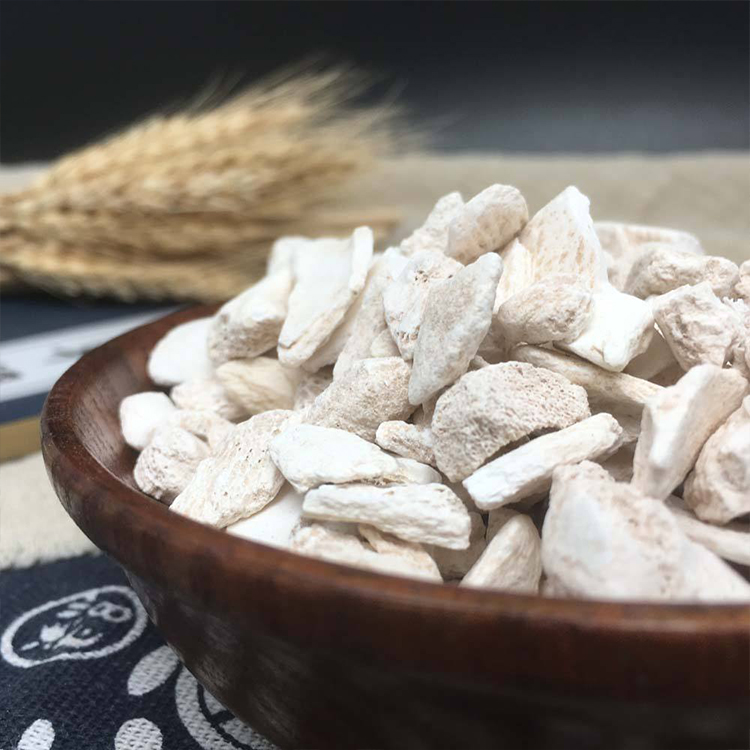
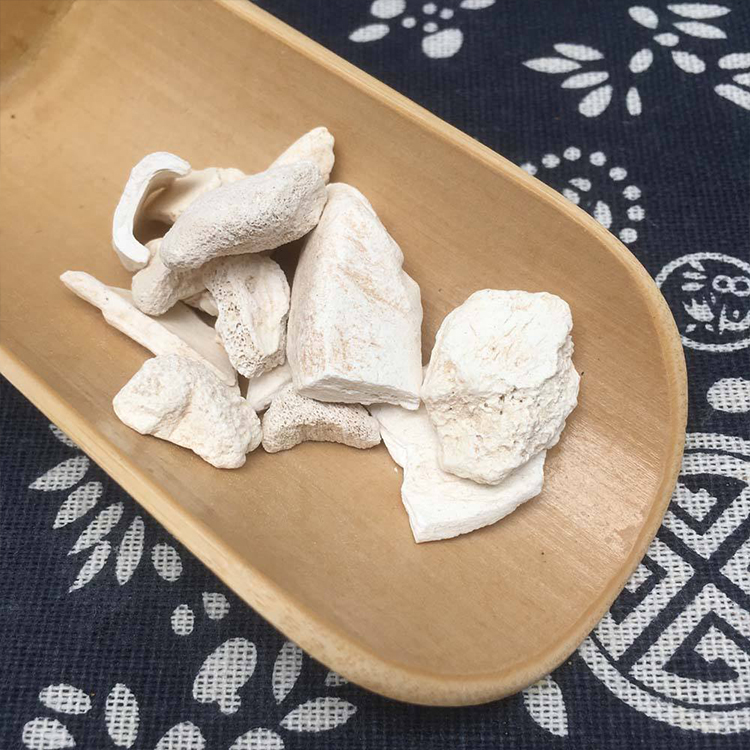
For context, GuoCao notes Dragon Bone Long Gu wholesale dried out fossilized bone items as Os Draconis, Pinyin Long Gu, with a fossilized animal-bone form and bulk-purchase positioning. The same item web page states GMP processing and third-party testing for heavy steels, chemicals, and bacteria, while the broader site provides Pet & & Mineral Chinese medicinal products as a devoted category for materials like Long Gu, Long Chi, Hai Piao Xiao, Di Long, Ru Xiang, and Shui Zhi.
That matters because Dragon Bone quality assurance can not be treated like leaf grading. It is closer to mineral authentication plus debris removal plus batch-forensic discipline.
Table of Contents
The Hard Fact Regarding Dragon Bone Sourcing
Dragon Bone sourcing is the regulated purchase of Long Gu, likewise called Os Draconis or fossilized bone, with validated beginning, physical assessment, mineral identity testing, contaminant limitations, and set documents that can survive provider audits, personalizeds assess, and finished-product problems.
Long Gu is not a tidy little asset.
A severe Lengthy Gu purchaser needs to ask unsightly questions: Was the product cleaned or simply brushed? Was soil removed before drying out? Were mixed stones separated? Were broken items from different incoming great deals mixed to “improve appearance”? Was the COA released for this set, or for a batch that simply looked similar?
The scientific literary works also explains that Lengthy Gu is not just an enchanting label. PubMed-indexed study explains Longgu as a fossil crude drug, and a 2026 abstract on Os Draconis reports that authentic “Wuhua Long Gu” from the Shanxi-Shaanxi region is primarily carbonated hydroxyapatite with high porosity over 35%. Another PubMed-indexed taxonomic paper keeps in mind that Longgu, likewise called Fossilia Ossis Mastodi or Os Draconis, is the only fossil crude medicine listed in the Japanese Pharmacopoeia.
So of course, chemistry matters. Expect calcium carbonate, calcium phosphate stages, and hydroxyapatite-type mineral frameworks such as CaCO3, Ca3(PO4)2, and Ca10(PO4)6(OH)2 depending on beginning, fossilization, and grade. If a provider can not discuss what identification screening is made use of, the purchaser is not considering best Dragon Bone sourcing methods. The purchaser is considering a gamble.
And I do not like wagers in raw materials.
Contaminant Control: Where Affordable Whole Lots End Up Being Costly
Dragon Bone contaminant control indicates determining, eliminating, documenting, and rejecting non-conforming material such as dirt, sand, rocks, plant pieces, animal debris, corrosion, glass, bugs, rodent evidence, or mixed mineral items soon Gu is approved for handling or export.
The FDA’s very own language is candid. Its Food Problem Degrees Handbook specifies “additional materials” as contaminant linked to bad manufacturing, storage, or circulation, consisting of bug, rodent, bird, decayed, sand, soil, glass, corrosion, and other foreign compounds. That meaning is not written for Lengthy Gu alone, however it is precisely the sort of believing a Lengthy Gu customer ought to use.
Here is the uneasy part: visible cleaning is not the same as quality assurance.
I have no patience for suppliers who claim, “We examined it by hand,” after that can not produce an incoming-lot photo log, reject-weight record, sieve-size policy, cleansing SOP, or final evaluation sheet. Visual examination serves. Visual evaluation alone is weak.
A genuine Dragon Bone foreign matter control plan must consist of:
QC launch decision, maintained sample, manufacturing batch code, delivering whole lot link
The FDA has actually currently shown how contaminant failings look in real enforcement. In its Oregon’s Wild Harvest advising letter, FDA said quality personnel fell short to deny component whole lots when allergen, filth, and other international products were discovered; the letter cites instances entailing wheat, rock product, nut shells, peanut covering, corn, rodent feces, and seed foreign product in herb components.
That instance is not around Long Gu. It is more useful as a result of that. It proves the broader point: once a company stabilizes partial release of dirty whole lots, the system is already broken.
For surrounding sourcing logic, I would likewise direct customers to this incense pollutant control guide. Resin and fossil bone are various products, yet the exact same business disease appears in both: dust, blended items, origin complication, and distributors making use of appearance as a substitute for recorded control.
Lengthy Gu Batch Traceability: The Proof Is the Item
Lengthy Gu set traceability is the ability to connect one finished Dragon Bone delivery back to its source whole lot, cleansing procedure, evaluation outcome, testing report, product packaging run, preserved sample, billing, export records, and customer delivery document without voids or uncertainty.
Batch traceability is boring till it saves you.
A customer may assume the product is the dried fossilized bone in the carton. I differ. For specialist Chinese natural medicine sourcing, the item is the container plus the proof data. Without that documents, you do not have a supply chain. You have a story.
The FDA’s Dietary Supplement CGMP assistance says firms that manufacture, bundle, tag, or hold nutritional supplements go through the DS CGMP policy, and foreign firms are included when items are imported or used for import right into the USA. That is why Lengthy Gu provider paperwork needs to be constructed prior to a purchaser faces a regulator, store, or mad downstream consumer.
An additional current FDA caution letter demonstrates how traceability spaces get checked out by regulators. In the 2026 Nature’s Components alerting letter, FDA cited missing or poor product requirements, supplier-received product requirements, and set production records; the firm especially kept in mind that an element personality kind did not document the great deal number required for traceability.
That a person sentence should terrify any importer that deals with whole lot numbers as a storage facility ease.
For Dragon Bone sourcing, I desire the traceability documents to consist of:
Minimum Long Gu Supplier Documents
Document
What I Intended to See
Why It Issues
Provider credentials file
Business certificate, center address, range, audit notes
Protects against secret sourcing and broker masking
Pb, As, Cd, Hg, microbial where pertinent, technique, laboratory, report number
Stops recycled COA misuse
Preserved example log
Taste weight, storage area, set code
Makes later on complaint examination feasible
Export files
Invoice, packing list, botanical/mineral summary, HS code evaluation where appropriate
Minimizes customizeds delays and mismatched paperwork
The website’s very own positioning supports this documentation-first approach. GuoCao mentions that its bulk Chinese herbs and spices supply includes MOQ 1 kg, custom product packaging, international shipping, and 100% traceability, while its root-and-rhizome category explains farm-to-factory tracking and batch-level quality assurance.
But here is my warning: do not just accept the case. Evaluate it.
Ask for an example set data. Request one redacted COA. Ask how an issue from batch LG-2026-0418 would be mapped back to incoming product. Ask who authorizes the release choice. Ask what happens if 4.2% of a whole lot is denied as dirt, rock, or mixed mineral pieces.
The supplier who responds to quickly is fascinating. The supplier that answers with records deserves a 2nd discussion.
Heavy Steels, Mineral Identification, and the Myth of “All-natural Means Safe”
Natural does not mean tidy.
The FDA states it aims to reduce direct exposure to arsenic, lead, cadmium, and mercury in food and dietary supplements, determining these hazardous elements as a public-health concern, especially for at risk groups such as infants, children, senior consumers, and people with chronic wellness problems. Its testing program consists of food surveillance information from FY2009 to FY2024.
Mineral-heavy conventional materials should have extra focus because the threat profile is different from dried leaves. You are not just asking, “Is this the right herb?” You are asking, “What not natural contaminants included it?”
A CDC-hosted JAMA case record on lead poisoning because of Hai Ge Fen, a clamshell powder utilized in a Chinese organic prep work, reported a client with a blood lead level of 76 µg/ dL after consuming the preparation for four weeks; the public-health examination identified the clamshell powder as the source of lead exposure.
No, Hai Ge Fen is shortly Gu. That is exactly why the instance matters. It reveals what can take place when mineral or shell-derived traditional components are dealt with without enough toxic-element discipline.
The purchaser’s Long Gu testing conversation should consist of:
Lead: Pb
Arsenic: As
Cadmium: Cd
Mercury: Hg
Identity: Long Gu/ Os Draconis/ Fossilia Ossis Mastodi
Mineral account: CaCO3, calcium phosphate, hydroxyapatite-type stages
Approaches: ICP-MS for poisonous elements, XRF for screening, FTIR or microscopy where appropriate
Paperwork: batch-specific record, lab certification, date, report number, example ID
And do not let any person conceal behind “traditional usage.” Tradition does not replace a batch test.
Exactly How to Resource Dragon Bone Securely Without Getting Played
Exactly how to source Dragon Bone safely begins with a created specification, not a rate request. Buyers ought to define Lengthy Gu identity, appearance, bit size, wetness, foreign matter restriction, hefty steel restrictions, tasting method, set traceability records, product packaging guidelines, and denial civil liberties prior to requesting for FOB or carrier prices.
One of the most common error is asking, “How much per kg?”
Incorrect very first concern.
Ask this instead: “Can you give a full Lengthy Gu batch declare one current export great deal, consisting of incoming evaluation, cleansing record, COA, maintained example code, and packaging listing affiliation?”
That inquiry separates producers from sales brochure merchants.
If the distributor is severe, relocate to industrial information: MOQ, product packaging, personal label, shipment time, paper language, example policy, and lead time. GuoCao’s website claims its reduced MOQ is 1 kg/ 2.2 pound, offers private-label and multilingual labeling, and gives free examples, COA records, and technical assistance. For purchasers preparing a genuine inquiry, the useful next step is to speak to the group through the GuoCao wholesale and OEM/ODM contact web page.
Additionally check paperwork early. The website’s guide to Chinese herb export documents problems is worth analysis before you ship, not after a personalizeds hold. Documentation hardly ever stops working loudly at the distributor’s workdesk. It fails later, when the billing, packing checklist, tag, COA, and product summary tell slightly different stories.
That is how cash burns.
My Customer’s Checklist for Best Dragon Bone Sourcing Practices
Best Dragon Bone sourcing practices incorporate vendor qualification, Long Gu identity confirmation, contaminant control, toxic-element screening, set traceability, maintained samples, and export-document uniformity into one repeatable purchasing system instead of treating each order as a fresh settlement.
Utilize this list before authorizing any kind of great deal:
Purchaser Inquiry
Acceptable Answer
Red Flag
What is the material identity?
Long Gu/ Os Draconis, fossilized bone, documented requirements
“Dragon Bone, good quality” only
What is the batch code?
One-of-a-kind set code tied to incoming whole lot and delivery
Exact same code recycled throughout orders
How is contaminant regulated?
Sorting SOP, turn down records, reinspection
“Employees check by eye”
Are hefty steels checked?
Pb, As, Cd, Hg with batch-specific report
Generic COA or old record
Exists a retained example?
Yes, example code and storage space document
No retained sample
Can records match export shipment?
Billing, packaging listing, COA, labels lined up
Item names vary throughout records
What occurs if the lot stops working?
Composed rejection/rework plan
Salesman chooses situation by instance
The most effective distributor is not the one with the lowest opening quote. The most effective supplier is the one that can verify what happened to your product before it reached the bag.
Frequently asked questions
What is Dragon Bone sourcing?
Dragon Bone sourcing is the professional purchase of Long Gu, or Os Draconis, with validated identity, regulated beginning, contaminant limitations, batch-specific testing, and traceable documentation from incoming fossilized bone material with cleansing, product packaging, storage space, export, and client delivery records. In method, it indicates purchasing evidence, not simply a conventional name.
For professional buyers, the phrase ought to set off inquiries concerning mineral account, hazardous aspects, maintained samples, and set traceability. If a supplier just gives brochure images and a generic COA, the sourcing procedure is not fully grown enough for regulated or export-sensitive markets.
What is Dragon Bone contaminant control?
Dragon Bone foreign matter control is the evaluation, removal, denial, and paperwork of non-target product such as soil, sand, stones, plant particles, insects, rust, glass, blended mineral pieces, or storage contamination before Long Gu is launched to buy or further handling. It is a top quality system, not a cleaning slogan.
A correct system must videotape incoming condition, arranging method, turn down weight, flaw type, reinspection result, and QC release. The customer ought to be able to trace a denied piece back to the lot where it was located.
What is Long Gu set traceability?
Lengthy Gu batch traceability is the documented capability to attach each Dragon Bone delivery to its resource whole lot, processing document, inspection result, COA, preserved sample, packaging run, export documents, and client order without missing out on whole lot numbers or undocumented blending. It secures customers during issues, audits, customizeds checks, and remembers.
A traceable set should have a distinct code that appears regularly on the COA, carton tag, packing checklist, billing, storage facility record, and internal QC launch documents. If those records do not match, the traceability chain is broken.
How do you source Dragon Bone securely?
To source Dragon Bone safely, purchasers need to start with a composed Long Gu specification covering identification, look, foreign matter limitations, heavy metals, moisture, particle size, product packaging, sampling, COA needs, maintained examples, and batch traceability before working out price or shipment terms. This protects against affordable material from ending up being an expensive compliance problem.
Ask the supplier for a redacted set data before positioning a bulk order. After that confirm the COA day, test methods, whole lot code, contaminant controls, and export document consistency before authorizing delivery.
Last Thoughts: Purchase the Batch Documents, Not the Tale
Dragon Bone sourcing incentives purchasers who are hard.
Be tough regarding contaminant. Be hard regarding Long Gu set traceability. Be hard regarding distributor paperwork, COA relevance, mineral identity, Pb/As/Cd/ Hg screening, kept samples, and export documents.
The courteous purchaser obtains a quote. The disciplined purchaser obtains control.
If you are evaluating Long Gu for wholesale, OEM, herbal formula, or export supply, prepare a written specification and ask for an example batch documentation package before putting the order. Start with the Dragon Bone Long Gu item page, compare it against your internal high quality requirements, and afterwards call the vendor with a document-first questions as opposed to a price-only message.
Our low MOQ of 1 kg (2.2 lb) makes it easy to order Chinese herbal slices or wholesale Chinese medicine herbs. Private-label and bilingual labeling are also available.
Delivery Cycle & Support
We have a fast 7-day lead time. We provide free samples, COA reports, and technical support to help you bring high-quality bulk Chinese herbs to market.
Quality & Certifications
Our products are manufactured in a GMP-certified facility and meet ISO22000 standards. All Chinese herbs are third-party tested for heavy metals, pesticides, and microorganisms.