You stare at screens all day. Your eyes feel dry, heavy, a bit blurry at night. You also want your immune system to hold up when flu season or the next random virus comes.
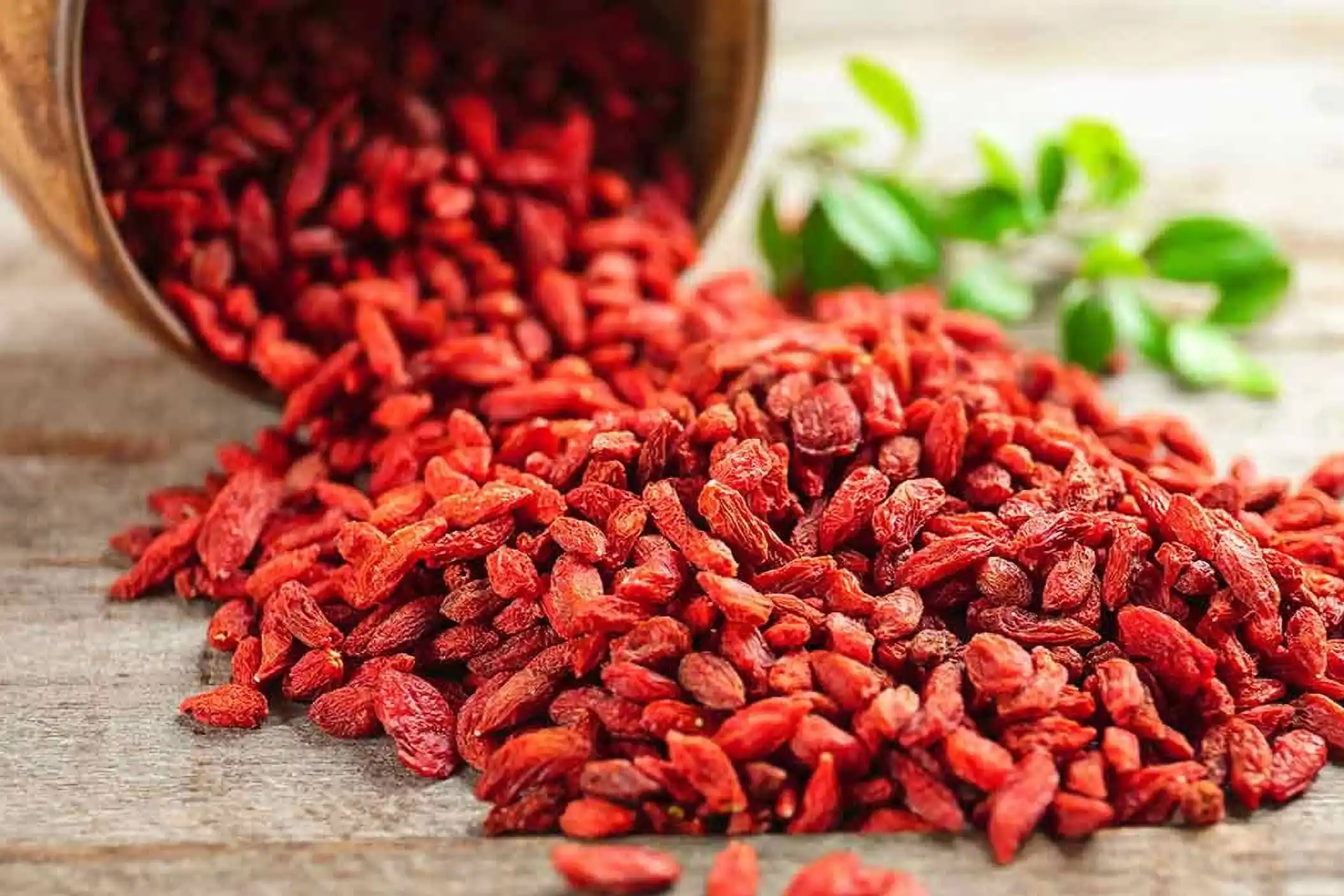
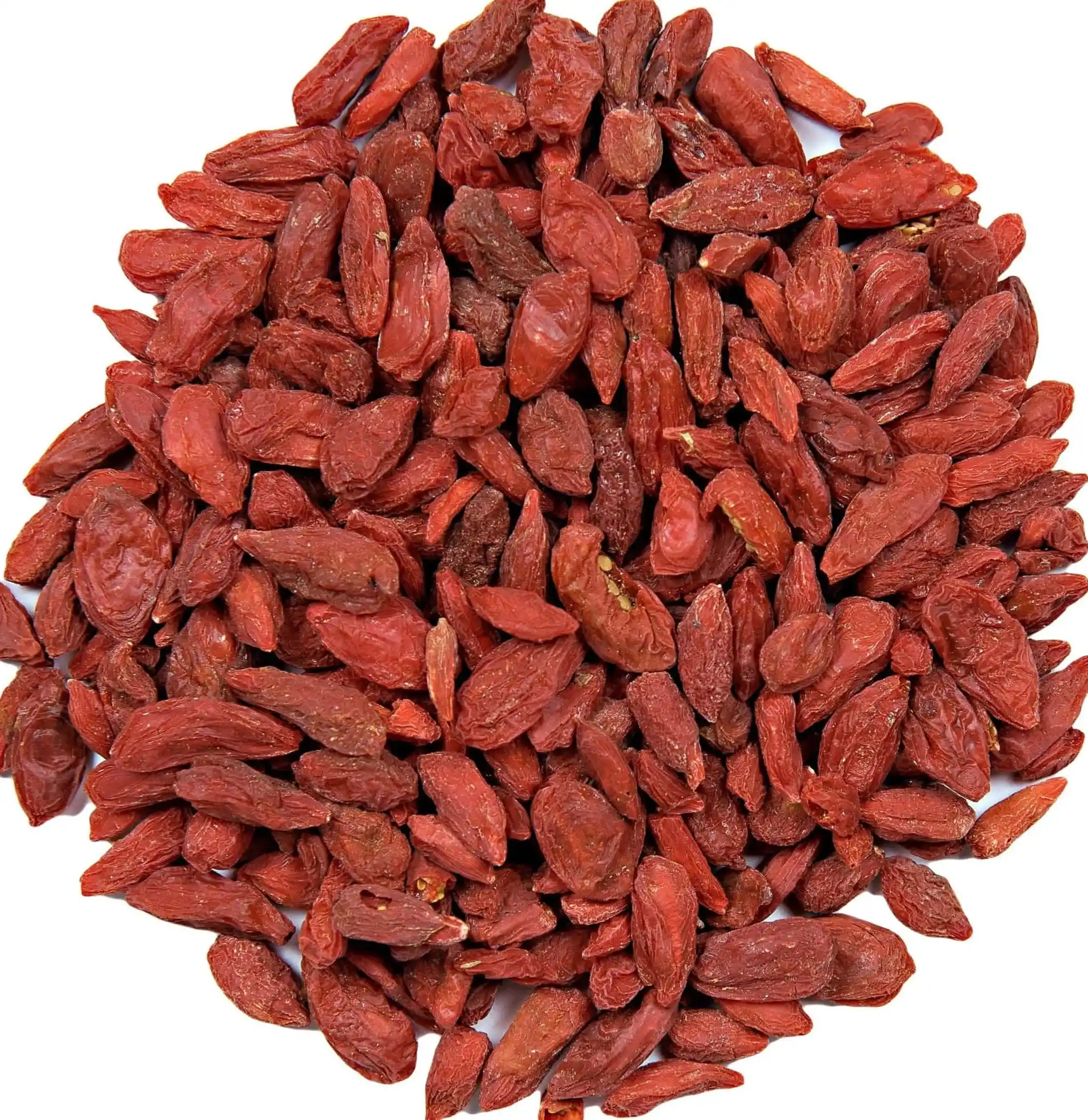
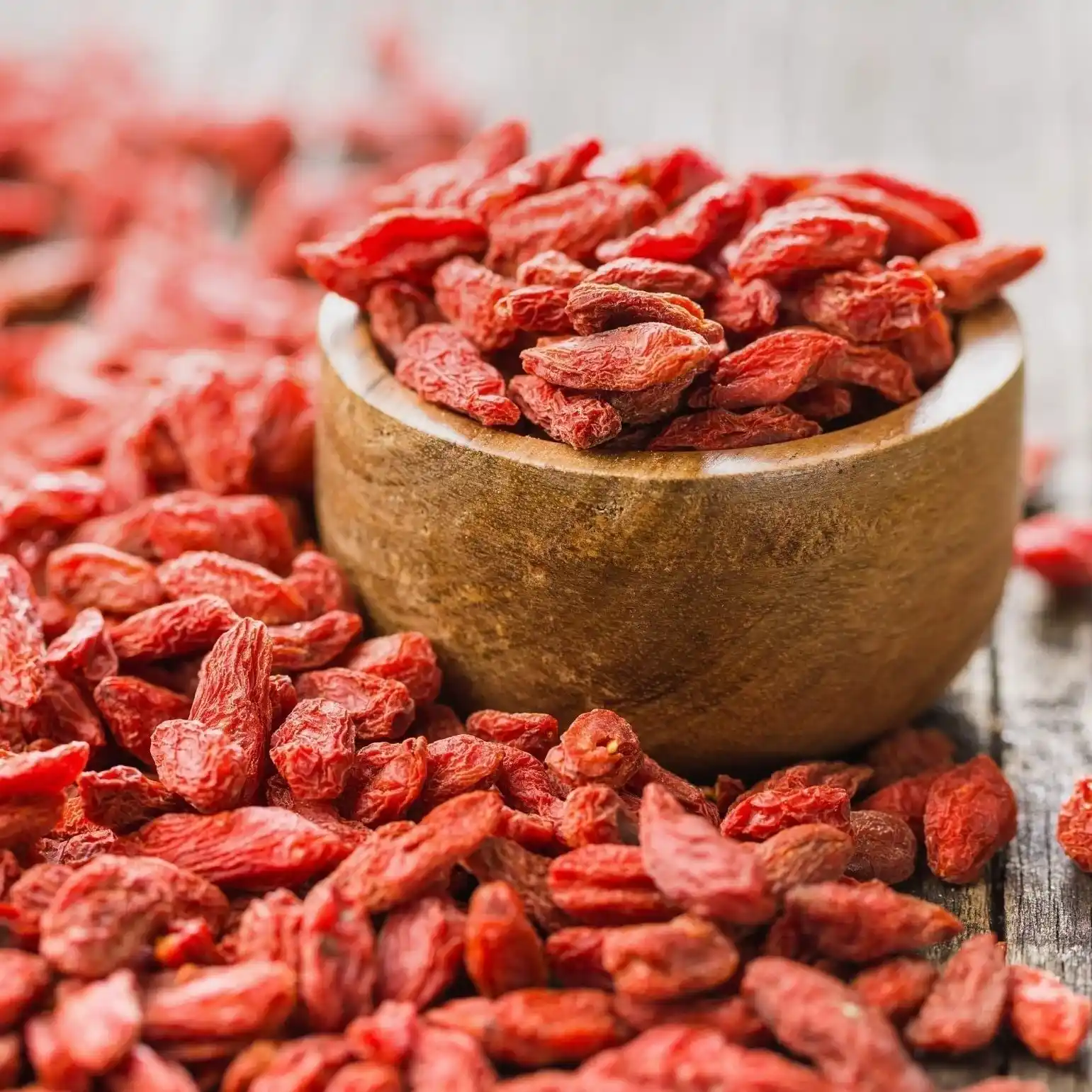
Goji berry slices sit right in the middle of those two needs. They’re not only a traditional tonic in Chinese medicine; they’re also a very practical raw material for modern supplements, teas and functional drinks.
And for buyers, there’s one more angle: when you source goji slices from a serious Chinese herbal supplier like GuoCao, you also solve a bunch of supply-chain headaches at the same time.
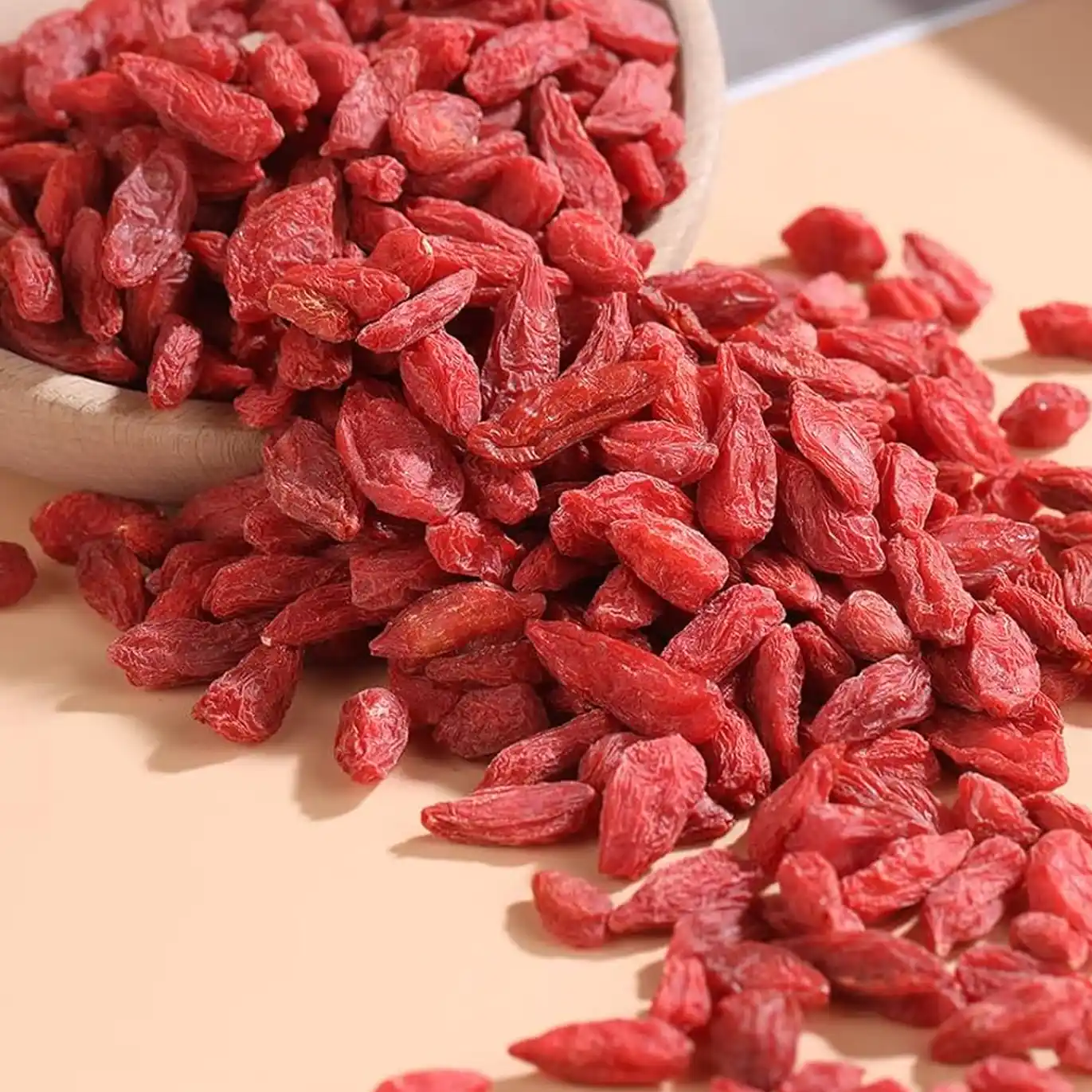
What Are Goji Berry Slices in Chinese Medicinal Herbs Supply?
In Traditional Chinese Medicine (TCM), goji berries (Gou Qi Zi) belong to the fruit and seed Chinese medicinals group. They’re used to “nourish liver and kidney” and to “brighten the eyes.” People throw them into soups, porridges, tonic wines and daily teas.
On the modern herbal side, dried goji slices are just a standardized decoction piece:
cleaned and sliced to a stable thickness
dried under controlled conditions
ready for decoction, tea bags, instant drink bases or snack blends
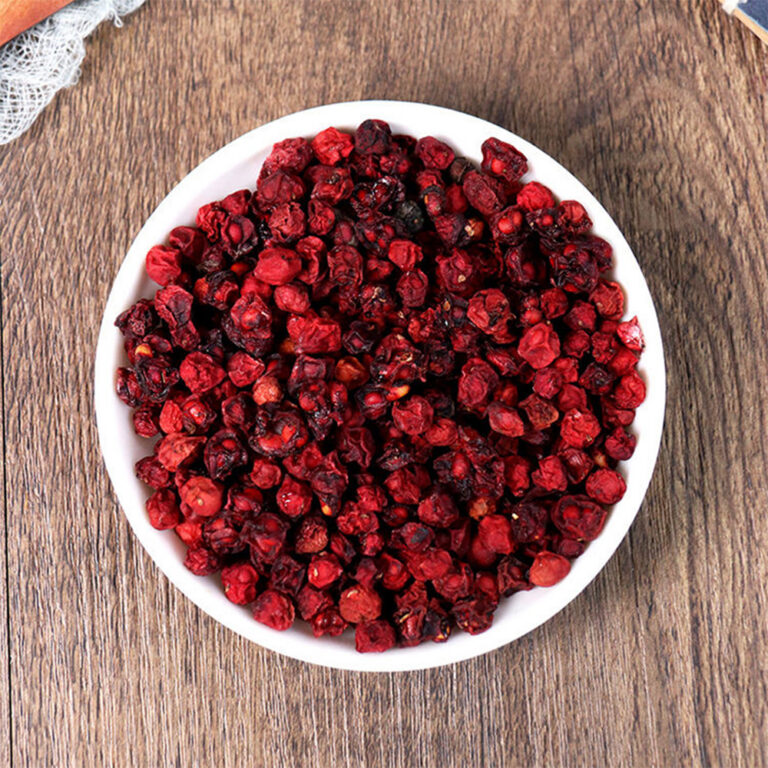
On the GuoCao site, goji berries sit inside the Fruit and Seed Chinese Medicines category together with hawthorn, Coix seed, Schisandra and other classic botanicals. These are exactly the plants brands call in when they build:
eye-health formulas
liver and kidney support blends
functional teas and enzyme drinks
snack products with a TCM story
GuoCao isn’t only a trader. It runs GMP Chinese herbal slice production lines, normal-temp / cool / modified-atmosphere warehouses, plus an ISO 22000 food safety system and third-party COA testing. Yearly capacity is about 2,500 tons of slices and related products. That means the goji slice you put into one SKU today can still be on-spec when you scale to alot more volume later.
Goji Berry Nutrition for Eye Health and Immune Support
Before we talk big claims, we look at simple nutrition. A typical 28 g serving of dried goji berries (roughly a small handful of slices) gives about:
Nutrient (per 28 g dried goji)
Approx. amount
Why it matters for eyes & immunity
Energy
~100–120 kcal
Easy to fit into daily intake
Fiber
~3–4 g
Feeds gut bacteria, links to immune balance
Protein
~3–4 g
Small but useful
Vitamin A (as carotenoids)
>100% daily need
Key for retina health and mucosal immunity
Vitamin C
~15–25% daily need
Supports immune cells, antioxidant role
Iron
~10% daily need
Helps oxygen transport and immune cell function
You don’t need to remember exact numbers. The big picture is clear:
Eyes – Vitamin A and carotenoids support the light-sensing cells and the tear film; they also protect the surface of the eye.
Immunity – Vitamin C, fiber and other antioxidants help white blood cells work better and recover from oxidative stress.
Gut – Fiber and some polysaccharides act like prebiotics, which is important because so much of your immune system lives in the gut.
From a product-dev view, this means you can justify goji slices in both eye health and immune support formulas without stretching the science too far.
Carotenoids and Macular Pigment Density in Goji Berries
Goji Berry Eye Health Benefits and Macular Pigment
In the eye-health world, two keywords keep coming back: lutein and zeaxanthin. They concentrate in the macula, the center part of the retina that you use to read, drive, and focus on a screen. These pigments work like a natural “filter” for blue light and help neutralize free radicals in the eye.
Goji berries are especially rich in zeaxanthin, often in a form called zeaxanthin dipalmitate, which seems pretty easy for the body to use. That’s one reason goji shows up in so many “vision” formulas in Asia and now more and more in global markets.
Human studies on middle-aged adults show that eating a small daily portion of dried goji berries for about three months can increase macular pigment optical density (MPOD). MPOD is basically how much protective pigment sits in the macula. Higher MPOD is linked with better protection against age-related macular degeneration risk.
The simple take-away you can use in copy:
Regular goji intake can help “build the eye’s internal sunglasses.”
Goji slices bring carotenoids in a food matrix, not just as isolated powder.
Practical Dose for Eye Health
In both traditional use and modern trials, common daily intake lands around 15–30 g of dried goji berries.
That’s roughly:
one small handful of goji berry slices eaten as a snack
For brands, this is convenient. You can design tea bags, soups, or instant drinks that deliver part of that range per serving and still leave room for other actives.
Vitamin C, Fiber and Immune Modulation in Goji Berry Slices
Goji Berry Immune Support Mechanism
On the immune side, goji blends two layers of action:
Basic nutrition
Vitamin C helps white blood cells work and protects them from oxidative stress.
Iron supports normal immune cell development.
Antioxidants in general lower the “oxidative noise” in the body.
Lycium barbarum polysaccharides (LBP)
These are complex sugars unique to goji.
They act as fuel for beneficial gut bacteria.
They modulate immune response: more balancing, less over-firing.
Animal and human studies show that LBP can increase certain immune markers, improve antibody responses, and reduce low-grade inflammation. In older adults, short trials with goji juice reported better immune parameters and better “overall feeling of health” scores.
Of course, goji is not medicine in the strict pharma sense. But as a daily immune-supporting botanical, it has enough data to stand in the same conversation as vitamin C, elderberry, or echinacea, with the extra TCM story on top.
Why Brands Like Goji for Immune Products
From the brand side, goji hits a few key points:
Familiar but still “exotic enough” – Consumers know it from snacks and social media, but they still see it as something special.
Clean label – Just dried fruit slices. No chemical sounding names.
Stackable – Easy to combine with mushrooms, roots, and other immune botanicals that GuoCao already supplies as Chinese herbs and spices.
For immune blends, you can drop goji slices into:
enzyme drinks
RTD teas
sachets for hot-drink mixes
soup bases and instant porridges
The taste profile is lightly sweet and a bit tangy, so formulating is not so hard.
Goji Berry Slices Application Scenarios for Supplements and Functional Drinks
If you only think “goji = tea,” you miss many use cases. Buyers who browse the GuoCao global herbal cases page can see goji appearing in multiple product types across markets.
Eye Health Formulas and Blue-Light Support Products
For eye-care SKUs, goji slices work in:
TCM-style formulas with chrysanthemum, cassia seed, and Schisandra
modern “blue-light support” teas for office workers and students
powder blends that combine goji with lutein, zeaxanthin and vitamins
Because goji is a visible red slice, it also gives a strong visual cue inside tea bags and gift boxes. Buyers don’t only feel the health message; they literally see it in the cup.
Immune, Liver and Anti-Fatigue Enzyme Drinks
Another hot area is herbal enzyme drinks. Night-shift workers, gamers, long-hour office staff all look for something that’s lighter than energy drinks but stronger than plain tea.
Goji slices here act as:
fermentation substrate for beneficial microbes
source of color, mild sweetness and antioxidants
part of the TCM story around “liver and kidney nourishment”
Articles on GuoCao’s site describe liver-support and anti-fatigue enzyme drink concepts for “night owls,” with goji plus grains, roots and fruits. If you already run a beverage plant, you can plug goji slices into your fermenter and let the LBP and fiber do part of the job for you.
Other Goji Berry Usage Scenarios
Beyond drinks and teas, goji slices go into:
instant soup and congee packs
TCM soup or hotpot packs for supermarkets
granola and snack bars that want a TCM twist
beauty and skin-health lines where “antioxidant from inside” is the claim
Because GuoCao supports OEM / ODM, you’re not stuck with one format. One company might take cut-size A for decoction, another might want a different cut for snacks. Same farm, same quality spec, different final use.
OEM and ODM Value: Why GuoCao Goji Berry Slices Work for B2B
For many buyers, the pain point isn’t “Is goji good?” It’s:
Can we import it legally?
Can the supplier pass audits?
Can we keep spec stable across batches and seasons?
This is where the manufacturing side of GuoCao matters.
GMP Production and COA for Goji Berry Slices
GuoCao runs GMP herbal slice lines plus an ISO 22000 food safety system. Each batch of goji slices can come with a proper COA: heavy metals, pesticide residues, micro limits and so on.
From the buyer side this means:
easier QA and internal approval
smoother communication with regulators and hospital / pharmacy clients
less time lost on back-and-forth over test items and limits
The company also offers support for Chinese herbal enzyme drinks, bagged teas, and blended herbal slices under OEM/ODM. So you dont have to coordinate ten suppliers for one new formula. One vendor handles root & rhizome, fruit & seed, flowers, whole herbs and barks, which fits well with a one-stop sourcing strategy.
Global Sales Regions and Import Support
GuoCao’s products already ship to the US, Europe, Australia, Japan, Korea, Canada, Malaysia, the Philippines and more than 30 countries and regions. That track record means:
your customs brokers aren’t the first ones to see these HS codes and docs
the spec sheets and packing standards are already aligned with export markets
you get real-world feedback from previous projects, not just theory
If you read the wholesale guide for importing herbal slices from China, you can see the checklists on registration, documents, and quality control that large pharma companies, supplement factories and hospital buyers care about.
In short, goji slices from GuoCao are not a one-off ingredient. They fit into a mature export and compliance system.
Dosage, Safety and Practical Tips for Goji Berry Slices
Typical Daily Intake
For healthy adults, traditional use and modern studies both point to around 15–30 g dried goji berries per day as a practical range for general health, including eye and immune support.
That can look like:
a handful of goji slices as a snack
a big cup of herbal tea with goji, chrysanthemum and other herbs
a sachet of instant soup or hot beverage that you drink once or twice a day
Safety and Who Should Be Careful
Goji is considered safe as a food in many countries and has a long record in TCM. Still, a few groups should be more careful:
people taking blood thinners or some anti-diabetic drugs
people with known allergy to goji or related plants
pregnant or breastfeeding women who should follow medical advice
Brands usually add a simple line on the label: “If you take medication or have a medical condition, talk with your doctor before use.” That keeps expectations realistic and protects both the user and your company.
Conclusion: Goji Berry Slices for Eyes, Immunity and Brand Growth
When you look at both science and market practice, goji berry slices earn their place as a “superfood for eyes and immunity”:
They carry vitamin A, vitamin C, iron, fiber and unique polysaccharides in a small serving.
Carotenoids in goji support macular pigment and help the eye handle light and oxidative stress.
Fiber and polysaccharides support gut microbiota and immune balance.
The format – dried slices – fits tea bags, decoctions, enzyme drinks, snacks and more.
For brand owners, the story is even more simple:
One ingredient, many SKUs, clear story, stable supply.
With GuoCao as your wholesale Chinese medicinal herbs and spices supplier, you plug into GMP herbal slices, ISO 22000, global export experience and real OEM/ODM support. You can build eye-health teas, immune drinks, beauty blends and more, all with the same goji slice at the core.
If your next project needs a clean, data-backed plant that speaks both TCM language and modern nutrition language, goji berry slices are honestly very hard to beat.
Our low MOQ of 1 kg (2.2 lb) makes it easy to order Chinese herbal slices or wholesale Chinese medicine herbs. Private-label and bilingual labeling are also available.
Delivery Cycle & Support
We have a fast 7-day lead time. We provide free samples, COA reports, and technical support to help you bring high-quality bulk Chinese herbs to market.
Quality & Certifications
Our products are manufactured in a GMP-certified facility and meet ISO22000 standards. All Chinese herbs are third-party tested for heavy metals, pesticides, and microorganisms.