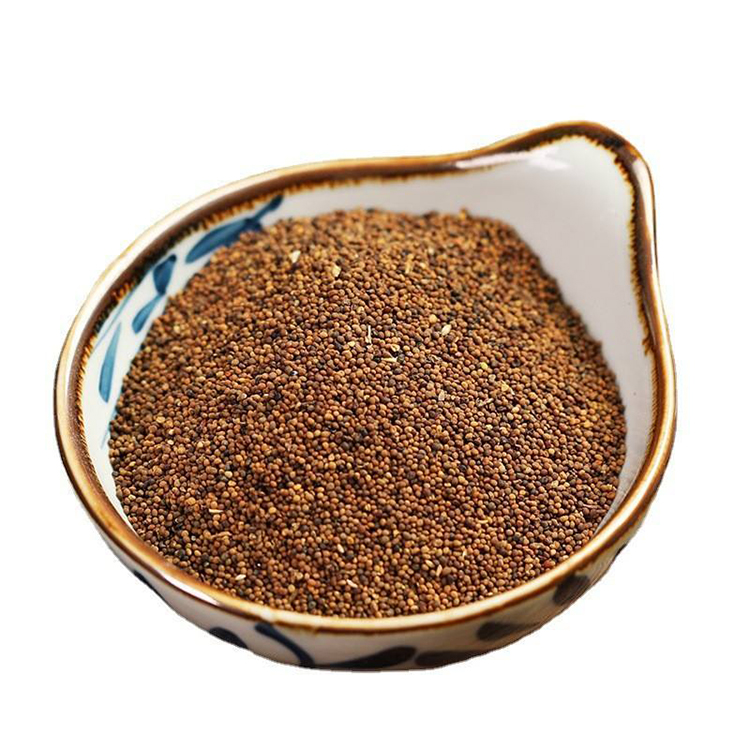
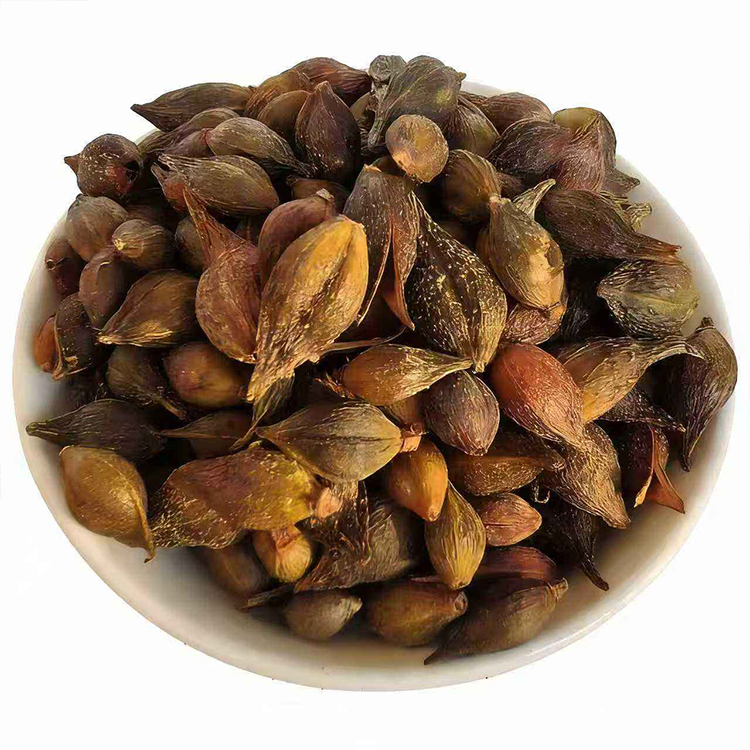
Dictamnus Bark: Botanical Identity Checks for Bulk Purchasing
Learn how to confirm Dictamnus bark (Dictamni Cortex) identity before bulk orders: species, plant part, bench checks, lab tests, COA review and carton sampling.
Dictamnus bark is trade shorthand for the dried root bark of Dictamnus dasycarpus Turcz., listed in pharmacopoeial and trade documents as Dictamni Cortex or Bai Xian Pi. Buyers who ask only for “Dictamnus bark” leave room for three avoidable problems: the wrong species, the wrong plant part, and a certificate of analysis (COA) that never names either. The material is brittle, pale, and easy to confuse with other quilled root barks once it is cut into pieces, so a photograph proves very little. This guide sets out the identity checks that procurement and QC teams can apply before and after shipment: what to write into the specification, what to look for on the bench, which laboratory tests confirm identity, and how to sample a lot so the result represents the whole delivery.
What Exactly Are You Buying When You Order Dictamnus Bark?
You are buying the root bark of Dictamnus dasycarpus, a member of the Rutaceae family. The Hong Kong Government Chinese Medicines Testing Institute’s identification leaflet for Cortex Dictamni defines it as the dried root bark of that species, and notes that the Chinese Pharmacopoeia (2025 edition) uses the name Dictamni Cortex. The same leaflet lists Hebei, Liaoning, Heilongjiang, Jilin, Inner Mongolia and Shandong among the main production areas.
Two points in that definition matter for purchasing:
Plant part. “Bark” without “root” is ambiguous. A trunk bark or stem bark is a different material with a different specification.
Species. The genus contains more than one name that can appear in commercial documents. The Journal of Pharmacy and Pharmacology review of Dictamnus dasycarpus states that the Chinese Pharmacopoeia registers one species of the genus as Bai-Xian-Pi, and that species is D. dasycarpus. A mouse toxicity study in Molecules notes that two Dictamnus species occur in China, D. dasycarpus and D. angustifolius, so a supplier writing only “Dictamnus spp.” is not giving you a pharmacopoeial identity.
Taxonomy adds one more wrinkle. The Wikipedia entry for Dictamnus dasycarpus, which cites Plants of the World Online, treats it as an accepted species native from southeast Siberia to China and Korea, while noting it has also been treated as a variety of Dictamnus albus. That is why some documents refer to Dictamnus albus var. dasycarpus. Neither name should surprise you, but your specification should still name the pharmacopoeial species so that an exporter, a laboratory and a customs broker are all describing the same thing. Buyers who want to see how this item is presented commercially can start with the Dictamni bark (Bai Xian Pi) wholesale supply listing and compare its stated naming with the fields below.
Identity Fields to Lock Into the Purchase Specification
Specification field
What to write
Why it matters
Latin binomial
Dictamnus dasycarpus Turcz.
Excludes other Dictamnus species and unrelated look-alikes
Pharmacopoeial name
Dictamni Cortex
Matches the monograph a laboratory will test against
Pinyin and common name
Bai Xian Pi; Dictamnus bark
Prevents mismatches between invoice, label and COA
Plant part
Dried root bark
Separates it from stem or trunk bark materials
Cut form
Whole quills, sections, or slices, with size range
Affects dust, fines and how reliably you can inspect morphology
Origin
Province and, where available, harvest year
Supports traceability and lot-to-lot comparison
Reference standard
Pharmacopoeial edition you test against
Avoids disputes over which method and limits apply
Which Documents Should Arrive Before the Goods?
Ask for documents that tie the botanical name to a specific lot, not to the supplier in general. At minimum, request a COA with the lot number, Latin name, plant part, test methods and limits, plus origin and processing records and a packing list whose product name matches the COA. A reasonable test of a supplier is whether the same Latin name appears, unchanged, on every document.
For broader supplier screening, including what a COA should contain and how to separate claims from proof, the bulk sourcing guide for bark Chinese medicinal materials covers the general framework. For Dictamni Cortex specifically, add two requests:
A photograph of the actual lot beside a ruler, showing both outer and inner surfaces.
The identification method used on the lot: macroscopic only, microscopy, thin-layer chromatography (TLC), or HPLC against reference standards.
A COA that says “pass” without naming the method is a weak identity record, whatever the headline result.
How Do You Verify Dictamni Cortex by Eye, Hand and Nose?
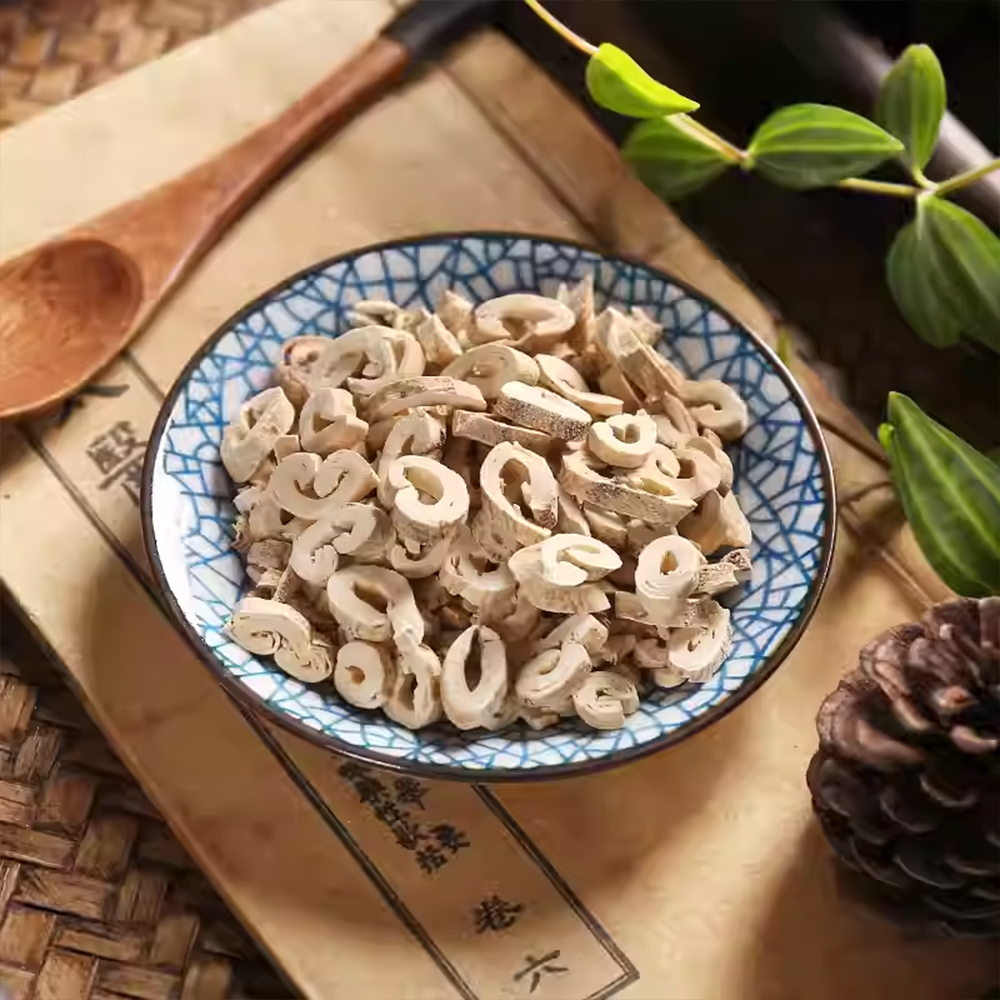
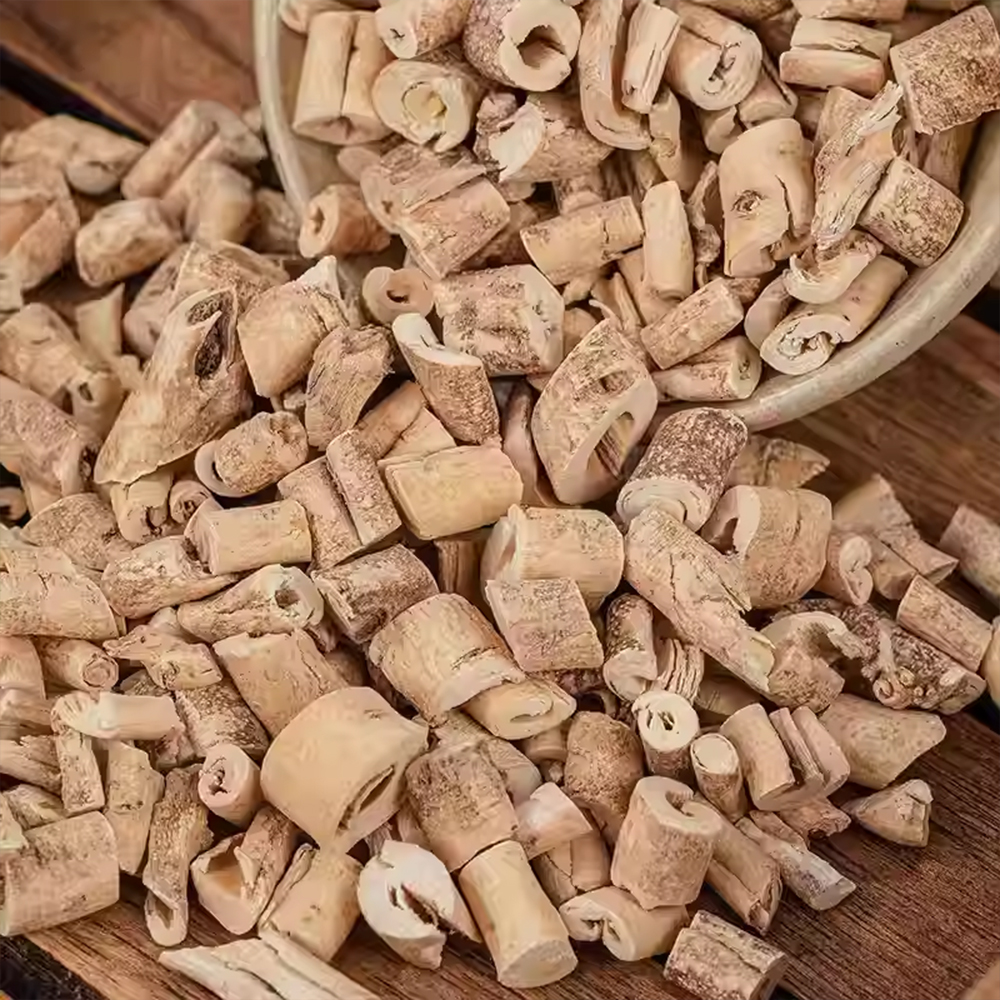
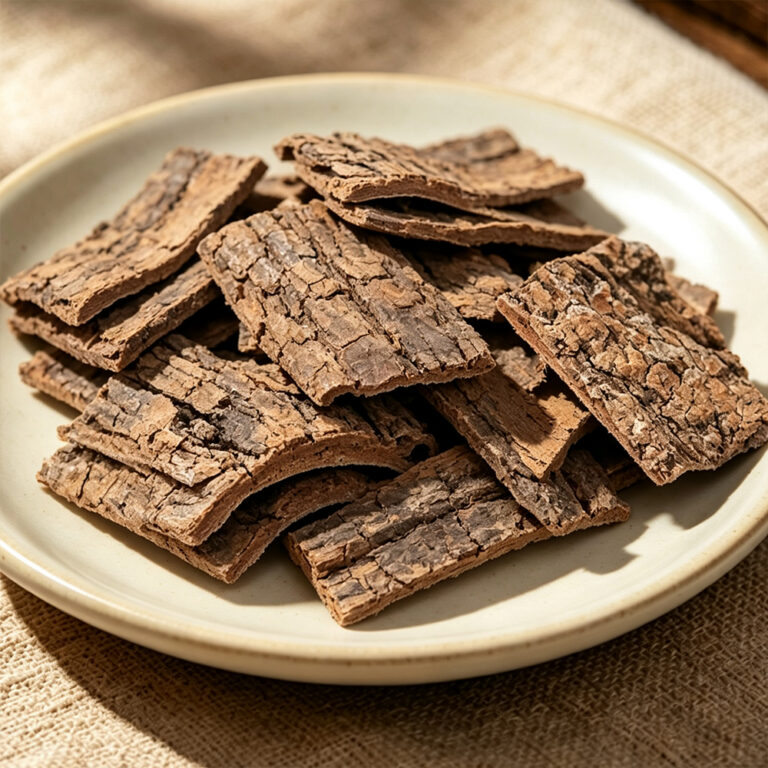
Macroscopic checks are a screening step, not proof of identity. Their value is that they are fast, cost nothing, and catch gross errors before you spend on laboratory work. Using the Hong Kong GCMTI description as the reference, the features to compare against a retained authentic sample are:
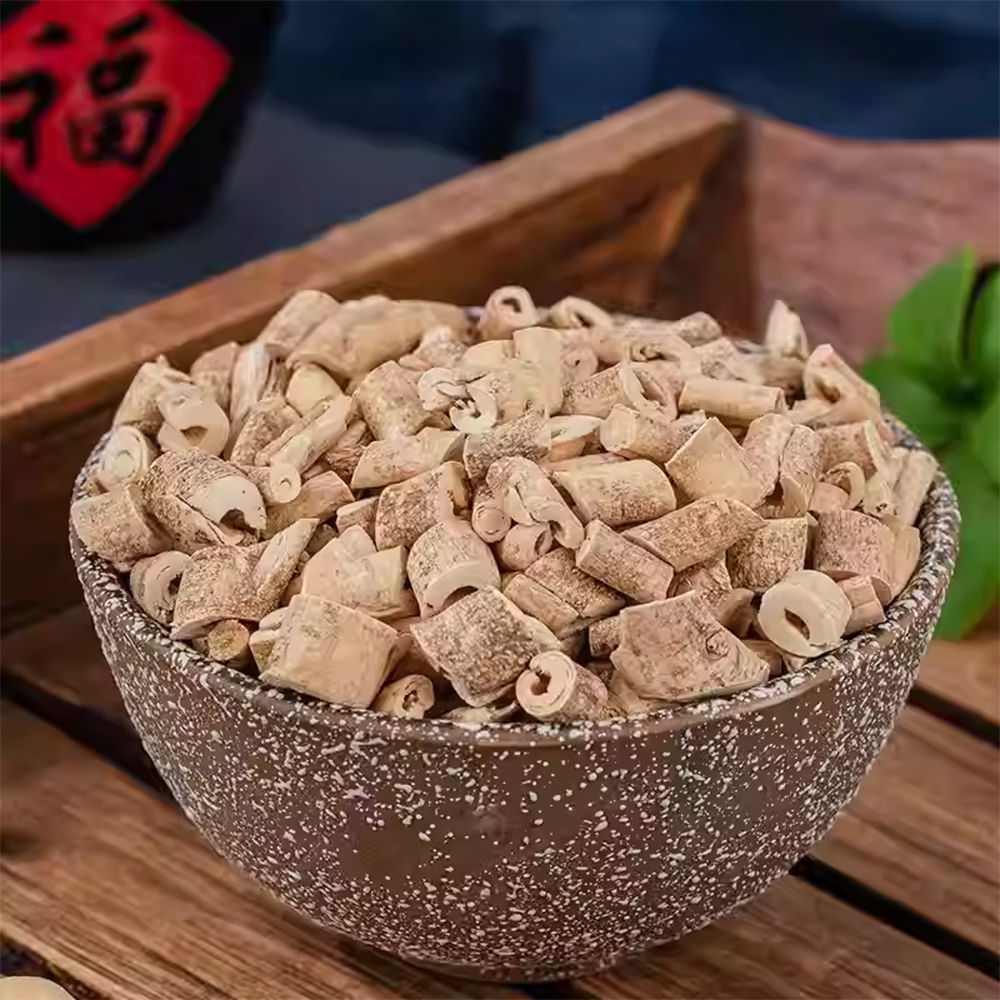
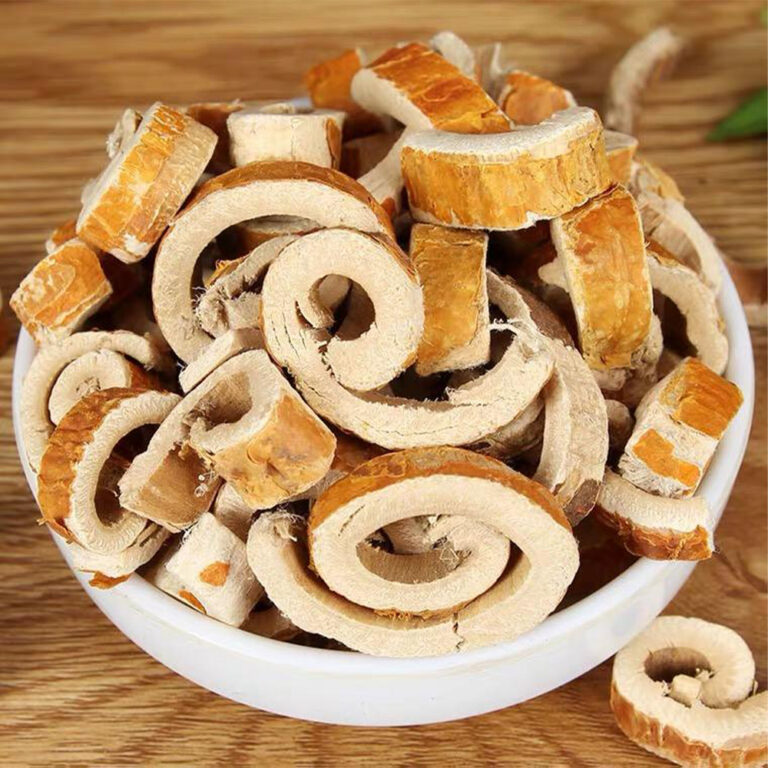
Shape: quilled or semi-quilled pieces of varying length. After cutting, thick slices that are round, sub-rounded or quilled and hollow, some broken.
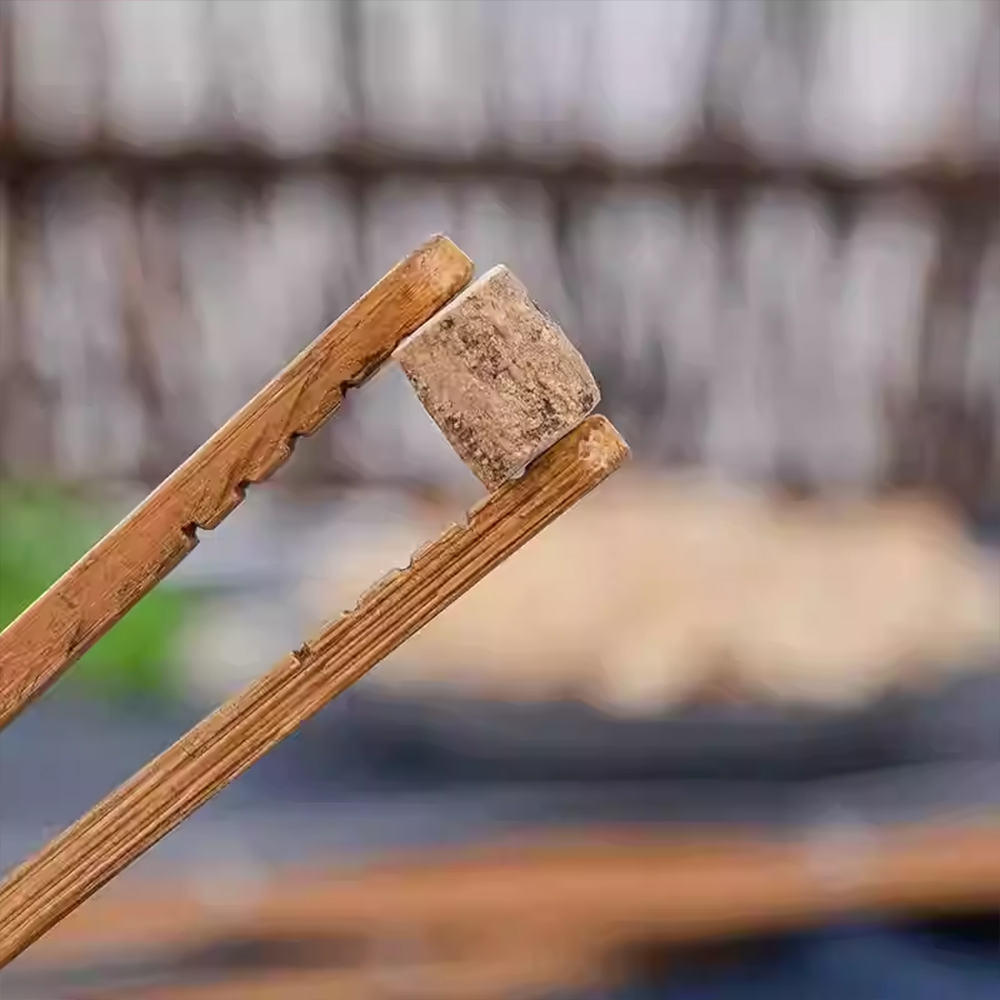
Outer surface: greyish-white, yellowish-white or light greyish-yellow cork with fine wrinkles and small rootlet scars, usually with protruding dots, and no lenticels.
Inner surface: light yellow or yellowish-white with fine, straight striations.
Texture and fracture: fragile and easily broken, with dust rising on breaking. The fracture is uneven and appears slightly laminated.
Odour: muttony.
Two of these deserve extra attention in bulk lots. First, the fragility is a handling issue as well as an identity feature. A brittle material that throws dust when snapped will generate fines in transit, so specify a maximum fines percentage and a screen size rather than accepting “normal” breakage. Second, odour is the quickest field test and also the least reliable on its own. Aroma can fade with age and poor storage, and a sniff test depends on the inspector, so compare against a sealed reference sample rather than memory.
Look-Alike Risks: Dictamni Cortex Versus Other Pale or Yellow Barks
Several bark herbs in the same inventory can be mistaken for one another when handled as loose pieces. The table compares the identity anchors that differ.
Material
Plant part and species
Identity anchors to check
Typical confusion risk
Dictamni Cortex (Bai Xian Pi)
Root bark, Dictamnus dasycarpus
Quilled pieces, wrinkled pale cork with protruding dots, laminated fracture, muttony odour
Mixed lots, other Dictamnus species, wrong plant part
Phellodendron bark (Huang Bai)
Trunk bark, Phellodendron chinense or P. amurense
Yellow colour and pronounced bitterness; species must be stated
Colour-led approval without species or alkaloid data
Mulberry root bark (Sang Bai Pi)
Root bark, Morus alba, outer cork removed
Peeling completeness, drying and moisture records
Pale root bark pieces mislabelled or mixed during packing
The comparison with Phellodendron is instructive because the failure mode is the same even though the checks differ. GuoCao’s Phellodendron bark bulk supply guide on color, bitterness and origin argues that a vivid yellow colour says little about species or alkaloid content. For Dictamni Cortex, the equivalent trap is a pale, quilled appearance and a faint muttony smell accepted in place of a documented species and a laboratory result.
Which Laboratory Tests Confirm Identity?
Because the bench checks cannot rule out a substitute that looks similar, identity should be confirmed by at least one instrumental or microscopic method, chosen according to your risk tier.
Powder microscopy. The Hong Kong leaflet describes frequent clusters of calcium oxalate, scattered or inlaid in fibre walls, along with long, thick-walled fibres and mostly simple, sub-rounded starch granules. Cork cells are described as barely found. Microscopy is a good option when the lot is cut or powdered.
TLC and HPLC against reference standards. A 2019 paper on Dictamni Cortex quality control in Molecules reports that obacunone and fraxinellone are the two compounds used as quality-control markers in the Chinese Pharmacopoeia edition it cites, and that TLC bands of four crude-drug samples matched those standards. The Journal of Pharmacy and Pharmacology review makes the same point about content-determination indicators.
DNA-based methods. Where powder or deep-processed material removes visible features, DNA barcoding can add confidence. Ask your laboratory whether a validated reference exists for this species before relying on it.
Do not copy numeric limits from a blog or a supplier brochure. Marker-compound minimums and test methods change between pharmacopoeial editions. Write the edition into the contract, and have your laboratory confirm the current monograph.
Why a Higher Marker Reading Is Not Automatically a Better Lot
The conventional assumption is that more of the marker compound means better material. For this herb, the assumption needs qualification. The Molecules mouse study found that Cortex Dictamni extracts showed potential hepatotoxicity at high dose, and identified dictamnine, obacunone and fraxinellone as possible toxic components, with dictamnine the most likely. Those findings come from animal and cell-based work, and they do not establish a risk at any particular finished-product dose. They do mean that “highest possible marker content” is a poor purchasing target.
A more defensible specification asks for a pharmacopoeial minimum for the quality markers, plus lot-to-lot consistency against an approved reference lot. Brand owners should also take regulatory and labelling advice for the destination market before positioning a finished product, and avoid health claims that the supplier’s data cannot support.
How Many Cartons Should You Open for Incoming Inspection?
Open enough cartons that the sample represents the lot, and spread your picks across them. A bark lot rarely fails evenly: one carton can hold more fines, a damp pocket, or a mislabelled bag while the others are fine. If you only open the two cartons nearest the pallet edge, you have sampled those two cartons.
The barks sampling plan for fair incoming inspection combines an AQL plan under ISO 2859-1 or ANSI/ASQ Z1.4, which decides how many units to inspect, with a carton-selection rule that decides how many cartons to open. Applied to Dictamni Cortex, a practical sequence is:
Quarantine the lot on arrival and match lot numbers across cartons, inner bags, the COA and the purchase order.
Select cartons at random rather than letting the warehouse choose.
Compare outer surface, inner surface, fracture and odour with the retained reference sample, and record fines and foreign matter.
Build a composite laboratory sample from increments across several cartons, and run identity testing on that composite.
Release, hold for retest or reject against criteria written before shipment.
An illustrative case shows why step 4 matters. Imagine a 600 kg lot where the COA names the correct species, but one carton in several contains a different root bark of similar colour. A composite sample can dilute that carton below the detection threshold of a marker assay, while a TLC or microscopy check on increments from individual cartons is more likely to flag the anomaly. This is a hypothetical scenario, not a reported incident, but it describes the sampling logic well.
What Should Drying, Storage and Cut Specifications Cover?
Identity and condition are linked. Poor drying or storage changes appearance, aroma and microbial stability, which is exactly what your sensory checks rely on. The same principles used for another pale root bark apply here: record the drying endpoint as a measured water-content result rather than “dry to the touch”, test moisture close to shipment, and protect the material from moisture reabsorption in the warehouse. GuoCao’s guide on mulberry root bark sourcing, peeling, drying and storage requirements sets out those controls in detail, and most of them transfer to Dictamni Cortex even though the two species and the peeling step differ.
For cut form, decide how the material will be used:
Whole quills or sections preserve morphology, so identity checks are easier, but they take more space and need careful packing to limit breakage.
Slices suit decoction-piece and tea applications, and make a size and fines specification necessary.
Powder removes most visual evidence. Treat it as a higher-risk format that requires microscopy or chemical identification on every lot.
What Should You Include in an RFQ for Dictamni Cortex?
A complete request lets the supplier quote accurately and gives you a basis to reject non-conforming goods. Include:
Latin binomial, pharmacopoeial name, plant part and the pharmacopoeial edition you test against.
Cut form, size range and maximum fines percentage.
Required origin or acceptable province, and harvest-year preference.
Moisture limit and the test method you will use to verify it.
Contaminant panel appropriate to your market: heavy metals, pesticide residues and microbiology, plus other tests your regulator or customer requires.
Identity method to be shown on the COA, and whether you require a pre-shipment sample from the same lot.
Packaging, labelling and language requirements, and retained-sample policy.
Destination country, delivery schedule and shipping method.
What Should You Verify Before Approving a Supplier?
Before placing a first commercial order, confirm that the supplier can show the Latin name, plant part and origin consistently across documents, that the COA lists methods and limits for the actual lot, and that a pre-shipment sample matches the retained reference. Ask what identity testing is performed on each lot and who performs it. GuoCao’s product page states that COA reports and free samples are available, so request them for the specific lot you intend to buy rather than for a generic sample.
Buyers comparing Dictamni Cortex with neighbouring materials can review the full Chinese medicinal bark materials category before finalising a specification, then submit a specification-based inquiry instead of a price-only request.
Frequently Asked Questions
Is Dictamnus bark the same as Dictamni Cortex and Bai Xian Pi?
Yes, in trade usage. All three names refer to the dried root bark of Dictamnus dasycarpus. The pharmacopoeial name is Dictamni Cortex. Because “bark” can imply stem or trunk bark, purchase documents should state “root bark” and the Latin binomial.
Is Dictamnus albus acceptable instead of Dictamnus dasycarpus?
Not without agreement in writing. Some databases treat D. dasycarpus as a variety of D. albus, but the Chinese Pharmacopoeia registers D. dasycarpus as Bai Xian Pi. Specify the pharmacopoeial species so the supplier, laboratory and customs documents agree.
What does good Dictamni Cortex look like?
Reference descriptions give quilled or semi-quilled pieces with a greyish-white to light greyish-yellow wrinkled outer surface, protruding dots, a light yellow inner surface, a brittle laminated fracture and a muttony odour. Compare lots with a retained authentic sample, then confirm by testing.
Which tests confirm Dictamni Cortex identity?
Powder microscopy, TLC and HPLC against reference standards are the common options. The Chinese Pharmacopoeia uses obacunone and fraxinellone as quality markers in the editions discussed in the cited literature. Confirm methods and limits against the current edition.
How can I tell Dictamni Cortex from other pale root barks?
Use several features together: wrinkled pale cork with protruding dots, laminated fracture, muttony odour, and microscopic calcium oxalate clusters. No single feature is decisive, so combine bench checks with a documented laboratory identity test on a composite sample.
How many cartons should I open when inspecting a bark lot?
Enough to represent the lot, chosen at random, with units drawn across all opened cartons. Combine an AQL plan with a carton-selection rule, and pull laboratory samples from multiple cartons rather than a single convenient one.
Are there safety concerns buyers should know about?
Published animal and cell studies have flagged dictamnine, obacunone and fraxinellone as possible hepatotoxic components of Cortex Dictamni. These findings do not define a risk at a given finished-product dose, but buyers should seek regulatory advice for their market and avoid unsupported claims.
Our low MOQ of 1 kg (2.2 lb) makes it easy to order Chinese herbal slices or wholesale Chinese medicine herbs. Private-label and bilingual labeling are also available.
Delivery Cycle & Support
We have a fast 7-day lead time. We provide free samples, COA reports, and technical support to help you bring high-quality bulk Chinese herbs to market.
Quality & Certifications
Our products are manufactured in a GMP-certified facility and meet ISO22000 standards. All Chinese herbs are third-party tested for heavy metals, pesticides, and microorganisms.