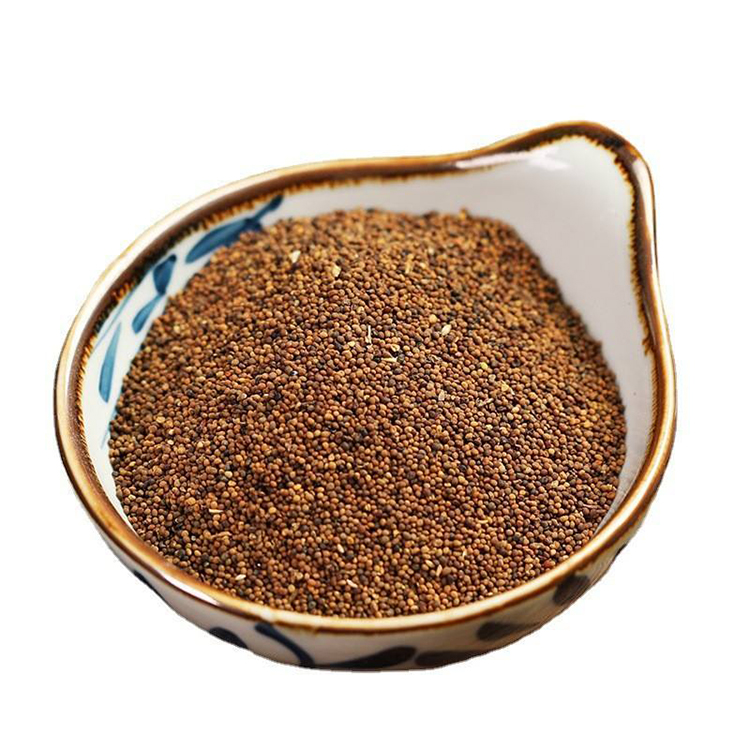
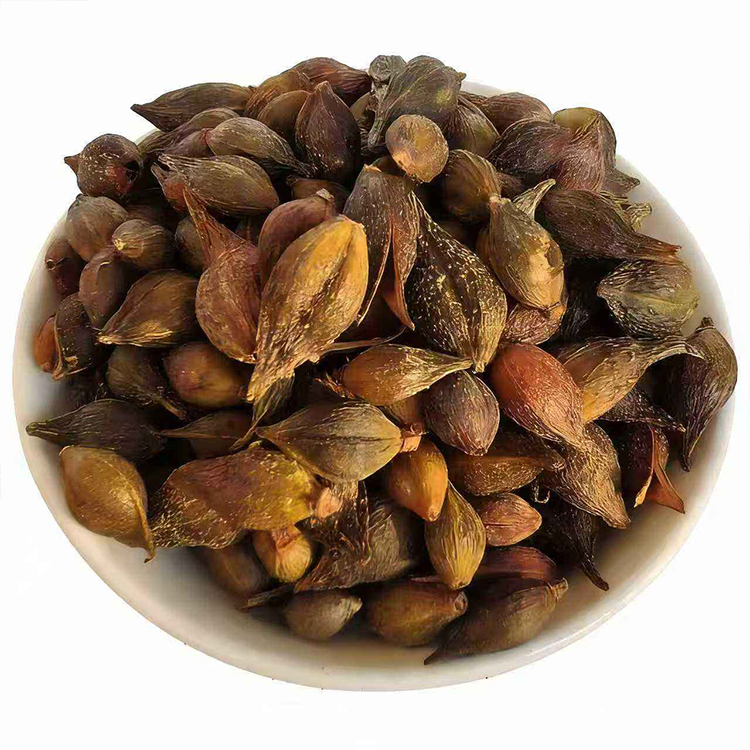
Bitter Apricot Seed: Identity and Handling Questions for Buyers
Species, plant part, processing form, COA tests and storage: the identity and handling questions B2B buyers should settle before requesting a quote for bitter apricot seed (Ku Xing Ren).
Bitter apricot seed is the dried kernel sold in Chinese herbal trade as Ku Xing Ren. It is one of the few common herbal seeds where an identity error or a handling gap turns into a safety and import problem, not just a quality complaint. The seed contains amygdalin, a cyanogenic glycoside, so a purchase order that says only “apricot seed” leaves too much open: the species, the plant part, the processing form, the intended use, and the test that proves the lot matches its paperwork. This guide covers the identity and handling questions procurement and QA teams should settle before requesting a quote. It also shows how to turn them into a specification a supplier can answer in writing.
What Is Bitter Apricot Seed, and Which Names Refer to It?
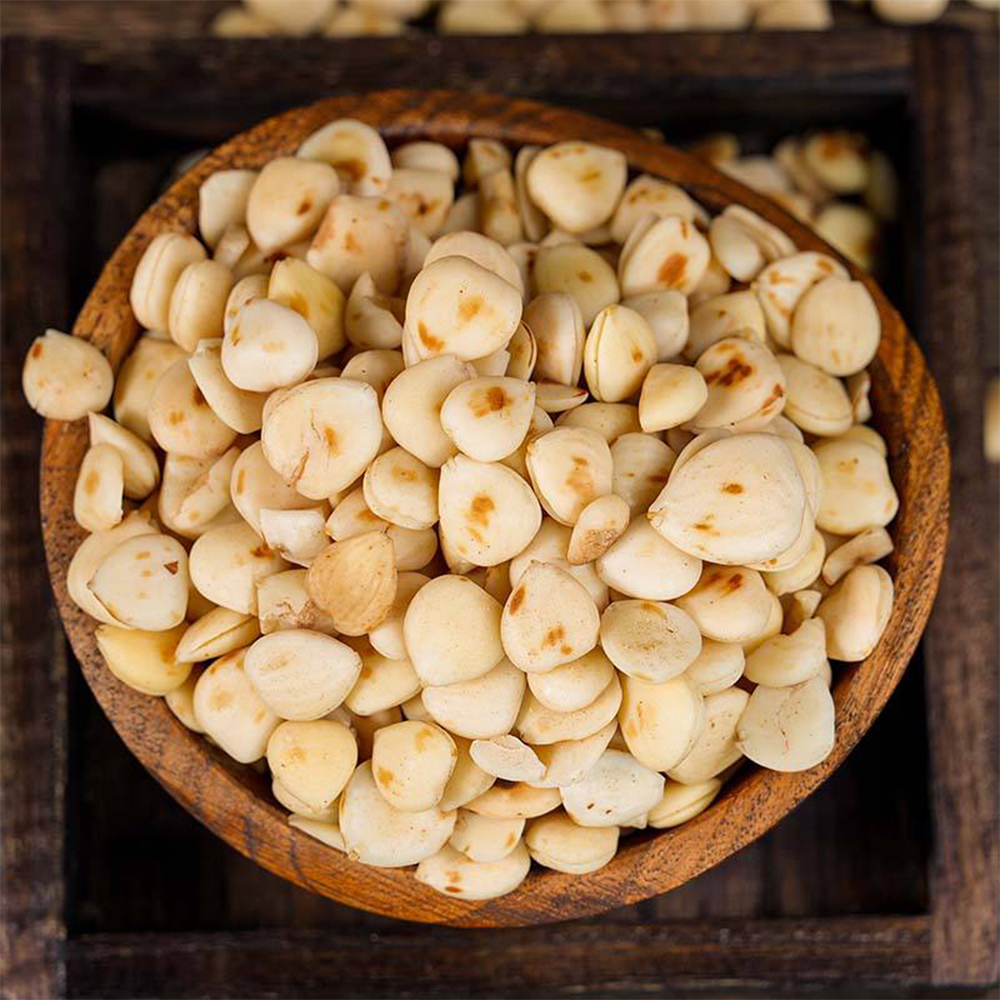
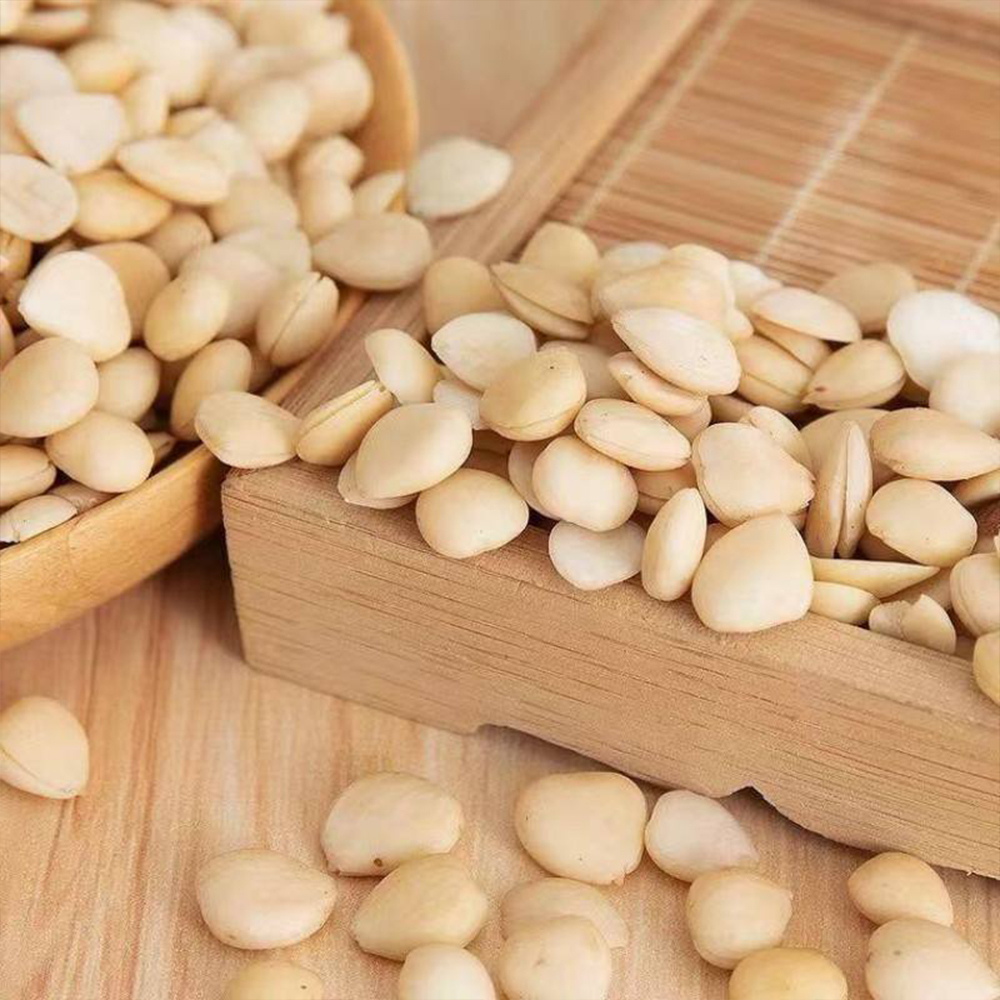
Bitter apricot seed is the dried ripe seed of certain Prunus species, listed in the Chinese Pharmacopoeia as Armeniacae Semen Amarum and traded as Ku Xing Ren. A 2024 review in Frontiers in Pharmacology reports that the 2020 edition of the Chinese Pharmacopoeia defines it as the dried ripe seeds of Prunus armeniaca L. var. ansu Maxim., Prunus sibirica L., Prunus mandshurica (Maxim.) Koehne, or Prunus armeniaca L.
Two practical consequences follow for buyers.
The botanical source is not one fixed species. A monograph that accepts several sources means “Prunus armeniaca” on a listing is not the whole story. Ask which source species is in your lot and whether it matches the pharmacopoeia or specification you work to.
Trade names overlap. The same review lists “bitter almond” and “apricot kernel” as alternative names for the material. In the wider food trade, “bitter almond” is also commonly applied to a different tree’s seed (Prunus dulcis var. amara). A label carrying only a common name is a description, not an identity statement.
A safe naming convention for a purchase order combines the pharmacopoeial name, the Pinyin name and the Latin source. For example: “Armeniacae Semen Amarum (Ku Xing Ren), seed of Prunus [named source species].”
Which Identity Questions Should Be Settled Before You Request a Quote?
Five ambiguities cause most of the avoidable disputes with this material. The table shows what to write into the specification and what to ask the supplier to prove.
Ambiguity
Why it matters
What to specify
What to verify
Name on the label
Common names such as “apricot seed” and “bitter almond” are used loosely across herbal and food trade
Pharmacopoeial name + Pinyin + Latin source
Same name appears on invoice, COA, packing list and label
Botanical source
The pharmacopoeia accepts more than one source
Accepted source species, or “per [monograph edition]”
Written botanical identity statement from the supplier
Plant part
Seed (kernel) versus shell fragments or whole stones changes yield, cleanliness and test results
“Kernel, shell removed,” with a foreign-matter limit
Batch photos and a retained sample
Bitter apricot versus other stone-fruit kernels
Canada’s import inspectors check that the product is apricot kernel and not another stone fruit’s kernel
Bitter apricot seed only
Lot-specific identity records, not a general assurance
Processing form
Raw, blanched, peeled, stir-fried, broken or powdered material differs in testing, storage and labeling
One named form per SKU
Processing statement that matches the form tested
Canada’s food regulator shows why the fourth row matters. In its operational procedure for verifying cyanide in imported apricot kernels, inspectors are told to confirm the product description against the HS code. The aim is to make sure the import is apricot kernel and not the kernel of another stone fruit. If your customs documents, label and COA use three different product names, you create the kind of mismatch that attracts questions.
One safety point for incoming inspection: do not build taste-testing into routine identity checks for a cyanogenic-glycoside material. Use documents, visual comparison against a retained reference sample, and laboratory methods instead.
How Does Processing Form Change the Specification?
Processing form changes what you are buying, so it belongs in the specification and not in a side note. The Frontiers review states that the Chinese Pharmacopoeia lists a stir-fry (“clear fried”) method and the “chan” method for processing the seed. Its table of pharmacopoeial formulas also calls for the seed in distinct states, including “peeled and stir-baked” and “rinsed with boiling water.” A customer’s formula may therefore require a specific form, and a generic “Ku Xing Ren” shipment may not match it.
Form also affects risk and testing. The review describes amygdalin being hydrolyzed by β-D-glucosidase into benzaldehyde and hydrocyanic acid. Crushing and wetting bring the compound and the enzyme into contact, which is why cracked, broken or powdered material deserves its own documentation. Regulators cover powder too: the CFIA procedure notes that apricot kernels may be ground and sold as powders and meals. A practical rule, which is my inference and not a regulatory requirement, is that the test sample should be the same form and the same lot as the material you receive. A COA for whole kernels does not describe a powder milled from another lot.
For process records, this overview of common Chinese herb processing methods lists controls buyers can request for heat-processed materials: temperature curve, end-point color, dwell time and a roast log. Ask for the equivalent records if you specify a stir-fried or otherwise heat-treated form.
Is a Higher Amygdalin Result Always Better?
No. Amygdalin is a quality marker in one context and a risk indicator in another. A lot can look excellent against one standard and fail another.
In herbal pharmacology, amygdalin is the reference compound. A 2025 study in BMC Plant Biology on Semen Armeniacae Amarum describes it as widely recognized as a key quality marker for standardizing the material. A herbal-material buyer may therefore want amygdalin reported.
Food regulators look at the same chemistry from the opposite direction. As described in the CFIA procedure, Health Canada’s maximum level is 20 ppm total extractable cyanide. It applies to apricot kernels sold for human consumption or used as an ingredient in other foods, and took effect on January 25, 2020. In Europe, EFSA’s 2016 assessment, as reported by Food Safety News, set an acute reference dose of 20 micrograms of cyanide per kilogram of body weight. It estimated that an adult could eat three small raw kernels (370 mg) without exceeding that dose. For toddlers, the figure was about 60 mg.
Intended use
What the evidence emphasizes
Specification question to ask
Herbal raw material (decoction pieces, extraction)
Pharmacopoeial identity; amygdalin as a marker
Which monograph and edition? Is amygdalin reported by a named method?
Food ingredient or food product (Canada)
Total extractable cyanide of 20 ppm or less, verified by lot records
Is total cyanide reported for each lot, by an accredited laboratory?
Consumer exposure assessment (EU context)
Acute cyanide exposure per serving
Can the finished-product dose be assessed against the acute reference dose?
Any market not listed here
Not verified in this article
Has regulatory counsel confirmed the product class, label claims and import rules?
The point is not that amygdalin testing is optional. “High quality” has no meaning until you fix the use class. Amygdalin and total cyanide are different measurements. A supplier who cannot explain which one a COA reports, and why, has not matched the document to your market. This article did not verify current US or EU import requirements for this item, so confirm destination-market rules before committing to a product concept or label claim.
What Should a Bitter Apricot Seed COA and Handling File Contain?
Certificate of analysis fields
A usable COA is lot-specific, shows measured values and ties back to the identity record. At minimum, look for:
Botanical identity, plant part, processing form and batch number
Origin and production or harvest date
Amygdalin and/or total cyanide results, with method, unit and laboratory name
Pesticide residue, heavy metal and microbial results where your market requires them
Acceptance limits next to the measured values, not just “pass”
The CFIA procedure is a useful benchmark for how seriously to treat the paperwork. Inspectors are told to verify that records correspond to the lots in question, and that a supplier’s letter of guarantee does not demonstrate compliance. For foreign laboratory results, they check for ISO/IEC 17025 accreditation and confirm the method is within the lab’s accredited scope. That guidance is written for Canadian food imports, so it is a benchmark and not a rule for every market. The logic still transfers: a lot-matched report from an accredited lab outranks a promise.
Regulations rarely spell out day-to-day handling for this material. The items below are reasonable controls to request, not mandated requirements.
Packaging and storage condition. Ask how the seed is packed and stored between processing and shipment. Kernels are oil-rich, so moisture, heat and long storage are legitimate quality concerns. Ask for moisture results and check odor at receipt.
Segregation. If one supplier ships several seeds, ask how lots are separated and labeled to prevent mix-ups. The fruit and seed category lists 23 products, which illustrates how many seed and fruit lines a single supplier may carry.
Powdering and wet processing. If you will mill or extract the seed, have your EHS and QA teams review the safety data and ventilation plan first, given the hydrolysis chemistry described above.
Lot labeling in your own warehouse. Keep the supplier’s batch number, your receipt number and the COA together, so a customs query or customer audit can be answered quickly.
How Do You Evaluate a Bitter Apricot Seed Supplier?
Judge the supplier on whether the identity, test, processing and shipping documents agree with each other. Here is an illustrative scenario (hypothetical, not a real case). A buyer receives a COA titled “Apricot Seed” with a batch number that differs from the packing list by one digit, and no method listed for the cyanide-related result. Nothing in the paperwork proves the material is wrong, but nothing proves it is right, and the QA team cannot release it. Catching that at supplier qualification is cheaper than catching it at the dock.
These questions separate a documented supplier from a quote-only supplier:
Can you state the source species for this lot in writing?
Which form was tested, and does it match the form shipped?
Which laboratory ran the amygdalin or cyanide test, under what method, and is it accredited?
Do the product name and batch number match across invoice, COA, label and packing list?
Will you hold a retained sample of each lot we receive?
How do you separate this seed from other seed lines during processing and storage?
Treat price with care as well. A lower per-kilogram quote can carry a higher total cost if a lot is held at import, retested or rejected by your customer. For a safety-sensitive material, the lowest unit price is often not the lowest landed cost.
What Should Buyers Specify Before Requesting a Quote?
Send the supplier a one-page specification so the quote reflects the actual product. Include:
Product name: pharmacopoeial name, Pinyin and Latin source species.
Plant part and form: kernel without shell, and whole, broken, peeled, stir-fried or powdered.
Intended use class: herbal raw material, food ingredient or further processing, plus destination country.
Required tests: amygdalin and/or total cyanide, pesticides, heavy metals and microbials, with methods and reporting units.
Documents per lot: COA, origin and processing statement, and any export paperwork your market needs.
Order quantity, delivery schedule and packaging format.
Sample requirements: retained sample, pre-shipment sample, or both.
Labeling: private-label or bilingual requirements, with claim language reviewed by your regulatory advisor.
Buyers who want to review a commercial listing can start with the Ku Xing Ren bulk supply page. It identifies the item as Prunus armeniaca with the Pinyin name Ku Xing Ren, and states that free samples and COA reports are available. Before you rely on it, confirm in writing which test items the COA covers for this specific seed, and which source species and form apply.
Frequently Asked Questions
What is the difference between bitter apricot seed and apricot kernel?
The terms often refer to the same material. In Chinese herbal trade, bitter apricot seed is Ku Xing Ren (Armeniacae Semen Amarum). In food trade, “apricot kernel” is the general term. Specify the Latin source, form and use so the names cannot be read differently.
Which species can bitter apricot seed come from?
According to a 2024 review of the 2020 Chinese Pharmacopoeia, accepted sources are Prunus armeniaca var. ansu, P. sibirica, P. mandshurica and P. armeniaca. Ask the supplier to name the species in your lot instead of relying on a generic listing.
Should a COA report amygdalin or total cyanide?
It depends on the use. Herbal buyers often want amygdalin as a quality marker, while Canadian food rules set a limit on total extractable cyanide. They are different measurements, so request the one your market requires, with method, unit and laboratory.
Does the processing form change the documents I need?
Yes. Raw, peeled, stir-fried, broken and powdered forms differ in handling and testing. The COA and processing statement should describe the same form you will receive, and ideally the same lot.
Is a supplier’s letter of guarantee enough for import compliance?
Not by Canada’s inspection standard. The CFIA procedure states that a supplier’s letter of guarantee does not demonstrate compliance. It expects lot-matched analysis from an ISO/IEC 17025-accredited laboratory. Other markets differ, so confirm local requirements.
How should bitter apricot seed be stored?
Follow the supplier’s storage instructions and your own QA procedures. Because the kernels are oil-rich, ask for moisture data, sealed packaging and a cool, dry, segregated storage area. Keep lot numbers attached to containers so identity survives repacking.
Our low MOQ of 1 kg (2.2 lb) makes it easy to order Chinese herbal slices or wholesale Chinese medicine herbs. Private-label and bilingual labeling are also available.
Delivery Cycle & Support
We have a fast 7-day lead time. We provide free samples, COA reports, and technical support to help you bring high-quality bulk Chinese herbs to market.
Quality & Certifications
Our products are manufactured in a GMP-certified facility and meet ISO22000 standards. All Chinese herbs are third-party tested for heavy metals, pesticides, and microorganisms.