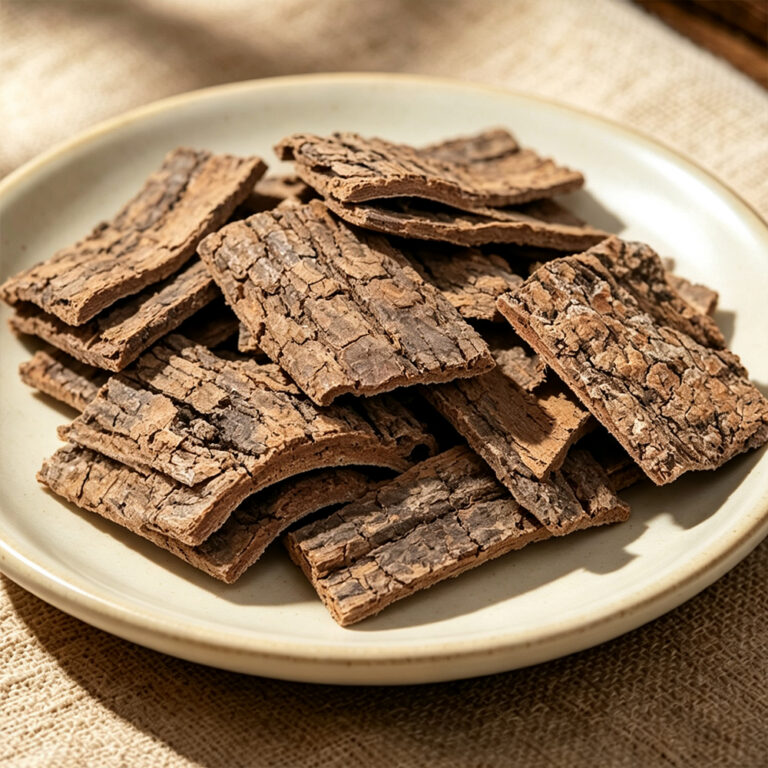
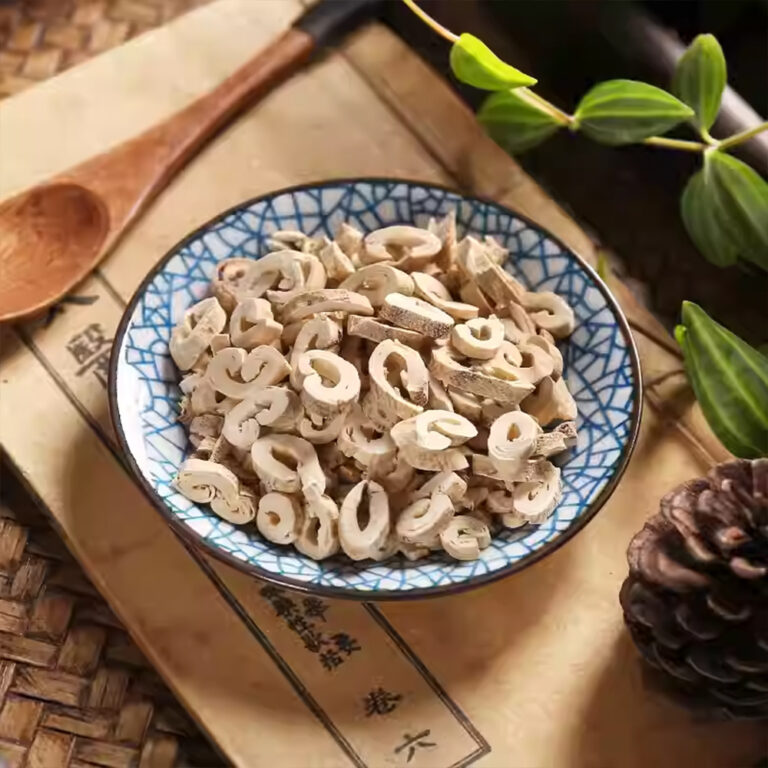
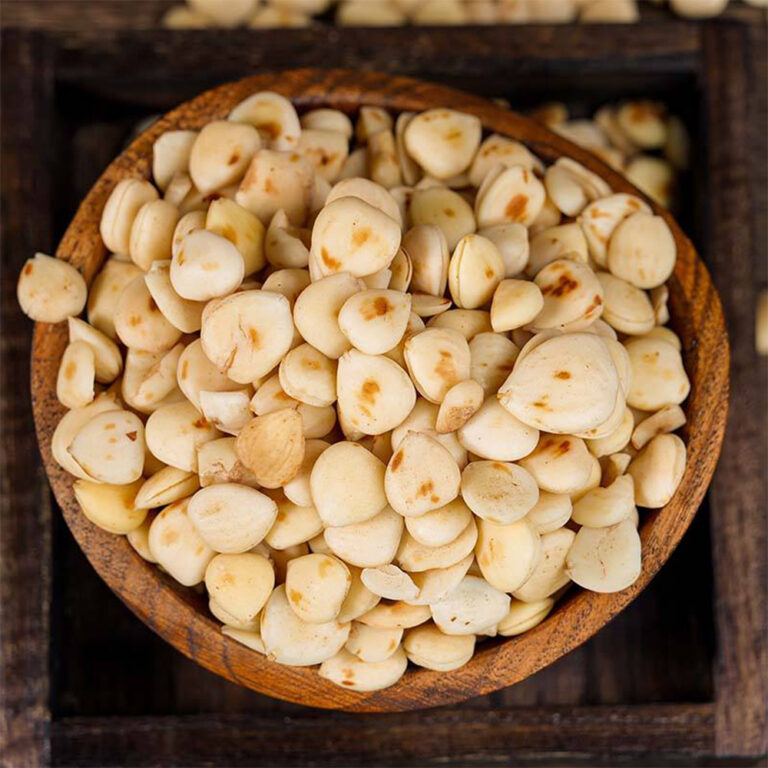
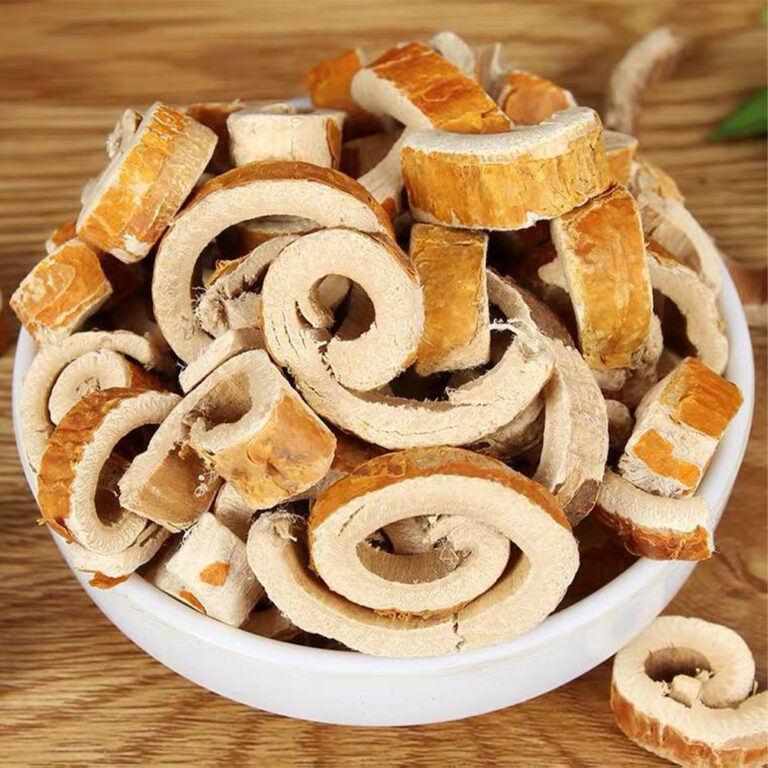
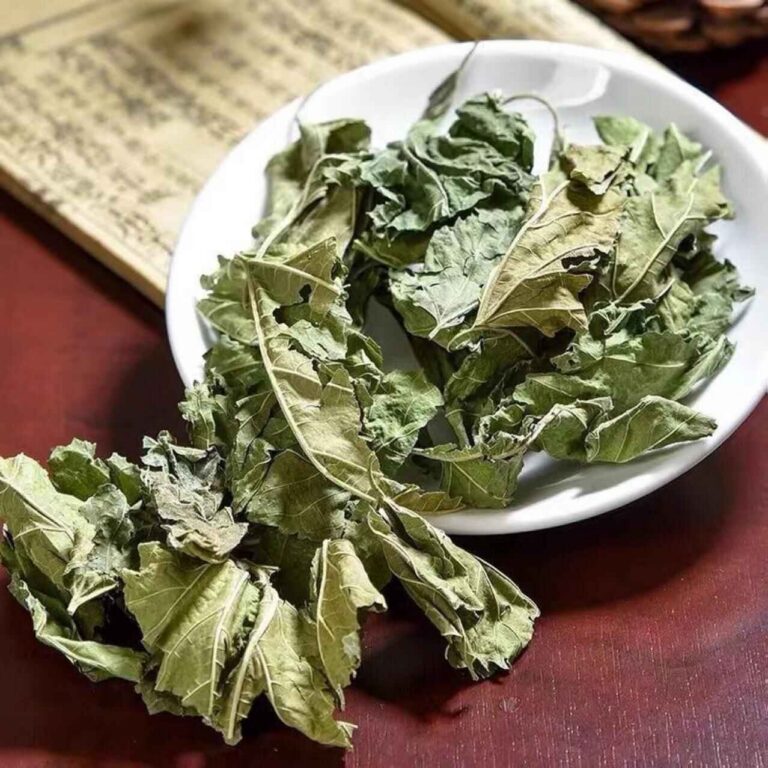
You want custom herbs at scale—stable, clean, traceable, and ready for regulated markets. That means tight controls from field (or sea, or mine…) to batch record. In this piece, we keep it plain-spoken and pragmatic. Less fluff, more how. And yes, a bit of real-world grit: deviations happen, moisture drifts, powders cake. We don’t pretend it’s easy.
GuoCao runs GMP lines for Chinese herbal slices, OEM/ODM capacity ~2,500 t/yr, ISO 22000 food safety, third-party COA, and multi-zone storage (room temp, cool, modified-atmosphere). We ship to 30+ countries for pharma companies, supplement makers, hospitals, beverage brands, cosmetics formulators, and distributors. That context matters because scale without compliance is just… noise.
GACP to GMP for medicinal plants
Start with Good Agricultural and Collection Practices (GACP). End with Good Manufacturing Practice (GMP). Skipping the first and hoping the second will “fix it later” leads to batch-to-batch chaos, OOS investigations, and unhappy auditors.
What to lock in early
Defined origin (farm, wild-harvest, ocean, mineral).
Harvest window and pre-processing (wash, cut, shade-dry, sulfur-free where required).
Pesticide, heavy metal, and micro limits aligned with your target markets.
Traceable lots that survive blending and re-packing.
Regulatory & quality anchors (quick view)
Keyword
What it covers
Why it matters
Proof on your side
GACP
Growing/collecting, pre-processing, traceability
Stops contamination and identity mix-ups
Lot maps, harvest logs, supplier approval
GMP
Controlled manufacturing & documentation
Repeatability, recall readiness
SOPs, batch records, deviation/CAPA
COA
Identity + purity + limits
Buyer confidence, customs clearance
Third-party lab reports, retained samples
ISO 22000
Food safety management
HACCP discipline across lines
Risk analysis, CCP monitoring records
If you’re reading this and thinking, “we have parts of it, kinda,” that’s common. But the integration is the win.
21 CFR Part 111 cGMP for dietary supplements
Targeting the U.S.? Then 21 CFR Part 111 is your baseline. It wants you to:
Identify every incoming lot (botanical, animal, mineral) with suitable methods (macroscopic, microscopic, HPTLC/HPLC/ICP-MS as applicable).
Control production with master manufacturing records (MMR) and batch production records (BPR).
Manage OOS (out-of-spec) and deviations with CAPA that actually fixes root causes, not band-aids.
Keep reserve samples, and retain records long enough to defend claims.
GuoCao ships U.S.-bound herbs under Part 111 expectations. If your QA says “spec-in/spec-out” and your ops says “ship it,” QA wins. Sorry, ops.
USP Herbal Medicines Compendium
USP HMC gives practical monographs: identity, assay, impurities, and acceptance criteria. It’s not a nice-to-have. Use it to:
Select validated ID tests (HPTLC/LC-MS fingerprints).
Define marker compounds or characteristic ratios for complex botanicals.
Align limits for microbes, heavy metals, residual solvents.
Pro tip: If the monograph doesn’t exist for your herb, build a house standard that mirrors HMC logic. Don’t reinvent the universe.
Botanical extract standardization
Design your extract around marker compounds (actives or surrogates) plus fingerprinting to police the whole profile. Label with DER and, if no carriers are added, DER genuine.
Labeling & standardization quick reference
Keyword
Practical meaning
Where it shows
Buyer takeaway
Marker compounds
Target analytes to measure
COA, spec sheet
Potency is controlled, not guessed
Fingerprinting
Pattern matching of the full extract
HPTLC/LC-MS images
Guards against adulteration
DER
Plant-to-extract ratio
Label, tech file
Clear input/output relationship
DER genuine
DER without carriers
Label note
Transparency on excipients
Solvent disclosure
Solvent and grade
Label/spec
Compliance across markets
Standardization is your antidote to seasonal drift. No markers, no control.
Supercritical CO₂ and other green extraction scale-up
Extraction is where lab dreams meet factory reality. Choose tech by target compounds and cost structure.
Process selection matrix
Goal
Preferred route
Notes for scale-up
Protect heat-sensitive volatiles
SFE-CO₂
Low temp, low residual solvent; needs tight pressure/flow control
Cut solvent residue
SFE / pressurized liquid
Invest in CIP/SIP; validate residuals
Speed up mass transfer
Ultrasonic-assisted
Good for roots/rhizomes; watch hot spots
Gentle traditional profile
Percolation/maceration
Lower CapEx; longer cycle times
Polar actives recovery
Hydro-ethanolic systems
Define water:ethanol windows and hold them
Powder-ready extracts
Spray-dry feed conditioning
Viscosity and solids content are king
Little ugly truth: scale builds its own problems (channeling, fouling, solvent balance). Plan for CPPs (critical process parameters) and CQAs (critical quality attributes) from day one.
Spray drying and microencapsulation
If you need instant powders with flowability and stability, spray drying plus the right wall systems is your friend. Freeze drying keeps delicate profiles but takes longer and costs more to run.
Why spray drying for herbal powders
Stability: Protects actives from oxidation.
Flow: Reduces stickiness with smart carriers.
Dissolution: “Instant” drinks and shots love it.
Common pitfalls
Inlet/outlet temps drift → stickiness.
Solids too low → poor yield, dusty.
Inlet too high → flavor burn. Yeah, boring, but it’s always these three.
Traceability and CITES compliance for wild-harvested botanicals
Some herbs and resins live in sensitive ecosystems. If a species is CITES-controlled, you need paper trails and event logs from harvest to export. Even when not listed, traceability protects your brand.
Geo/season notes where relevant (resin especially).
Photographic evidence works; don’t overthink the tech.
When customs calls, you don’t want to “uhmmm” your way through. You want exact batches, dates, and permits.
Animal and Mineral (TCM) category: sourcing and compliance
GuoCao supplies Animal and Mineral lines alongside roots, flowers, seeds, and barks—lawful sourcing and processing per target-market rules. Explore the category here:
Identity: morphology + microscopy; minerals with elemental profiling (e.g., CaCO₃ signatures for bones; trace metals screening).
Pre-treatment: wash, cut, dry; for animal items, strict pest/microbial controls; for resins, foreign matter removal and ash checks.
Transport: moisture barriers to avoid clumping (resin) and caking (powders).
Regulatory: species protection status check, import/export permits, local pharmacopeia alignment where applicable.
This category has extra stakeholder scrutiny. A robust QA narrative saves you headaches later.
OEM/ODM custom manufacturing
GuoCao offers OEM/ODM from slicing to extracts to ready-to-blend powders, plus enzyme beverage fermentation lines. The deliverables your auditors care about:
MMR/BPR: master and batch records with weighed ingredients, equipment IDs, and sign-offs.
COA: identity, markers, micro, heavy metals, residuals, moisture.
ISO 22000: hazard analysis, CCPs, corrective actions.
Warehousing: room temp, cool, and modified-atmosphere rooms; FEFO rotation; pallet labeling that survives condensation and cross-dock life.
Mini-checklist (print this)
Spec agreed? Markers, fingerprint, limits, DER defined.
Solvent system and recovery validated.
Drying route chosen with target bulk density and flow index.
Packaging spec set (liner type, oxygen barrier, desiccant yes/no).
Stability protocol kicked off (real time + accelerated).
Label claims and legal names reviewed for each region.
Docs: micro before/after, environmental swabs, CAPA if excursions.
No made-up characters. Just processes you’ll actually run.
Supply chain and storage
Why storage wins deals
Controlled rooms: ambient, cool, MA.
FEFO: first-expired, first-out to protect shelf life.
Tamper-evident seals and pallet ID that survives rain and forklifts (yep, it happens).
Storage profile table
Zone
Typical use
Risk it reduces
Ambient (dry)
Stable minerals, dried woods/barks
Moisture uptake, caking
Cool room
Herbs with volatile fractions
Aroma loss, oxidation
Modified atmosphere
Sensitive extracts, instant powders
Oxidation, micro growth
We once moved a container and learned the hard way: gum-like resins hate humidity swings. Now we over-engineer packaging. You should too. It do help.
Business value for pharma, beverage, cosmetics, and distributors
For pharma & hospital buyers: Risk-managed supply. Traceable lots. Specs that match pharmacopeia logic. Batch records that pass audits without ten back-and-forth emails.
For dietary supplement manufacturers: Part 111 alignment, label transparency (markers, DER, solvent). Stability support so your claims don’t fall off a cliff.
For functional beverage brands: Spray-dried, instantizable powders. Flavor/aroma preserved. Wall systems tuned for your pH and matrix (protein, sugar, acid, yup that matters).
For cosmetics raw-material teams: Consistent particle size, low odor, low bioburden, and COA panels that slot right into your dossier.
For wholesalers & distributors: Pack sizes that move, not sit. Regional label names correct. Documents ready for customs and local inspections.
We sell globally with complete paperwork. That’s a quiet edge—less port drama, faster cycles.
GuoCao playbook
How we usually kick off custom projects:
Use-case brief: end form (slice, cut, extract, powder), target market, claims (non-therapeutic), and packaging.
Spec draft: identity methods, markers/fingerprint, DER (if extract), micro/metals/residuals, loss-on-drying.
Pilot: small run to lock CPP/CQA and bench stability.
Scale: process window set, cleaning validation, sampling plan.
You can plug this into your own QMS. It’s not rocket science, but it needs discipline. Dont panic.
Mini FAQ
Do I really need fingerprinting if I already test markers? Yes. Markers show one slice of the pie; fingerprints guard the whole pie.
Residual solvents freak me out. Choose greener systems or validate recovery. It’s solvable.
DER vs DER genuine? DER includes carriers; DER genuine means none. Be straight on labels.
Can you do enzyme beverages? Yes, we run fermentation lines for herb-based enzyme drinks with ISO 22000 controls.
Closing argument
Custom herb production at scale is a chain, not a trick. GACP protects origin. GMP locks repeatability. Markers and fingerprints give you control. SFE and smart drying keep the actives alive. Traceability and clean COAs open borders. Tie it together, and you don’t just ship herbs—you ship reliability.
If you need a partner who lives this end-to-end, GuoCao is here: Wholesale Chinese Medicinal Herbs and Spices Supplier—one stop for Animal and Mineral, roots & rhizomes, fruits & seeds, flowers & whole herbs, and barks. Global sales, full paperwork, and a team that actually picks up the phone.
Our low MOQ of 1 kg (2.2 lb) makes it easy to order Chinese herbal slices or wholesale Chinese medicine herbs. Private-label and bilingual labeling are also available.
Delivery Cycle & Support
We have a fast 7-day lead time. We provide free samples, COA reports, and technical support to help you bring high-quality bulk Chinese herbs to market.
Quality & Certifications
Our products are manufactured in a GMP-certified facility and meet ISO22000 standards. All Chinese herbs are third-party tested for heavy metals, pesticides, and microorganisms.