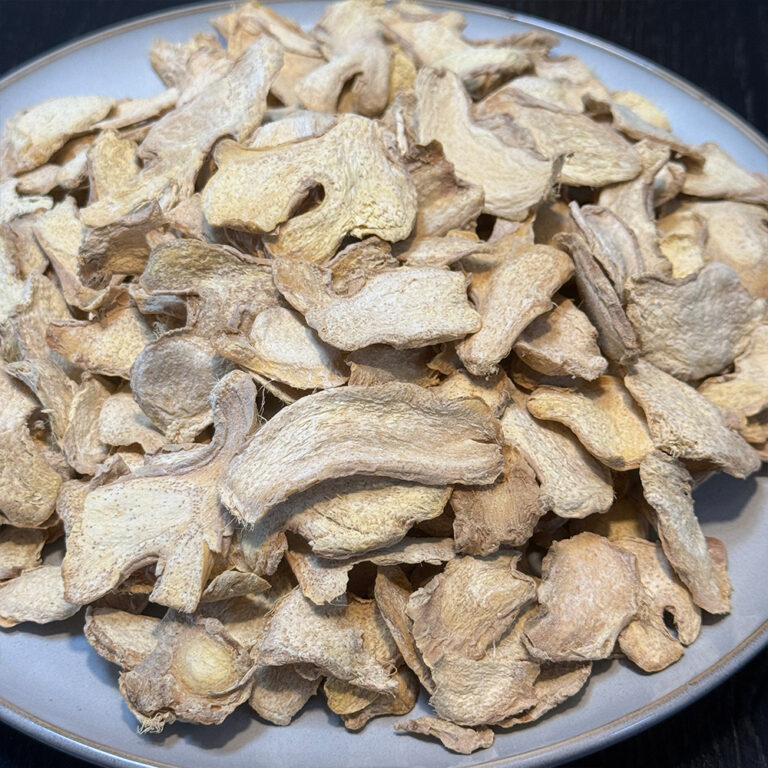
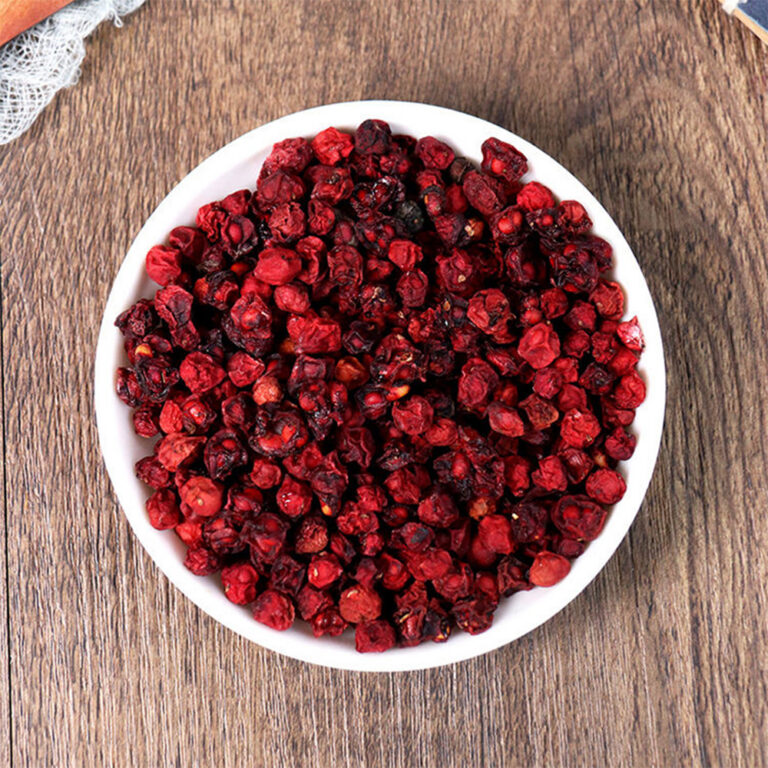
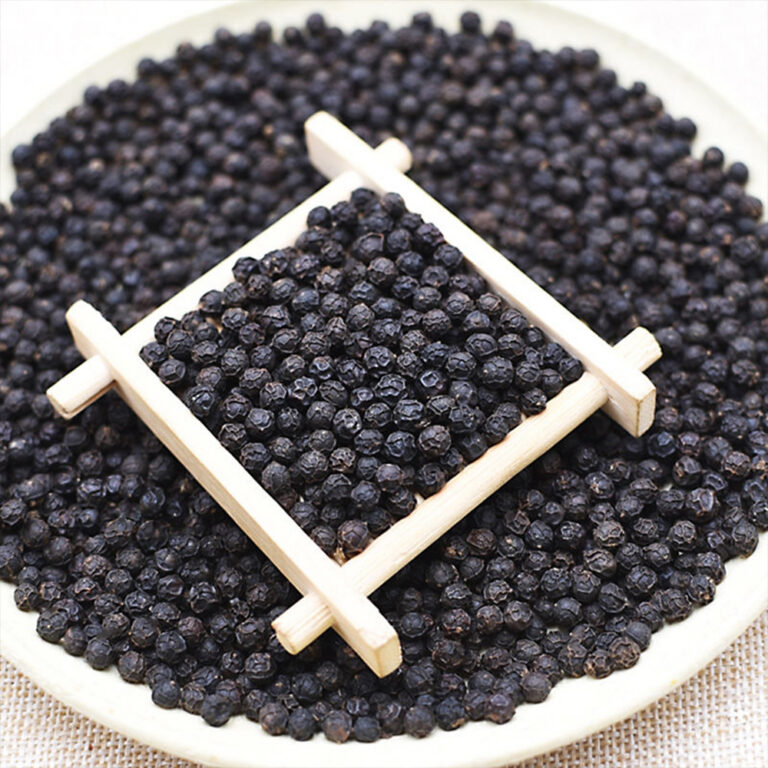
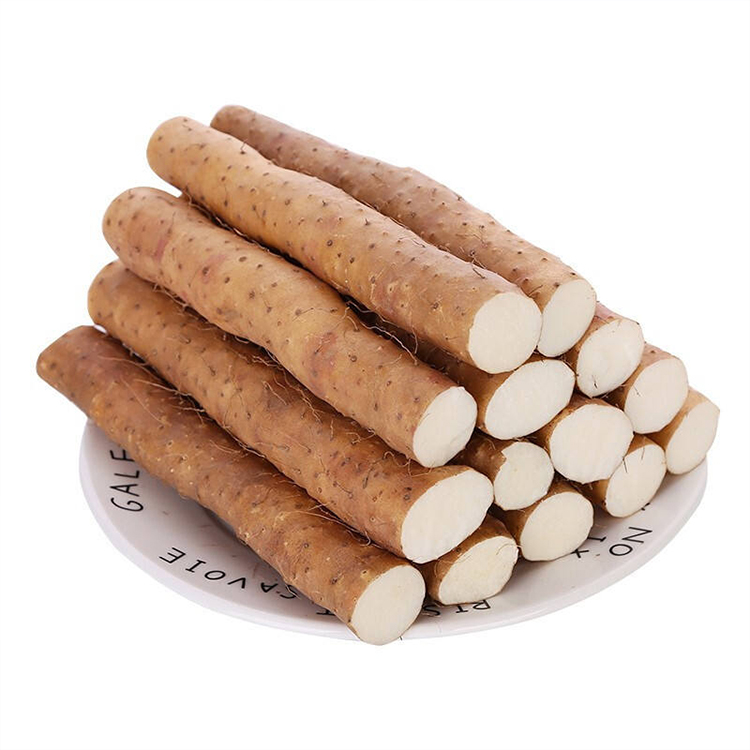
If you’ve ever bought Chinese herb OEM, you know the feeling: the quote looks fine, then something happens. A lot gets stuck on IQC. A COA doesn’t match the lot code. Packaging arrives late. Or the cut size changes a little, and your tea bag line turns into a jam festival.
So yeah—unit price matters. But the real money leak is surprises. Fix the surprises, and your “cost” drops without you even negotiating harder.
I’ll break this down in plain English, with factory-level keywords you can use in emails and audits. I’ll also show where GuoCao fits when you need GMP herbal slice lines, ISO 22000 food safety controls, third-party COA testing, and stable delivery for global buyers. Start here if you want the big picture: Wholesale Chinese Medicinal Herbs and Spices Supplier – GuoCao.
OEM/ODM Process for Chinese Herbal Slices
A real OEM job isn’t “send label, get goods.” It’s more like:
spec lock → sample → pilot → mass run → QA release → ship
If you skip spec lock, you’ll pay later. Not maybe. You will.
When you map your workflow, use a clear OEM/ODM flow that includes pilot checks, packaging format, label control, and document pack rules. This step-by-step guide helps you keep the project on rails: OEM/ODM Process for Chinese Herbal Slices: A Step-by-Step Guide.
And if you’re doing anything beyond “same herb, same bag,” don’t freestyle it. Use a structured collaboration path like this: Custom Chinese Herbal & Spice Solutions.
Simple rule: if you can’t explain your spec in one page, the factory can’t hit it consistently.
Raw Materials (Chinese Medicinal Herbs & Spices)
Raw material is the base of everything. If the herb shifts, your whole project shifts.
Grade, Origin, and Batch Roulette
Buyers hate “batch roulette.” Lot A is great. Lot B is “kinda different.” That “kinda” can break a brand promise, a formulation, or a repeat purchase cycle.
So don’t only ask “is it authentic.” Ask:
Origin (not just country—region matters)
Grade definition (what makes Grade A A)
Cut style (slice, flakes, segments, powder range)
Moisture window (tight control avoids mold or dust)
Foreign matter limit (this is non-negotiable overseas)
If you’re building a sourcing list, browse by category first so your RFQ isn’t vague: All Herbs and Spices.
Spec Lock and Pre-Ship Sample
Here’s a buyer move that saves pain: pre-ship sample approval tied to the production lot. That’s your “golden reference.”
You don’t need fancy talk. Just write:
“Sample = reference for cut size, color, aroma, and cleanliness.”
“Mass goods must match reference within agreed tolerance.”
“If not match, we stop and review.”
It sounds basic, but it prevents the classic fight later: “This is normal for herbs.” Sure. But your customers won’t care.
GMP Chinese Herbal Slices Manufacturing (decoction pieces)
Processing cost isn’t only labor or machines. It’s yield, rework, downtime, and release speed.
Yield, Moisture Window, and Cut Size
Processing choices change everything downstream:
Cut size affects extraction speed, brew clarity, and bag filling flow.
Moisture control affects stability, odor, and warehouse life.
De-dusting affects machine cleanliness and customer complaints.
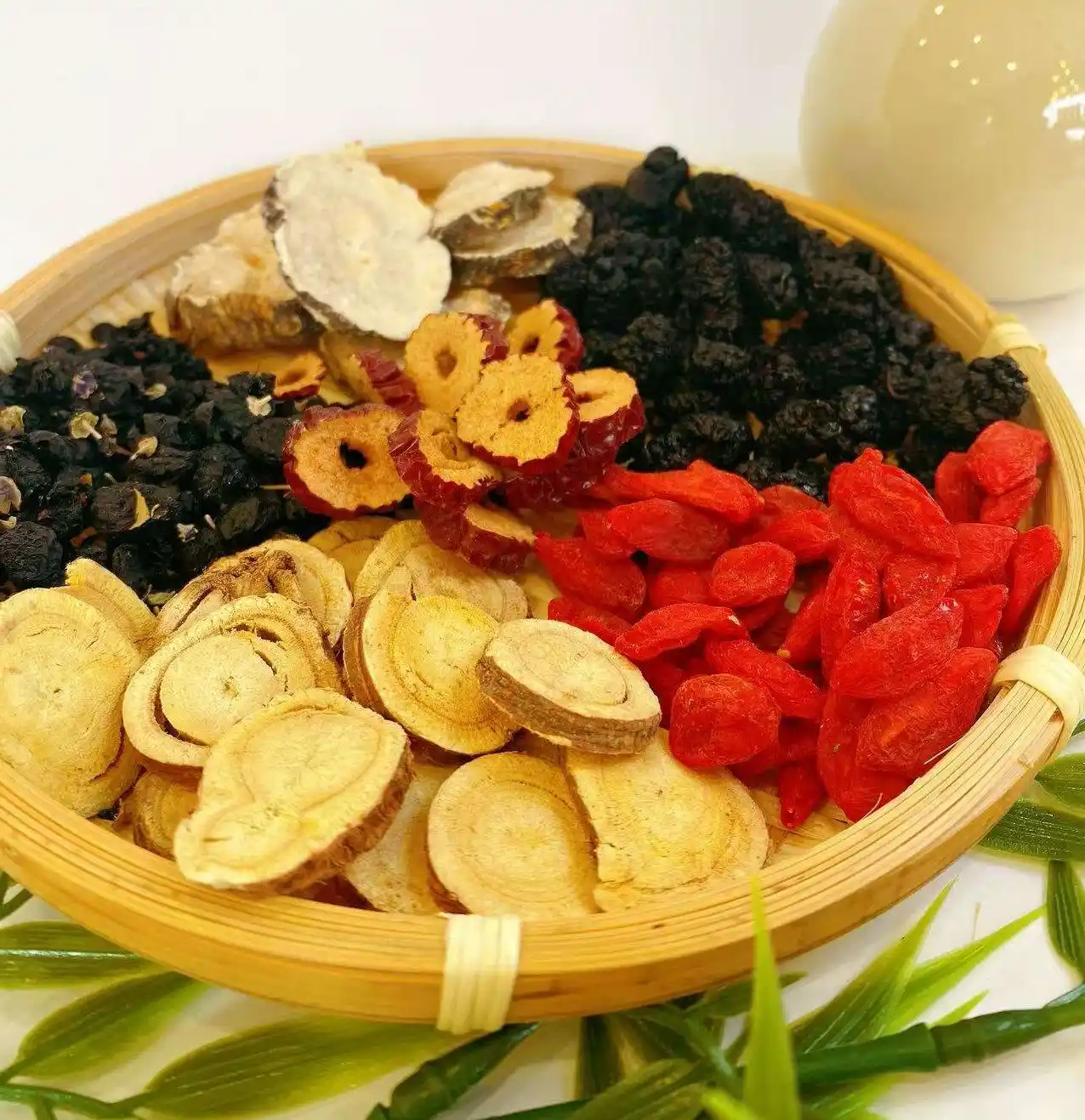
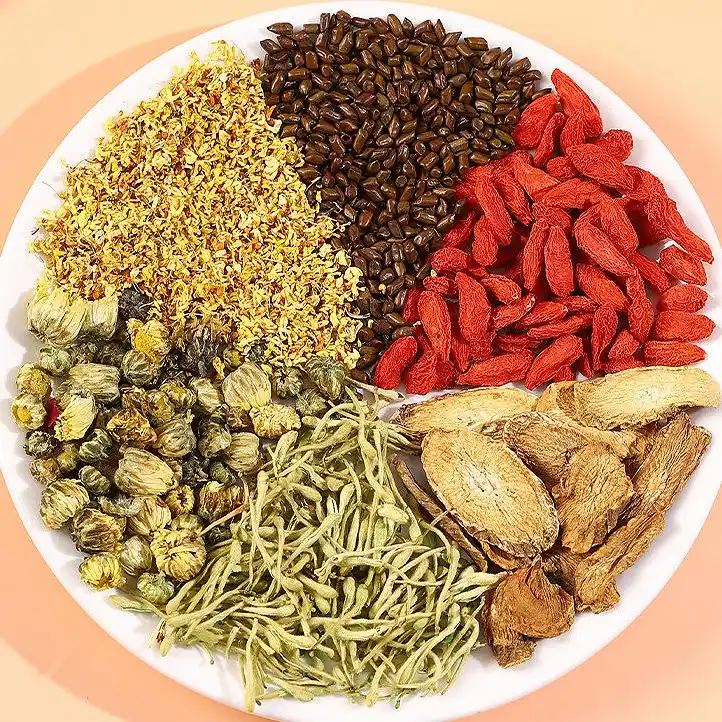
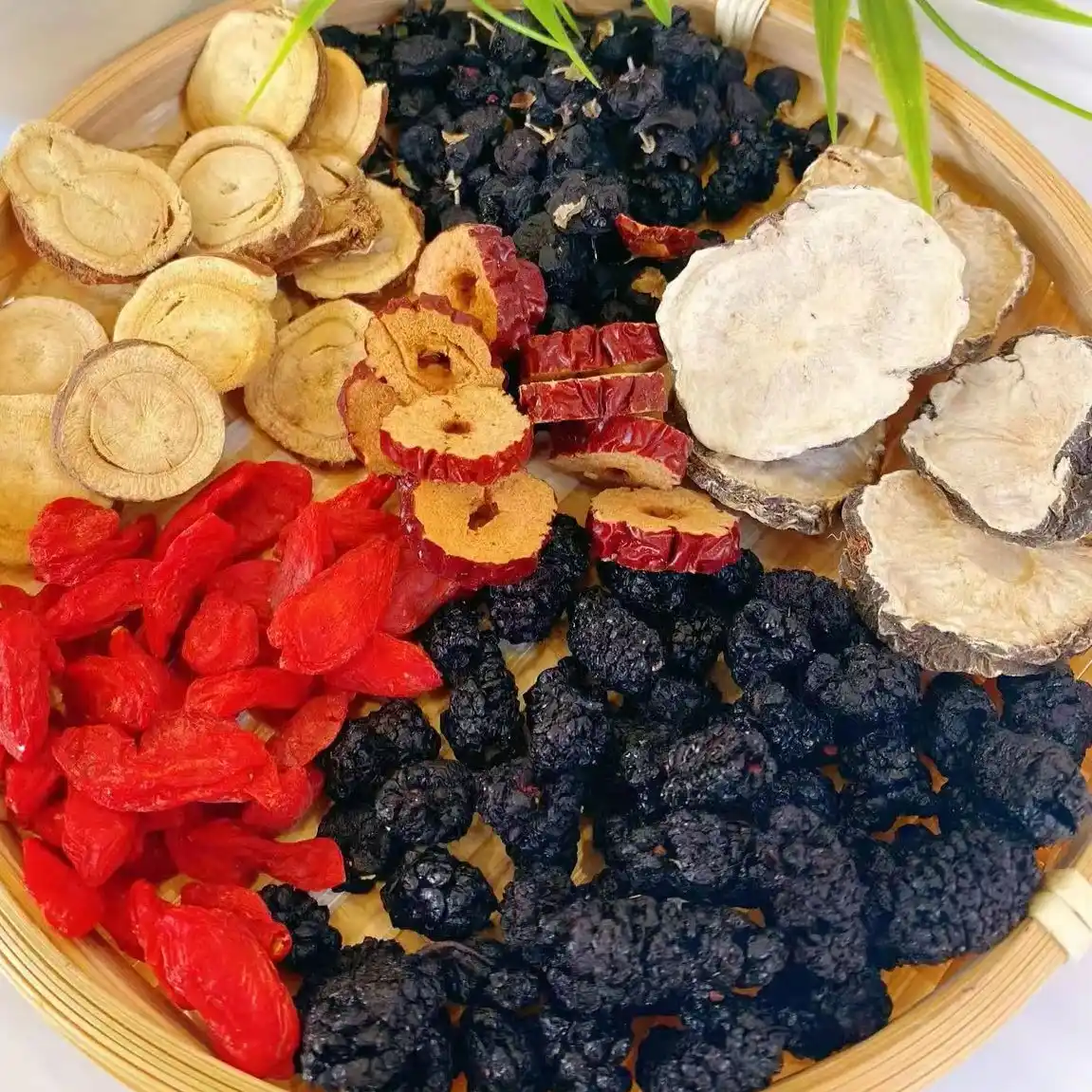
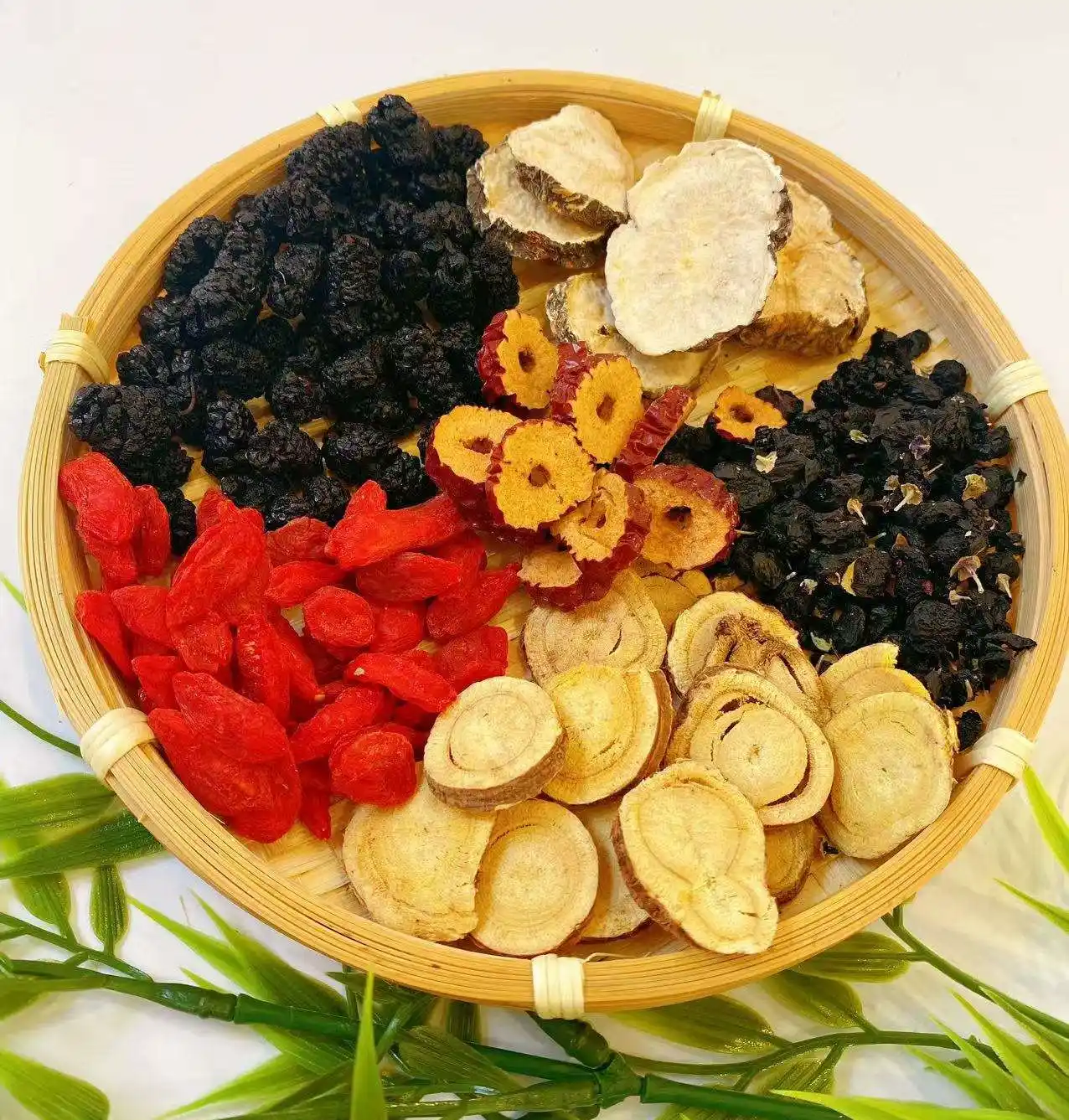
When you buy herbal slices for tea bags, capsules, or blends, consistency beats “looks nice.” Ops teams care about repeatability, not vibes.
Testing and COA (Heavy Metals, Pesticide Residues, Microbial Limits)
Testing is your release gate. No COA, no shipment (at least, not a shipment you want).
IQC, QA Hold, and COA Pack
These three words explain most import headaches:
IQC (Incoming Quality Control): your buyer checks your lot.
QA hold: the lot gets frozen until documents match and tests pass.
COA pack: the full doc set that travels with the shipment.
A COA isn’t “a PDF.” It’s your passport.
Third-Party COA and Release Discipline
For international trade, buyers often expect third-party testing for common panels like heavy metals, pesticide residues, and microbiological safety. They also expect:
COA per lot (not a generic report)
Clear test list and method notes
Release status (quarantine → released)
If you want your herbs to flow into other formats—tea bags, powders, postbiotic drinks—your testing style needs to stay consistent across formats. That cross-format thinking matters when you scale.
Warehousing feels boring until it ruins your product.
Modified-Atmosphere Storage (MAP) and Potency Protection
Different materials behave different. Roots aren’t flowers. Powders aren’t enzymes. If everything sits in one hot room, quality drifts.
GuoCao runs ambient/cool/MAP warehousing zones, which helps keep aroma, color, and stability tighter over time. That’s not marketing fluff. That’s how you avoid “it arrived fine, then smelled weird after 6 weeks.”
FIFO, Shelf-Life Control, and Traceability
FIFO isn’t sexy, but it prevents old stock from sneaking into new orders. You also want traceability that can answer one question instantly:
Which raw lot went into this finished lot?
If your supplier can’t answer fast, you’re taking unnecessary risk.
Cost Drivers and Hidden Costs in Chinese Herb OEM
Here’s the part people don’t want to admit: the biggest “cost” isn’t a line item. It’s friction.
Common hidden cost triggers:
Spec drift → rework → schedule slip
Document mismatch → QA hold → delayed launch
Packaging version chaos → scrap or relabel
Too many SKUs too soon → changeover pain
Weak storage → quality fade → claims risk
You can prevent most of these with better controls, not louder bargaining.
Cost Structure Table (No Math, Just Reality)
Module
Cost Weight (Typical)
Risk Level
What Usually Breaks
Best Lever to Pull
Raw Materials
Very High
High
grade/origin drift, residue anxiety
spec lock + pre-ship sample
Processing (GMP)
Medium
Medium
yield loss, cut inconsistency
moisture window + cut spec
Packaging
Medium
High
label mix-up, version mess
artwork lock + lot code rule
Testing & COA
Medium (spiky)
High
COA mismatch, delayed release
COA per lot + doc pack checklist
Warehousing & Handling
Medium
Medium
potency drop, odor change
storage zoning + FIFO
If you want, you can paste this table into your RFQ doc. It works.
GuoCao Fit: GMP, ISO 22000, COA, Capacity, Global Delivery
If your buyers include pharma companies, supplement plants, hospitals, beverage brands, or distributors, you need a supplier that runs like an audited factory, not a trading shop.
GuoCao is positioned as a global manufacturer with:
GMP herbal-slice production lines
ISO 22000 food safety system
Third-party COA testing capability
Ambient/cool/MAP warehouses
Large annual capacity and multi-country shipping coverage
OEM/ODM customization, plus herbal strain enzyme beverage production
That combo doesn’t just “sound nice.” It reduces the annoying stuff: QA holds, doc chaos, and batch inconsistency.
If you want to move fast, start with a clear brief and let the tech + sales team sanity-check feasibility. If you’re ready to talk details, go straight here: Contact Us.
Our low MOQ of 1 kg (2.2 lb) makes it easy to order Chinese herbal slices or wholesale Chinese medicine herbs. Private-label and bilingual labeling are also available.
Delivery Cycle & Support
We have a fast 7-day lead time. We provide free samples, COA reports, and technical support to help you bring high-quality bulk Chinese herbs to market.
Quality & Certifications
Our products are manufactured in a GMP-certified facility and meet ISO22000 standards. All Chinese herbs are third-party tested for heavy metals, pesticides, and microorganisms.