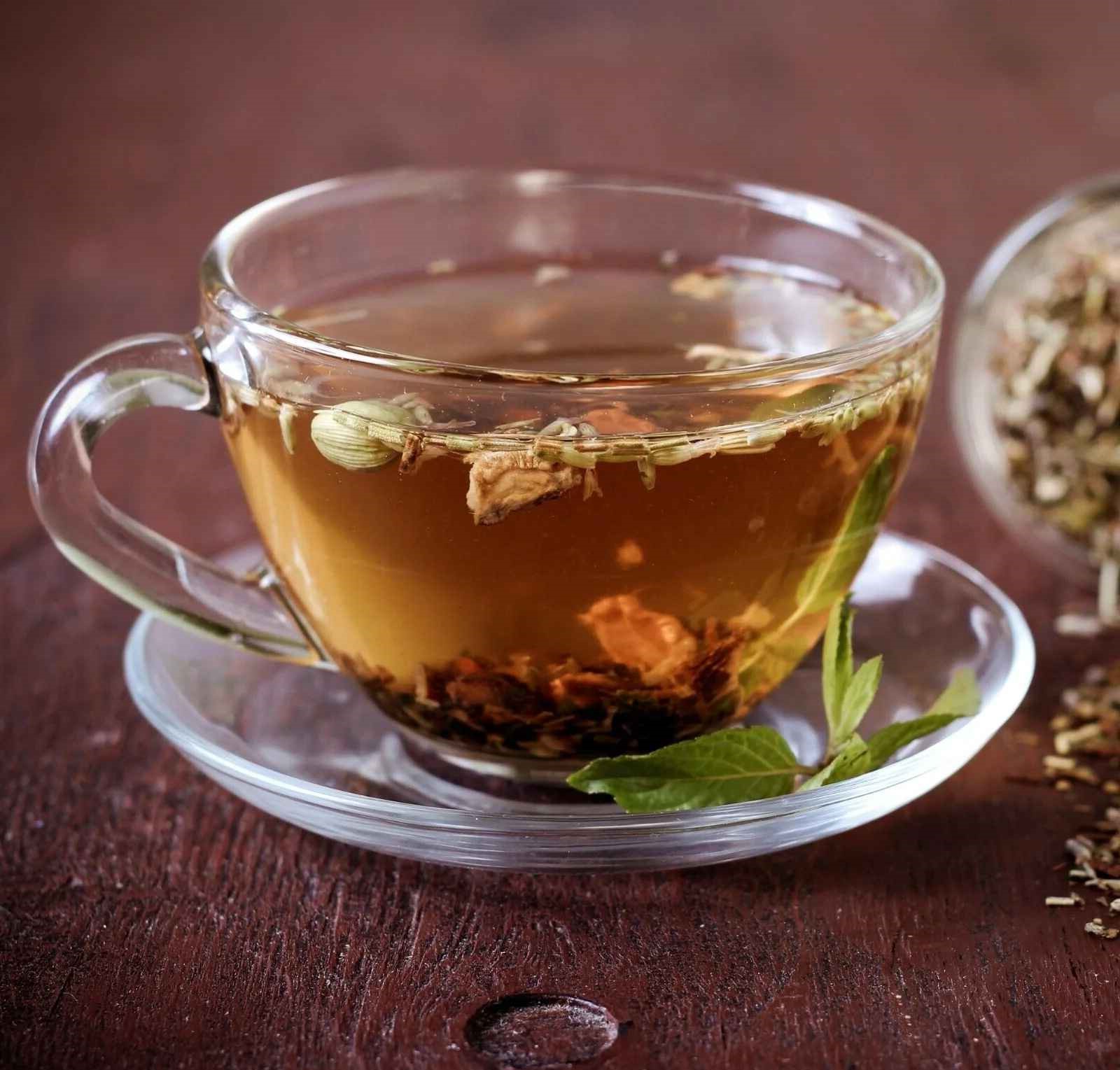
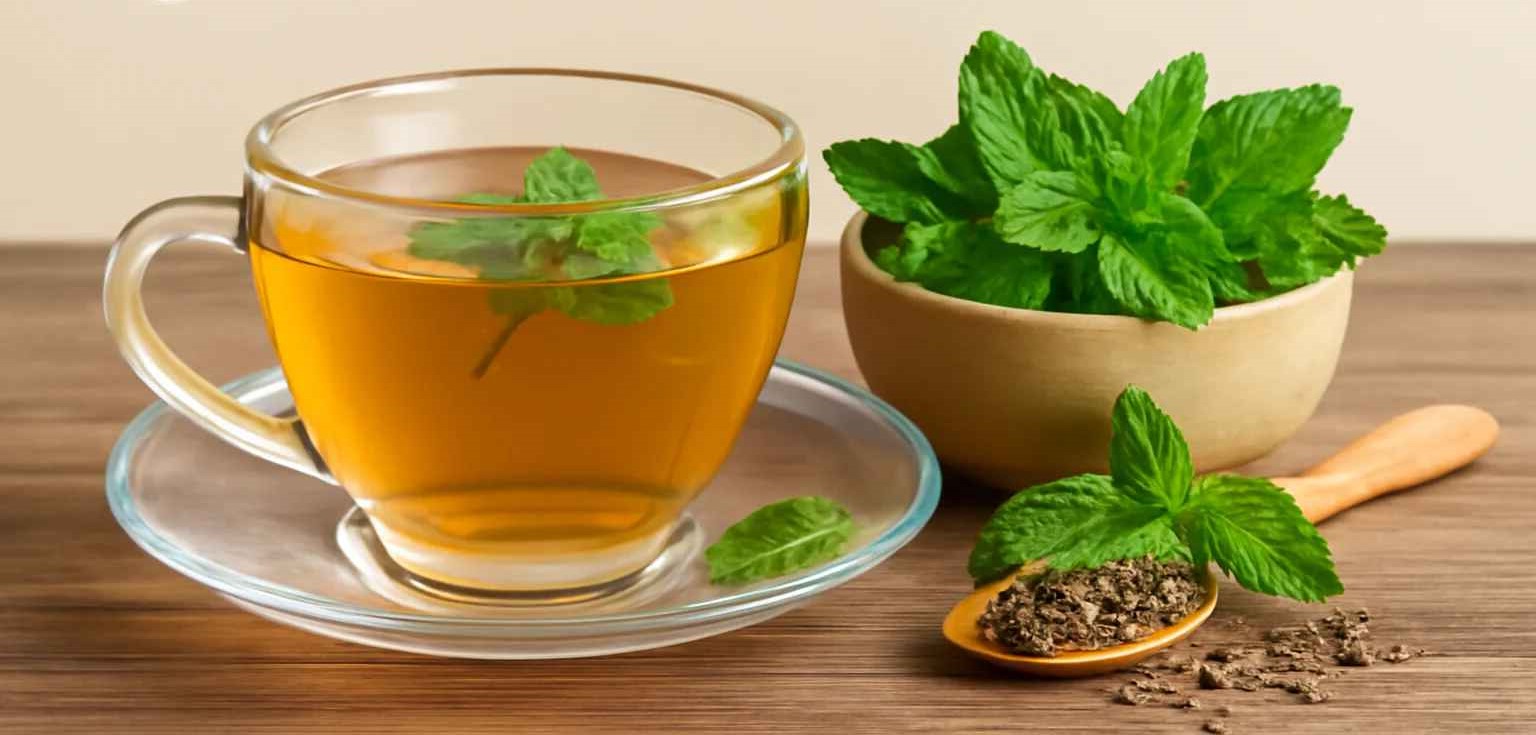
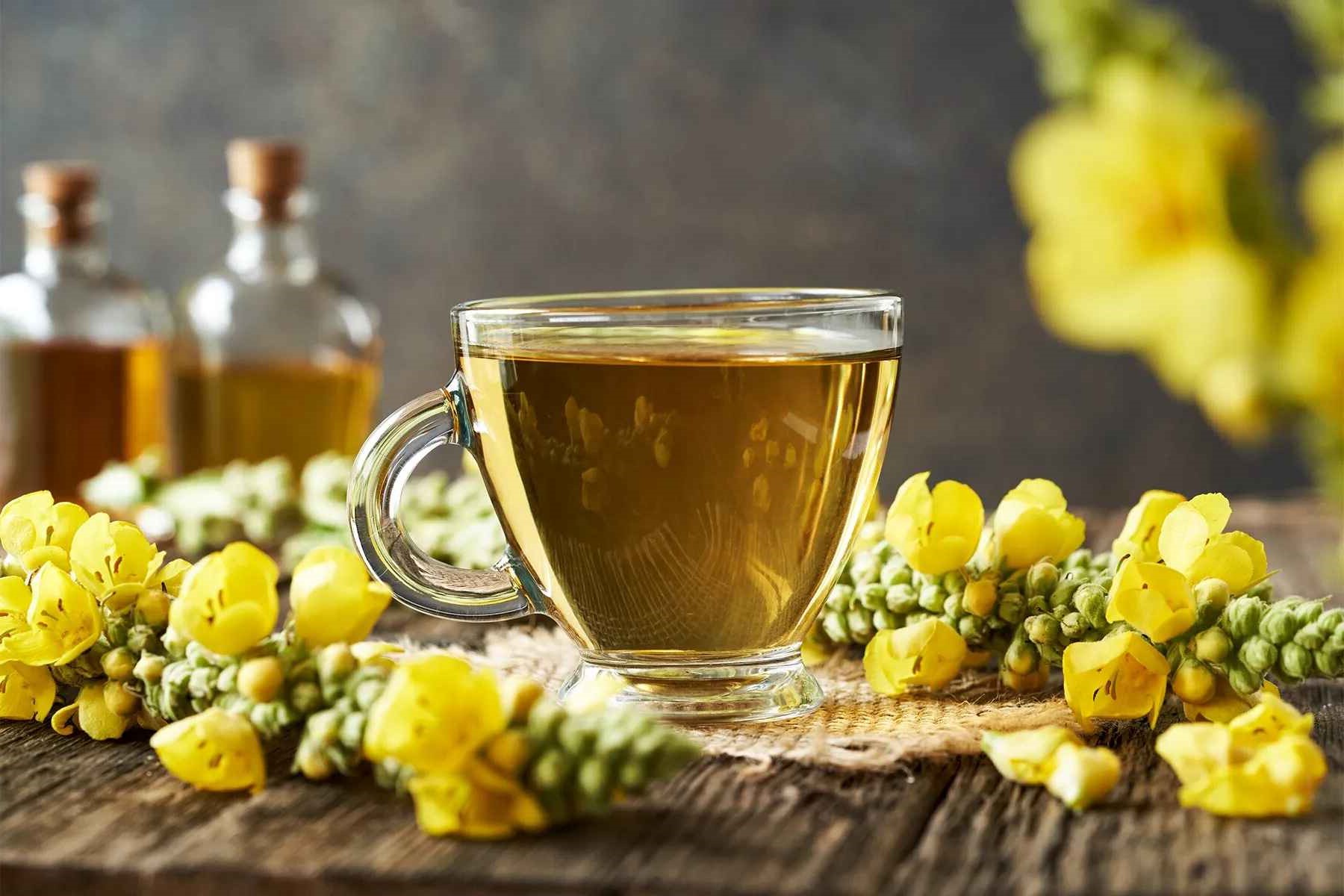
You want to talk up herbal tea benefits. You also want zero headaches from regulators. Let’s keep it real: smart copy respects evidence, follows the rules, and still sells. This guide shows how to frame benefits, avoid disease claims, and match science to what you actually sell—tea, slices, blends—while keeping the tone human and friendly. We’ll plug in GuoCao’s strengths along the way, so buyers hear substance, not fluff.
FTC Competent and Reliable Scientific Evidence (Advertising Substantiation)
The FTC cares about ads—everything the shopper sees: product pages, email, banners, social captions, trade-show one-pagers. If you imply a health effect, you need competent and reliable scientific evidence. In plain words: good human data that matches your form, dose, and audience. If a study used capsules and you sell tea, don’t promise the capsule result for a teacup. Keep claims tight, honest, and scoped.
Practical rule: claim the function, not the cure. Say “supports digestive comfort,” not “treats GERD.” Say “helps you unwind,” not “cures insomnia.”
FDA Structure/Function Claims for Herbal Tea and the DSHEA Disclaimer
Labels and site copy for supplements fall under FDA rules. Structure/function claims are your safe lane: “supports normal digestion,” “helps maintain relaxation,” “soothes the throat.” These statements:
Avoid disease words (no “prevents,” “treats,” “cures” named conditions).
Stay truthful and not misleading.
For dietary supplements, include the DSHEA disclaimer near the claim: “These statements have not been evaluated by the Food and Drug Administration. This product is not intended to diagnose, treat, cure, or prevent any disease.”
If you only sell tea as a conventional food, you still keep claims in the function lane and avoid disease promises.
Traditional Use Claims and Disclosure (Two-Sentence Method)
Traditional use is fair to mention. Do it with two equal sentences: one for tradition, one for today’s science status.
“Traditionally used for after-meal comfort. Modern clinical evidence is limited.”
Keep the second sentence just as visible. Same font, same vibe. Don’t hide it in tiny grey text.
Several pooled analyses report hibiscus can modestly lower systolic and diastolic numbers in adults, with stronger effects when baseline pressure runs higher. Results vary with dose and duration. That means your copy stays careful:
Use: “Supports healthy blood pressure as part of diet and lifestyle.” Don’t use: disease treatment language. Reality check: tea prep, strength, and serving size matter; don’t imply a clinic-style protocol when you’re selling a cup.
Ginger and Pregnancy-Related Nausea Evidence
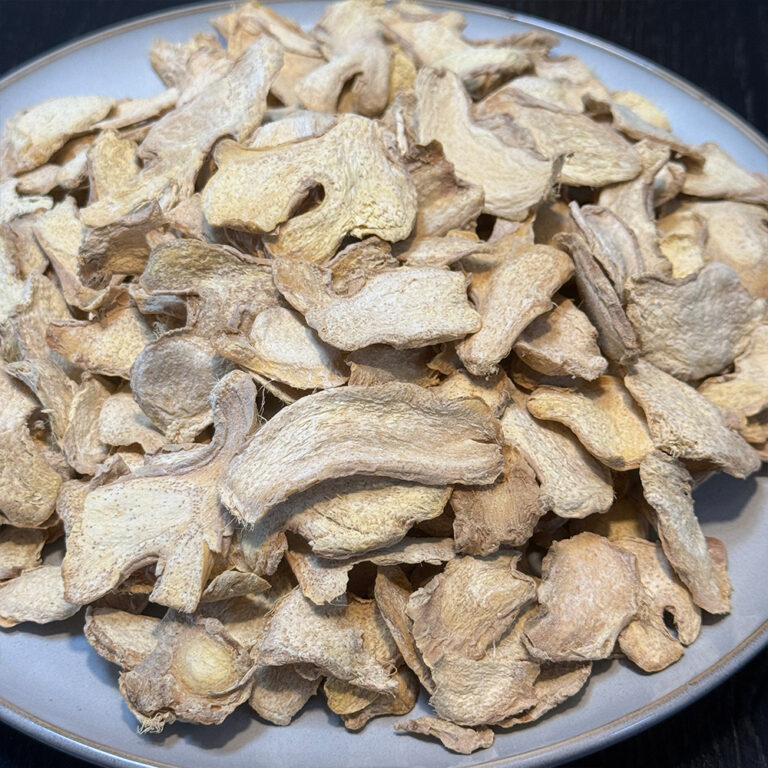
Systematic reviews point to reduced nausea scores with ginger intake in early pregnancy. Vomiting outcomes are less consistent. Safety looks acceptable in normal ranges, but always push for clinician guidance.
Use: “Helps ease occasional nausea in early pregnancy; check with your healthcare professional.” Tone: calm, supportive, not pushy. Pro tip: add basic brew directions; keep it gentle.
Chamomile and Anxiety/Sleep Evidence
Data is mixed. Some trials suggest a small help with anxiety; sleep benefits are modest and not universal. That’s fine. You don’t need giant claims to sell tea.
Use: “Promotes relaxation and helps you wind down; results vary.” Don’t: promise knockout sleep or medical control of anxiety.
Peppermint Oil and IBS Evidence vs. Peppermint Tea
Enteric-coated peppermint oil capsules show benefit for global IBS symptoms. A standard mug of peppermint tea doesn’t match that dosage form or delivery. Your copy can still sell comfort without overreach.
Use: “A cooling cup to settle after meals.” If you mention IBS: direct readers to talk with a clinician about the capsule format.
SEO and Internal Links: Barks Chinese Medicines (GuoCao Category)
Anchor relevant product pages naturally. Keep anchor text descriptive. Here are internal links you can drop into posts, FAQs, and comparison pages:
These links pull long-tail queries like “phellodendron bark bulk supplier” and “eucommia bark OEM.” Good for crawl. Good for buyers who know the words.
GuoCao OEM/ODM, GMP, ISO 22000, COA (Real Ops That Reduce Friction)
People don’t just buy flavor. They buy assurance. Drop the ops proof:
Third-party COA by batch. Identity, purity, micro limits, heavy metals, pesticide residues—ready to share.
Batch traceability end-to-end; HPLC/UPLC fingerprints on request.
OEM/ODM for blends, white-label sachets, and functional beverage bases (fermented enzyme drinks in production).
Global shipping to 30+ regions with import docs, labels, and FDA facility registration where needed.
Industry talk buyers expect: MOQ discussion, lead time windows, spec sheets (cut size, moisture, ash), allergen statement, sulfur-free processing, pallet pattern, and a clean QC release process. You know the drill; we do too. And yes, COAs are ready; document pack ain’t messy.
Copywriting Checklist: Herbal Tea Benefits vs. Claims
Say the function, not the disease. “Supports normal digestion,” not “treats ulcer.”
Match evidence to your product. Capsules ≠ tea; oil ≠ infusion.
Use measured verbs. “Supports,” “helps maintain,” “may promote,” “soothes.”
Add DSHEA disclaimer on supplement labels near the claim.
Traditional use? Pair with the “limited evidence” sentence, same weight.
Mind net impression. Photos, badges, and layout can imply treatment.
Keep testimonials in context. Stories ≠ proof; don’t let reviews over-promise.
Add prep reality. Brew method and serving size matter; don’t imply clinical dosing if it’s a teacup.
Nudge safety. “Not a replacement for medical care; if you manage a condition, talk to your clinician.”
Be concise. Short lines read like honest talk. Long lines drift and confuse.
Micro-Templates You Can Paste (Tweak as Needed)
Structure/function (tea page): “Herbal blend that supports normal digestion. Brew, sip, breathe. For everyday comfort.”
Traditional use (two-sentence): “Traditionally used for after-meal ease. Modern clinical evidence is limited.”
Relaxation tone: “Helps you wind down after a long day. Some feel it more, some less—both okay.”
Blood pressure nudge (hibiscus): “Supports healthy blood pressure as part of diet and lifestyle. Not a substitute for medical care.”
Peppermint clarity: “Peppermint tea is a cooling, soothing cup. For IBS symptom management, ask your clinician about peppermint oil capsules.”
Pregnancy nausea (ginger): “Helps ease occasional morning-sickness-related nausea. Use under healthcare guidance.”
Real-World Mini Cases (No fake names, just use-cases)
After-meal comfort blend with magnolia bark and aucklandia root: position as digestive support; offer brew timing and serving tips; avoid IBS claims.
Wind-down blend with chamomile: lead with relaxation; set expectations that results vary; never promise instant sleep.
Cardio-friendly blend with hibiscus: center on healthy BP support; include a lifestyle note (diet, movement, sleep); no treatment language.
Minty refresh: sell the mouthfeel and post-meal settling; keep clinical IBS talk to clinicians and capsule formats.
Why This Style Sells (and scales)
Trust travels. Honest, scoped claims reduce returns and review drama.
Our low MOQ of 1 kg (2.2 lb) makes it easy to order Chinese herbal slices or wholesale Chinese medicine herbs. Private-label and bilingual labeling are also available.
Delivery Cycle & Support
We have a fast 7-day lead time. We provide free samples, COA reports, and technical support to help you bring high-quality bulk Chinese herbs to market.
Quality & Certifications
Our products are manufactured in a GMP-certified facility and meet ISO22000 standards. All Chinese herbs are third-party tested for heavy metals, pesticides, and microorganisms.