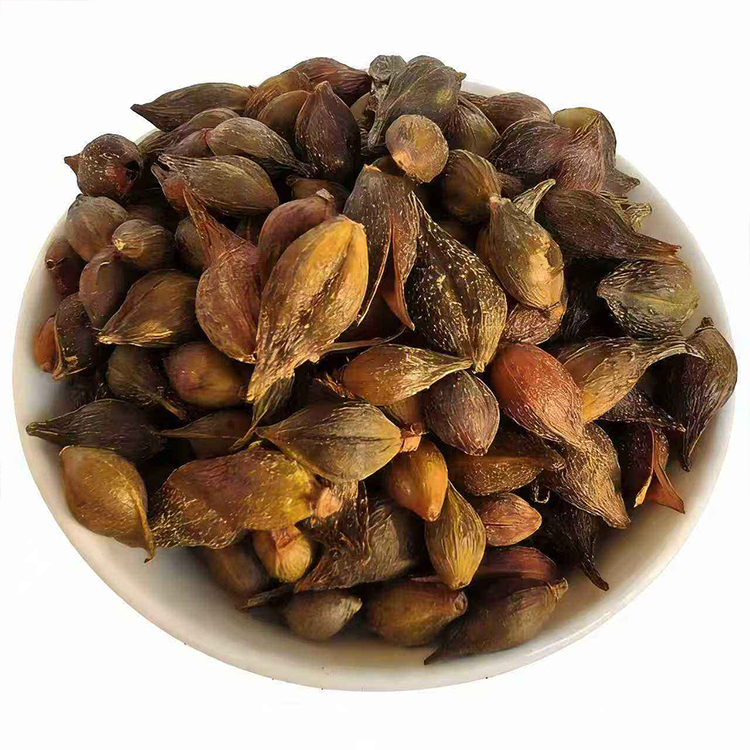
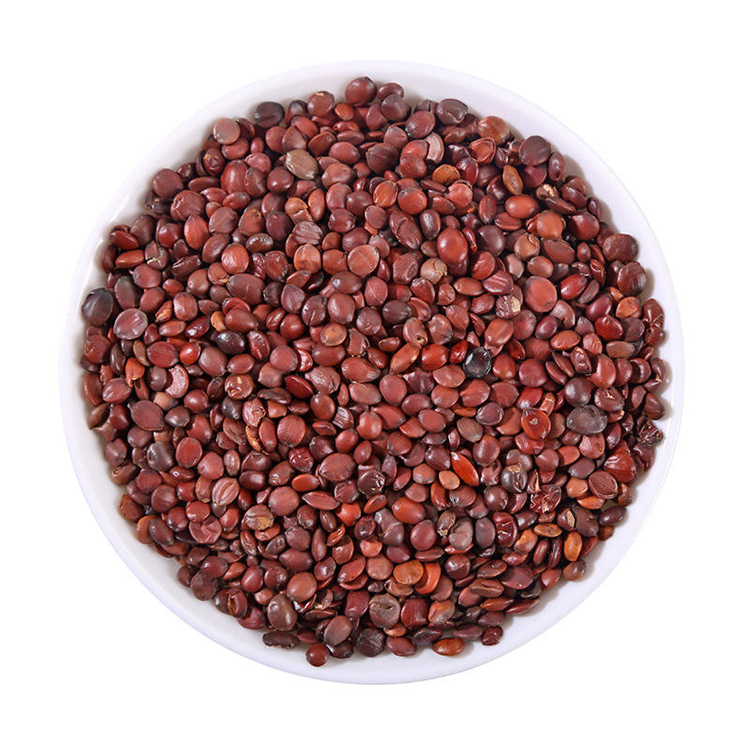
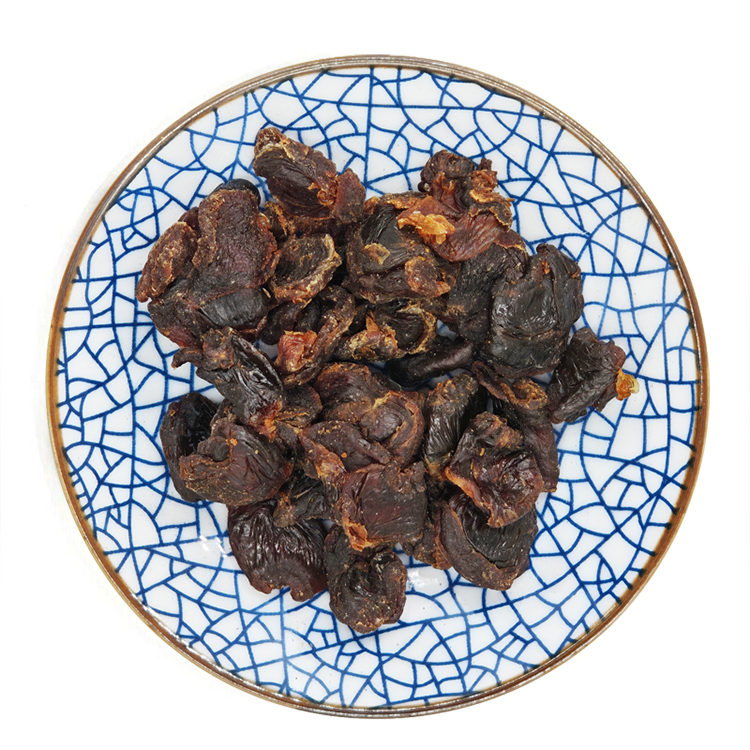
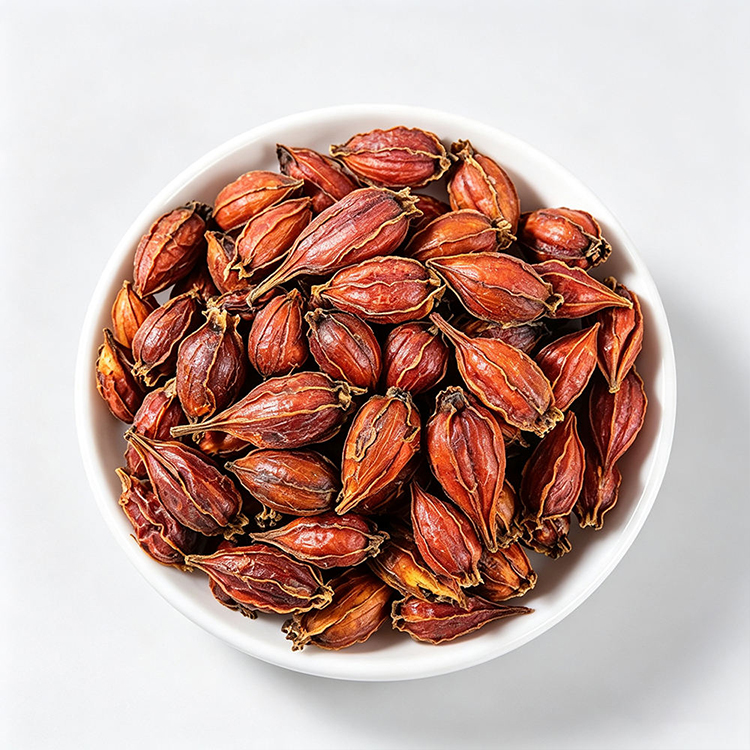
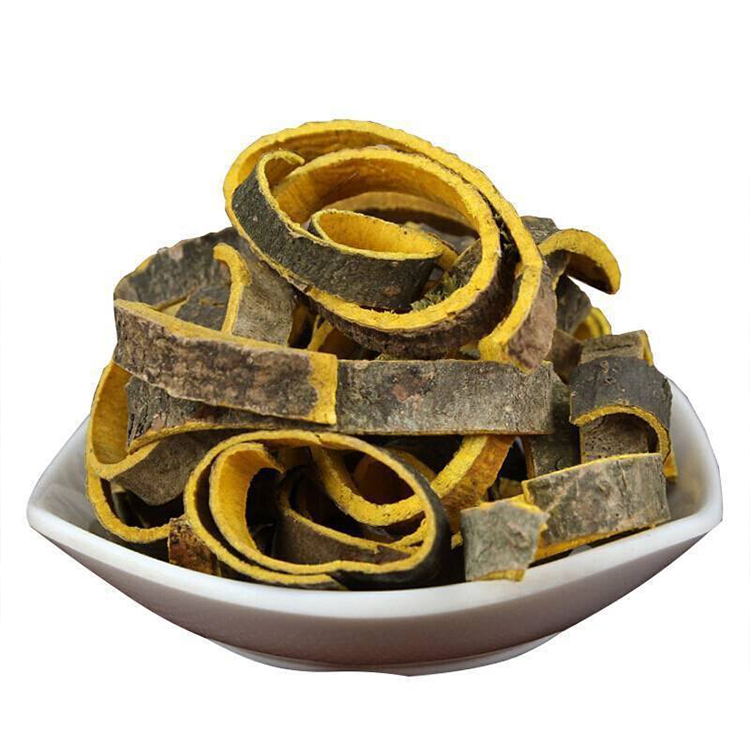
You sell herbs and spices. You want Middle East clearance clean and quick. Let’s keep it real and hands-on: right Arabic labeling, right Halal scope, right docs bundle. We’ll map standards to actual product scenes (roots, flowers, barks, seeds, animal & mineral). I’ll add a quick table, checklists, and fixes you can run this week. I’ll also weave in GuoCao where it helps, because label work, quality work, and customs work should move as one team, not three.
GSO 9 Food Labeling (GCC) — What It Means on Pack
GSO 9 is the baseline for pre-packed food labeling across GCC. In practice:
Arabic on pack is non-negotiable: product name, ingredients (descending order), net content (metric), production/expiry dates, storage, country of origin, and allergens when relevant.
Keep one date format across SKUs. Don’t switch DD/MM and MM/DD.
If you claim something (e.g., “Halal”), be ready to prove it.
Artwork must be readable and permanent (print/inkjet is fine if crisp).
Before print, do an “Arabic layer sweep”: right-to-left flow, diacritics, font embedding, no garbled glyphs. Small stuff, big delay if wrong.
Tiny mistake we still see: “best before” printed in two languages with different orders. Looks ok on screen, breaks at inspection. Not rocket sciense, just easy to miss.
GSO 2055 Halal Certification — Scope, CoC, and Cross-Over
GSO 2055 covers Halal product rules and certification governance. Even if your SKU is 100% botanical, think about:
Cross-contamination from shared lines. Show cleaning CIP logs and line segregation.
Processing aids and lubricants. If they’re not Halal-fit, change them.
Chain of Custody (CoC): lot in → line → lot out. Clean traceability wins trust.
If the formula hints at animal origin (gelatin, shell, bone ash, enzymes), Halal proof gets more scrutiny. For meat/poultry, slaughter certs live here, too.
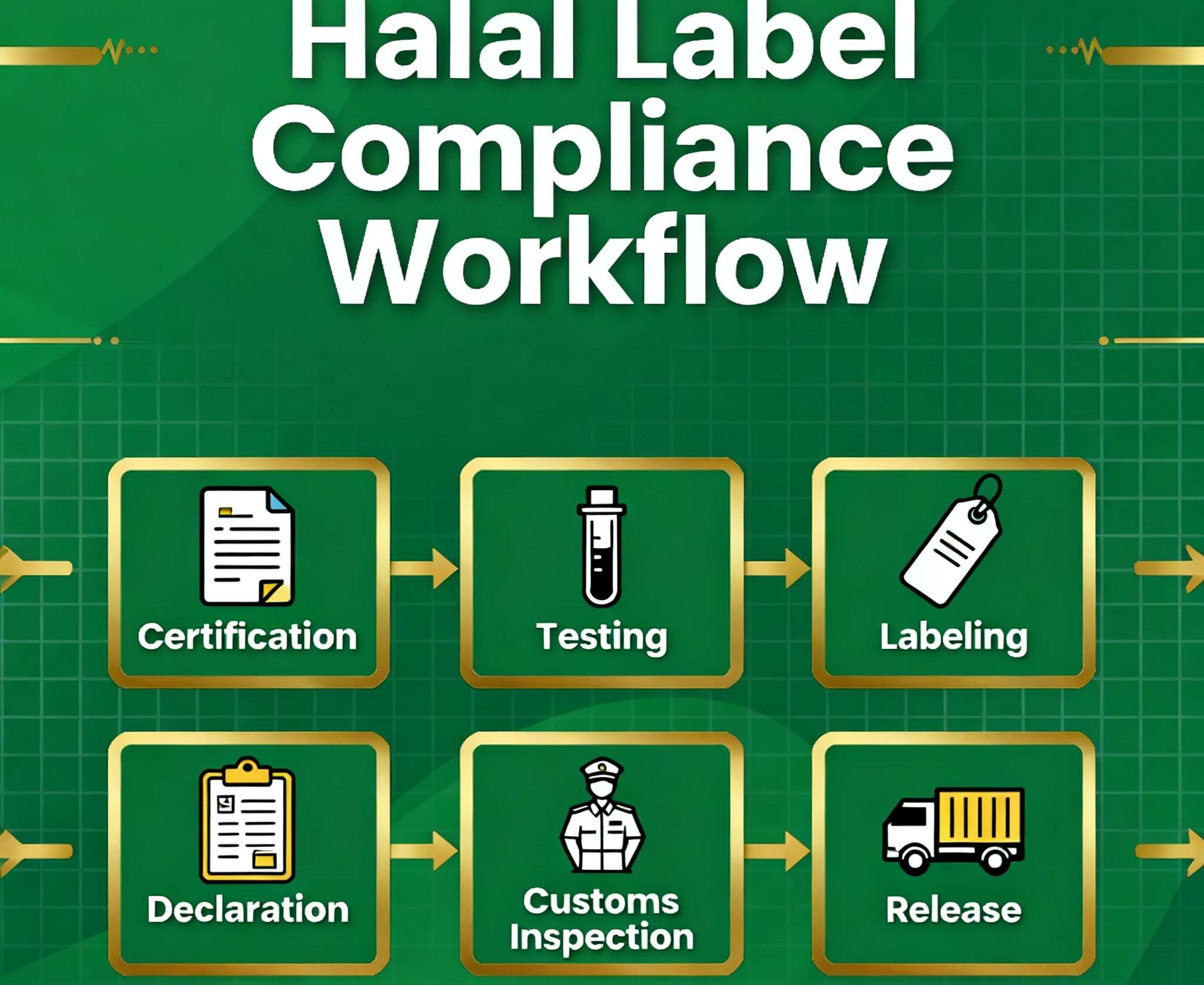
Fast fix: keep a pre-alert pack per shipment: Halal cert (if used), spec sheets, and COA. Customs like tidy bundles.
SFDA Saudi Arabia Food Import Labeling — The Arabic Gate
Saudi’s inspectors expect Arabic labeling, clear dates, origin, and the right Halal paper when your inputs touch animals. If you must use a sticker, apply it before export. Make it durable. Smudged inkjet equals questions.
Plant-only roots & rhizomes? Say it on the label and in specs. Transparent beats clever. If you avoid a Halal claim, don’t print the logo by habit—no-claim SKU keeps life simple.
UAE Halal National Mark & Label Sticker Rules — Pre-Approve First
The UAE may require the Halal National Mark for specific classes. Sticker use is watched closely: pre-approve and apply pre-export. For herbals, the bigger risk is sloppy Arabic or fuzzy date coding. Tighten those and you’re already in the green lane.
Shop-floor hack: send the Arabic text layer to a native proofreader for 10 minutes. One stray comma in Arabic can stall a container. Happens more than we like to admit.
Qatar expects Halal certs for meat and usually for animal-derived inputs. Botanical lines still need the same labeling hygiene: Arabic presence, one date format, readable net content. Choose fonts that render well at small sizes; some decorative sets break RTL alignment.
Kuwait treats the Halal word or logo as a verifiable claim. If you put it on pack, have the paperwork. If the SKU is botanical and you don’t need the claim, drop it. Don’t invite a document ask you don’t need.
Bahrain Food Import Label Samples — Vector, Not Screenshot
Bahrain often wants label samples in the import file. Send a vector PDF at scale, Arabic layer included, and mark the inkjet date position on the dieline. A fuzzy JPG looks like you’re not serious.
Oman GCC Label Adoption — Simple, Legible, Consistent
Oman follows the GCC path. It looks for clear Arabic on the essentials and steady format across SKUs. Keep consistency your mantra: same placement, same fonts, same date logic. Less noise, fewer holds.
Market-by-Market Essentials (Quick Table)
Market
Label Language
Halal Docs (typical)
Key Checks at Border
Shortcut That Works
GCC baseline
Arabic required
Depends on SKU composition
Date format, origin, legibility
One label master for all SKUs
Saudi (SFDA)
Arabic mandatory
Halal cert; slaughter cert for meat/poultry
Sticker must be pre-applied and durable
Pre-alert pack sent 48h before ETA
UAE (Halal Mark)
Arabic or Arabic/English
Halal Mark for some classes
Sticker pre-approval and pre-export application
Native proof of Arabic layer
Qatar (MoPH)
Arabic
Halal for animal-derived items
Fonts and date coding
Fonts embedded in PDF, lot shown
Kuwait (PAFN)
Arabic
Proof if you print “Halal”
Claim without proof gets flagged
Drop claim on botanicals
Bahrain
Arabic
As per composition
Label sample often requested
Vector PDF with dieline notes
Oman
Arabic
As per composition
Consistency across lines
Harmonized artwork set
Label Content Requirements (GCC) — Minimal, Not Bare
Put these on every pack:
Product name (Arabic & English)
Ingredients, descending order
Net content (metric)
Production date and expiry date (one format, clear)
Storage instruction (“cool, dry”)
Country of origin
Optional but wise: lot/batch, importer details
Common fails: micro fonts under 6 pt, mixed calendars, missing origin, and “Arabic” done with copy-pasted shapes that print broken. Also, don’t hide allergens. You won’t “sneak by”; you’ll just get a hold.
Documentation Pack for ME Customs — The Bundle That Moves
COA (heavy metals, pesticide residues, micro) per lot
Halal certificate (if animal-derived or you claim Halal)
Certificate of Origin
Phytosanitary where needed
Commercial invoice + packing list
Final label artwork (vector, Arabic layer embedded)
HS code confirmation or pre-class
Sanitation/CIP log for shared lines (one page summary is enough)
Keep them in one folder. Name files like a grown-up: SKU-Lot-COA.pdf, not NewDoc_final_FINAL2.pdf. Sounds funny, but we all seen it.
Real Product Scenes (No made-up stories, just typical flows)
Roots & Rhizome blend (angelica + astragalus). Plant-only. No Halal claim. Arabic + English, clear net content, origin. We add COA and a simple allergen nil line in specs. Customs flip pages, nod, and move on.
Animal & Mineral line (cuttlefish bone). Animal origin. We attach the Halal certificate from a recognized body, plus a short note on line segregation and CIP. The file answers the next three questions before they’re asked.
Spices combo (clove + black pepper). Bilingual label, YYYY-MM-DD date, metric weight. Sticker only when pre-approved and applied before export. No destination-side sticking, no drama.
GuoCao Supply Chain Support — Why It’s Smoother
GuoCao runs GMP herbal slicing lines, ISO 22000 food safety, and third-party COA capacity. That means your specs, labels, and docs land in the right shape. We keep batch traceability tight, align HS code language, and prep bilingual artworks so your broker lodges faster. Annual capacity sits at 2,500 tons, with OEM/ODM support for private label, dielines, date coding, and label masters. Storage covers normal / cool / modified-atmosphere. We ship to 30+ regions and work with pharma, supplement makers, beverage formulators, cosmetics ingredient buyers, and hospital buyers. No fireworks, just clean files and repeatable ops.
“Blackroom” Fixes (industry slang, real pain)
Sticker panic: not approved, applied too late → we pre-approve and stick pre-export.
Arabic layer drift: RTL flips in the design tool → we export text to outlines and re-proof.
Ghost Halal: logo on a plant-only SKU → we remove the claim or attach the cert.
Date chaos: different printers, different codes → we freeze a master format and audit weekly.
HS wobble: broker challenges “animal & mineral” → we pre-class and add spec language.
COA mismatch: port panels vary → we align to stricter panels by default.
Font crumble: fancy fonts die at 5–6 pt → we switch to robust faces that print clean.
Practical Checklist — Print and Tape to Your Screen
Arabic present and readable?
One date format, everywhere?
Ingredients descending, net content metric?
Country of origin stated, not vague?
Lot/batch on label and docs?
Halal: claimed or not? If claimed, evidence attached.
Sticker: pre-approved and pre-applied?
HS code checked for this SKU family?
Pre-alert pack sent to the broker?
Internal Navigation — Helpful Entry Points (your site only)
Use these eight anchors to help buyers explore, cross-reference specs, and keep SEO tidy (all point to your own site):
Wholesale Chinese medicinal herbs & spices supplier — GuoCao
Our low MOQ of 1 kg (2.2 lb) makes it easy to order Chinese herbal slices or wholesale Chinese medicine herbs. Private-label and bilingual labeling are also available.
Delivery Cycle & Support
We have a fast 7-day lead time. We provide free samples, COA reports, and technical support to help you bring high-quality bulk Chinese herbs to market.
Quality & Certifications
Our products are manufactured in a GMP-certified facility and meet ISO22000 standards. All Chinese herbs are third-party tested for heavy metals, pesticides, and microorganisms.