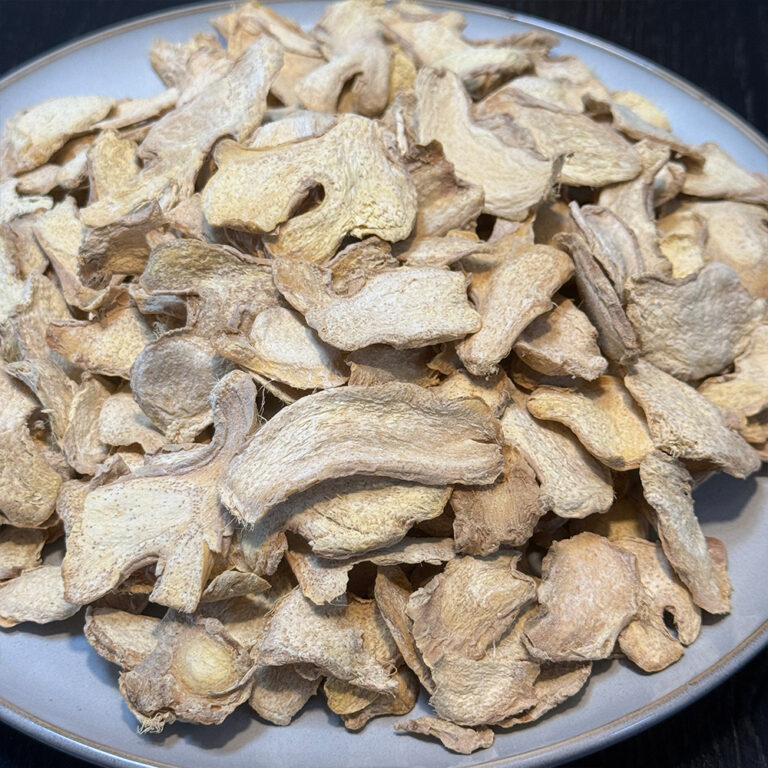
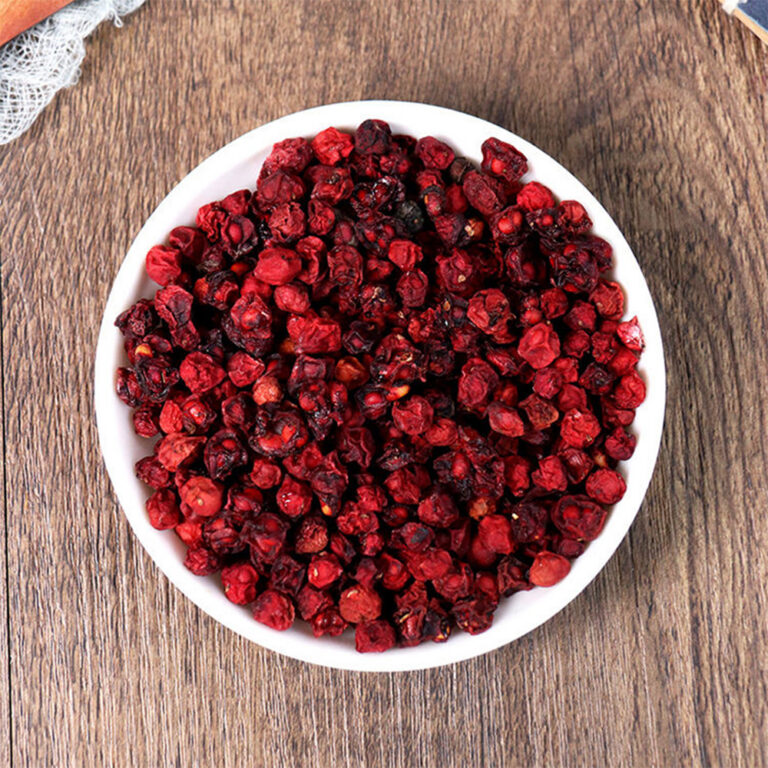
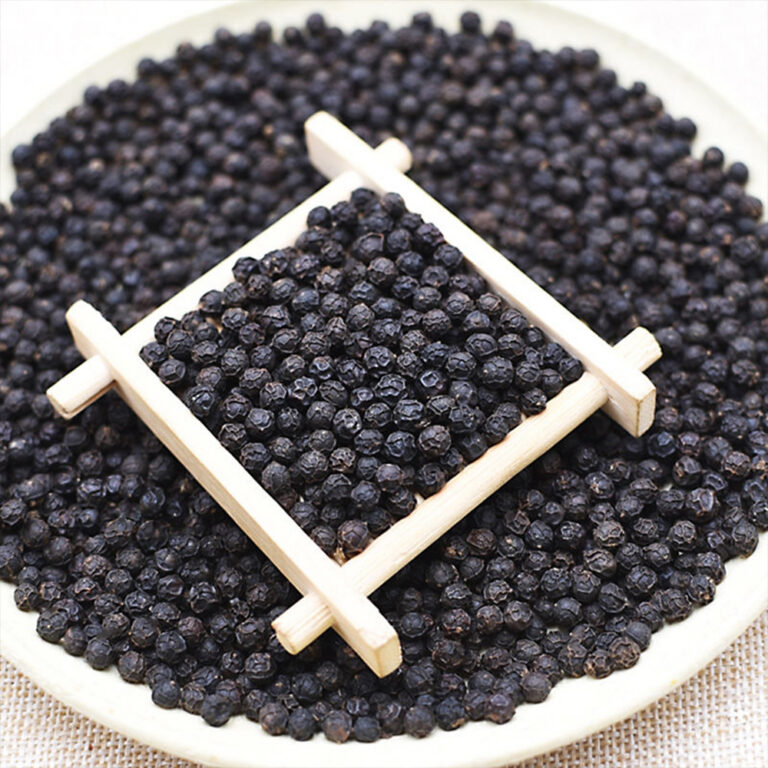
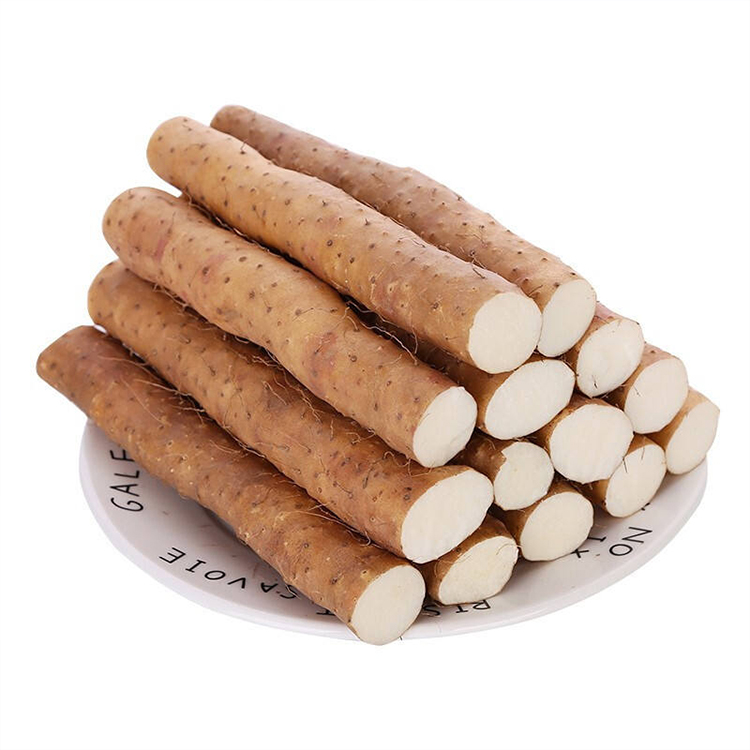
You run a line. You need herbs that pass audit, land in your bins, and keep the line humming. No surprises, no drama. This piece is a practical take—factory-first—on sourcing bulk herbal products at scale. I’ll speak straight, keep the jargon honest, and show real use paths from GuoCao (国草), a wholesale Chinese medicinal herbs & spices supplier with GMP decoction-pieces lines, ISO 22000 food safety system, ambient/cool/modified-atmosphere (MA) warehouses, and third-party COA testing. We do OEM/ODM, fermentation/enzyme beverages already in production, and ship to 30+ countries across the US, EU, AU, JP, KR, CA, MY, PH, and more. Capacity? 2,500 tons/year—steady.
Quick links you can actually click and skim (all internal):
GMP herbal ingredients and ISO 22000 food safety system
If you feed a GMP or HACCP-aligned plant, your first gate isn’t “exotic,” it’s conformance. You want lot-level traceability, validated kill-steps when relevant, clean internal SOPs, and paperwork that stands up when QA says “show me.”
GuoCao does:
GMP lines for Chinese decoction pieces (中药饮片)
ISO 22000 food safety system (documented hazard control)
Ambient / Cool / MA warehousing for shelf-life and aroma retention
Third-party COA testing (micro, heavy metals, pesticide residues—spec-driven)
Short answer: you hand us a spec, we hand you a compliant lot that matches it, again and again. Ain’t fancy, just consistent.
COA and third-party lab testing for manufacturers
You don’t buy copy. You buy data. Every inbound should show COA with methods your QA recognizes. If needed, we run third-party verification to align with your dossier.
Typical doc pack
COA with lot ID, moisture, ash, extractives (when defined), micro
Pesticides / Heavy metals panel (per region)
Allergen statement (if applicable)
Origin + processing flow + storage conditions
MSDS/SDS when your system expects it
If your team asks for extra line items (e.g., solvent residues due to downstream extraction), we tune the panel. No problem.
Flowers and whole herbs wholesale (factory-ready)
You want cut forms that behave on your line: even slice thickness, particle size, low fines, low clumping, stable moisture. That’s throughput. That’s yield. That’s fewer filter swaps.
We keep Flowers & Whole Herbs as a live range: tight spec, proper storage, repeatable cuts.
OEM/ODM herbal manufacturing for downstream lines
You might not want “raw,” you want line-ready: washed, selected, cut, sorted, screened, graded, metal-checked where applicable, and packed in HDPE / kraft fiber drums with inner liners—palletized to your spacial constraints, with human-readable and barcode labels your WMS can parse. If you need pre-blend (multi-herb bill of materials), we do controlled blending with retain samples.
Why OEM/ODM matters: It removes non-core work from your plant—no small bag ripping, no dusty rooms, fewer allergen cross-talk points. One SOP, one supplier, one audit.
Packaging and moisture control for shelf life
Let’s talk water activity and moisture windows. Too dry? You shed aroma and crush. Too wet? You trigger micro risks and caking. Warehousing in cool/MA zones plus tight humidity control means your herbs arrive stable. On packs, we scale from multi-kilo liner-in-drum, down to case packs if your dosing is small. Pallet patterns optimized for your fork path. Simple things save hours.
Supply chain risk, traceability, and audit readiness
Factories care about OTIF (on time, in full), recalls, and back-tracing. We assign lot/batch IDs end-to-end, maintain retain samples, and keep SOP revisions under control. When auditors ask “show the record,” we open the binder (or the system). Fast.
Industrial use cases: pharma, nutraceuticals, functional beverages, cosmetics
Different lines, different red lines. Your spec isn’t your neighbor’s spec. The good news: same herb can serve multiple scenarios/uses when the cut size, micro, and limits are tuned.
Maintain pigment stability; protect from light; cool chain
Light-sensitive storage; metals panel if required
Small note: some plants are sensitive; keep dark/cool storage and don’t over-dry. Sounds basic, saves batches.
B2B purchasing: spec sheet, MOQ, lead time, OTIF
You’ve got a window. You need drums on the dock before the run. The right rhythm is: agree spec → confirm MOQ & lead → lock QC plan → ship with full doc pack. We don’t put cost numbers here (your plant, your geography, your terms), but we do align on OTIF and penalty terms if your policy asks. Plain and clear.
Factory checklist (copy/paste into your SOP if you like):
Let’s call a spade a spade. Most headaches come from inconsistent cuts and moisture drift. Filters choke, infusion is uneven, and downstream milling eats energy. Control the upstream and you avoid overtime.
Plant-side jargon you probably say already
“Hold moisture in band or micro runs hot.”
“Screen the fines or our filters clog after 90 minutes.”
“We need drum labels readable from 3 meters, our scanners are picky.”
“Don’t over-compress pallets; our top layer bulges under strap tension.”
We hear it. We set cut spec, sieve profile, label font/size, strap tension per pallet pattern. Boring? maybe. Effective? yes.
Global sales regions and documentation support
We ship to North America, Europe, Australia, East Asia, Southeast Asia, and beyond. Different regions, different paperwork habits. We keep templates and adjust: ingredient statements, non-GMO, vegan, allergen, origin, free-sale, heat-treatment statements where relevant. If your legal team wants a clause, send it—we’ll mark up and close fast.
Business value: why a single distributor (GuoCao) saves real time
One audit, many SKUs. Less travel for your QA.
Unified COA language. Less re-typing, fewer parsing errors in LIMS.
Predictable lead time. We buffer with ambient/cool/MA stock and flexible pack lines.
OEM/ODM ready. You free headcount from non-core processing; your team focuses on brand and conversion.
Scalable capacity.2,500 t/y is not a brochure number; it’s line time and drums out the door.
And honestly, fewer emails. You don’t want 12 suppliers talking in 12 tones. You want product that shows up and works.
Case snippets (real scenarios minus names)
Tea sachet line kept clogging after 40–60 minutes. Root cause: fines > target. Fix: we tightened the sieve curve and modified pack pressure; sachets ran stable past shift change.
Fermented beverage team reported aroma loss after three months. Fix: moved to MA storage + darker drums; added liner spec; aroma held up in retention tests.
Tablet blend saw blend uniformity drift. Fix: narrowed cut size distribution and stabilized moisture. Compression got boring again (that’s good).
These things sound small. They add up to yield and uptime.
SEO-friendly product anchors (so buyers can find the right thing, fast)
Use factory keywords that match how you search when you’re under time:
“bulk herbal products distributor for factories”
“GMP herbal ingredients supplier”
“ISO 22000 Chinese medicinal herbs”
“flowers and whole herbs wholesale”
“COA third-party lab testing herbs”
“OEM/ODM herbal manufacturing”
“Chinese herbs supplier for pharma nutraceuticals cosmetics”
These aren’t poetry; they’re what buyers type at 11:30pm before a line trial.
Pricing without the drama (no specific numbers here)
We won’t print cost figures—markets move. What we do fix is the spec window, doc pack, and delivery window. You’ll get a clean quote with these locked. If you need staged arrivals or safety stock, say it. We’ll model pack counts and pallet math so your dock guys don’t swear at us.
How to brief us in one email (and get a fast yes)
Target herb + cut form (e.g., whole leaf 3–8 mm, low fines)
Moisture band and micro limits (region-specific is ok)
If you’re a pharma company, nutraceutical processor, hospital buyer, beverage maker, cosmetics formulator, distributor/agent, or wholesale retailer, we make bulk herbs behave on your line. That’s the point.
Ping us with your spec and use case. We’ll reply with a clean path: spec → doc pack → drums → OTIF. Simple. And kinda the way it should be.
Our low MOQ of 1 kg (2.2 lb) makes it easy to order Chinese herbal slices or wholesale Chinese medicine herbs. Private-label and bilingual labeling are also available.
Delivery Cycle & Support
We have a fast 7-day lead time. We provide free samples, COA reports, and technical support to help you bring high-quality bulk Chinese herbs to market.
Quality & Certifications
Our products are manufactured in a GMP-certified facility and meet ISO22000 standards. All Chinese herbs are third-party tested for heavy metals, pesticides, and microorganisms.