Herbs don’t move alone. Ideas ride with them. From caravan bells on the Silk Road to creaking Manila galleons, trade lanes carried botanicals, recipes, and ways to judge quality. Today we wrap that same old goal—safe, authentic, reliable plants—in GMP, ISO 22000, and third-party COAs. Different tools, same job.
GuoCao operates in that lineage. We run GMP herbal-slice lines, ISO 22000 food-safety systems, and third-party COA verification. We support OEM/ODM and even fermented enzyme beverages. Our material ships to 30+ countries, covering pharma, nutraceuticals, hospitals, beverage brands, cosmetics raw-material buyers, and bulk distributors. No fuss—just spec, lot, and delivery.
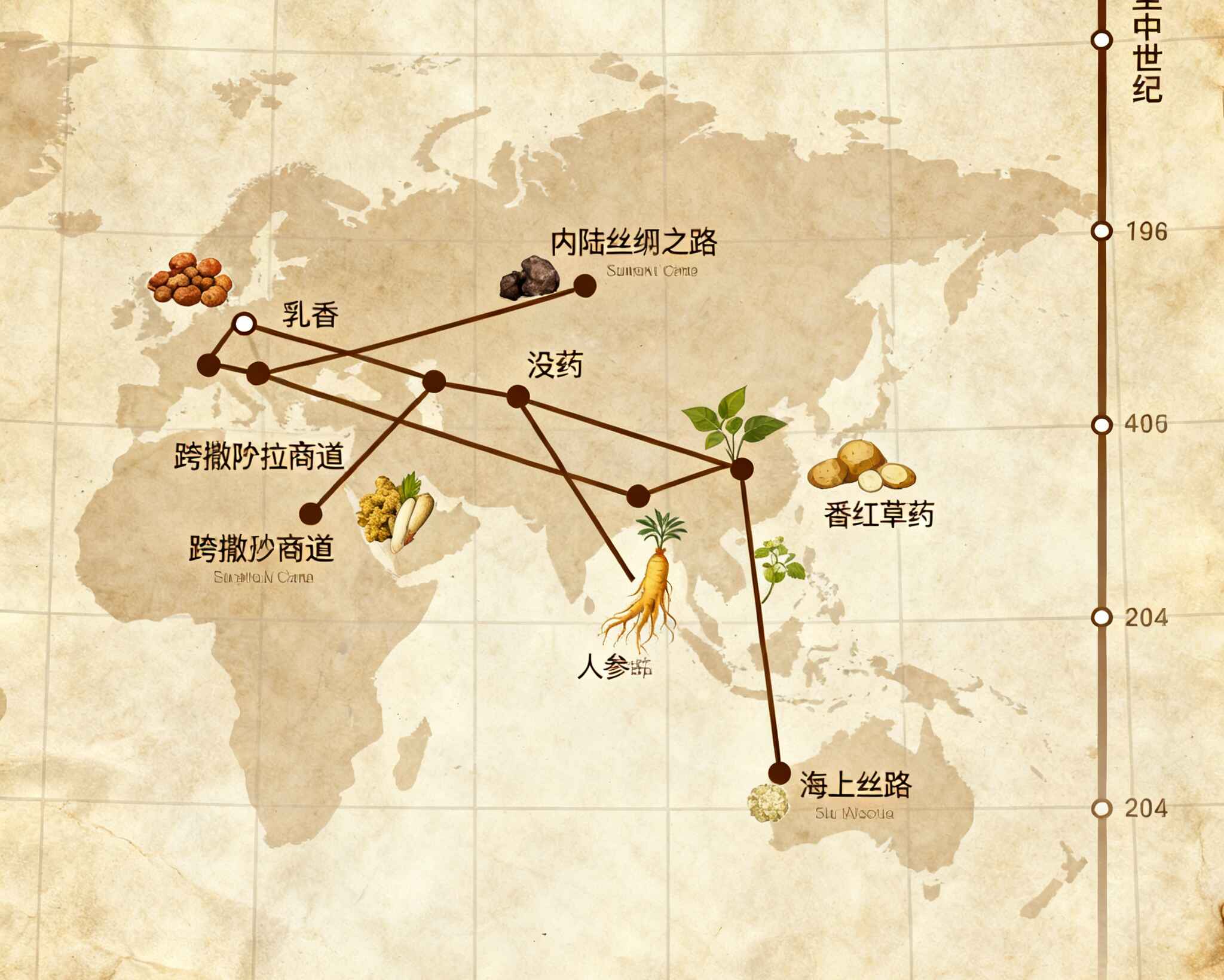
Silk Road medicinal exchange (Han–Qing): imported materia medica, real integration
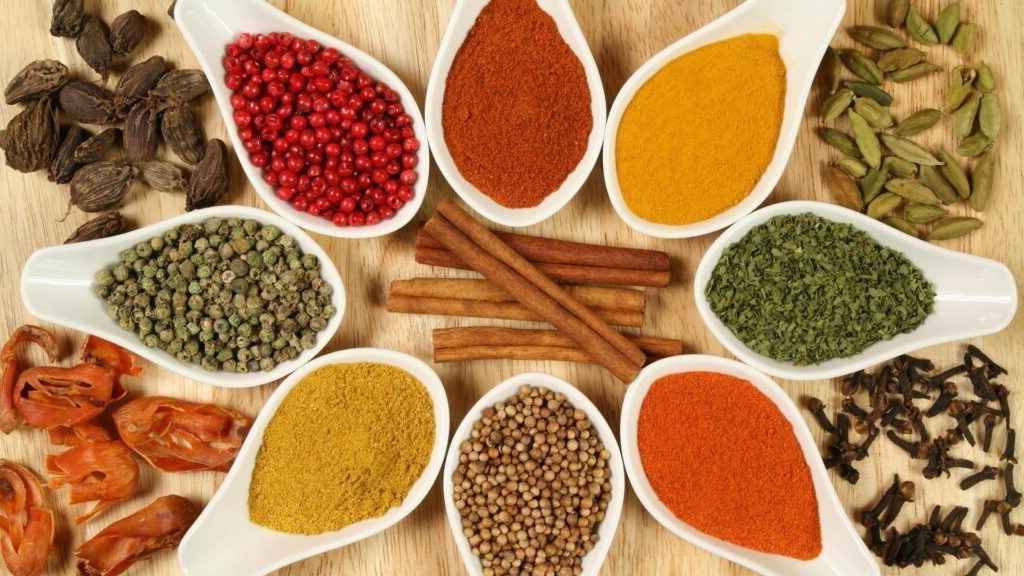
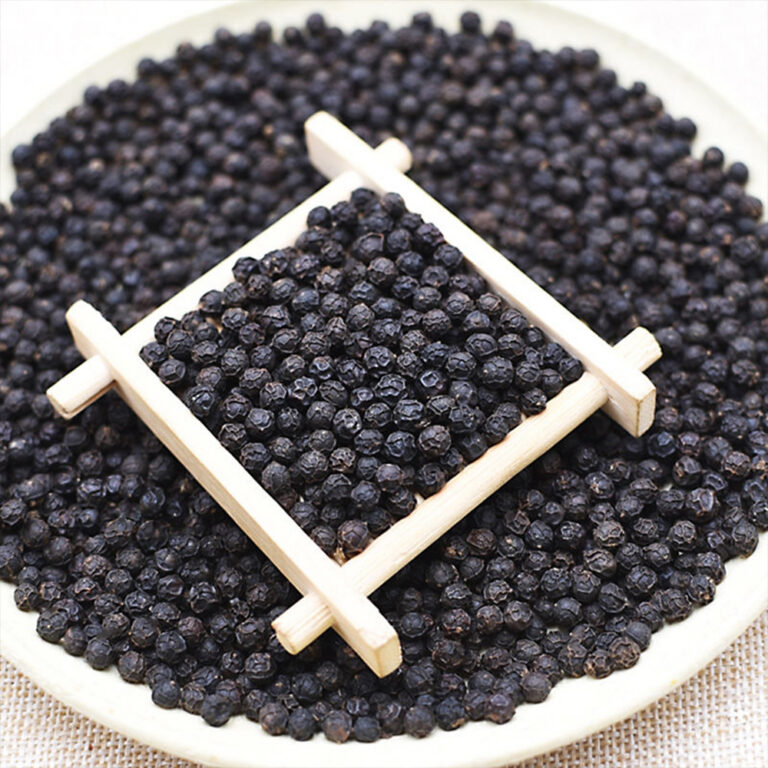
Over roughly two millennia, caravans brought aromatics and drugs—frankincense (Ru Xiang), myrrh (Mo Yao), clove (Ding Xiang), pepper—into East Asian practice. Pharmacists didn’t treat them like novelties. Texts folded them into materia medica and daily clinic use. You see routes, then recipes, then standards.
Tang and Song pharmacopoeias: “Haiyao Bencao” & official compilations
Compilers documented overseas drugs in works known as Haiyao Bencao (“Materia Medica from Overseas”). State projects such as Xinxiu Bencao (659 CE) listed foreign entries—benzoin, peppercorn, oak galls, more. Later encyclopedias systematized names, uses, and processing (pao zhi). It wasn’t “exotic”; it was codified.
Indian Ocean & Maritime Silk Road: cinnamon, cassia, saffron—plus port rules
By sea, ships ferried pepper, cinnamon, cassia, saffron, anise across the monsoon circuit into the Red Sea and the Mediterranean. Old Egyptian papyri list Asian spices in medical formulas—evidence of very early long-distance exchange. The bigger point for buyers: once lanes stabilize, supply regularity improves, then standards follow.
Keywords: Indian Ocean trade, Maritime Silk Road, Red Sea routes, early spice-medicine exchange.
Spanish American trade (1717–1815): ipecacuanha to cinchona, outcomes drive adoption
In the eighteenth century, Spanish America became a powerhouse for medicinal plants: ipecacuanha, guaiacum, sarsaparilla, jalap, cinchona. These weren’t just “new and shiny.” Physicians could observe outcomes, compare notes, and standardize preparations. Evidence spoke, markets listened.
Keywords: Spanish American materia medica, 1717–1815, ipecacuanha, cinchona, sarsaparilla, jalap.
Manila Galleon (1565–1815): the Pacific pipeline
For 250 years, the Manila–Acapulco galleons tied Asia and the Americas. Silver went one way; botanicals and recipes moved both ways. That corridor explains why Asian aromatics landed in New World dispensaries—and why American bark reached Old World fevers so fast. It’s the OG “trans-Pacific supply chain.”
Islamicate translation hubs (Baghdad, Cairo): knowledge rode shotgun with goods
Merchants passed goods; scholars passed translations. Centers in Baghdad and Cairo translated, compared, and synthesized works from Greek, Persian, Indian, and Chinese traditions. Pharmacology matured when names matched plants, plants met assays (their version), and recipes stabilized. Sounds familiar, right?
Keywords: Arabic medical translations, knowledge transfer, Baghdad, Cairo, synthesis of pharmacology.
Table 1 — Trade routes, signature items, and practice impact
Route & period
Representative items
What moved besides goods
How practice changed
Silk Road (Han→Qing)
Frankincense, myrrh, clove, pepper
Diagnostic ideas, compound formulas, merchant QA
Imports absorbed into standard formulas; names and processing unified
Tang/Song compilations
“Overseas” aromatics in Haiyao Bencao, listings in Xinxiu Bencao
Official naming, translation, proofing
Codification → predictable use across clinics
Maritime Silk Road / Indian Ocean
Cinnamon, cassia, saffron, anise
Port inspections, moisture control, packing methods
More regular supply → wider culinary-medical crossover
GuoCao builds for that. We run GMP slicing and low-temp drying, ISO 22000 food-safety management, and third-party COA on incoming and finished lots. We support OEM/ODM so you can prototype, pilot, then scale—without breaking your SOP.
Explore by need (internal links only):
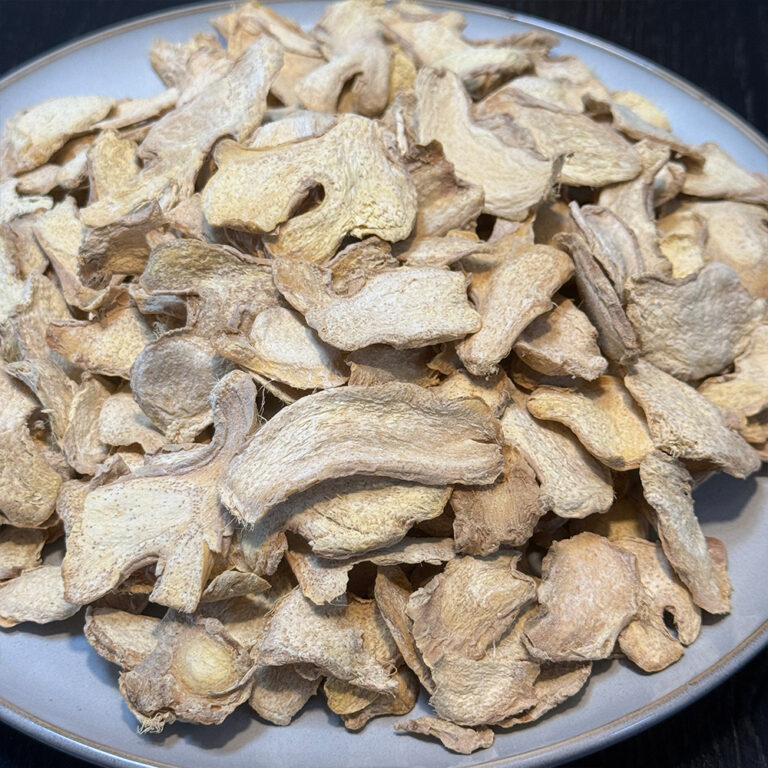
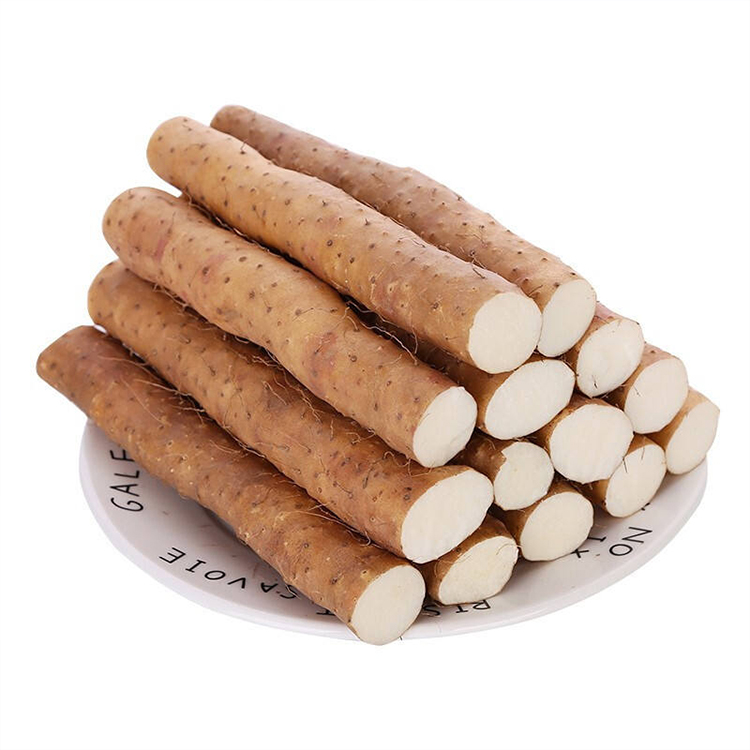
Roots & Rhizomes slices for decoction and extraction yield: Root and Rhizome
Buyer pain points → field-tested fixes (keep it real)
The best purchasing teams don’t chase poetry; they chase spec. Here’s a quick map from headaches to solutions—with the jargon your QA/RA folks already speak.
Buyer pain point
What to check (industry speak)
How GuoCao supports it
Where to start
Identity & authenticity
Macroscopic ID + TLC/HPTLC; marker assay by HPLC/GC-MS; organoleptic match; foreign matter limits
(Not rocket science. But moisture and mesh size still bite projects, a lot.)
Use cases & scenarios (short, practical, a bit scrappy)
Dietary-supplement factories: Lock cut size and moisture first; it stabilizes extraction yield and tablet hardness. Approve TLC plates and HPLC markers on the pilot lot before you drop the big PO.
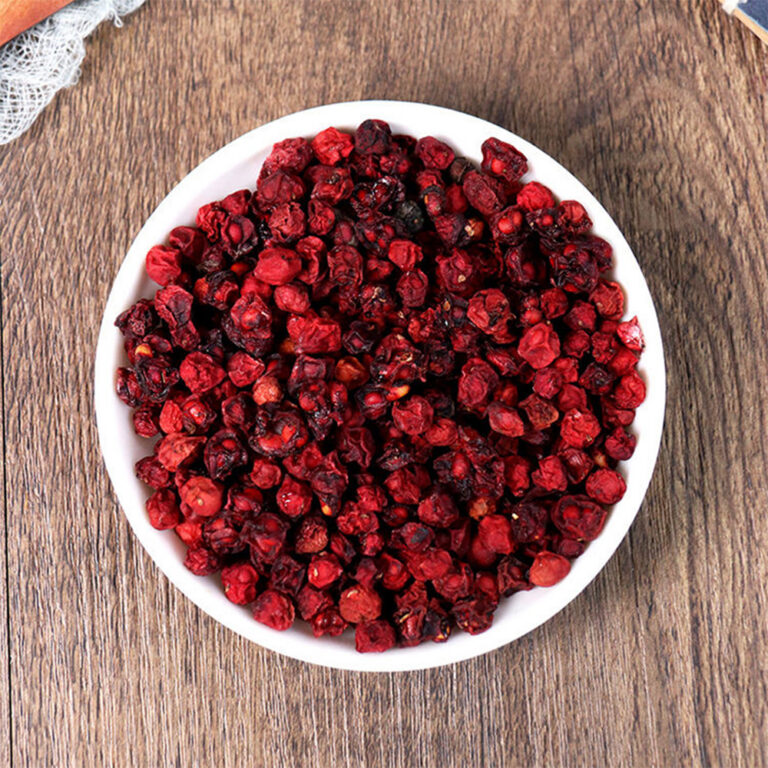
Functional beverage brands: Pair Flowers/Whole Herbs for aroma with Fruits & Seeds for oil content. Ask for headspace notes and volatile-oil retention across 3–6 months.
Cosmetics ingredient buyers: Resins (Ru Xiang/Mo Yao) need macroscopic ID + GC-MS fingerprints. Specify ash and insoluble limits.
Hospitals & TCM clinics: Confirm sulfur-free status, decoction slice thickness tolerances, and batch trace. Request bilingual documentation for your auditors.
Tone of voice? Friendly, straight. Some short sentence is fine. A little broken english sometimes ok, as long as message lands.
What history teaches modern procurement
Integration beats novelty. Imports stuck when physicians validated results and compilers fixed the names. Then trade scaled.
Standards travel with supply. Routes create habits, and habits become specs. From Haiyao Bencao to modern pharmacopoeias to ISO forms, the arc bends toward naming and testing.
Corridors matter. The Manila Galleon and Indian Ocean lanes acted like early “global corridors,” balancing seasonality, risk, and lead time.
Evidence wins. Buyers moved on plants that showed visible relief in clinics. That’s still how nutraceutical and hospital channels choose suppliers today.
Paperwork is product. Without COA, trace, and processing records, the herb isn’t “finished” for regulated markets. Paper equals trust.
How GuoCao plugs in (business value, not fluff)
GMP lines for consistent slicing, drying, and packing—so your extraction curves don’t swing.
ISO 22000 and documented HACCP—so audits don’t eat your week.
Third-party COA—so QA signs off without back-and-forth.
OEM/ODM—so R&D gets from sketch to shelf without rebuilding a supply base.
Ambient/cool/gas-controlled warehousing—so volatile oils stay in the bag, not in the air.
Enzyme beverage production—so functional drink brands test fast, scale clean.
We keep it simple: spec → sample → pilot → production → repeat. No drama.
Our low MOQ of 1 kg (2.2 lb) makes it easy to order Chinese herbal slices or wholesale Chinese medicine herbs. Private-label and bilingual labeling are also available.
Delivery Cycle & Support
We have a fast 7-day lead time. We provide free samples, COA reports, and technical support to help you bring high-quality bulk Chinese herbs to market.
Quality & Certifications
Our products are manufactured in a GMP-certified facility and meet ISO22000 standards. All Chinese herbs are third-party tested for heavy metals, pesticides, and microorganisms.