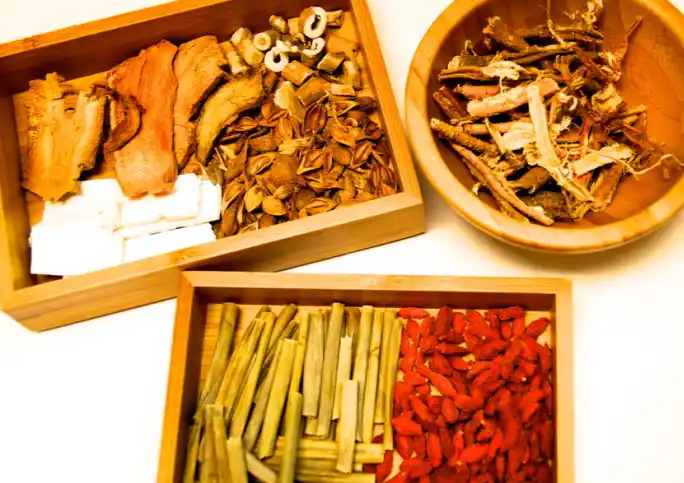
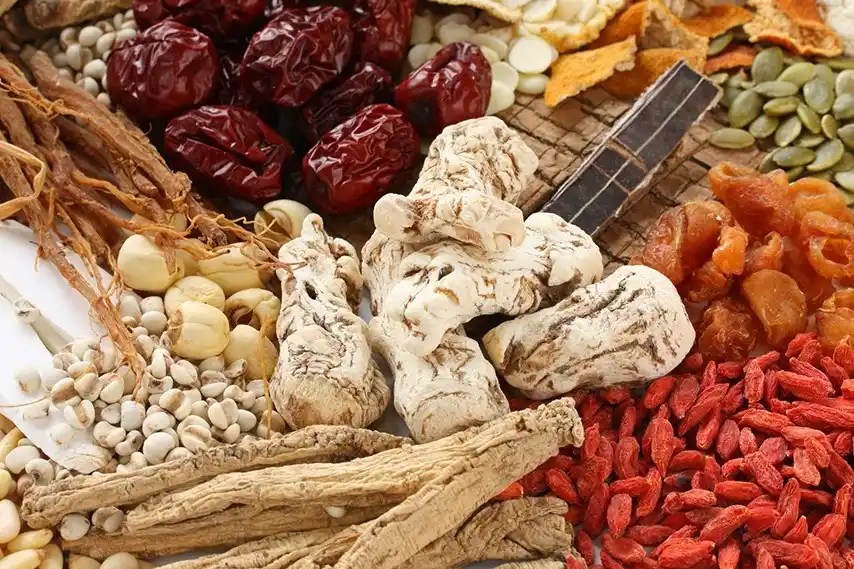
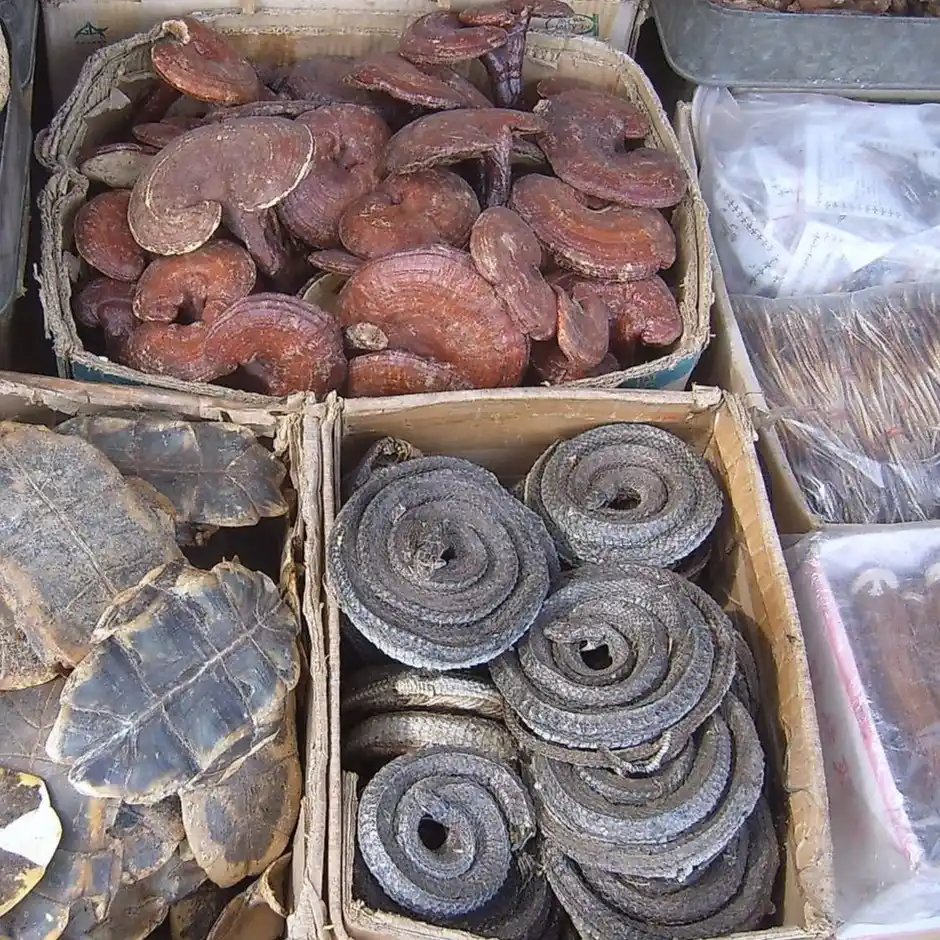
If you sell animal & mineral TCM, you’ve probably seen this movie already. The goods are ready. The cartons look fine. Then the shipment hits a border hold or a buyer’s QA team says, “Send more docs.” Now your timeline goes sideways, and everyone’s doing email ping-pong.
Here’s the blunt truth: in this category, you’re not selling “material.” You’re selling material + evidence. If the evidence is weak, people won’t release the lot. They can’t. Their importer won’t sign. Their auditor won’t accept. Their platform might even delist.
So let’s talk about the thing that actually speeds you up: a compliance pack that’s built like a real shipment file, not a random folder of PDFs.
And yes, this is exactly how we run projects at GuoCao—a one-stop wholesale supplier for Chinese medicinal herbs & spices, including animal & mineral, roots & rhizome, fruits & seeds, flowers & whole herbs, and barks. You can see the full scope on our site:
We operate with GMP production lines, ISO 22000 food safety system, third-party COA testing capability, and ambient/cool/MAP warehousing for stability. We also support OEM/ODM and ship globally. That stack isn’t just nice to have. It’s what makes a compliance pack believable.
Animal & Mineral TCM
Animal and mineral ingredients are “high attention” items. Buyers ask more questions. Customs asks more questions. Internal compliance teams ask… even more questions.
Why? Because these materials often trigger:
source scrutiny (what it is, where it’s from, how it’s processed)
restricted list screening (species rules, import limitations, “is it allowed?”)
risk testing (metals, micro, residues depending on form and market)
So your fastest path is simple: paperwork first. Not because you love paperwork. Because you love speed.
Compliance pack checklist
Think of the compliance pack as your release kit. If it’s complete, your buyer can do a quick “QA sign-off” and move on. If it’s incomplete, they’ll quarantine the lot and ask for a dozen follow-ups.
Compliance pack checklist table
Compliance pack section (keyword)
What to include (keep it practical)
Who uses it
What it prevents (real pain)
COA packet
COA + test methods + limits + numeric results + units + lab sign
This checklist looks basic, but it’s the difference between fast release and “we’ll get back to you.”
COA packet
A single COA page is not a COA packet. For animal & mineral TCM, a real COA packet should answer the next question before it gets asked.
Third-party COA per lot
Here’s what buyers actually want:
lot number matches carton + inner bag + COA
methods listed (not just “tested”)
limits shown (so they can compare to spec)
results are numeric (not only “PASS”)
units are consistent (no mg/kg vs ppm confusion)
If your COA only says “PASS,” it’s basically a teaser. QA teams will request re-testing or deeper reports. That kills your lead time.
At GuoCao, we treat COA as part of delivery. Not an afterthought. If you’re building an export lane, that mindset matters.
Release specifications
A release spec is where you stop arguing later. You define “good” before production ramps.
Release specifications table
Spec item (keyword)
What it controls
Why it matters in real life
Identity (ID)
Right material, right processing form
Prevents mislabel / wrong SKU shipping
Moisture / water activity
Stability and mold risk
Stops quality drift during long transit
Microbiology
Hygiene baseline
Helps for hospitals, supplements, beverages
Heavy metals
Risk baseline
Buyers want trend + control, not promises
Residues / contaminants
Destination fit
Helps with EU-style strict checks
Packaging spec
Liner, seal, carton, desiccant rules
Prevents odor shift and clumping
Lot coding & labeling
Trace and recall readiness
Avoids hard quarantine at receiving
If you don’t spec-lock, your buyer will do it for you. And their spec is usually stricter, slower, and less forgiving.
Traceability
Traceability is not a slogan. It’s your insurance policy when someone asks, “Which batch was used where?”
Here’s the most common failure pattern:
outer carton = Lot A
inner bag = Lot B
COA = Lot C
Now the lot is stuck. Everyone’s nervous. Nobody wants to sign release.
So build your traceability section like this:
lot code format (what each part means)
line clearance rules (stop-clear-start when switching lots)
mixing rules (what’s allowed, what’s never allowed)
relabel control (who approves, how it’s recorded)
recall path (even a simple “forward/backward” map)
This is where industry folks will nod and say, “ok they’re serious.”
EU MRL pesticide residues
Let’s keep it straight: you don’t fail because “testing exists.” You fail because your report doesn’t match the market’s expectation, or the panel doesn’t cover what your customer cares about.
For animal & mineral items, pesticide talk may be lighter than for botanicals. But the moment your portfolio includes plant components (and it usually does), you’ll get asked about MRL and multi-residue screening.
So your pack should state:
which panel you ran (LC-MS/MS, GC-MS/MS style multi-res)
which limit set you’re aligning to (market + buyer spec)
results with units, per lot
If you don’t do that, you’ll get “please confirm…” emails forever. That’s not sales. That’s slow motion.
Heavy metals testing
Heavy metals is where people say stuff like “zero metals.” That line makes experienced buyers twitch.
A stronger, more believable approach is:
test by lot or by defined frequency
set clear internal limits
show QC trending over time
keep hold & release discipline
You don’t need to sound dramatic. Just sound controlled.
At GuoCao, our production and food safety systems are built around controlled manufacturing, warehousing, and lot-level evidence. That’s the only way the documents stay consistent across regions.
Label compliance
Label problems don’t feel technical until they blow up your launch date.
Here’s a quick label pre-flight checklist that saves headaches:
product name (market-friendly)
net content
ingredient list (and allergen logic if relevant)
origin statement
responsible party name + address
batch/lot code placement and format
required warnings (market-specific)
claim wording that won’t look like a drug claim
If you’re doing private label, tea bags, supplement components, or retail packs, label control is not optional. It’s a schedule-protector.
OEM/ODM isn’t only for “finished products.” It’s also how many buyers build stable supply for ingredients: locked spec, locked pack, locked docs.
Here’s a clean workflow that reduces drama:
spec lock (write it down, agree it, don’t “kinda agree”)
sample approval
pilot run + draft COA packet
scale-up run
QA hold & release
ship with compliance pack attached as one indexed file set
If you skip step 1, you’ll “save time” for about five minutes. Then you’ll pay in emails.
Also, for buyers doing functional beverages or enzyme-type projects, you want a supplier that can support more than raw herbs. GuoCao supports broader manufacturing programs (OEM/ODM + special product formats), so you can keep the supply chain tighter instead of juggling vendors.
GuoCao
Let’s talk business value, real quick, not salesy.
A strong compliance pack does three things for you:
shortens QA approval cycles (less back-and-forth)
reduces border risk (fewer “missing docs” holds)
makes reorders easier (your buyer can reuse the file structure)
That last one is huge. Repeat orders come from repeatable documentation. Buyers don’t want surprises. They want a supplier who runs like a system.
If you’re building animal & mineral TCM lanes, or you want one supplier that can cover multiple categories under one documentation standard, start here:
One last thing: faster market access isn’t about rushing production. It’s about removing friction. You do that with a compliance pack that’s tight, lot-matched, and ready for audit. Do it once, and the next shipments move way smoother. Kinda boring, but it works.
Our low MOQ of 1 kg (2.2 lb) makes it easy to order Chinese herbal slices or wholesale Chinese medicine herbs. Private-label and bilingual labeling are also available.
Delivery Cycle & Support
We have a fast 7-day lead time. We provide free samples, COA reports, and technical support to help you bring high-quality bulk Chinese herbs to market.
Quality & Certifications
Our products are manufactured in a GMP-certified facility and meet ISO22000 standards. All Chinese herbs are third-party tested for heavy metals, pesticides, and microorganisms.