You don’t need flashy lines. You need proof. In Chinese medicinal herbs and spices, origin isn’t a side note—it’s the spec. Let’s walk through how “from farms to finished goods” storytelling works for real buyers: pharma companies, supplement makers, hospitals, beverage brands, cosmetics ingredient teams, distributors. I’ll keep it simple, talk straight, and show where GuoCao fits.
Origin storytelling starts with traceability you can actually show: where the plant grew, how it was cut, which line processed it, which QC gates it cleared, and where the batch shipped. GuoCao’s catalog spans animal & mineral, roots & rhizomes, fruits & seeds, flowers & whole herbs, barks, and spices—different materials, same backbone.
Those links keep everything in your domain. No outside sites, no distractions.
GMP, ISO 22000, COA (quality stack buyers trust)
Talk is cheap; certificates aren’t. GuoCao runs GMP herbal-slice lines under an ISO 22000 food safety system and provides third-party COA for each batch. That stack turns “we say so” into “we verified it.”
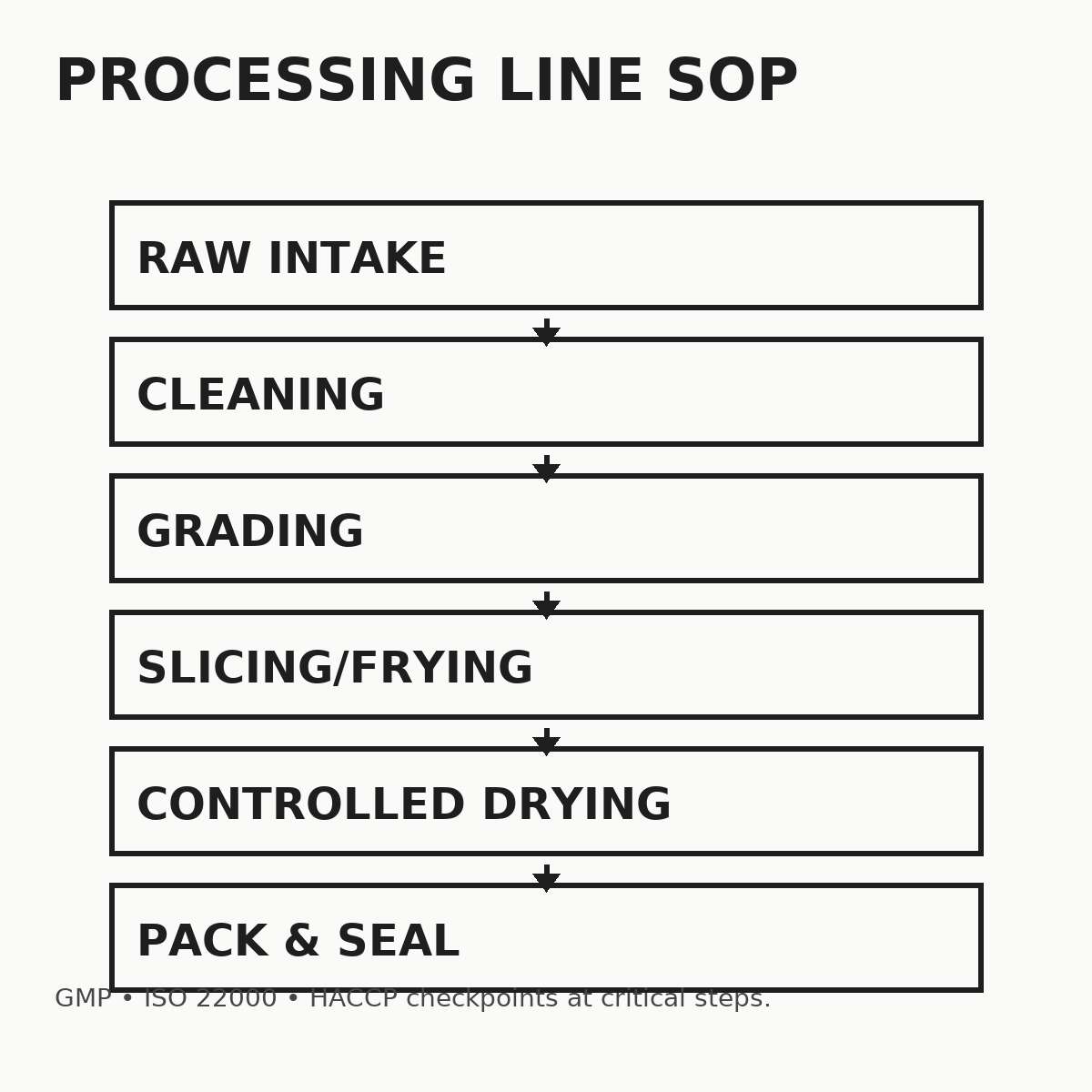
GMP ensures your processing steps follow a locked SOP, from raw intake to slicing, drying, and packing.
ISO 22000 bakes in HACCP thinking, so critical control points (like drying temp, sieve size, moisture) get monitored and logged.
COA confirms micro results, heavy metals, pesticide residues, and key markers.
It’s boring in the best way: clean paperwork, fast approvals.
OEM/ODM for dietary supplements and functional beverages (TCM, tea blends, enzyme drinks)
Private label? House brand? Functional drinks? Keep the flow tight:
Brief — herb list, target markets, regulatory needs, pack style.
Prototype — pilot slice thickness or grind level; fast flavor and solubility checks.
Pilot (GMP) — prove your SOP, micro, labels, and line speed.
Scale — lock the spec window; assign a steady production slot.
GuoCao supports formula development, bilingual labels, batch codes, production dates, and document packs for import. OEM/ODM is not magic; it’s checklists done right.
Batch code + HPLC/GC-MS + micro testing (proof you can show)
A credible origin story runs on batch-level proof:
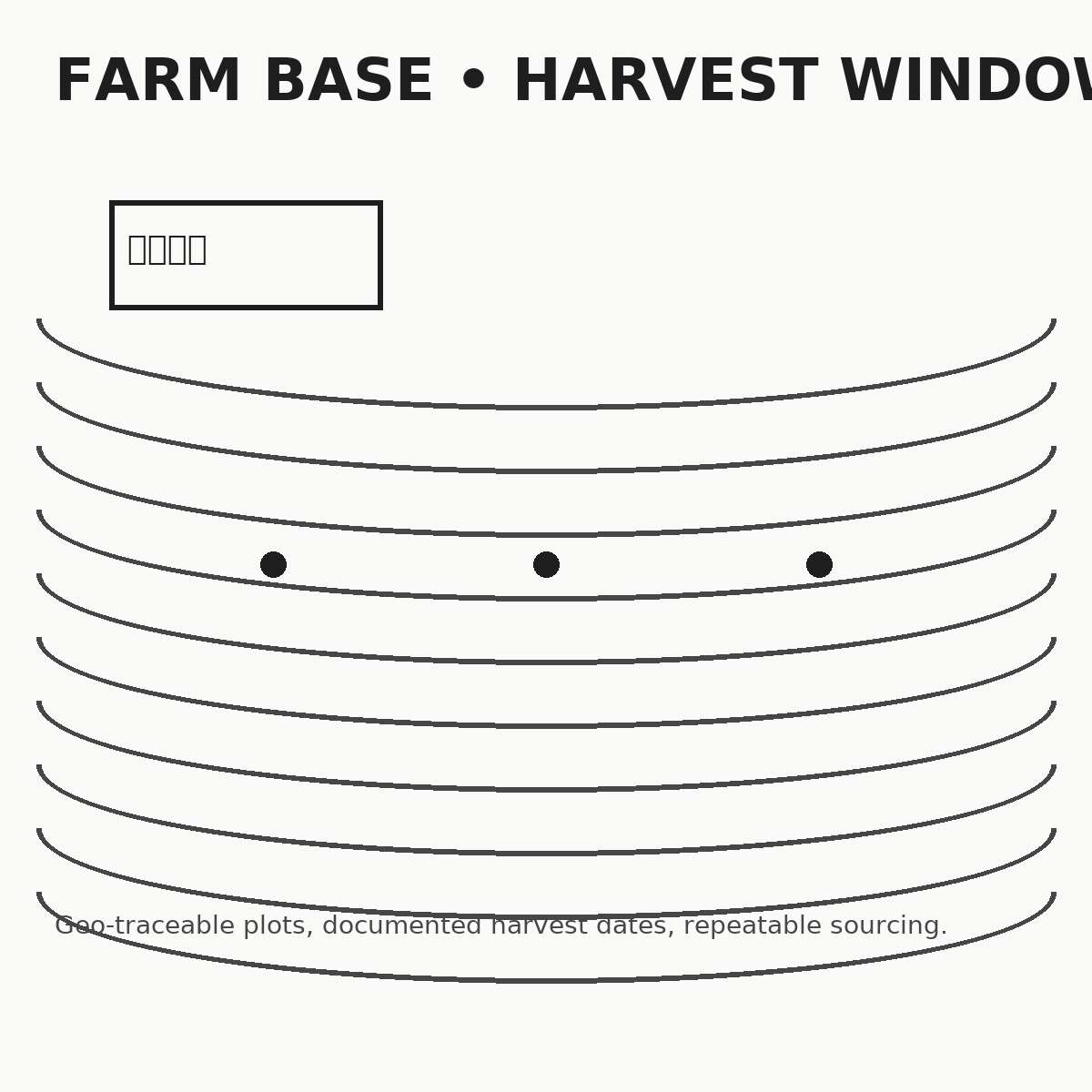
Batch code — trace back to farm base and forward to shipment.
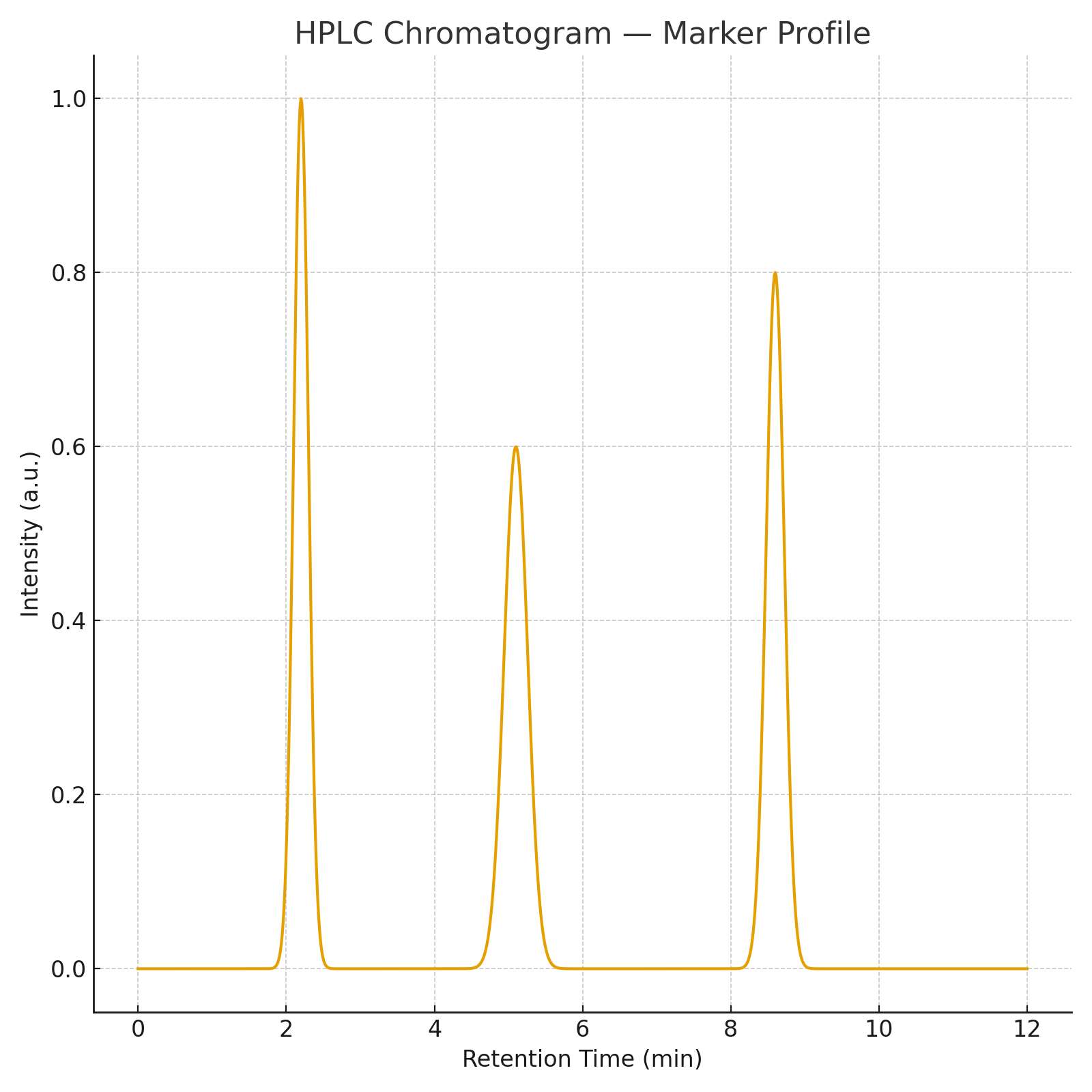
HPLC/GC-MS — fingerprints or markers for potency and authenticity.
Micro — total plate, yeast/mold, and other limits based on your market.
Residues & metals — pesticide panel, Pb/Cd/As/Hg.
Labels — batch code + production date + origin in the language your auditors read.
You don’t need a novel. One page per batch does the job.
Export documentation and global logistics (30+ destinations)
GuoCao products ship worldwide—U.S., EU, Australia, Japan, Korea, Canada, Malaysia, Philippines, and more—supported by phytosanitary, certificate of origin, packing lists, and MSDS where required. The point is simple: a clean origin story clears customs faster. Your pallets move. Your launch calendar stays intact. No nail-biting.
No pricing shown. No outside references. Just your proof.
Category-specific origin cues (how to write them without fluff)
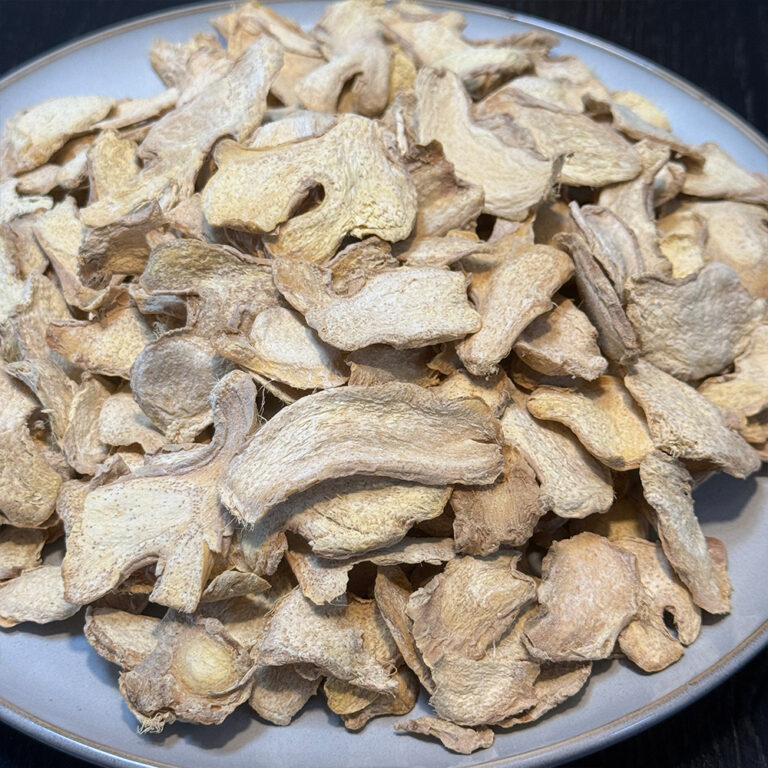
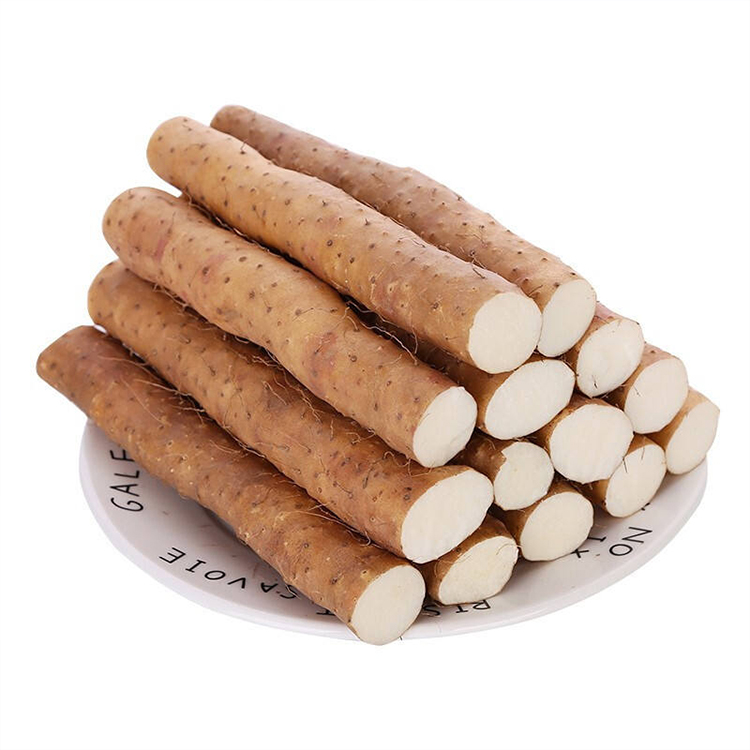
Roots and rhizomes Chinese medicines (traceability, slicing spec, drying curve)
For roots & rhizomes, focus on base elevation/soil, slice thickness tolerance, drying temperature profile, and marker compounds. Make it concrete: “Slice 2–3 mm ± tolerance, dry under controlled temps, confirm markers via HPLC.” Keep the SKU tied to Roots & Rhizomes.
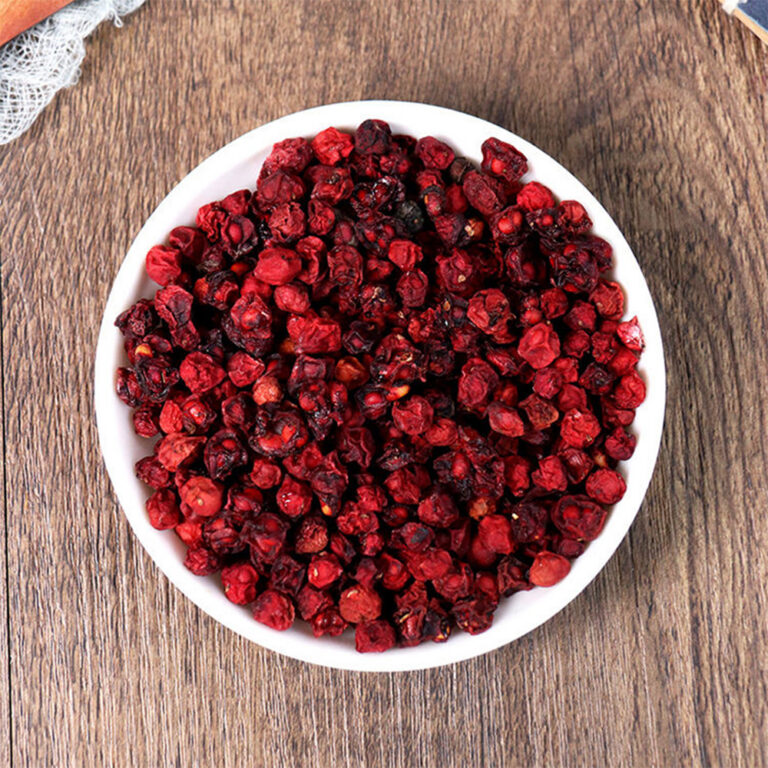
Fruits and seeds Chinese medicines (varietal, harvest window, aflatoxin care)
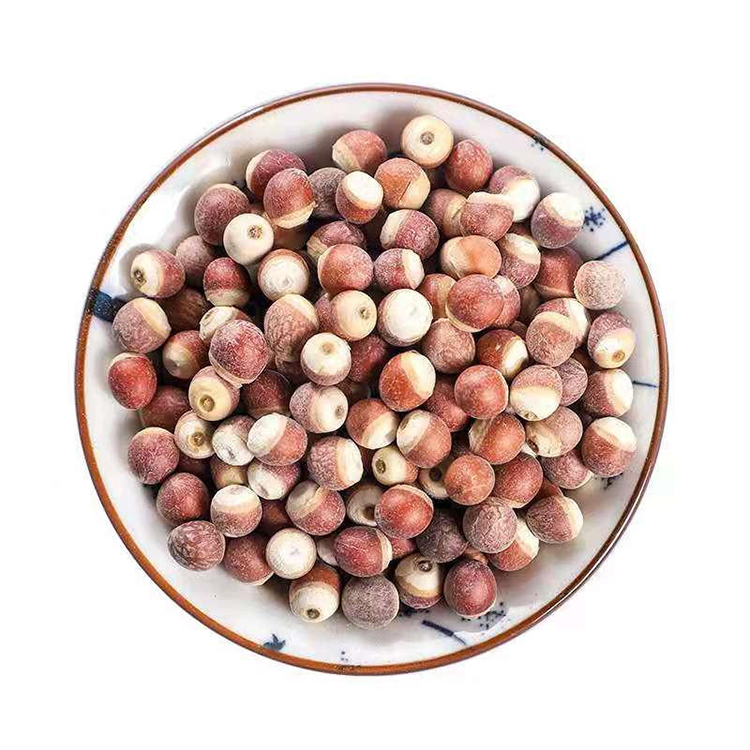
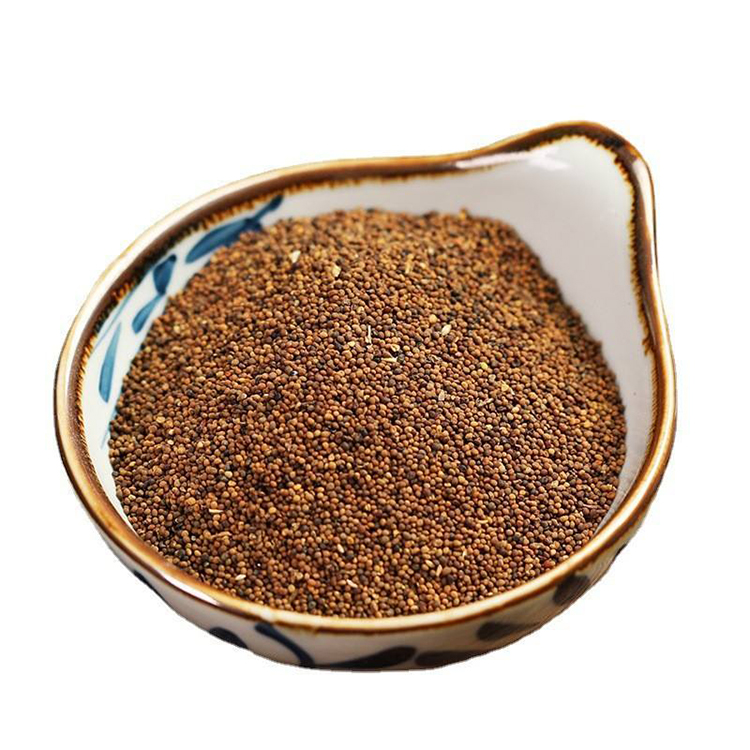
For fruits & seeds, note varietal, harvest timing, shelling/cleaning steps, and any aflatoxin checks needed for your market. Link the SKU to Fruits & Seeds.
Barks cortex Chinese medicines (species ID, debarking method, moisture spec)
For barks, emphasize correct species ID, debarking method, and moisture to curb mold risk. Show a moisture report and the tolerance band. Keep it connected to Barks.
Flowers and whole herbs Chinese medicines (gentle drying, color retention, volatile oils)
For flowers & whole herbs, color matters. So do volatile oils. Document gentle drying, sieve size, and color benchmarks. Reference Flowers & Whole Herbs.
Animal and mineral Chinese medicines (compliance first, analysis second)
For animal & mineral materials, lead with compliance: origin legality, heavy metals, micro, labeling. Keep it in Animal & Mineral.
Pain-point fixes (industry lingo, straight talk)
Spec drift → lock a Master Spec; release only when COA + HPLC sit inside the window.
Cosmetic ingredient buyers: stable mesh sizes, micro under control, aroma notes preserved in drying.
Origin storytelling isn’t decoration. It’s your compliance narrative and go-to-market engine in one place.
Content outline you can reuse (keywords included)
Use these blocks when you build product pages or case studies:
Chinese herbal supply chain traceability — lead with base + batch code; keep copy short.
GMP, ISO 22000, COA — one paragraph, three bullets, certificate snapshots.
OEM/ODM for dietary supplements and functional beverages — the 4-step flow.
Batch code + HPLC/GC-MS + micro testing — post a small table above the fold.
Export documentation and global logistics — list the docs; commit to clean dispatch.
Category-specific origin cues — roots/rhizomes vs fruits/seeds vs barks vs flowers vs animal/mineral.
Write like you talk. Use active voice. Vary rhythm. If a sentence drags, cut it. If a paragraph sounds stiff, rework it. You’ll feel it when it clicks.
Who is GuoCao (clean one-liner + internal links only)
Our low MOQ of 1 kg (2.2 lb) makes it easy to order Chinese herbal slices or wholesale Chinese medicine herbs. Private-label and bilingual labeling are also available.
Delivery Cycle & Support
We have a fast 7-day lead time. We provide free samples, COA reports, and technical support to help you bring high-quality bulk Chinese herbs to market.
Quality & Certifications
Our products are manufactured in a GMP-certified facility and meet ISO22000 standards. All Chinese herbs are third-party tested for heavy metals, pesticides, and microorganisms.